Caterpillars are some of the most charismatic little creatures you can find, and identifying one comes with a bonus: you learn which butterfly or moth it will become. Here is how to tell them apart.
Color, Markings, and Texture
- Color and pattern — stripes, spots, bands, or a bold warning coloration
- Spines, hairs, or horns — smooth, fuzzy, spiky, or bearing a tail-like horn (like a hornworm)
- Size and shape — plump, slender, or humped
- Any false eyespots meant to mimic a snake
Check the Host Plant
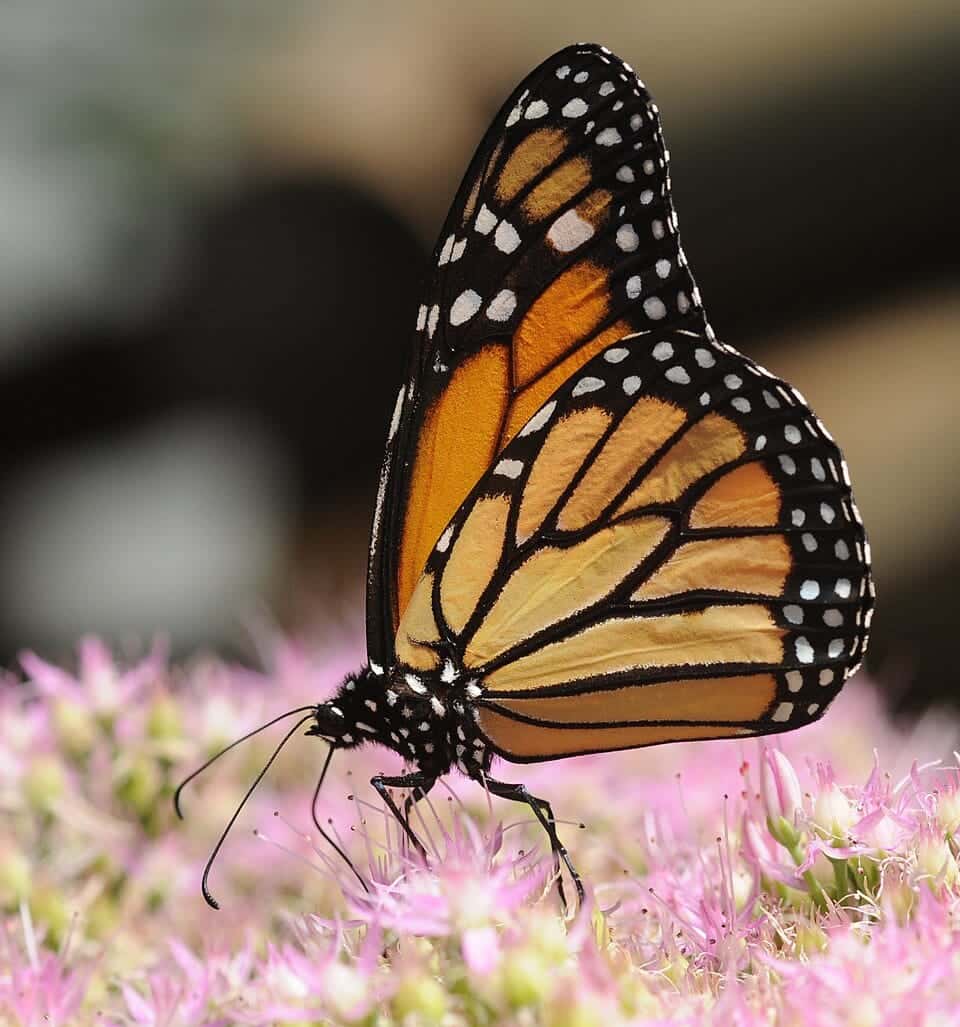
This is the big one: most caterpillars are picky eaters, so the plant you found it on is a powerful clue. Monarchs mean milkweed; a caterpillar on parsley or dill is likely a swallowtail. Note what it is munching.
A Word on the Fuzzy Ones
Some hairy or spiny caterpillars can cause skin irritation if handled, so it is best to look rather than touch. A photo lets you identify it without any contact at all.
Snap a Photo to Name It
Spotter identifies caterpillars from a photo and can tell you the species and what it develops into, along with its host plants and range — and it handles the plant it is sitting on, too.
Try Spotter free on iPhone or Android
Plants, animals, fungi and rocks from one photo. 5 free identifications every day, no card required.


Read the color and texture, note the host plant, and keep your hands to yourself with the fuzzy ones — then let a photo reveal both the caterpillar and the winged adult it is destined to become.