
Moths and butterflies are close cousins, and telling them apart is easier than most people think once you know the handful of features that separate them. Here is the quick guide.
Check the Antennae First
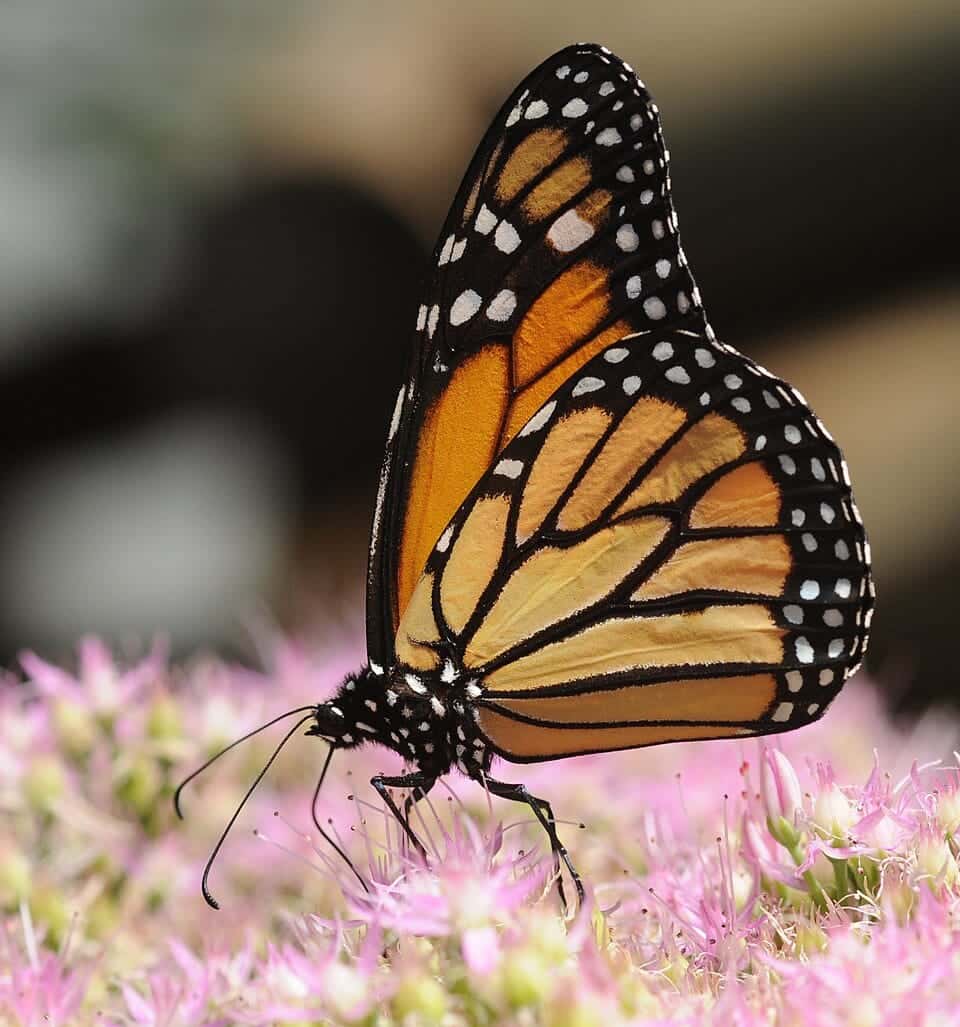
This is the most reliable tell. Butterflies have thin antennae with a small club or knob at the tip. Moths have feathery or thread-like antennae with no club. If you can see the antennae, you usually have your answer.
Watch How It Rests
- Butterflies usually hold their wings upright and closed over the back at rest
- Moths usually rest with wings spread flat or folded roof-like over the body
- Butterflies fly by day; most moths fly at night
- Moths tend to have stouter, fuzzier bodies; butterflies slimmer, smoother ones
None of These Are Absolute
There are day-flying moths and drab butterflies, so no single rule is perfect — but taken together, antennae, resting posture, and body shape will place almost any specimen correctly.
Get the Exact Species from a Photo
Knowing moth from butterfly is step one; Spotter takes you to the exact species from a photo, with its host plants, range, and life cycle — plus everything else fluttering around the same garden.
Try Spotter free on iPhone or Android
Plants, animals, fungi and rocks from one photo. 5 free identifications every day, no card required.


Antennae, posture, and body shape settle the moth-or-butterfly question in seconds. For the species name behind those beautiful wings, a photo does the rest.