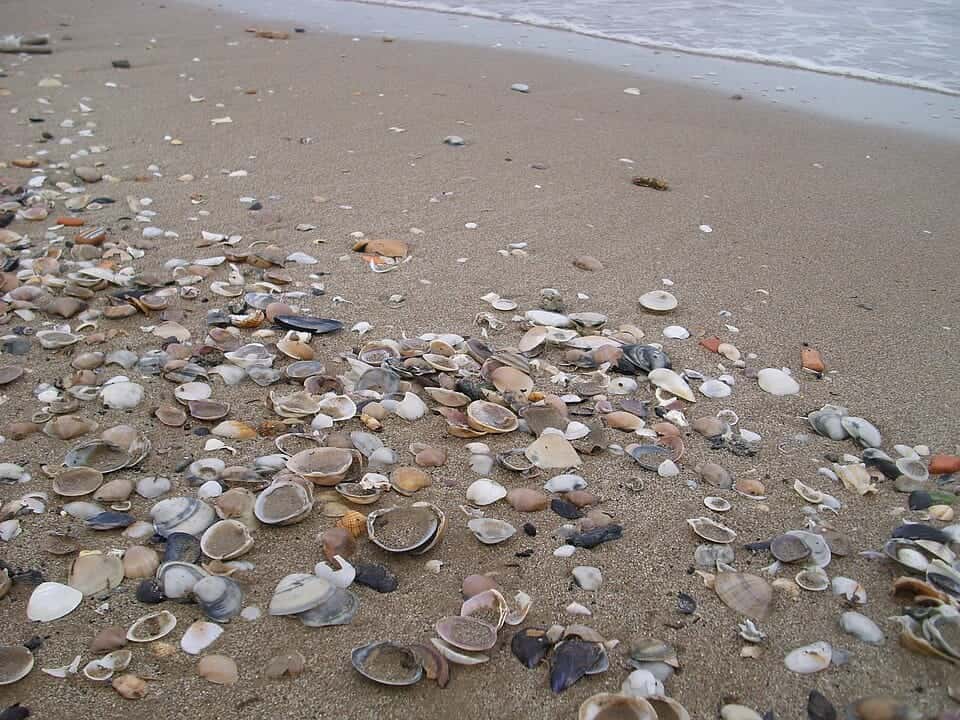
A pocketful of shells always comes home from the beach, and half the fun is figuring out what left them behind. Seashells are the former homes of molluscs, and their shape tells you which kind. Here is how to sort your finds.
One Piece or Two?
The first split is easy. A bivalve has two matching halves hinged together (clams, scallops, mussels, oysters). A gastropod is a single coiled or spiraled shell (snails, whelks, conchs, cowries). Almost every shell falls into one of these two camps.
Read the Shape and Surface
- Ribs and ridges — the fan-like ribs of a scallop, the growth rings of a clam
- Spiral shape — tall and pointed, rounded, or flattened
- Opening — the size and shape of a gastropod aperture and any lip
- Surface — glossy like a cowrie, spiny, or chalky and worn
- Color and pattern — bands, spots, or a solid hue
Location Is a Clue
Shell species vary a lot by coast and region, so where you found it narrows the field. Note whether it came from the open beach, a tide pool, or a bay — and how worn it is.
Snap a Photo to Name Your Find
Spotter identifies seashells and other beach finds from a photo, with detail on the animal that made them and where they occur. It is the same app for the shorebirds, driftwood plants, and interesting rocks you pocket on the same walk.
Try Spotter free on iPhone or Android
Plants, animals, fungi and rocks from one photo. 5 free identifications every day, no card required.


Bivalve or gastropod, then shape, surface, and location — that is most of shell identification. A photo fills in the exact species so your beachcombing haul finally has names.