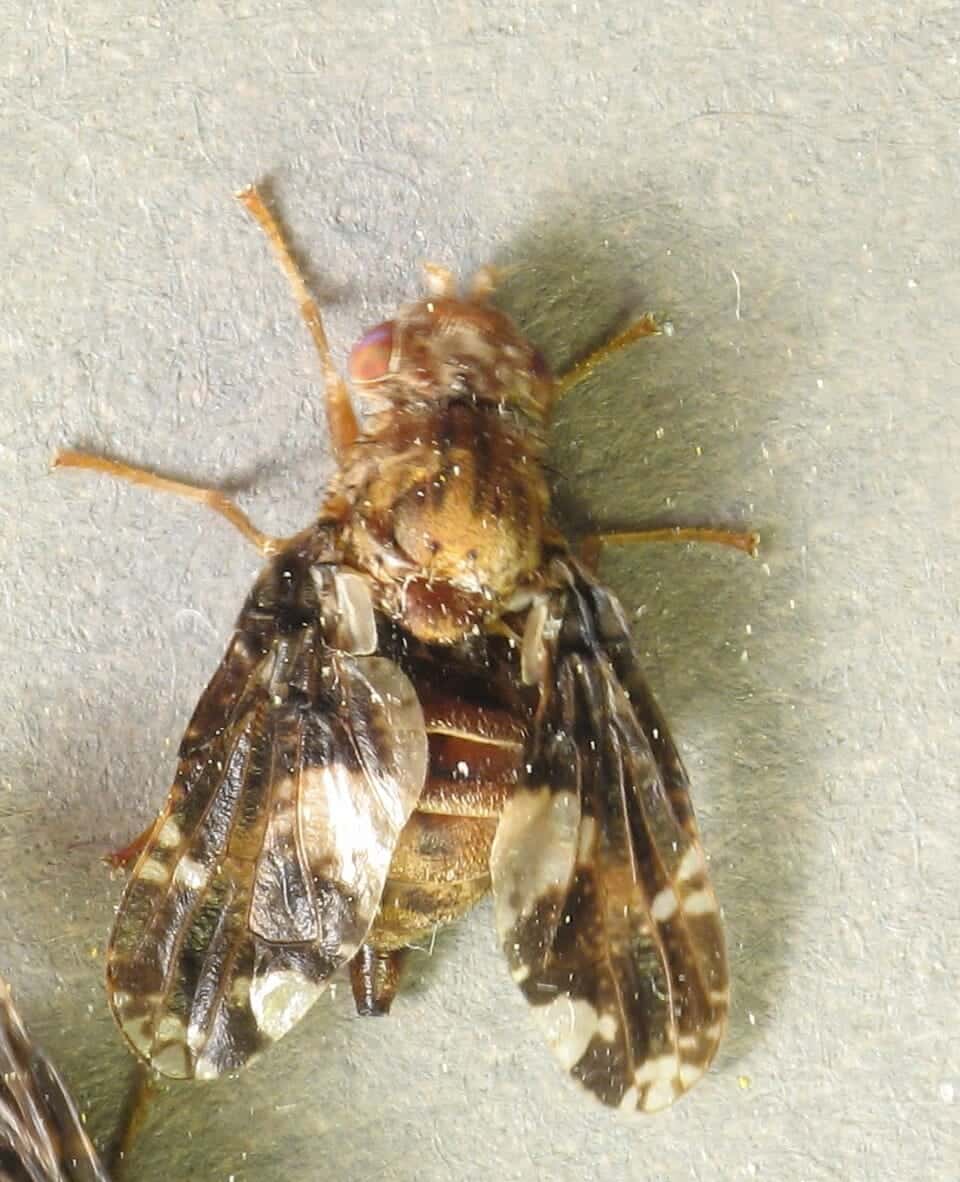
You are walking through a field or roadside full of blooming goldenrod in late summer or fall when you start noticing them everywhere: smooth, round balls swelling out of the middle of the stems, each about the size of a marble or golf ball, with the stem running straight through and continuing up to the flowers above. Once you see one, you see dozens. These are goldenrod ball galls, and each is not a fruit, a seed pod, or a disease in the usual sense — it is a self-contained nursery that a small fly tricked the plant into building. The goldenrod gall fly (Eurosta solidaginis) is the classic maker of these round swellings across much of North America, and fall is the perfect time to find them. Here is how to recognize a goldenrod gall and understand the strange little story inside it.
How to Identify a Goldenrod Ball Gall
The round ball galls are easy to pick out once you know the pattern, and a few features separate them from other lumps you might find on a plant:
- The shape: a distinctly round, ball-shaped swelling in the middle of the stem, typically marble- to golf-ball-sized, with the stem passing straight through the center
- The plant: found on goldenrod (Solidago), the tall late-summer plant with plumes or sprays of tiny bright-yellow flowers, common in fields, ditches, and roadsides
- The surface: usually smooth and the same green as the stem when fresh, often taking on a reddish or mottled tinge, and drying to tan or brown as the season ends
- The feel: firm and solid, not hollow or squishy — the inside is dense, woody-textured plant tissue
- The persistence: the dried brown galls stay on the standing dead stems all winter, which is why you can find them on bare goldenrod long after the flowers are gone
A round, solid ball in the middle of a goldenrod stem, with the stem growing right through it, is a goldenrod ball gall. It is different from the elongated, spindle-shaped swelling made by a different insect (the goldenrod gall moth) and from the rosette of bunched leaves at the top of some stems made by yet another — but the smooth, round, centered ball is the signature of the gall fly.
Try Spotter free on iPhone or Android
Plants, animals, fungi and rocks from one photo. 5 free identifications every day, no card required.


What Is Actually Going On Inside
The gall is a nursery, and the story behind it is one of the best small wonders of a fall field. In spring, the female gall fly lays an egg in the growing tip of a young goldenrod stem. When the larva hatches, it burrows into the stem and begins to feed, and chemicals in its saliva hijack the plant’s growth, tricking the goldenrod into building the round ball of tissue around it. The larva spends the whole season safe inside, eating the gall from within. As fall arrives, it does something remarkable: it chews an escape tunnel almost to the outer skin of the gall — stopping just short — then retreats inside to spend the winter. In spring the adult fly, which has no chewing mouthparts, simply pushes out through that pre-made exit. The larva even produces a natural antifreeze that lets it survive being frozen solid through winter inside the gall.
A Whole Tiny Food Web
The gall is not as safe as it looks, and that is part of what makes it worth a second glance. Parasitic wasps drill through the gall wall to lay their own eggs on the fly larva, and in winter two birds in particular — the downy woodpecker and the black-capped chickadee — have learned to hunt the galls, pecking them open to eat the fat larva inside. You can often read the outcome on a dried gall: a small, clean, round hole means the adult fly escaped in spring, while a larger, ragged, torn opening means a bird got there first. A field of old goldenrod galls in winter is essentially a scoreboard of who survived and who became someone’s meal, which makes these humble brown balls one of the most rewarding things to examine on a cold-weather walk.
Found a goldenrod stem with a mysterious round ball in the middle and want to confirm what it is? Snap a photo of the gall and the plant it is growing on and let Spotter help you identify it — a great starting point for getting to know one of the most fascinating little dramas playing out in an ordinary fall field.
Try Spotter free on iPhone or Android
Plants, animals, fungi and rocks from one photo. 5 free identifications every day, no card required.