
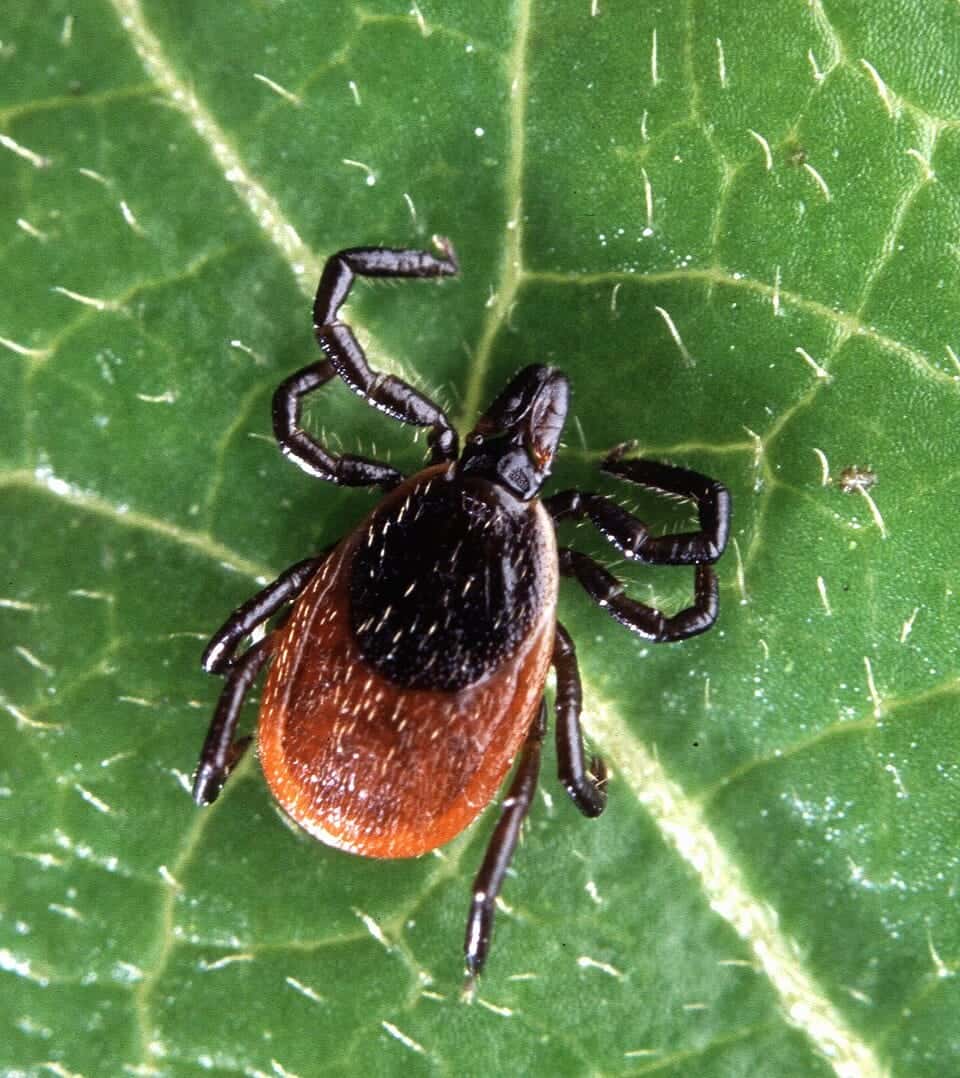
Summer is peak season for ticks, and finding a small dark speck attached to your skin — or crawling up a pant leg after a hike — is understandably alarming. Ticks are tiny arachnids that feed on blood, and some species can transmit diseases like Lyme, so correct identification genuinely matters. Here is how to tell a tick from other bugs and recognize the ones worth taking seriously.
How to Identify a Tick
Ticks are arachnids, not insects, so like spiders they have eight legs (larvae have six) and no wings or antennae. They range from poppy-seed-sized to about the size of a sesame seed when unfed, swelling much larger and grayer after a blood meal. Look for:
- A small, flat, oval body with no distinct waist — it looks like a single teardrop, not a two-part insect
- Eight legs clustered near the front of the body (six on tiny larvae)
- No wings and no antennae
- A body that becomes rounded and engorged after feeding
Common Tick Species to Know
In North America, a few species account for most bites and disease risk. You do not need to be an expert, but recognizing these helps you gauge concern:
- Blacklegged (deer) tick — very small, reddish-brown with dark legs; the primary carrier of Lyme disease
- American dog tick — larger, brown with pale gray or white mottled markings on the back
- Lone star tick — brown with a single distinctive white dot on the back of the adult female
What a Tick Is Not
Several harmless bugs get mistaken for ticks. Bed bugs and some beetles are similar in size but have six legs and a more insect-like shape. Engorged, well-fed ticks are sometimes confused with small skin tags or scabs. The eight-legged, no-antennae, teardrop shape is the reliable tell.
If You Find a Tick Attached
Do not panic — prompt, careful removal lowers risk. General guidance from health authorities is to grasp the tick as close to the skin as possible with fine-tipped tweezers and pull straight up with steady, even pressure, then clean the area. Watch for a spreading rash or flu-like symptoms in the following weeks, and contact a healthcare provider with any concerns — especially if you cannot remove the tick cleanly or you develop symptoms. This is general information, not medical advice.
Not sure whether the tiny bug you found is a tick — and which kind? Snap a photo and Spotter will help you identify it so you know how seriously to take it.
Try Spotter free on iPhone or Android
Plants, animals, fungi and rocks from one photo. 5 free identifications every day, no card required.