Most people meet a spider and immediately want to know one thing: can it hurt me? The reassuring reality is that the overwhelming majority of spiders are harmless to humans and are quietly doing you a favor by eating pests. Still, identification is satisfying — and for a handful of species, worth knowing. Here is how to tell them apart, safely.
Look at the Body and Markings
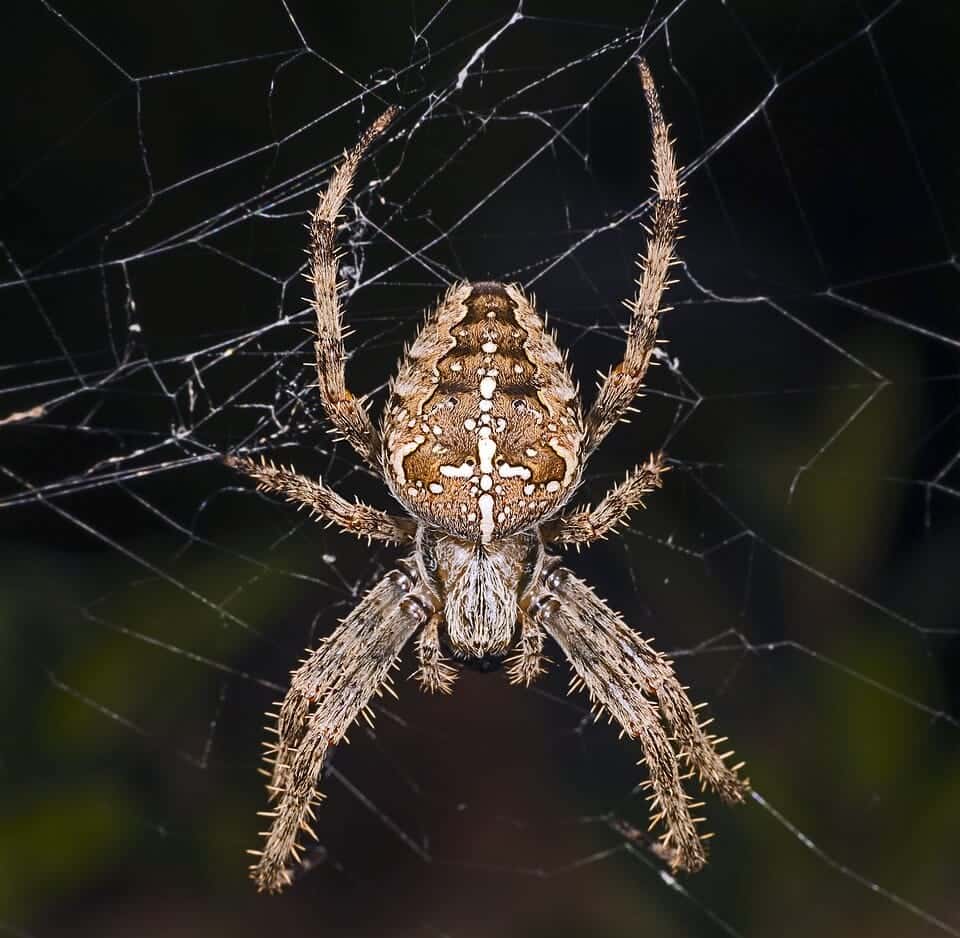
- Size and body shape — round and bulbous, long-legged and slender, or compact and stocky
- Color and markings — a distinctive hourglass, a violin shape, bold stripes, or spots
- Eyes — the arrangement of eyes is a key expert clue (visible in a close photo)
- Legs — long and spindly, thick and hairy, or held in a particular posture
Read the Web
The web is a big clue. A classic wheel-shaped orb web, a messy tangle in a corner, a funnel retreat, or no web at all (hunting spiders that roam) each point toward different families before you even look closely at the spider.
The Few Worth Caution
In North America, only a couple of groups warrant real care — widows (often marked with an hourglass) and recluses (with a violin-shaped mark). Even these are shy and bite only when trapped against skin. Learn to recognize the ones in your region, and give them room rather than a swat.
Identify From a Photo — No Need to Get Close
Spotter identifies spiders and other arachnids from a photo you can take from a comfortable distance, and tells you the species, whether it is of any medical concern, and its role in the ecosystem. It handles the insects, plants, and everything else nearby too.
Try Spotter free on iPhone or Android
Plants, animals, fungi and rocks from one photo. 5 free identifications every day, no card required.


Body shape, markings, and web will place most spiders quickly, and a photo settles the rest — usually with the happy news that the eight-legged visitor is entirely on your side. As always, this is an ID and learning tool, not medical advice; if you are ever bitten and feel unwell, seek care.