Wild berries are one of the great temptations of a summer walk — and one of the easiest ways to get into trouble. Some are delicious, some will make you sick, and a few are dangerous. Before anything else: never eat a wild berry based on an app, a website, or a hunch.
No app can make a berry safe to eat. Toxic berries can closely resemble edible ones, and identification for eating must be confirmed in person by a knowledgeable expert. Treat every wild berry as inedible until then.
What to Look At
- The plant, not just the berry — leaves, thorns, growth habit, and whether it is a vine, shrub, or tree
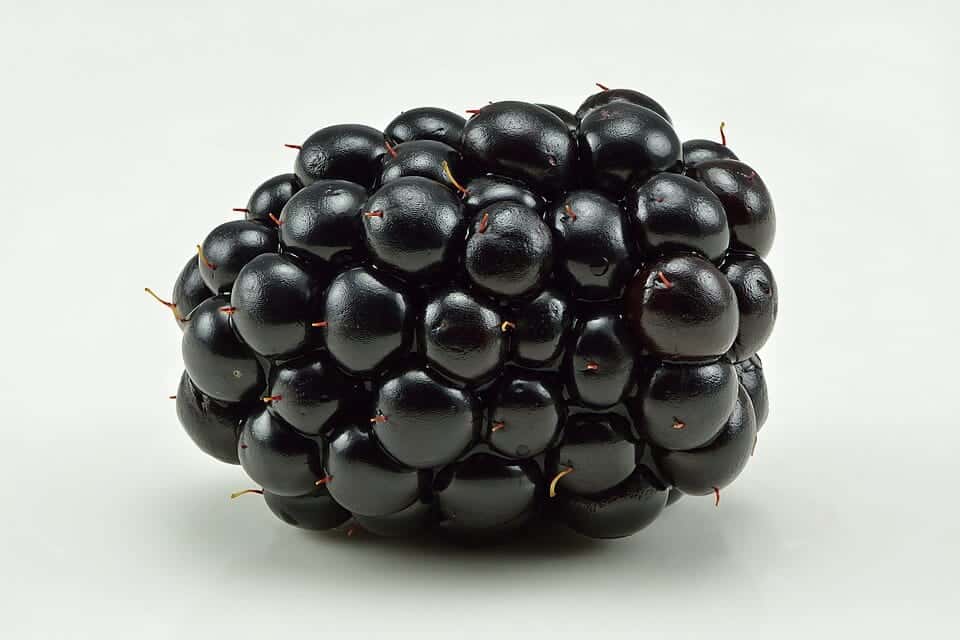
- Berry structure — a cluster, a single fruit, an aggregate like a raspberry, or a capsule
- Color and how it changes as it ripens
- Where it grows — woodland edge, wetland, roadside, or garden escape
Rules of Thumb Are Not Enough
You may have heard that white and yellow berries are risky while blue and black are safer. There is a grain of truth in it, but it fails often enough to be dangerous — some dark berries are toxic, and edibility depends on the exact species, not the color alone.
Use an App to Learn, Not to Decide
Spotter identifies berry-bearing plants from a photo and gives you the likely species along with prominent safety notes. It is a great way to learn what is growing around you and narrow the possibilities — but the decision to eat anything wild belongs to an expert standing beside you, never to a screen.
Try Spotter free on iPhone or Android
Plants, animals, fungi and rocks from one photo. 5 free identifications every day, no card required.


Identify all you like; the natural world is full of fascinating fruit. Just keep the rule bright and simple: learning is free, but eating waits for expert confirmation.