FG-0009 · Wild Berries · 5 species
Identifying Wild Berries of the Northeast USA
By Derek Gauger · Updated
Overview
From Maine's wild blueberry barrens to New Jersey's coastal bayberry thickets, the northeastern United States is rich in wild berries. Summer and fall bring a succession of fruits — serviceberries in June, wild blueberries in July, blackberries in August, and elderberries and wild grapes in September.
The Northeast also has strikingly colored toxic berries — baneberry, pokeweed, and nightshade among them. This guide is about recognition: learning the key features that distinguish each berry so you can confidently identify what you're looking at, including the species worth knowing so you can steer clear of them.
Key species to know
FG-0009.01
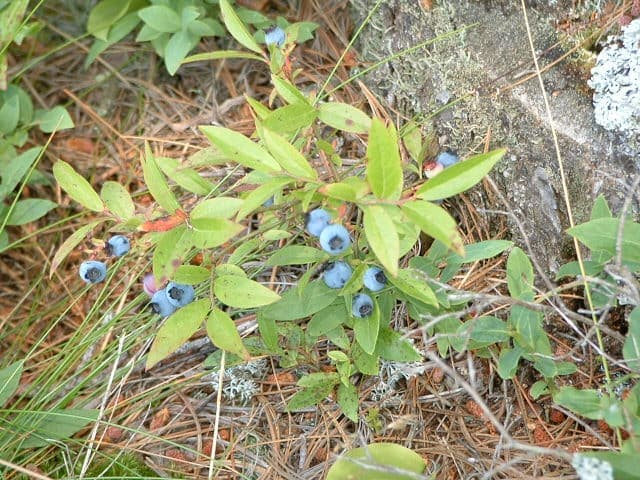
Wild Blueberry
Vaccinium angustifolium
July–August
Tiny blue berries on low-growing shrubs, each with a five-pointed star-shaped crown at the tip. Maine's barrens are famous for them. The star crown is a key identifying feature.
Habitat: Acidic, open areas — barrens, bogs, mountain summits, and forest edges.
FG-0009.02
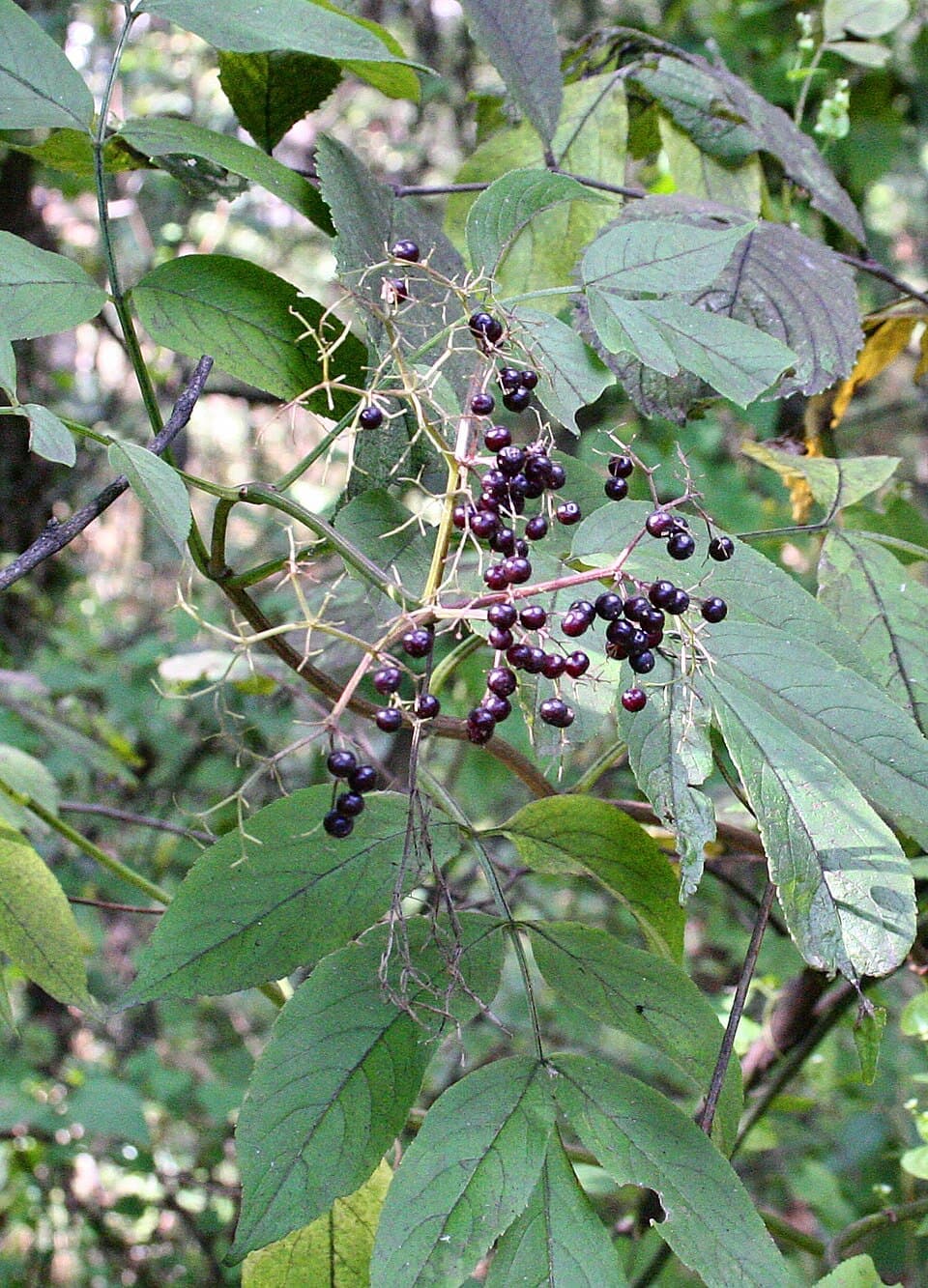
Elderberry
Sambucus canadensis
August–September
Dense, flat-topped clusters of tiny dark purple-black berries on a large shrub with compound leaves — a distinctive silhouette along roadsides and stream banks.
Habitat: Roadsides, forest edges, stream banks, and disturbed areas.
Note the flat-topped cluster shape; the red-berried elderberry (Sambucus racemosa) has a dome-shaped, pyramidal cluster instead.
FG-0009.03
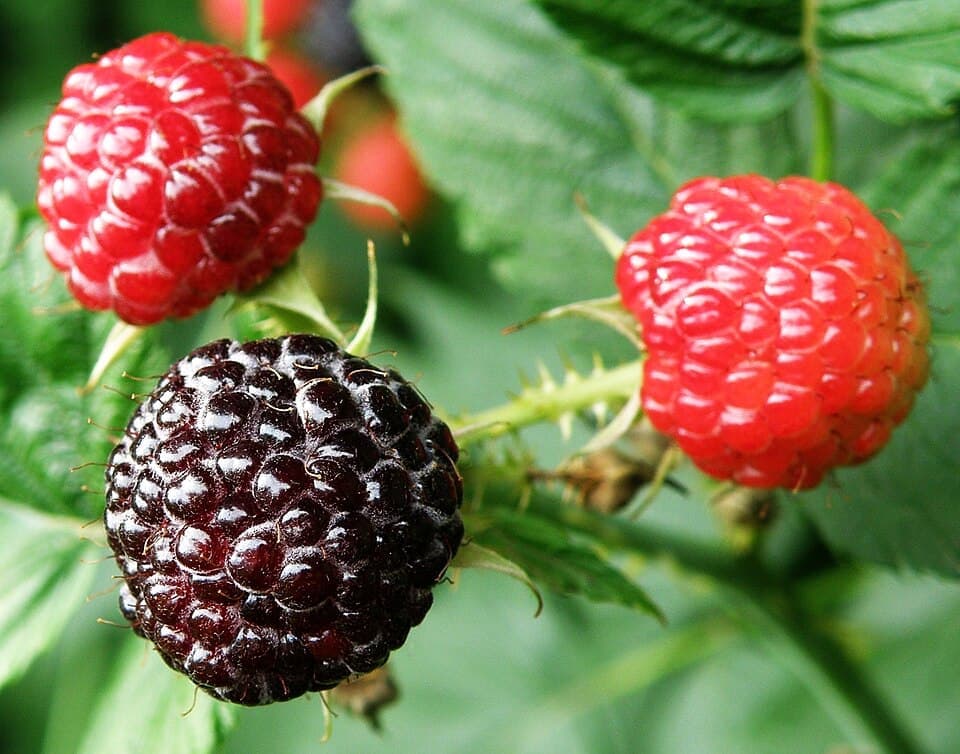
Wild Black Raspberry
Rubus occidentalis
June–July
Deep purple-black aggregate berries on arching canes with a distinctive whitish bloom on the stems and curved thorns. The powdery-white cane is a giveaway.
Habitat: Forest margins, old fields, roadsides, and forest clearings.
FG-0009.04
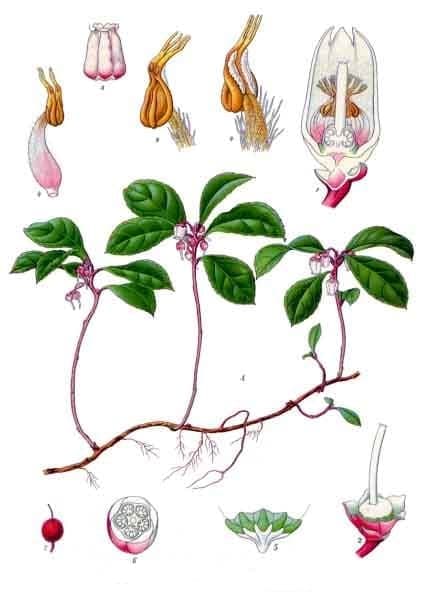
Wintergreen
Gaultheria procumbens
Berries persist through winter
A low, creeping evergreen with waxy dark green leaves and bright red berries. Crushed leaves give off a strong minty wintergreen scent — a reliable ID cue.
Habitat: Acidic forest floors under conifers; common in pine and oak forests.
FG-0009.05
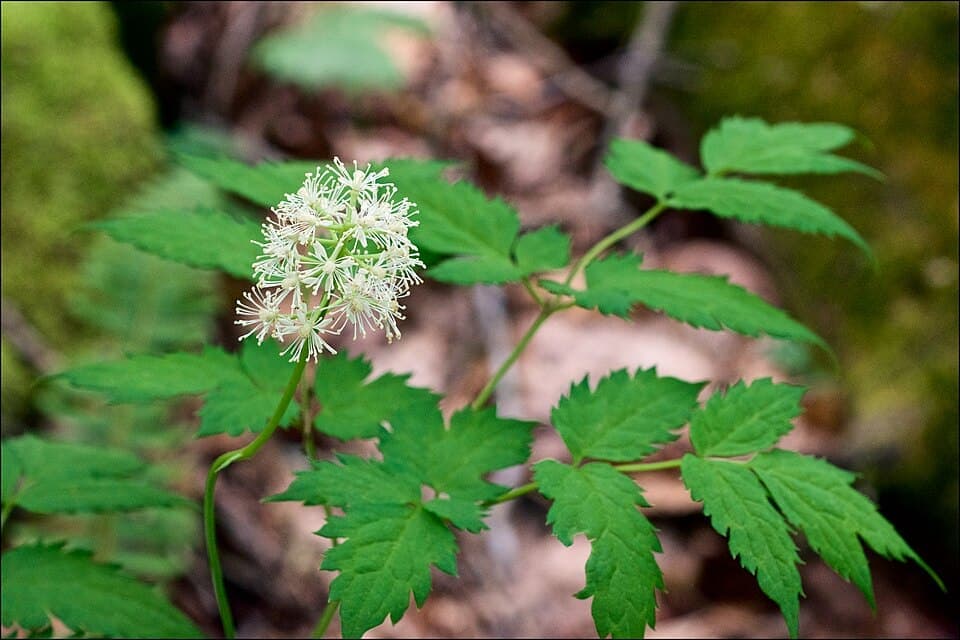
White Baneberry (Doll's Eyes)
Actaea pachypoda
ToxicAugust–October
White berries each marked with a single black dot, borne on a thick pink-red stalk — the unmistakable "doll's eye" look. One of the Northeast's most striking plants to learn.
Habitat: Rich, shaded deciduous forests throughout the Northeast.
Highly toxic — a species worth learning to recognize so you can avoid it. The white berry with a black dot on a swollen red stalk is diagnostic.
Through the seasons
- June: Serviceberries (Juneberries) ripen first — look for purple berries on open-grown trees.
- July: Wild blueberries are easiest to identify in Maine, NH, and mountain barrens.
- August: Black raspberries, blackberries, and early elderberry clusters appear.
- September–October: Wild grapes, crabapples, and remaining elderberry clusters.
Questions
- How do I tell wild blueberries apart from similar-looking berries?
- True blueberries have a five-pointed star-shaped crown at the base of each berry and grow in clusters on low shrubs. Lookalikes such as baneberry have a single black dot (not a star). Use the Spotter app to check the features of your find.
- How can I recognize wild grapes versus moonseed?
- Wild grapes (Vitis labrusca and V. riparia) can be distinguished from moonseed by their seeds — grapes have several D-shaped seeds while moonseed has a single crescent-shaped seed. Grape leaves and tendrils also differ. Use Spotter or a field guide to confirm the vine's leaf shape.
From Field Notes
- What Is the Shrub With Drooping Clusters of Tiny Dark Berries? Identifying Elderberry
- Is This Berry Safe to Eat? How to Identify Wild Berries
- What Is the Vine With Shiny Red Berries and Purple Star-Shaped Flowers? Identifying Bittersweet Nightshade
- What Is the Shrub Covered in Clusters of Electric-Purple Berries? Identifying American Beautyberry
Not sure what you found?
Take a photo with Spotter for the name, field marks, look-alikes and safety notes in seconds.


In this guide
- Species
- 5
- Region
- Northeast USA