
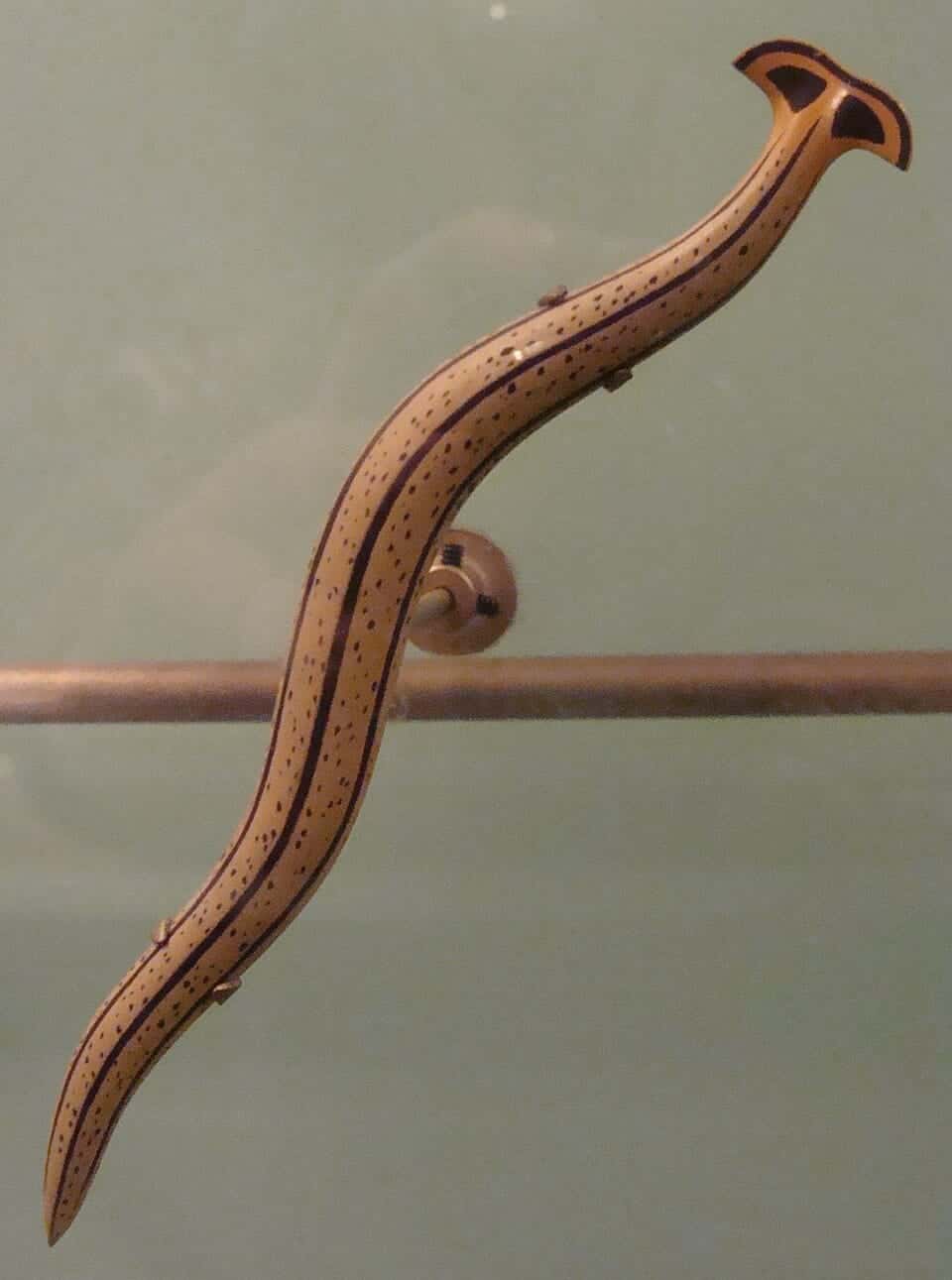
Hammerhead flatworms (genus Bipalium) are invasive land planarians from Asia that have spread through the warmer and greenhouse-connected parts of the United States. They are unsettling to see and prey on native earthworms. Here is how to recognize one — and why you should not chop it up.
How to Identify a Hammerhead Flatworm
- A distinctive flat, fan- or half-moon-shaped head, like a shovel or hammer
- A long, flat, ribbon-like body — often several inches, sometimes over a foot
- Tan to golden with one or more dark lengthwise stripes down the back
- A slimy surface; usually found in damp soil, under pots, or on wet ground after rain
Why It Matters
Hammerhead flatworms hunt and eat earthworms, which are vital for healthy soil, so large numbers can reduce local earthworm populations. They also produce a natural toxin (the same one found in pufferfish) in their skin, so it is best not to handle them with bare hands, and to keep pets from eating them.
What to Do
- Do NOT cut or chop it — flatworms can regenerate from pieces, turning one into many
- To remove one, wear gloves or use a tool, seal it in a bag with salt or vinegar, and dispose of it
- Wash your hands afterward and report sightings to local invasive-species programs
Found a strange striped worm with a shovel-shaped head? Photograph it and Spotter will confirm whether it is an invasive hammerhead flatworm and explain how to deal with it safely.
Try Spotter free on iPhone or Android
Plants, animals, fungi and rocks from one photo. 5 free identifications every day, no card required.