A few days ago your lawn looked healthy. Now there is a brown patch spreading across it, and it seems to be getting bigger by the hour — sometimes advancing across the grass in a rough line, leaving green on one side and chewed, ragged brown on the other, as if an invisible army were eating its way through the yard. That image is exactly right, and it is where the name comes from. If you kneel down at the edge of the damage early or late in the day and part the thinning grass, you may catch them in the act: dozens of small, striped caterpillars chewing the blades down to the crown. These are fall armyworms, one of the fastest-moving lawn pests of late summer, and a serious infestation can turn a lush lawn to brown stubble in two or three days. Here is how to identify them and their damage.
How to Identify Fall Armyworms
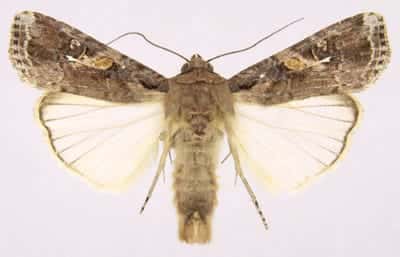
Fall armyworms are not really "worms" at all — they are the caterpillars of a night-flying moth, and they feed in large groups on grass and other low plants. Look for this combination of traits:
- The head mark: the classic giveaway is a pale, upside-down "Y" shape on the front of the dark head capsule — the single best feature for confirming a fall armyworm
- The stripes: a smooth-bodied caterpillar, up to about an inch and a half long, with lengthwise stripes running down the body and a row of dark, raised spots along each side
- The color: variable from green to brown to nearly black, so color alone is not reliable — go by the head mark and stripes instead
- The numbers: they feed in groups, so you rarely find just one; parting the grass at the edge of a damaged patch often reveals many at once
- The timing: most active from late summer into early fall, and most damaging in the cool of dawn and dusk, so midday searches often turn up little even when the lawn is crawling
A common way to bring them into the open is the soap-flush test: mix a couple of tablespoons of dish soap into a gallon or two of water and pour it slowly over a few square feet of grass at the edge of the damage. The irritant drives any armyworms (and other turf caterpillars) up to the surface within about ten minutes, so you can see how many you are dealing with. A yard full of striped, Y-headed caterpillars surfacing in the suds is your confirmation.
Try Spotter free on iPhone or Android
Plants, animals, fungi and rocks from one photo. 5 free identifications every day, no card required.


Armyworm Damage or Just Drought?
Late-summer lawns turn brown for plenty of harmless reasons — heat, drought, and dormancy chief among them — so it is worth telling insect damage apart from ordinary stress before you worry. A few clues point to armyworms rather than dry weather:
- Speed: drought browning creeps in over weeks; armyworm damage can expand dramatically in just a day or two, sometimes visibly advancing across the lawn
- The blades: armyworm-eaten grass looks chewed, ragged, and stripped down close to the ground, rather than evenly tan and intact like drought-dormant turf
- The caterpillars: pulling back the grass at the edge of a fresh patch reveals the striped caterpillars themselves, or the green pellets of their droppings
- The birds: flocks of starlings, grackles, or other birds suddenly working a patch of lawn hard are often feasting on a hidden armyworm outbreak
- The pattern: armyworm damage often starts at a lawn edge or a well-watered green area and spreads, since the caterpillars march toward the freshest grass
The good news is that established, healthy lawns often recover once the caterpillars finish feeding and pupate, especially with watering — though newly laid sod or already-stressed turf can be killed outright. If you confirm an active infestation and want to intervene, your regional cooperative extension service is the best source for current, locally appropriate control advice.
Not Just Lawns
Fall armyworms feed on far more than turfgrass. They are a major agricultural pest of corn, sorghum, and other crops, and in gardens they will attack vegetables and ornamentals when populations are high. So if you find matching striped, Y-headed caterpillars stripping plants in the vegetable bed as well as thinning the lawn, it may be the same insect on the move. Correctly identifying the caterpillar is the first step to knowing whether you are looking at a fleeting nuisance or an outbreak worth acting on.
Found small striped caterpillars in a fast-spreading brown patch and not sure what they are? Snap a clear photo — ideally showing the head and the stripes — and let Spotter help you identify it as a starting point, so you know whether fall armyworms are behind your vanishing lawn.
Try Spotter free on iPhone or Android
Plants, animals, fungi and rocks from one photo. 5 free identifications every day, no card required.