Bird identification feels like magic when you watch an experienced birder do it, but it comes down to a repeatable set of questions. Experienced birders call the overall impression a bird gives its shape, size, and movement its jizz, and they read it in seconds. Here is how to build that skill.
Size and Shape Before Color
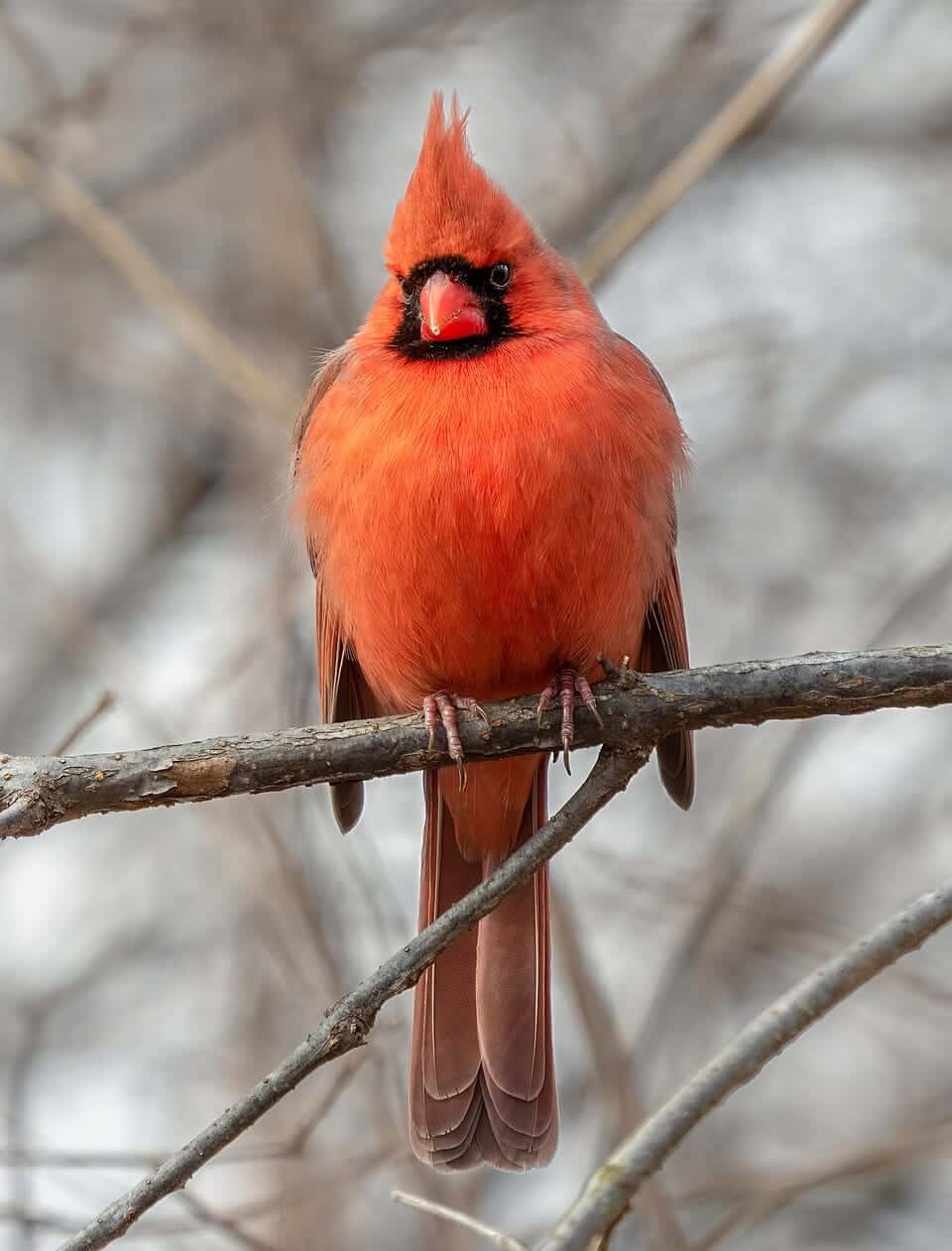
Beginners reach for color first, but size and shape are more reliable because color changes with light, season, and age. Compare the bird to ones you know: is it sparrow-sized, robin-sized, or crow-sized? Then note the silhouette — a chunky body, a long tail, a hooked beak, long legs.
Read the Beak
- Short and conical — a seed-eater like a finch or sparrow
- Thin and pointed — an insect-eater like a warbler
- Hooked — a raptor or shrike
- Long and probing — a shorebird or hummingbird
Watch the Behavior and Habitat
How a bird moves is a fingerprint. Does it creep up a tree trunk, hover, bob its tail, or hop across the lawn? And where is it — open water, deep woods, a marsh, a feeder? A duck-shaped bird in a pond and a hawk-shaped bird over a field have already told you most of the story.
Note the Field Marks
Finally, the details: wing bars, an eye ring, a streaked breast, a colored patch. These are the marks a field guide uses to separate similar species, so they are worth a careful look — or a quick photo.
When It Will Not Hold Still: Use a Photo
Birds rarely pose. Get whatever photo you can and let Spotter identify it — you will get the species, its habitat and behavior, its regional range, and reference photos so you learn the field marks for next time. Spotter also identifies the mammals, insects, plants, and fungi you meet on the same walk, so you are not juggling a different app for every creature.
Try Spotter free on iPhone or Android
Plants, animals, fungi and rocks from one photo. 5 free identifications every day, no card required.


Start with size and shape, layer in beak, behavior, and field marks, and you will be naming backyard birds in a week. A photo covers the ones that flit off before you can look twice.