FG-0003 · Wildlife · 5 species
Identifying Common Birds of Florida
By Derek Gauger · Updated
Overview
Florida is one of the best birding states in the country, with resident wading birds, coastal species, and a flood of winter migrants. Its wetlands, coasts, and suburbs put a remarkable variety of birds within easy reach.
This guide covers common and iconic Florida birds — the field marks that identify them, their habitats, and where to look. Pair it with a photo and the app to confirm any bird you spot.
Key species to know
FG-0003.01
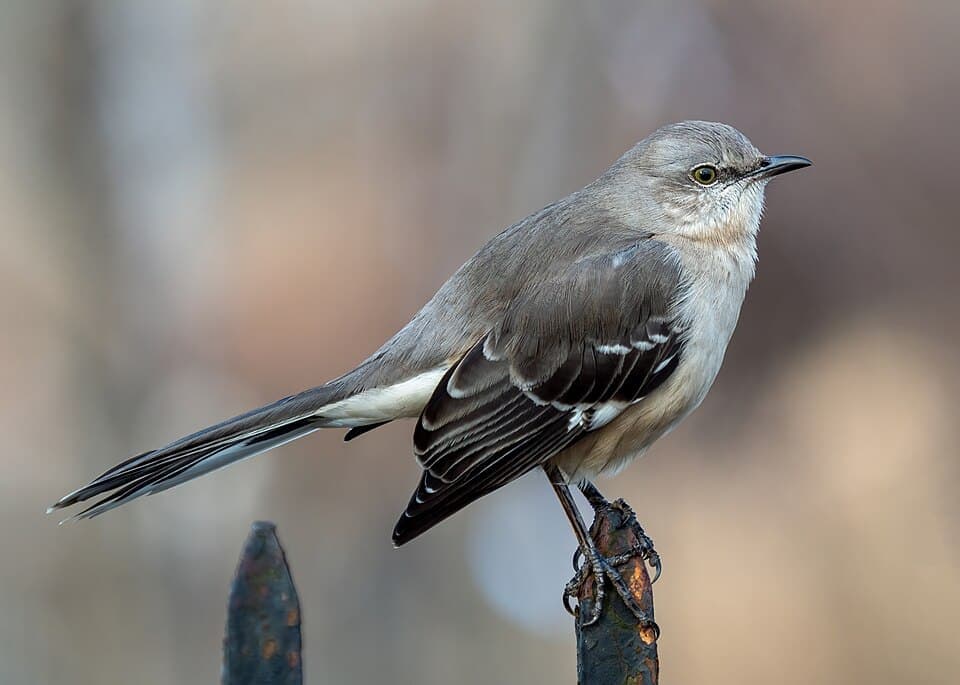
Northern Mockingbird
Mimus polyglottos
Florida's state bird — gray above, pale below, with bold white wing patches that flash in flight. Famous for tirelessly mimicking other birds' songs.
Habitat: Suburbs, parks, and open areas statewide.
FG-0003.02
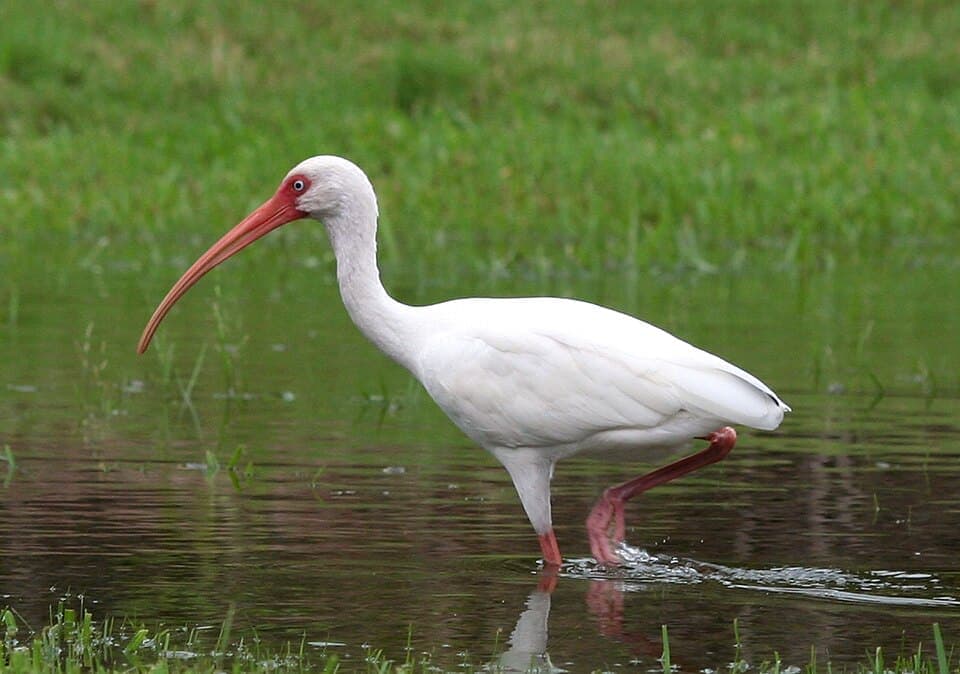
White Ibis
Eudocimus albus
An all-white wading bird with a long, down-curved orange bill and orange legs; black wingtips show in flight. Often forages in flocks on lawns and wetlands.
Habitat: Marshes, mudflats, lawns, and parks near water.
FG-0003.03
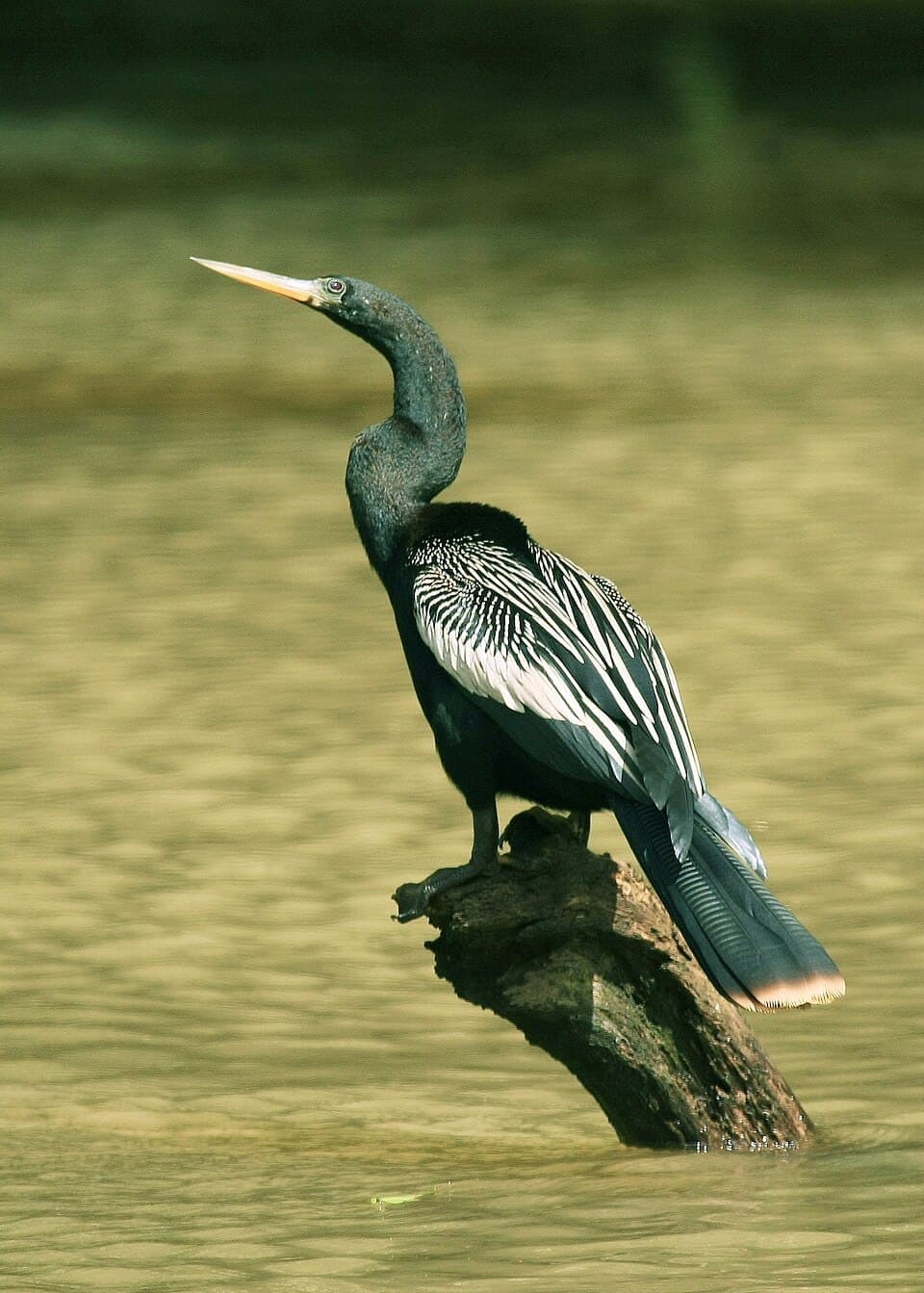
Anhinga
Anhinga anhinga
A slender, dagger-billed waterbird often seen perched with wings spread to dry, or swimming with only its snakelike neck above water — hence the nickname "snakebird."
Habitat: Freshwater lakes, ponds, and slow rivers.
FG-0003.04
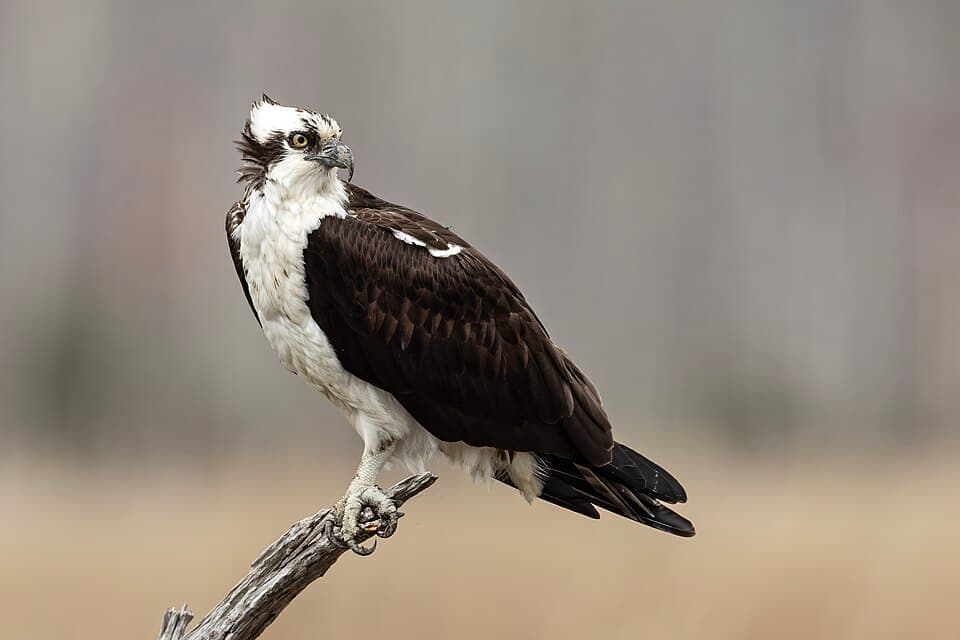
Osprey
Pandion haliaetus
A large fish-eating raptor, brown above and white below with a dark eye-stripe, often seen hovering over water or nesting on poles and channel markers.
Habitat: Coasts, lakes, and rivers throughout Florida.
FG-0003.05
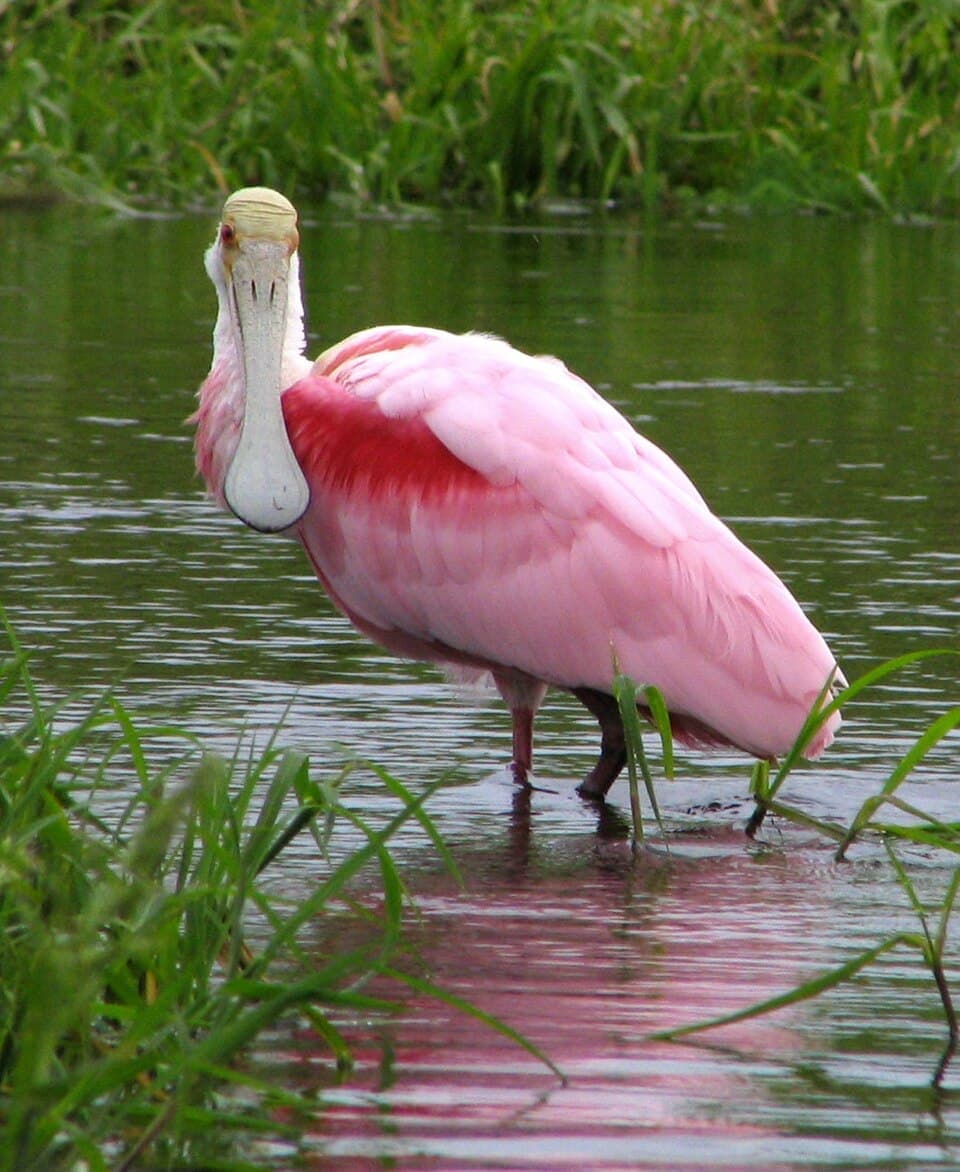
Roseate Spoonbill
Platalea ajaja
Unmistakable pink wading bird with a broad, flat spoon-shaped bill it sweeps through shallow water. A showstopper of Florida wetlands.
Habitat: Coastal marshes, mangroves, and shallow estuaries.
Through the seasons
- Winter (November to March) brings the greatest variety as northern migrants arrive.
- Early morning is the most active time for feeding and song.
- Wetland boardwalks and coastal parks offer the easiest close views of wading birds.
Questions
- What is the state bird of Florida?
- The northern mockingbird is Florida's state bird — a gray songbird known for mimicking the calls of other birds.
- How can I identify a bird I saw in Florida?
- Note its size, shape, and field marks, then take a photo and use an app like Spotter to identify the species along with its habitat and range.
From Field Notes
Not sure what you found?
Take a photo with Spotter for the name, field marks, look-alikes and safety notes in seconds.


In this guide
- Species
- 5
- Region
- Florida