FG-0021 · Wildlife · 6 species
Identifying Common Birds of Texas
By Derek Gauger · Updated
Overview
Texas records more bird species than any other U.S. state — over 650 — thanks to its size and its position on major migration corridors. From Gulf coast marshes to Hill Country oaks to West Texas desert, there is remarkable variety within reach.
This guide covers common and iconic Texas birds — the field marks that identify them, their habitats, and where to look. Pair it with a photo and the app to confirm any bird you spot.
Key species to know
FG-0021.01
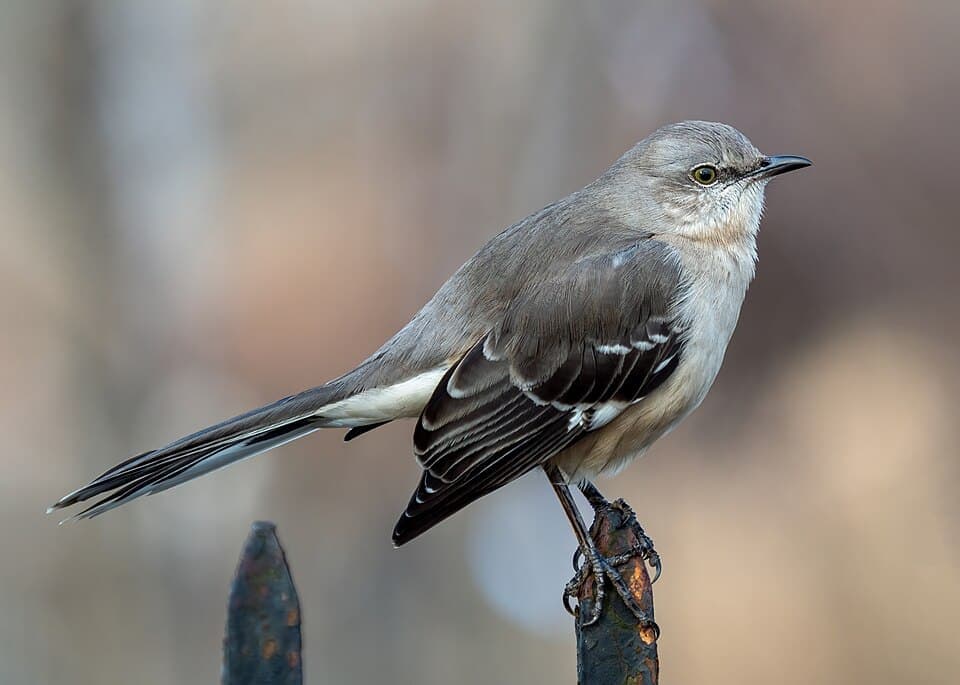
Northern Mockingbird
Mimus polyglottos
Texas's state bird — gray above, pale below, with bold white wing patches that flash in flight. Famous for tirelessly mimicking other birds' songs, day and night.
Habitat: Suburbs, parks, brush, and open areas statewide.
FG-0021.02
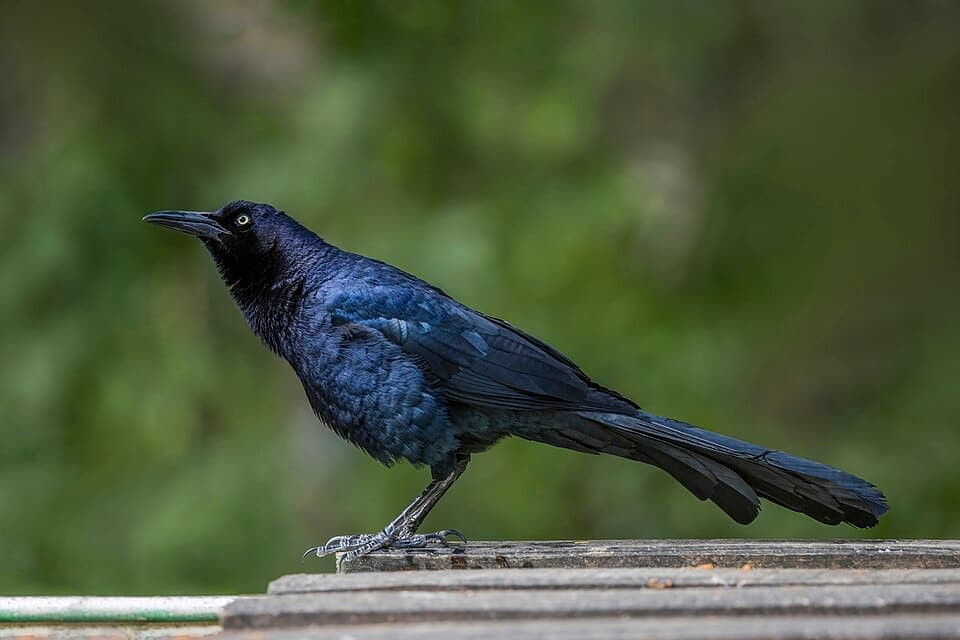
Great-tailed Grackle
Quiscalus mexicanus
A large, glossy blackbird with a very long, keel-shaped tail and pale eyes; males are iridescent purple-black. Loud and social, forming big flocks in parking lots and city squares.
Habitat: Urban areas, farmland, and wetlands throughout Texas.
FG-0021.03
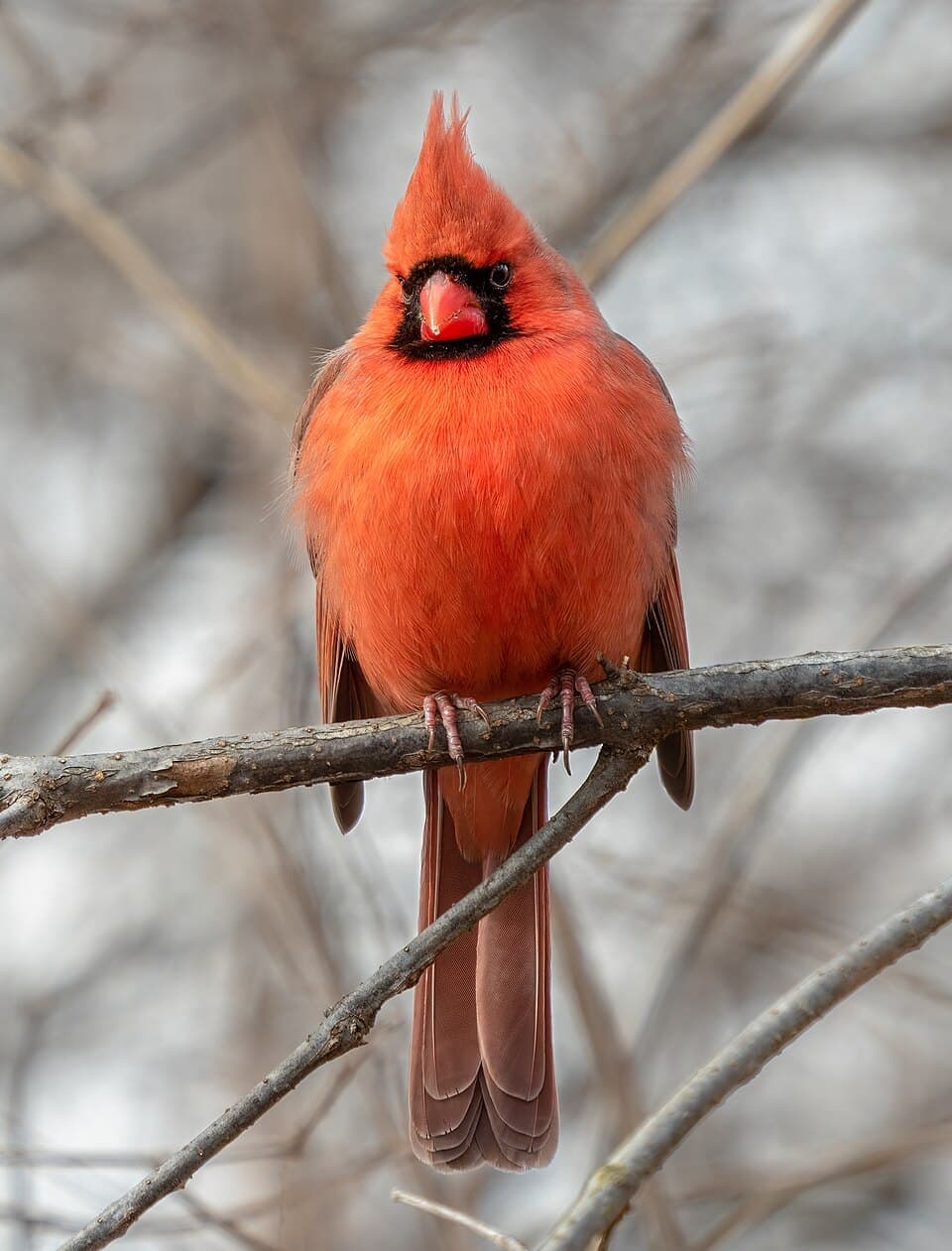
Northern Cardinal
Cardinalis cardinalis
A familiar crested songbird — males brilliant red with a black face, females warm buff with red highlights. A common, year-round backyard visitor with a clear whistled song.
Habitat: Woodland edges, gardens, and thickets statewide.
FG-0021.04
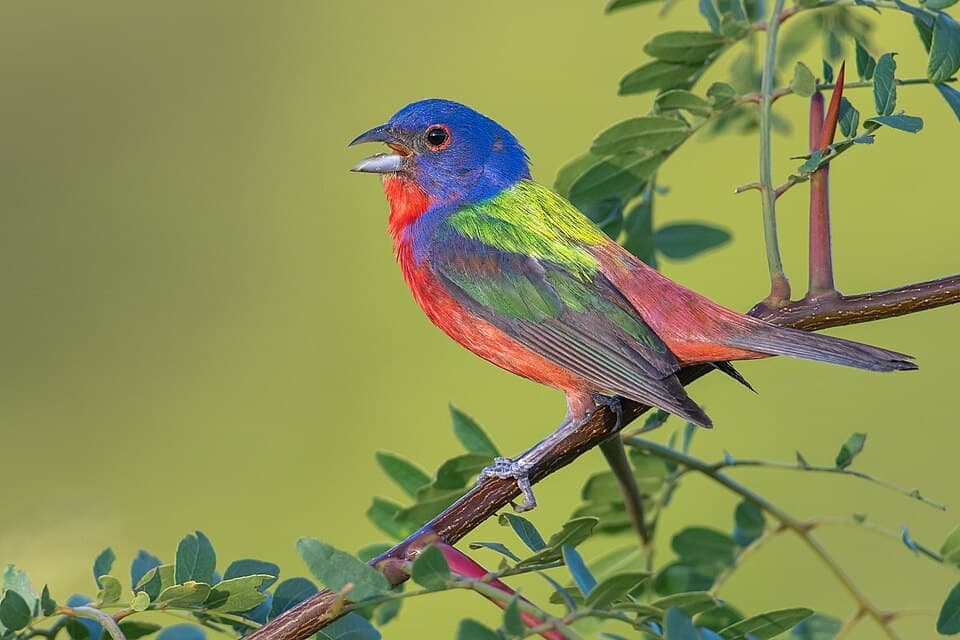
Painted Bunting
Passerina ciris
One of North America's most colorful birds — the male a jewel-like mix of blue head, red underparts, and green back; females are bright yellow-green. Shy and often heard before seen.
Habitat: Brushy edges, thickets, and woodland openings, mainly in spring and summer.
FG-0021.05
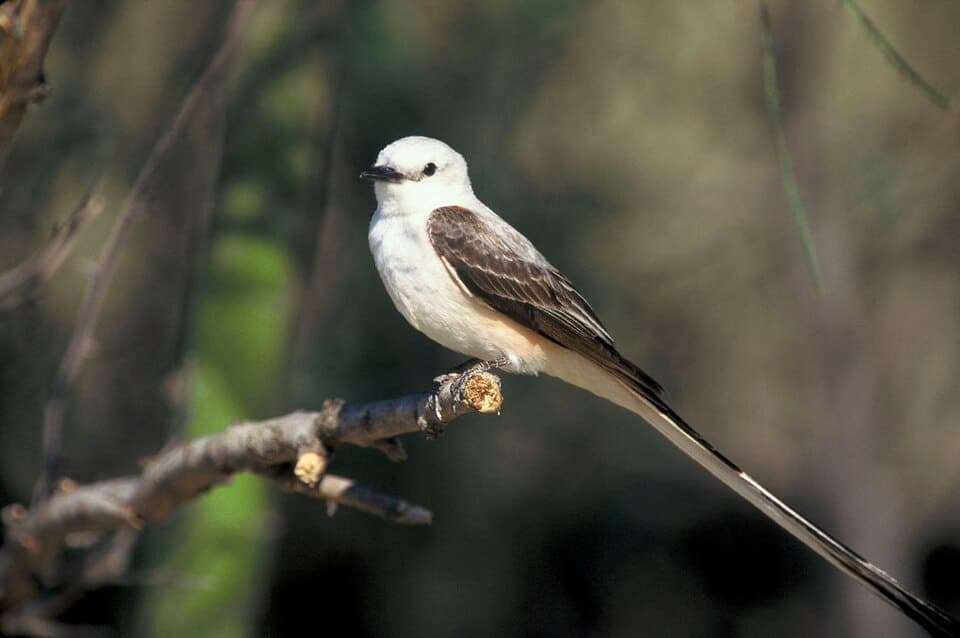
Scissor-tailed Flycatcher
Tyrannus forficatus
A pale gray flycatcher with salmon-pink flanks and an extraordinarily long, forked tail it opens like scissors in flight. A signature bird of Texas summers, often perched on fences and wires.
Habitat: Open country, ranchland, and roadsides across much of the state.
FG-0021.06
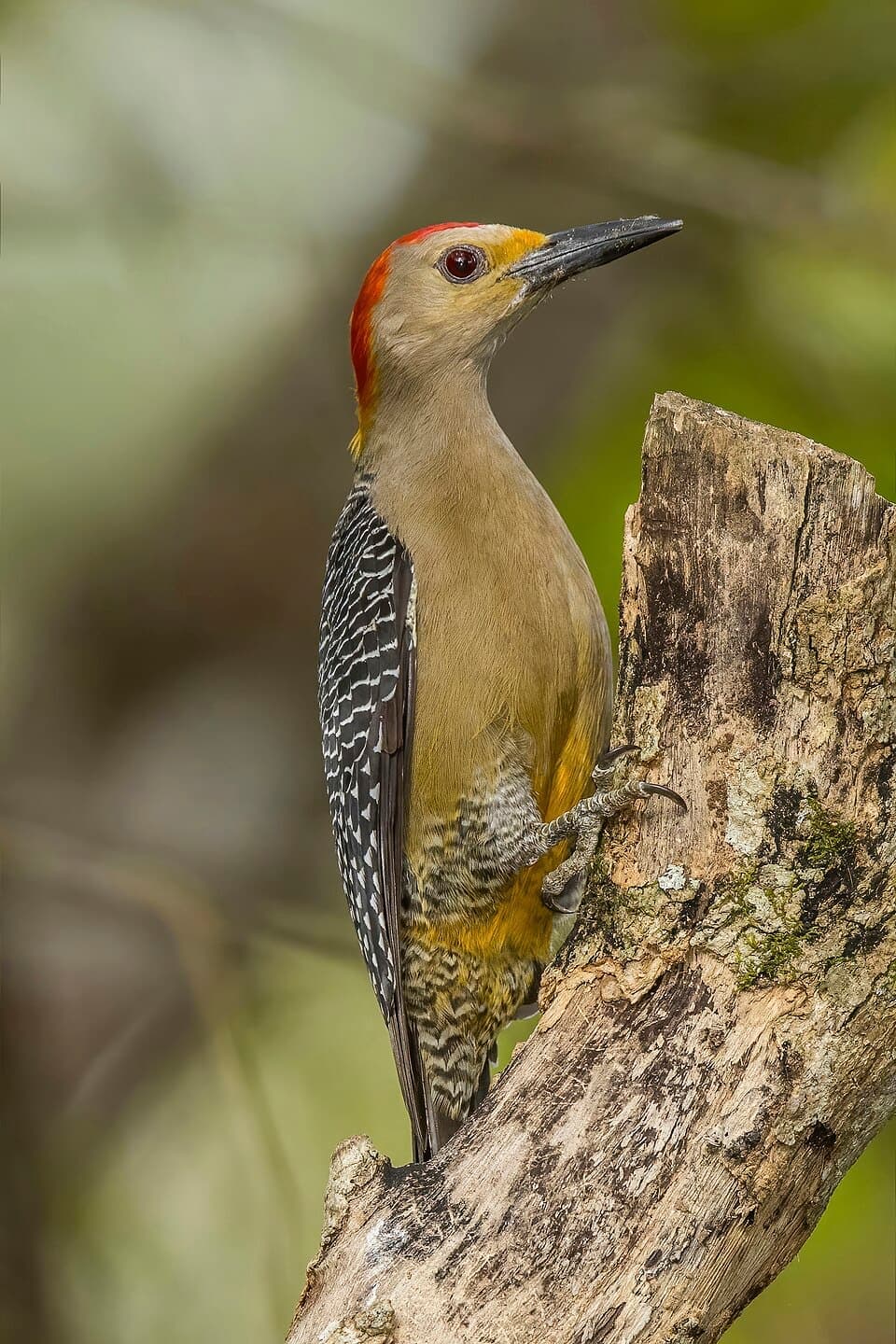
Golden-fronted Woodpecker
Melanerpes aurifrons
A barred black-and-white woodpecker with a golden nape and (in males) a red crown patch. A characteristic bird of central and south Texas, replacing the red-bellied woodpecker of the east.
Habitat: Mesquite brush, riverside woods, and towns in central and southern Texas.
Through the seasons
- Spring and fall migration bring huge waves of songbirds through the Gulf coast and Hill Country.
- Early morning is the most active time for feeding and song.
- Coastal refuges, state parks, and the Rio Grande Valley offer the greatest variety anywhere in the U.S.
Questions
- What is the state bird of Texas?
- The northern mockingbird is the state bird of Texas — a gray songbird known for mimicking the calls of other birds.
- How can I identify a bird I saw in Texas?
- Note its size, shape, and field marks, then take a photo and use an app like Spotter to identify the species along with its habitat and range.
From Field Notes
Not sure what you found?
Take a photo with Spotter for the name, field marks, look-alikes and safety notes in seconds.


In this guide
- Species
- 6
- Region
- Texas