
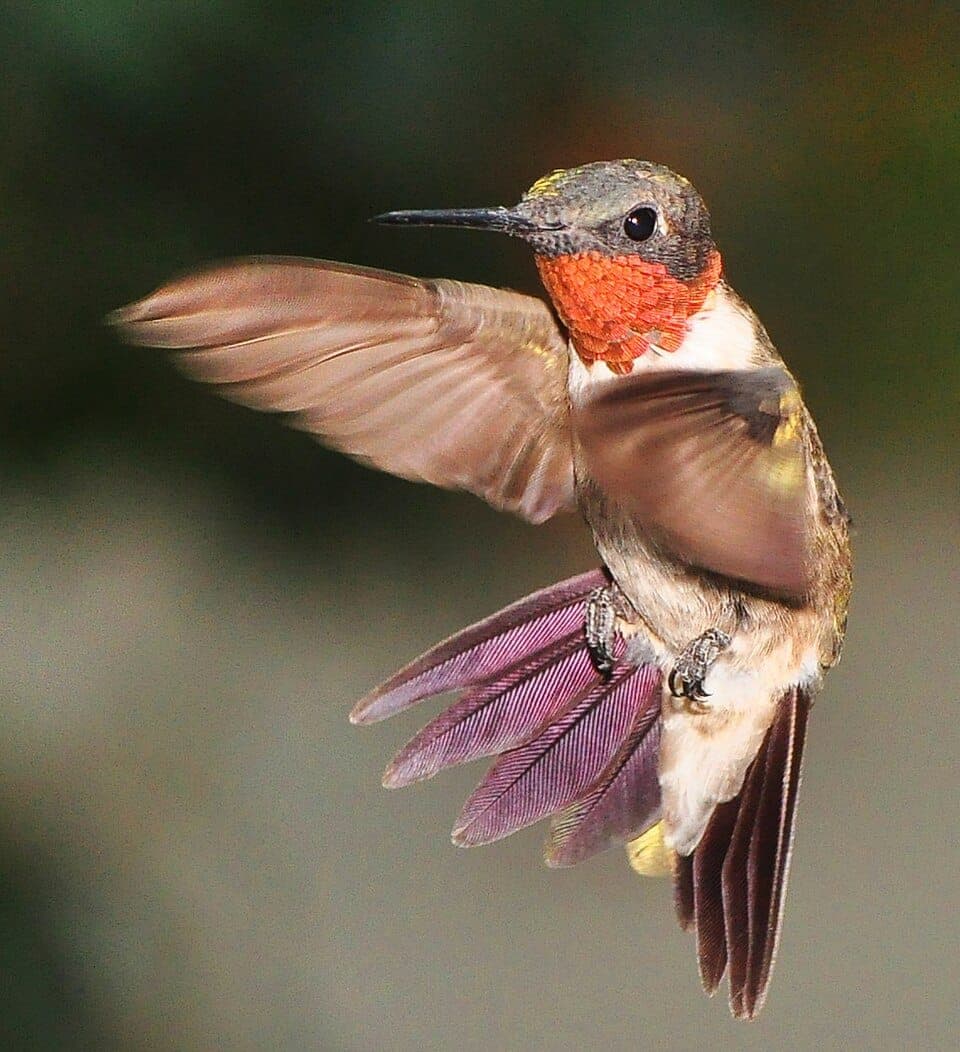
For much of the summer the hummingbird feeder is the busiest spot in the yard — a blur of ruby-throated hummingbirds squabbling, hovering, and chasing each other off the port. Then, somewhere in late August, one of two things happens. Either the regulars seem to disappear almost overnight, leaving the feeder quiet, or suddenly there are more hummingbirds than you have ever seen at once, none of which look familiar. People often worry they did something wrong, or that a hawk moved in. In almost every case the answer is the same and far more amazing: fall migration has begun.
Why the Feeder Suddenly Changes in Late Summer
Ruby-throated hummingbirds — the species most of the eastern U.S. hosts — spend the summer breeding, then head south to Mexico and Central America for the winter, many crossing the Gulf of Mexico in a single nonstop flight. That is an astonishing trip for a bird that weighs about as much as a penny, and it is driven mostly by shortening day length, not temperature. Here is the sequence people notice at the feeder:
- Adult males leave first, often starting to slip south in mid-to-late summer while everything still feels like peak season
- Adult females and this year’s juveniles follow through late August and September, refueling heavily along the way
- The "strangers" at your feeder in late summer are migrants from farther north passing through, not your summer birds — which is why numbers can spike even as your regulars depart
- By October most ruby-throateds have moved on across much of their range, with stragglers lingering later in the South
So a feeder that empties out and a feeder that suddenly overflows are two sides of the same event. Your local birds are heading out, and northern travelers are dropping in to eat and move on.
Try Spotter Free on iOS & Android
Plants, animals, fungi, and rocks — all from a photo. 5 free identifications every day, no credit card required.
Should I Take My Feeder Down So They Leave?
This is the most common worry, and the answer is no — a feeder does not convince a healthy hummingbird to skip migration. The urge to fly south is triggered by daylight and hormones, not by the availability of food. In fact, a clean, full feeder is a lifeline for birds burning enormous energy on a long trip. The usual advice is to keep your feeder up for a couple of weeks after you see your last hummingbird, so any late-passing migrant has somewhere to refuel. Keep the nectar fresh (a simple 4-parts-water-to-1-part-white-sugar mix, no dye), and change it every few days in warm weather so it does not ferment or grow mold.
Is That Late Hummingbird Something Unusual?
Most fall hummingbirds are ruby-throateds in fresh, subtle plumage — juveniles and females can look plain green with a pale throat, without the flashing red gorget of an adult male, which is why they seem like different birds. But late fall is also when the occasional western wanderer, like a rufous hummingbird, turns up far east of its normal range, so a hummingbird visiting well into cold weather can genuinely be worth a closer look. If a straggler shows warm, coppery-orange tones on its sides and tail rather than clean green, you may be seeing something less common than your summer regulars.
Wondering whether that late-season visitor is a young ruby-throated or a rarer western stray? Snap a photo and let Spotter identify the bird, so you can tell an ordinary migrant from a genuine backyard surprise before it moves on.
Try Spotter Free on iOS & Android
Plants, animals, fungi, and rocks — all from a photo. 5 free identifications every day, no credit card required.