For most of the summer you barely noticed them. Then, seemingly overnight around the end of August, the wasps take over every meal outdoors — hovering over the burger, crawling into an open soda can, mobbing the trash can and the fallen apples under the tree, and stinging at what feels like the slightest excuse. It is one of the most common late-season nature complaints there is, and it is not just bad luck: yellowjackets genuinely do become more numerous, bolder, and quicker to sting as summer winds down into fall. The shift is written into the life cycle of the colony, and once you understand it, both the behavior and how to avoid the stings make a lot more sense. Here is what is happening and how to get through the last weeks of the season in peace.
First, Is It Actually a Yellowjacket?
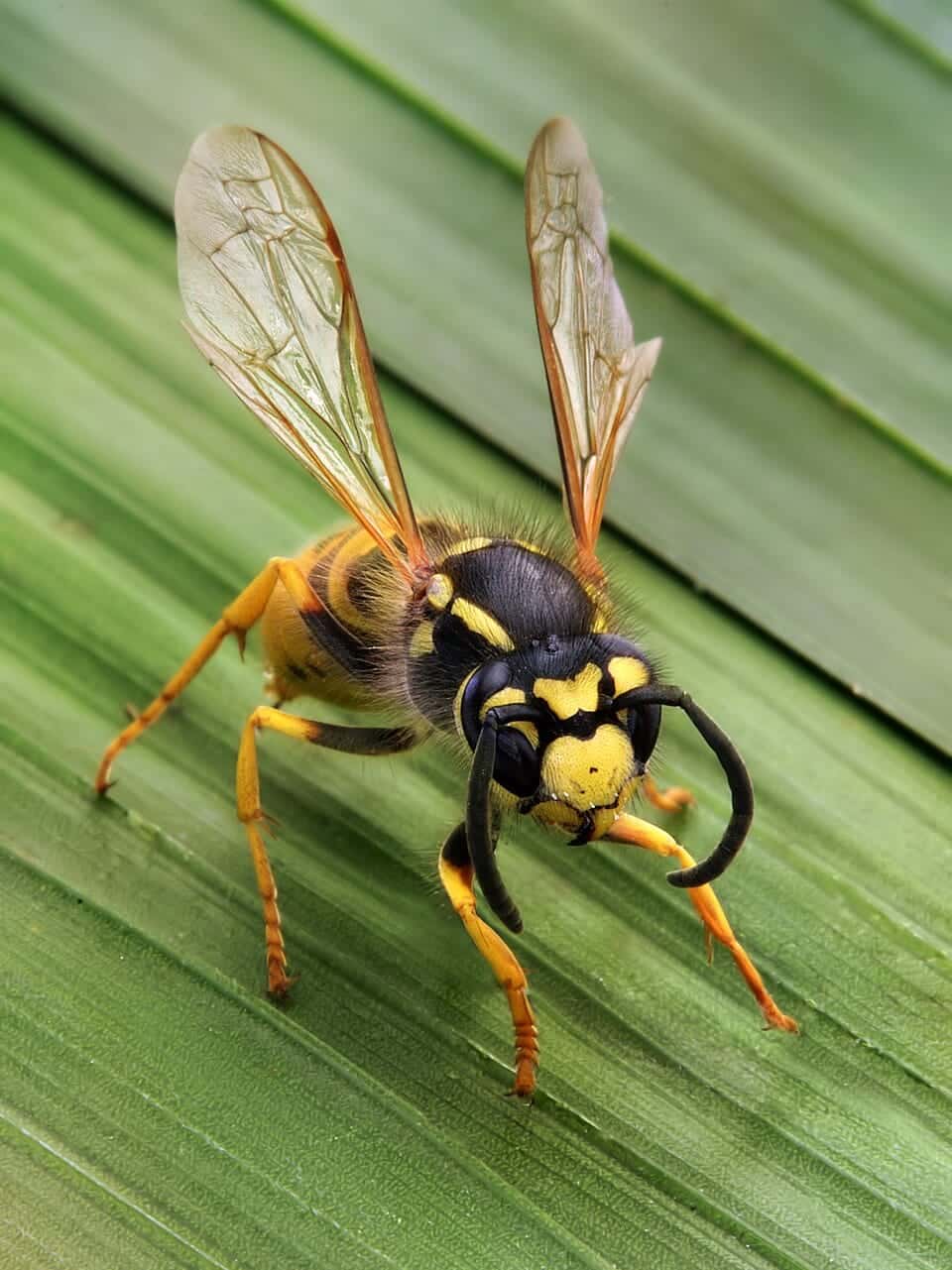
Not every black-and-yellow insect at the picnic is a yellowjacket, and the distinction matters because yellowjackets are the ones most likely to sting over food. A few marks help:
- The look: a compact wasp about half an inch long with a smooth (not fuzzy) body and crisp black-and-yellow banding, a narrow waist, and legs tucked close in flight rather than dangling
- The attitude toward food: yellowjackets are the classic scavengers that zero in on meat, sweets, soda, and garbage — a wasp working your plate or drink is very likely one of them
- Not a honey bee: honey bees are furry, amber-brown, and interested in flowers, not your lunch, and they are far more reluctant to sting
- Not a paper wasp: paper wasps are more slender with long trailing legs and hang their open, umbrella-shaped combs under eaves, and are far less aggressive at the table
- The nest: many yellowjackets nest underground or in wall voids and cavities, so a steady stream of wasps disappearing into a hole in the lawn or a gap in the siding is a telltale sign
If you want to walk through wasps, hornets, and yellowjackets side by side, our guide on how to tell wasps, yellowjackets, and hornets apart covers the whole cast. For the late-summer food-stealing troublemaker, though, the yellowjacket is almost always the answer.
Try Spotter free on iPhone or Android
Plants, animals, fungi and rocks from one photo. 5 free identifications every day, no card required.


Why They Turn Aggressive in Late Summer
A yellowjacket colony spends the spring and early summer growing. A single overwintered queen starts the nest, and through the warm months the workers raise wave after wave of young, so that by August an established colony can hold hundreds to several thousand wasps — the largest it will ever be. That population peak alone means more wasps in the air and more chances to cross paths with one. But the bigger driver is a change in what they eat. For most of the season, worker yellowjackets are hunters, catching caterpillars, flies, and other insects to feed the growing larvae back in the nest — and in return the larvae secrete a sugary liquid that feeds the adult workers. By late summer the queen stops laying worker eggs and shifts to producing next year’s queens and males, so the brood dwindles and that in-nest sugar supply dries up. At the same time, the insect prey they hunted all summer is thinning out. The result is a huge population of hungry adult workers with their usual food sources gone, forced to scavenge for sugar and protein out in the world — which is exactly why they suddenly descend on your picnic, your drink, and the fruit rotting under the tree. Add that they are fiercely defensive of the big nest they have built, and you get wasps that are both everywhere and short-tempered.
How to Avoid Getting Stung
Because the wasps are drawn by food and smell, most late-season stings are avoidable with a few habits. Keep food and especially sweet drinks covered when you eat outside, and never drink from an open can you have set down — a yellowjacket crawling inside is a classic cause of stings to the mouth and throat, which are the ones that can turn serious. Clean up spills and scraps promptly, keep trash cans tightly lidded, and pick up fallen fruit under trees. When a wasp investigates you, stay calm and still or move away slowly; swatting and flailing are far more likely to trigger a sting than gentle avoidance, because a crushed or threatened yellowjacket releases an alarm scent that can rally others. Skip heavy perfumes and sweet-smelling lotions at the cookout, and be especially careful mowing or gardening in late summer, since bumping a hidden underground nest can bring the whole colony out at once. Remember that unlike a honey bee, a yellowjacket can sting repeatedly, so a disturbed nest is genuinely worth backing away from. Most stings cause only brief pain and swelling, but if you have a known allergy or develop symptoms like widespread hives, swelling of the face or throat, or trouble breathing, treat it as an emergency and seek medical help right away.
Do You Need to Do Anything About Them?
For all their bad autumn manners, yellowjackets are not villains: through the summer they are important predators that quietly remove huge numbers of caterpillars, flies, and other pest insects from gardens and yards, and they help pollinate as they visit flowers. There is also a natural deadline built in. The whole colony is annual — after producing next year’s queens and males, it collapses with the first hard frosts of fall, and only the newly mated young queens survive, hiding away alone to overwinter and start fresh nests next spring. The nest itself is not reused. That means a nest tucked away in a far corner of the yard can often simply be left alone to die out on its own within a few weeks. The nests worth dealing with are the ones in high-traffic spots — beside a door, in a lawn you have to mow, or in a wall of the house — where the risk of an accidental run-in is high. Those are best handled carefully and, for a large or hard-to-reach underground or in-wall nest, are often a job for a professional rather than a can of spray at dusk. Never seal a wall-void nest from the outside, which can drive the wasps indoors.
Not sure whether the insects crashing your cookout are yellowjackets, paper wasps, or honey bees? Snap a photo from a safe distance and let Spotter help you identify it as a starting point, so you know what you are dealing with before you decide whether to wait it out or call for help.
Try Spotter free on iPhone or Android
Plants, animals, fungi and rocks from one photo. 5 free identifications every day, no card required.