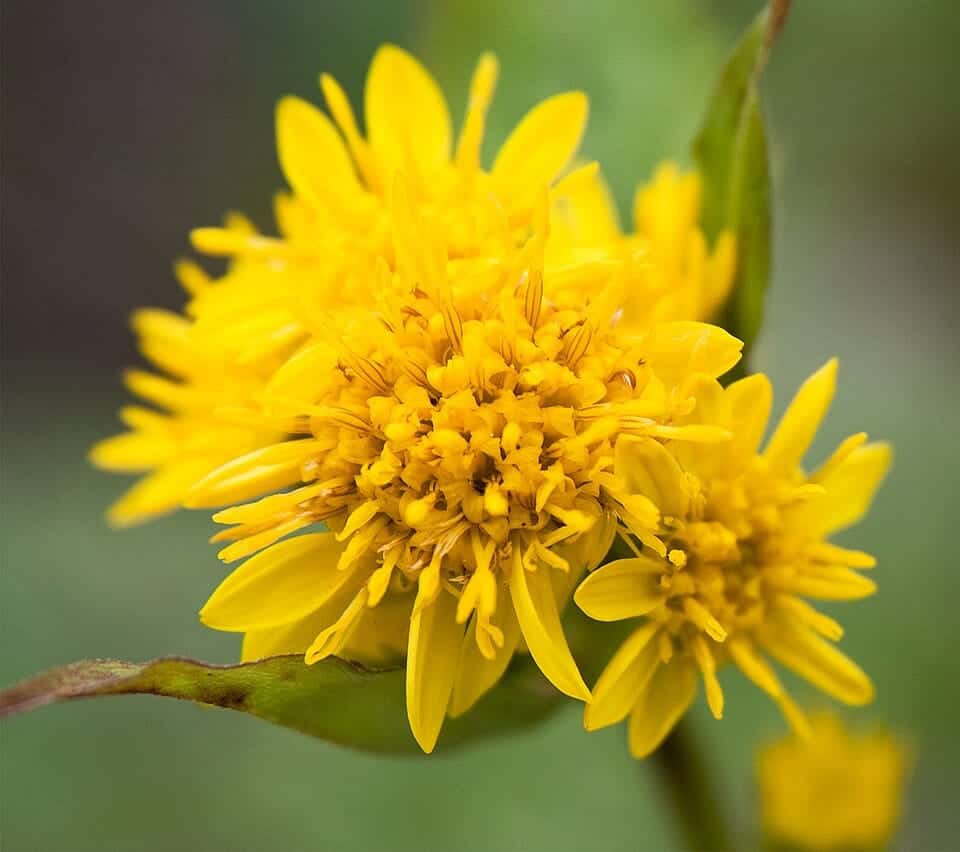
Every year as summer winds down, the same plant takes the blame for a wave of sneezing and itchy eyes: goldenrod, whose brilliant yellow plumes light up roadsides and fields in August and September. It is one of the most persistent cases of mistaken identity in the plant world. The actual cause of late-summer hay fever is almost always ragweed — a plain, greenish plant blooming at the same time, right next to the goldenrod, that hardly anyone notices.
Why Goldenrod Gets Blamed (and Why It Is Innocent)
The confusion comes down to timing and visibility. Goldenrod and ragweed bloom at the same time and often grow in the same disturbed fields and roadsides. Goldenrod is showy and obvious, so when your allergies flare and you look around for a culprit, its bright flowers are what you see. But goldenrod is insect-pollinated: its pollen is heavy, sticky, and carried by bees and other insects, not the wind. It rarely gets into the air in quantity, so it is a minor allergen at most.
Ragweed is the opposite. Its flowers are small, green, and easy to overlook, and it is wind-pollinated — a single plant can release a billion grains of lightweight pollen that travel for miles on the breeze. That airborne pollen is what triggers the classic late-summer and fall hay fever. The showy plant is harmless; the plain one beside it is the problem.
How to Identify Goldenrod
- Bright golden-yellow flowers in dense plumes, sprays, or elongated clusters at the top of the plant
- Tall, often 2 to 5 feet, with a single upright stem
- Narrow, lance-shaped leaves with small teeth along the edges, arranged alternately up the stem
- Flowers are conspicuous and attract visible bees and butterflies
Try Spotter free on iPhone or Android
Plants, animals, fungi and rocks from one photo. 5 free identifications every day, no card required.


How to Identify Ragweed
- Small, greenish-yellow flower spikes with no showy petals — easy to miss entirely
- Deeply divided, fern-like or lacy leaves, often grayish-green
- Common ragweed is usually 1 to 3 feet tall; giant ragweed can tower over head height
- Grows in disturbed ground — roadsides, field edges, vacant lots, and gardens
- No insects gathering on the flowers, because it does not need them
The single most reliable tell is the flower. If the plant is topped with bright, obvious yellow blooms that bees are visiting, it is goldenrod. If the "flowers" are inconspicuous green spikes and the leaves are lacy and divided, it is ragweed — and that is the one making you sneeze.
Why It Is Worth Knowing the Difference
Correctly identifying the two changes what you do about them. Ripping out goldenrod will not help your allergies and removes a valuable late-season nectar source for pollinators heading into fall. Learning to spot ragweed — and, if it is growing right around your home, removing it before it flowers — actually can reduce your local pollen exposure. It also helps to know when ragweed season is peaking in your area so you can time medication and limit outdoor time on high-pollen days.
Not sure whether the plant along your fence line is harmless goldenrod or the ragweed behind your allergies? Take a photo and Spotter will identify it and tell you which one you are actually looking at.
Try Spotter free on iPhone or Android
Plants, animals, fungi and rocks from one photo. 5 free identifications every day, no card required.