
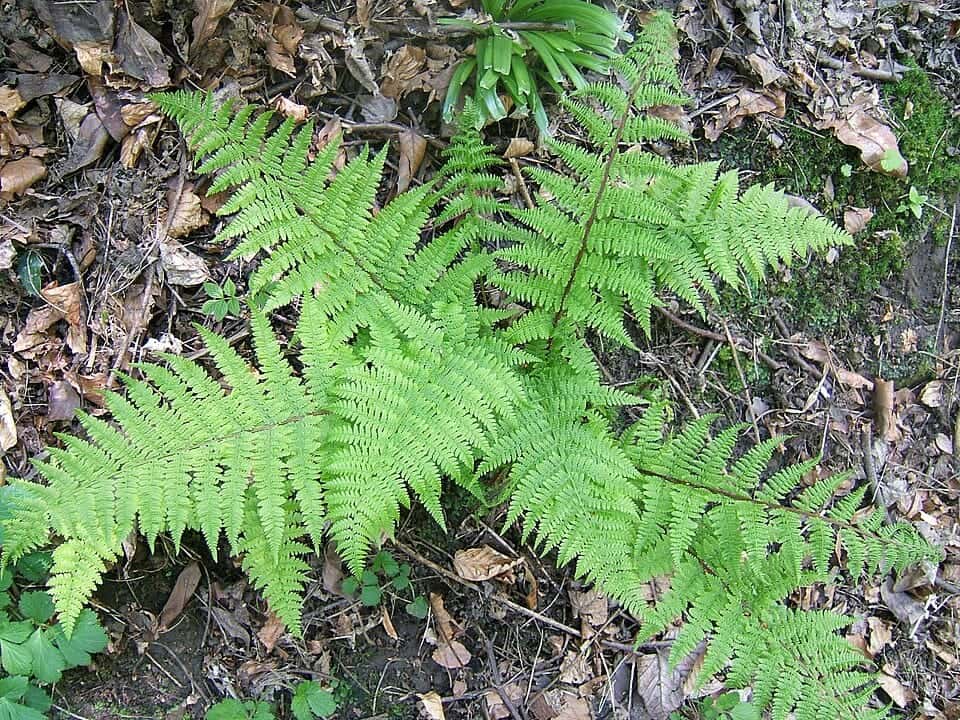
Ferns are ancient, elegant, and — once you know what to look for — surprisingly identifiable. They do not flower, so identification centers on the fronds and the spores underneath. Here is how to read them.
Read the Frond
- Overall shape — a tall vase, a low rosette, or a single blade
- Division — is the frond cut once into leaflets, or twice or three times into fine, lacy segments?
- Leaflet shape — rounded, pointed, toothed, or lobed
- The stem (stipe) — smooth, scaly, or hairy, and its color
Look Underneath for Spores
Turn a frond over. Ferns reproduce by spores held in structures called sori — the small dots, lines, or clusters on the underside. Their shape and arrangement are a key identification feature, so a photo of the underside helps a lot.
Note the Habitat
Most ferns love shade and moisture — stream banks, damp woodland, shaded rock faces — but some tolerate sun and dry ground. Where a fern grows narrows the possibilities before you look closely.
Snap a Photo to Confirm
Spotter identifies ferns from a photo of the frond, and a shot of the spore-bearing underside sharpens the result. You will get the species, its habitat, and its range — alongside every other plant, animal, and fungus you find in the same shady glen.
Try Spotter free on iPhone or Android
Plants, animals, fungi and rocks from one photo. 5 free identifications every day, no card required.


Read the frond, check the spores underneath, and factor in the habitat — three quick steps that turn a green tangle into a named fern.