FG-0010 · Wild Plants · 5 species
Identifying Poisonous Plants of the Southeast USA
By Derek Gauger · Updated
Overview
The southeastern United States — from the Carolinas through Florida and west to Texas — has remarkable plant diversity. That richness extends to toxic species. Being able to recognize which plants are dangerous and why is essential knowledge for hikers, parents, gardeners, and anyone spending time outdoors across the region.
This guide focuses on the most commonly encountered toxic plants — not rare exotics, but the plants you're likely to brush against on a trail, find in your backyard, or encounter along a riverbank. Recognizing them on sight is the first step to staying safe.
Key species to know
FG-0010.01
Poison Ivy
Toxicodendron radicans
ToxicYear-round (most potent in summer)
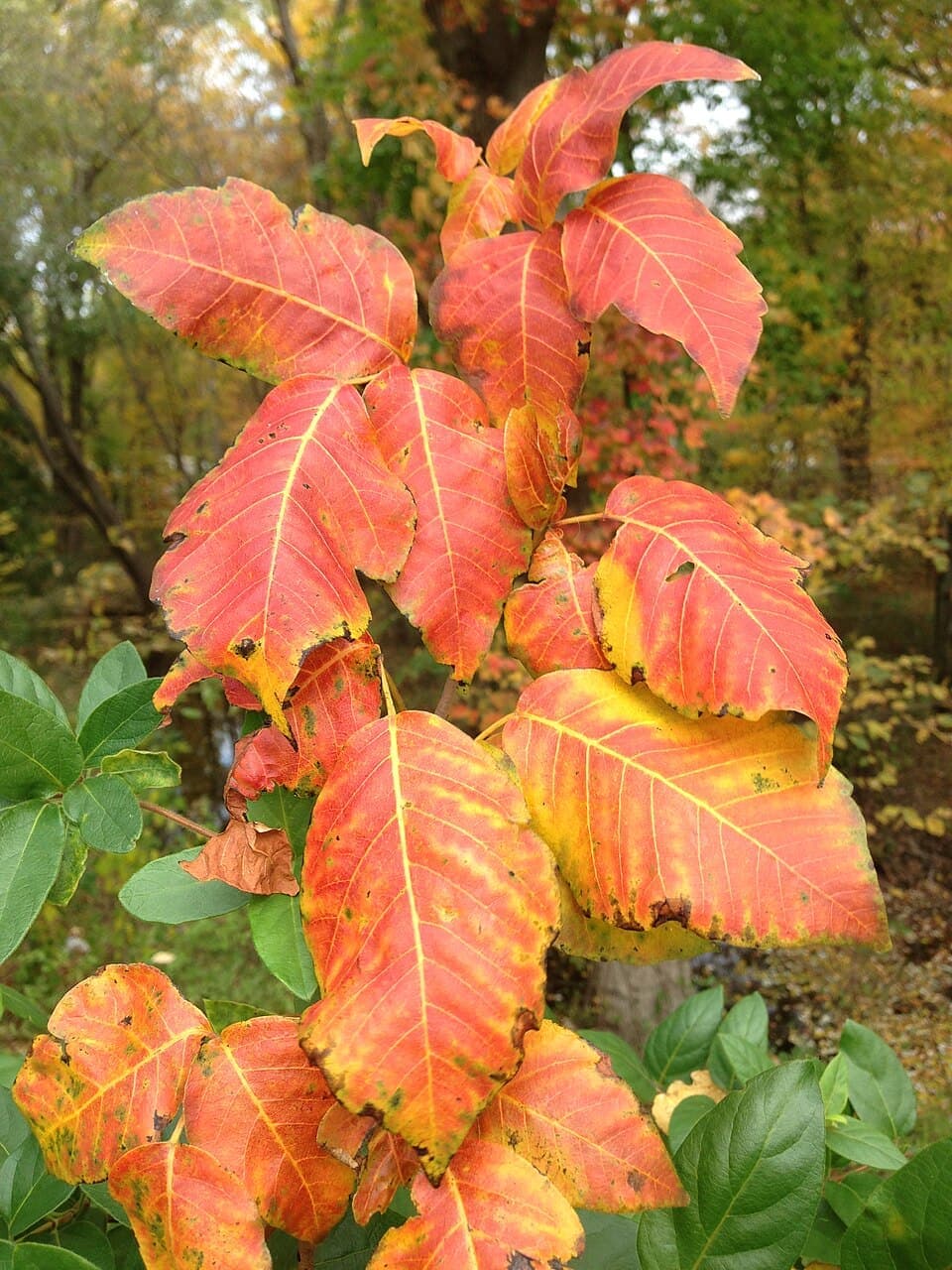
"Leaves of three, let it be." A vine or shrub with three leaflets, glossy when young, with notched or toothed edges. White berries in fall. All parts contain urushiol oil, causing severe contact dermatitis.
Habitat: Almost everywhere — forest edges, backyards, roadsides, parks, and stream banks.
Causes itchy, blistering rash 12–72 hours after contact. Burning poison ivy releases airborne urushiol particles that can cause severe lung irritation. Wash skin thoroughly with soap and water immediately after contact.
FG-0010.02
Pokeweed
Phytolacca americana
ToxicSummer–fall (berries in fall)
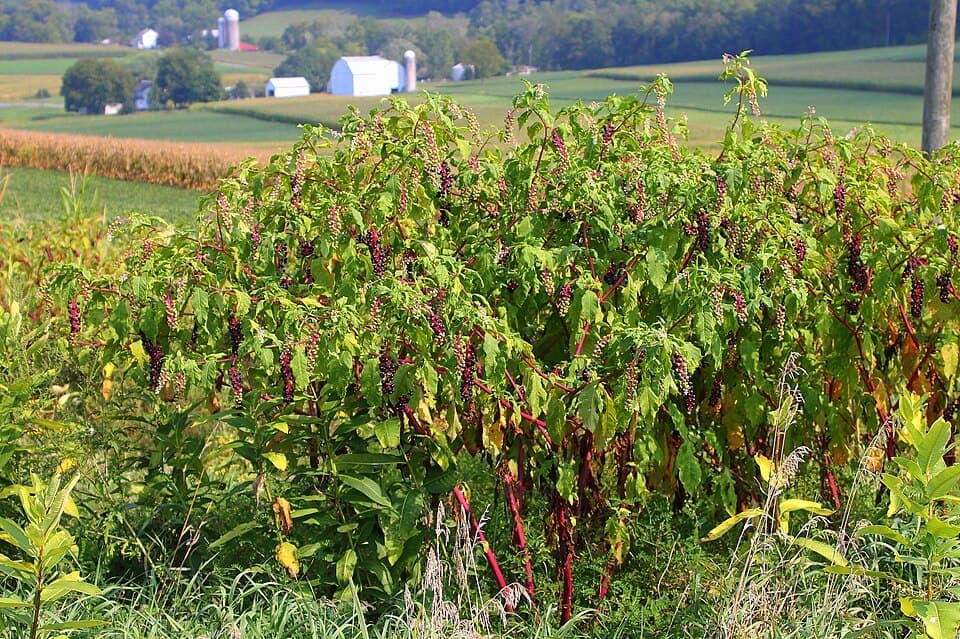
A large native perennial, up to 10 feet tall, with magenta stems, large smooth leaves, and clusters of dark purple berries. Common in disturbed areas throughout the Southeast.
Habitat: Field edges, roadsides, woodland margins, disturbed areas, and backyard edges.
All parts are toxic, and the root is the most toxic. Berries are especially dangerous to children. Learn the magenta stem and hanging dark-berry clusters so you can recognize and avoid it.
FG-0010.03
Water Hemlock
Cicuta maculata
ToxicFlowers May–September; toxic year-round
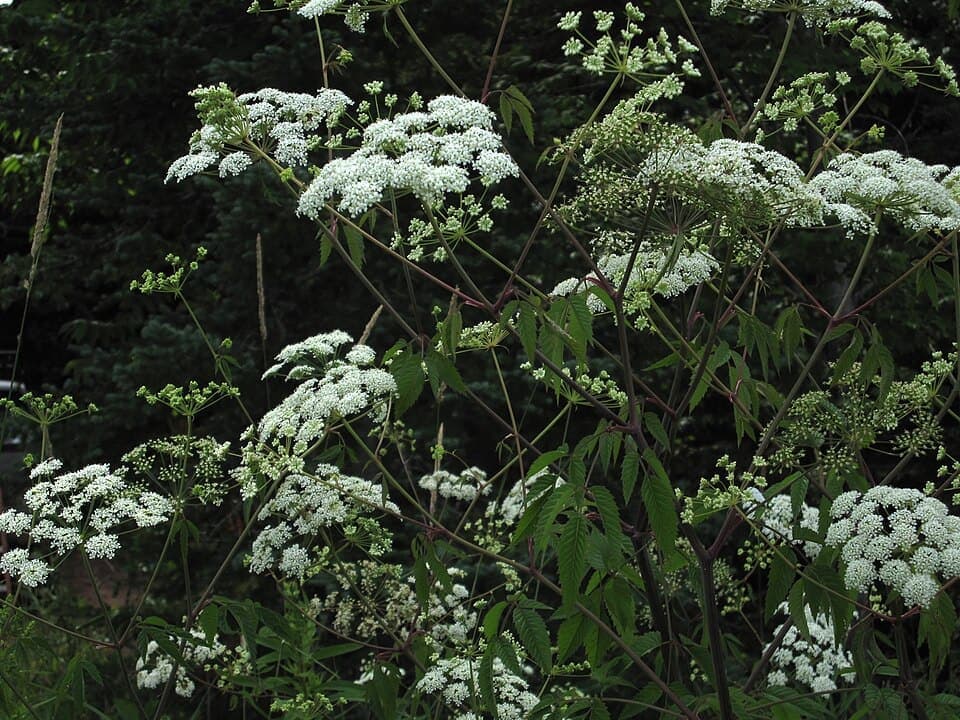
One of North America's most violently toxic plants. Resembles edible wild parsnip and water parsley. Hollow chambered rootstock smells of parsnip. Causes violent convulsions and death.
Habitat: Wet areas — stream banks, marshes, wet meadows, and ditches throughout the Southeast.
DEADLY. The cicutoxin in the root acts within 15 minutes, causing grand mal seizures. Never eat any plant with white flowers and hollow stems from wet areas without expert verification.
FG-0010.04
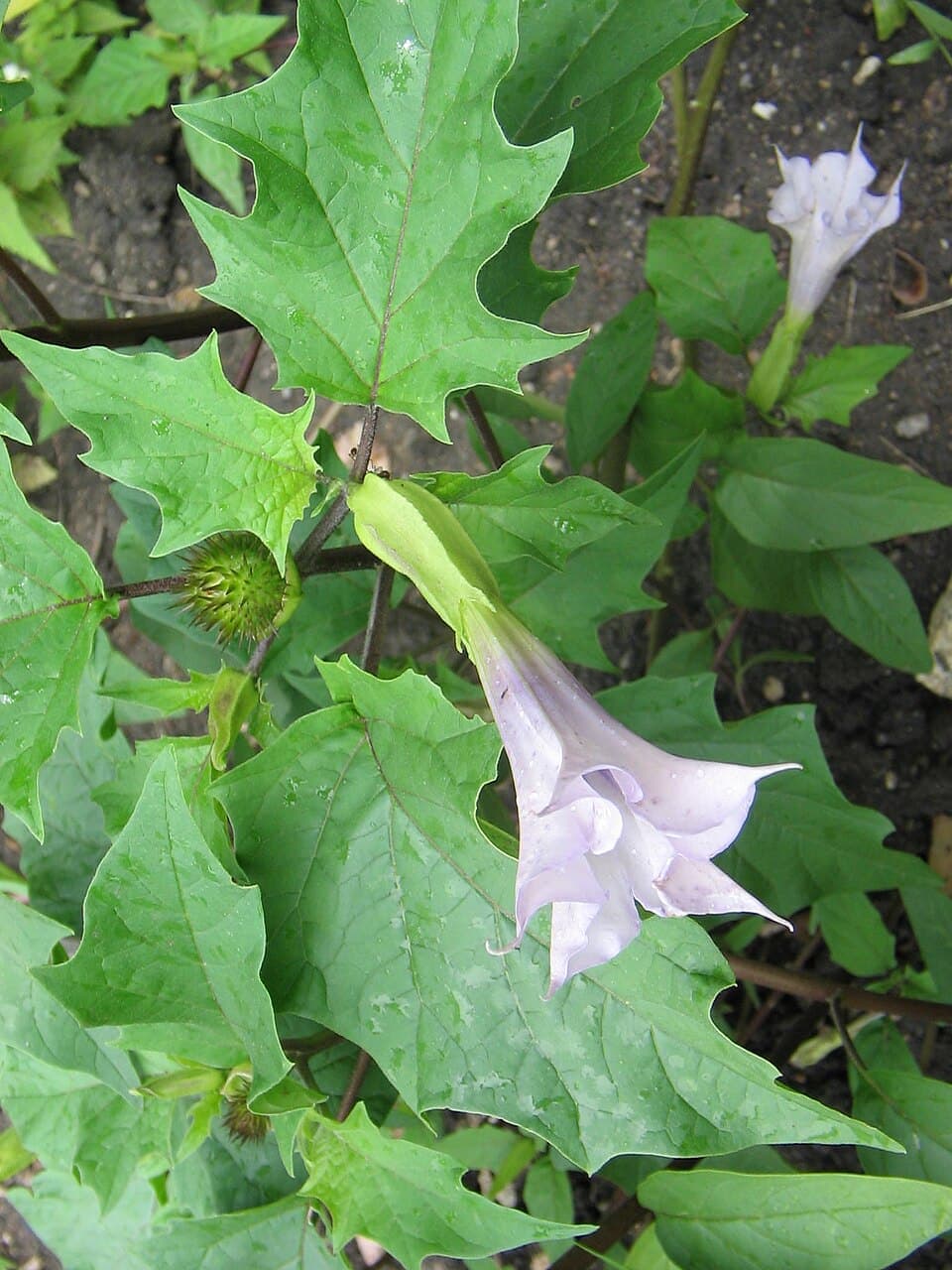
Jimsonweed (Devil's Trumpet)
Datura stramonium
ToxicSummer–fall
A rank-smelling annual with large white or purple trumpet-shaped flowers and spiny seed pods. Contains potent tropane alkaloids (atropine, scopolamine) that cause hallucinations, delirium, and death.
Habitat: Disturbed soils, roadsides, old fields, barnyards, and waste areas.
EXTREMELY DANGEROUS. The entire plant is toxic. Seeds are especially potent. Has been used as a hallucinogen and has caused numerous deaths. There is no safe dose.
FG-0010.05
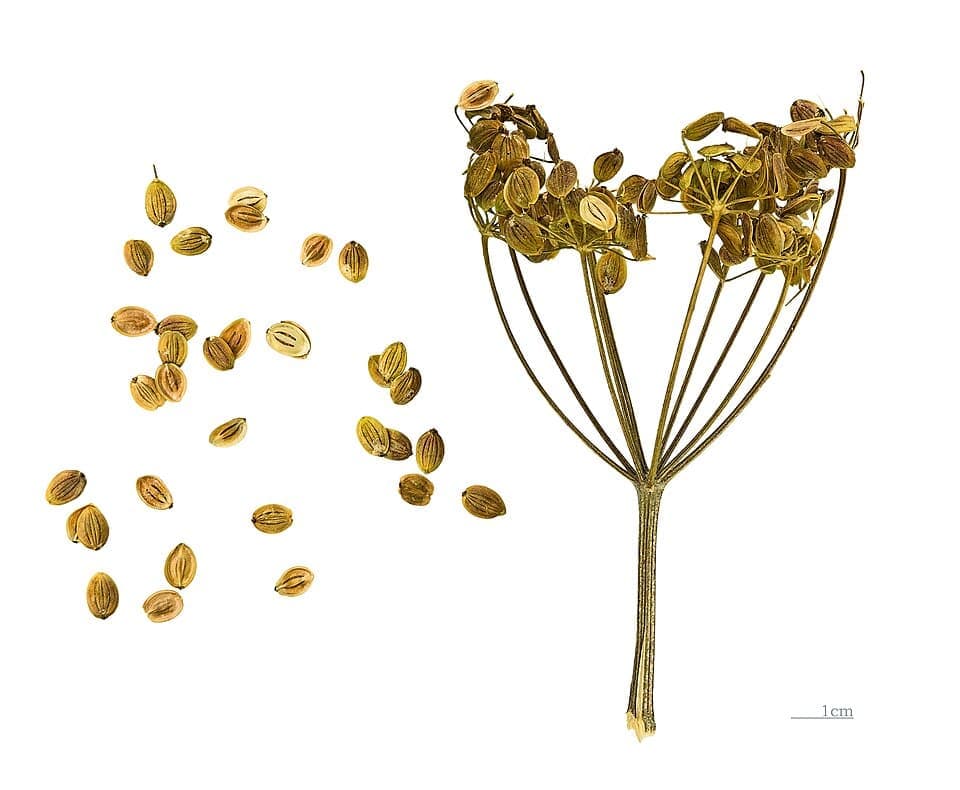
Wild Parsnip
Pastinaca sativa
ToxicFlowers May–July; most dangerous when flowering
An invasive plant with flat-topped yellow flower clusters. The sap causes severe phototoxic burns — skin exposure followed by sunlight causes blistering burns that can leave permanent scars.
Habitat: Roadsides, meadows, and disturbed areas; spreading in the Southeast from Midwest origin.
Touching the plant and then going into sunlight causes chemical burns. Wear gloves and long sleeves if removal is necessary.
Through the seasons
- Spring: Learn to spot poison ivy's three glossy leaflets before leaves are fully out.
- Summer: Wild parsnip burns are most common when the plant is flowering — wear long sleeves near roadsides.
- Fall: Pokeweed berries attract birds; keep children away from the tempting dark berries.
- Year-round: Water hemlock is dangerous in all seasons in wet areas.
Questions
- How quickly does poison ivy cause a reaction?
- Most people develop a rash 12–72 hours after contact with urushiol oil. The rash is not contagious and does not spread — what looks like spreading is usually delayed reaction from areas that received less oil. Rash typically resolves in 1–3 weeks.
- What should I do if a child eats an unknown berry?
- Call Poison Control at 1-800-222-1222 immediately. Do NOT induce vomiting unless specifically instructed. Take a photo of the plant with Spotter or your phone's camera to help identify it for the toxicologist.
From Field Notes
Not sure what you found?
Take a photo with Spotter for the name, field marks, look-alikes and safety notes in seconds.


In this guide
- Species
- 5
- Region
- Southeast USA