A single leaf carries a surprising amount of identifying information. If you can read a few features, you can often name the tree or plant it fell from — even without the whole plant in front of you. Here is the quick visual checklist.
Simple or Compound?
First, decide whether you are holding one leaf or one leaflet. A simple leaf is a single blade; a compound leaf is divided into several leaflets along a shared stalk. Getting this right early prevents most beginner mistakes.
Shape, Edges, and Veins
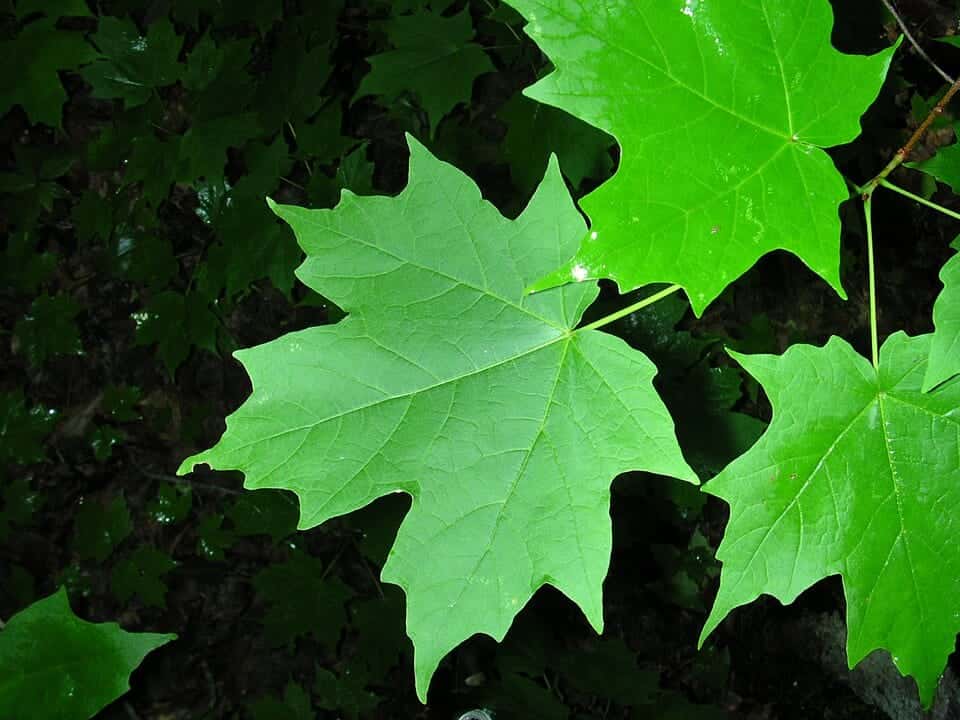
- Overall shape — oval, heart-shaped, lobed (oak, maple), needle, or strap-like
- Edges (the margin) — smooth, toothed like a saw, or wavy
- Vein pattern — a central rib with branching veins, or parallel veins running the length (common in grasses and lilies)
- Base and tip — rounded, pointed, or notched
How the Leaves Are Arranged
If you have access to the twig, check whether leaves sit opposite one another, alternate down the stem, or radiate from a single point. Arrangement is one of the fastest ways to split big groups of plants apart.
Skip the Keys — Snap a Photo
Botanical keys are powerful but slow. Spotter identifies a plant or tree from a photo of its leaf in seconds, then tells you the species, the confirming features, and whether it is native where you are. Add the whole plant or the bark for even better accuracy.
Try Spotter free on iPhone or Android
Plants, animals, fungi and rocks from one photo. 5 free identifications every day, no card required.


Learn to read shape, edges, veins, and arrangement and a leaf stops being anonymous. For the exact name — especially with tricky lookalikes — a quick photo does the work for you.