FG-0015 · Wild Plants · 4 species
Plant Identification in the Midwest
By Derek Gauger · Updated
Overview
The Midwest's plant communities reflect the region's complex history — tallgrass prairies, oak savannas, bottomland forests, and northern hardwood forests all meet here. Understanding these habitats helps predict what plants you'll find and where.
Key species to know
FG-0015.01
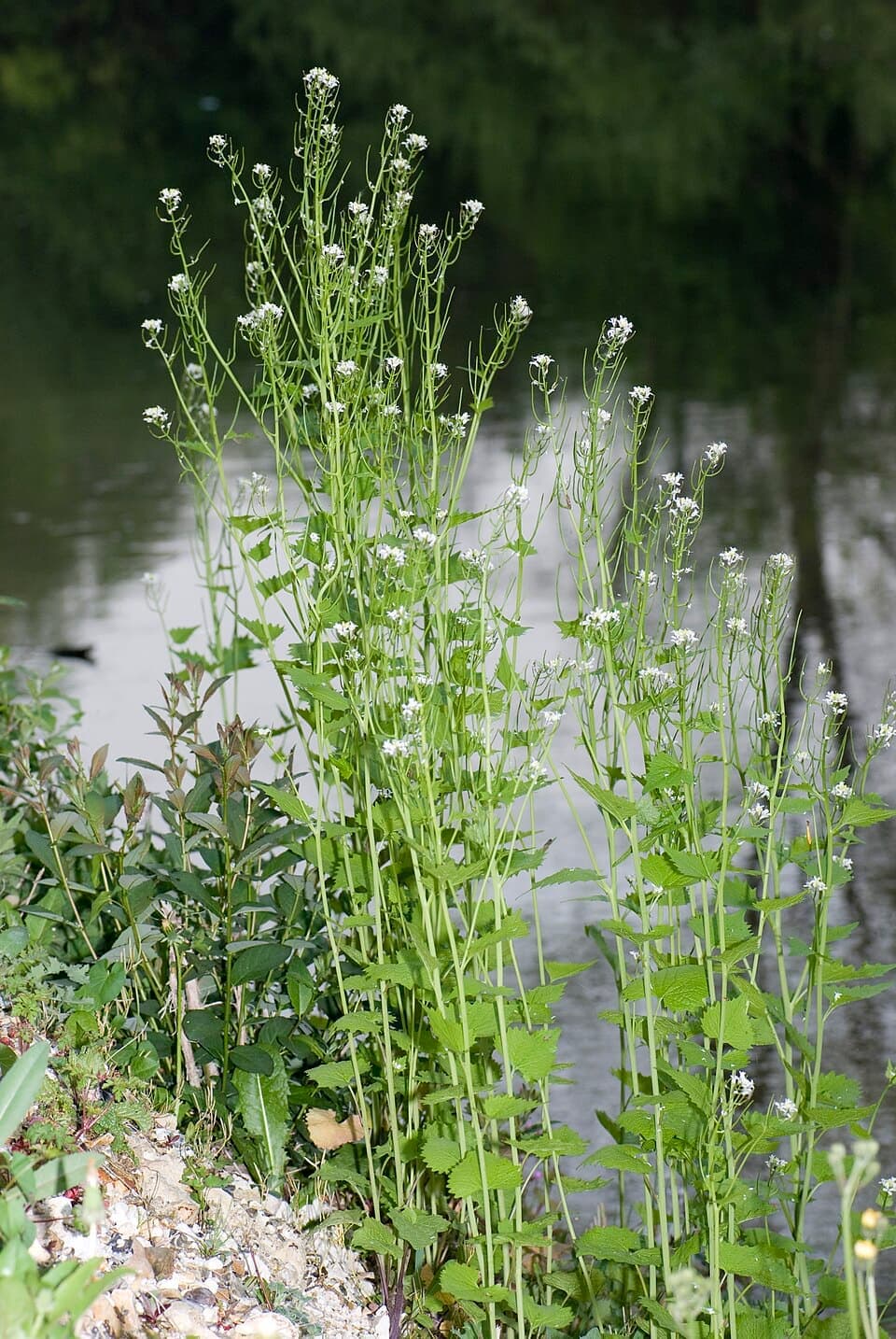
Wild Garlic Mustard
Alliaria petiolata
EdibleYear-round (best in spring)
An invasive plant from Europe with heart-shaped to triangular toothed leaves, white four-petaled flowers, and a strong garlic smell when crushed. Edible and actually delicious.
Habitat: Forest edges, floodplain forests, roadsides, and disturbed areas throughout the Midwest.
FG-0015.02
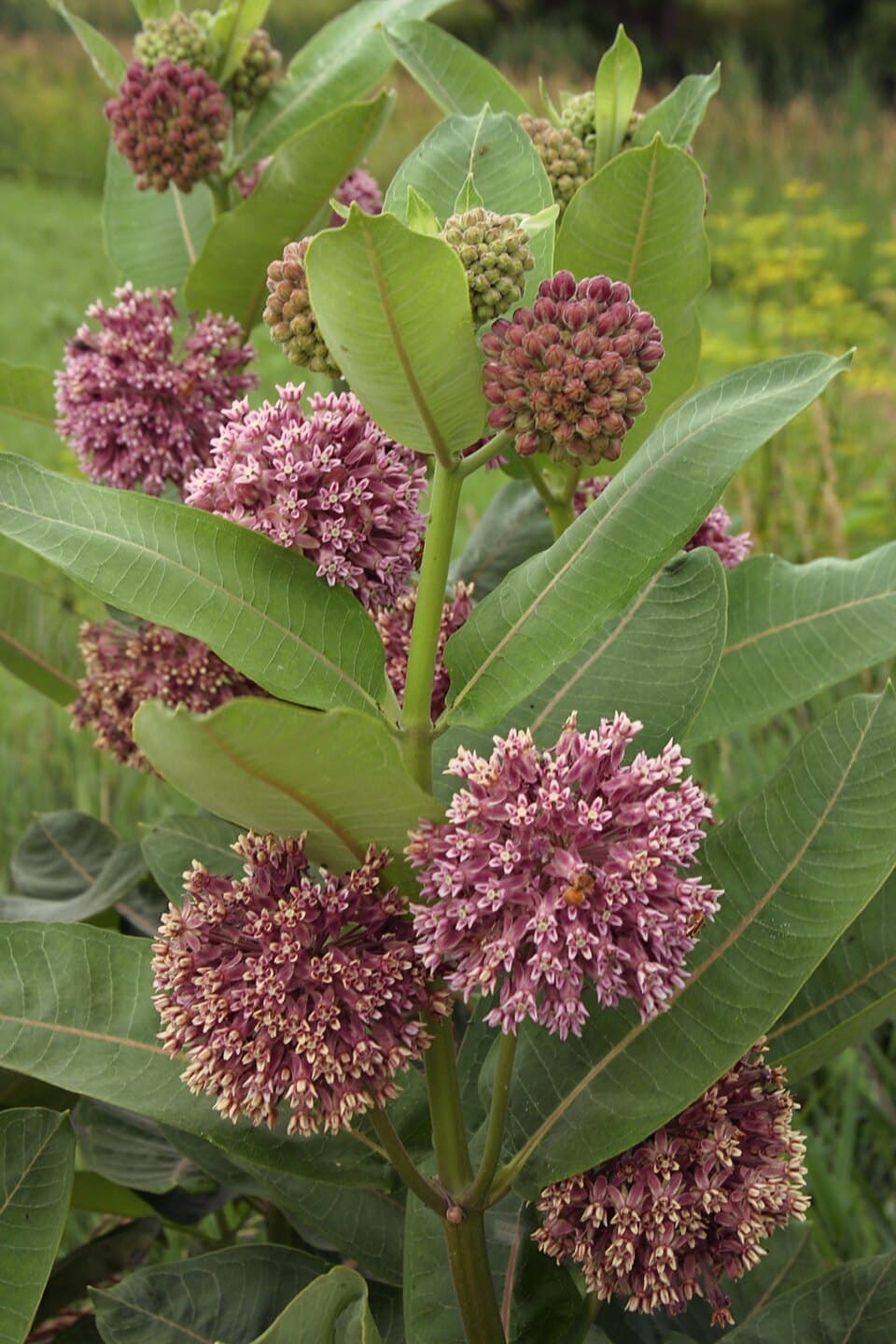
Common Milkweed
Asclepias syriaca
CautionSpring–summer
Large oval leaves, fragrant pink-purple flower globes, and paired seed pods. A keystone species for monarch butterflies. Several growth stages are edible with proper preparation.
Habitat: Old fields, roadsides, prairies, and forest edges throughout the Midwest.
Young shoots, flower buds, and immature pods can be eaten but must be boiled in multiple changes of water to remove bitter compounds. Raw milkweed can cause nausea.
FG-0015.03
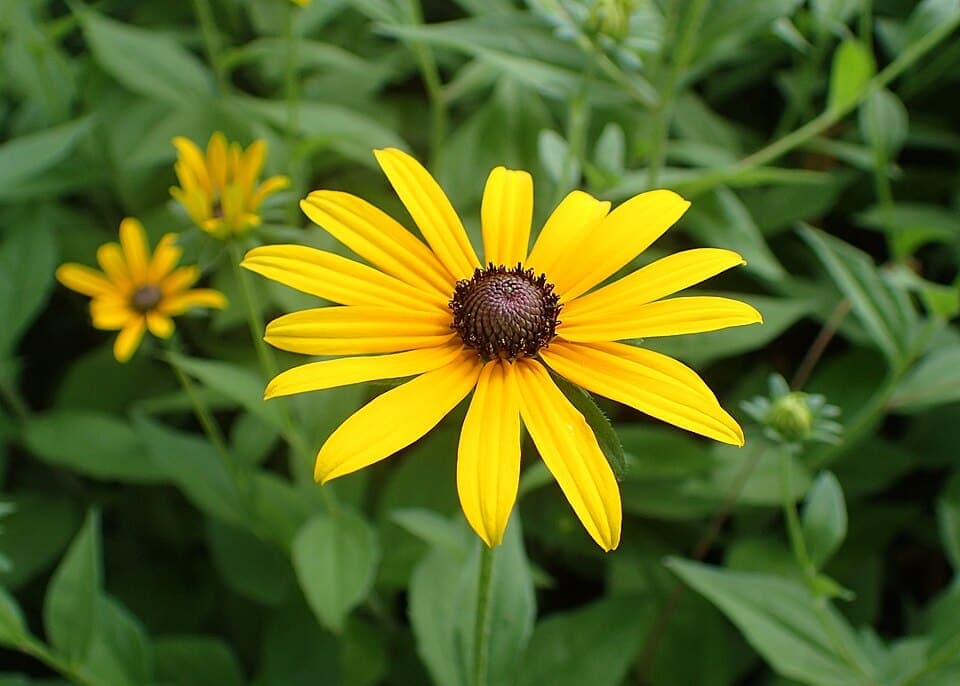
Black-Eyed Susan
Rudbeckia hirta
June–October
One of the Midwest's most recognizable wildflowers — daisy-like with golden petals and a dark center. A native prairie species that thrives in disturbed areas. Official state flower of Maryland.
Habitat: Prairies, meadows, roadsides, and open disturbed areas.
FG-0015.04
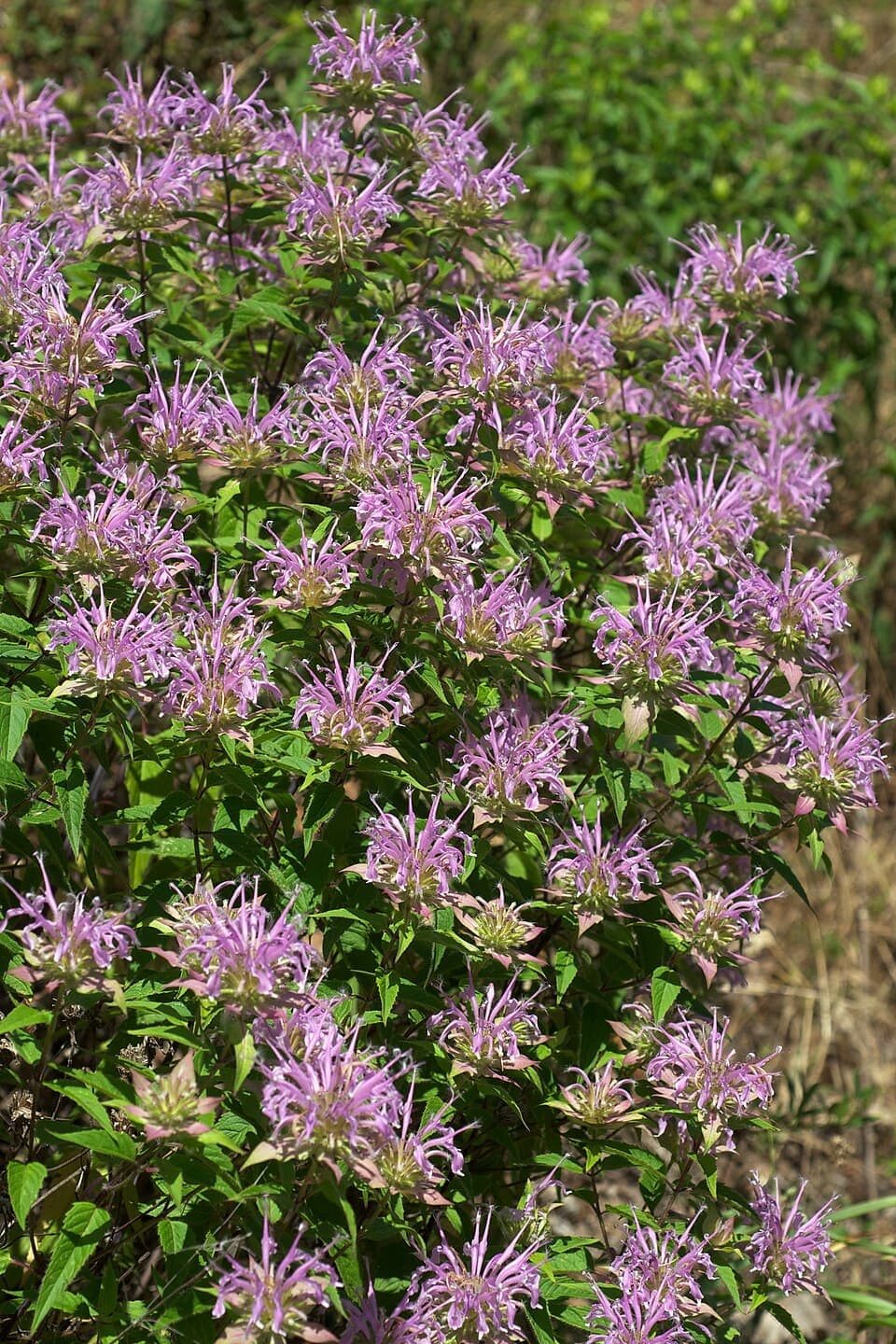
Wild Bergamot (Bee Balm)
Monarda fistulosa
EdibleJuly–September
A fragrant native wildflower with lavender to pale purple flowers in dense rounded heads. Historically used by many Indigenous nations for tea, seasoning, and medicine.
Habitat: Dry prairies, fields, and open woods throughout the Midwest.
Through the seasons
- March–April: Dandelion greens, garlic mustard, and wood sorrel are prime.
- May–June: Elderflower, wild bergamot emerging; prairie wildflowers beginning.
- July–August: Prairie wildflower peak; blackberries along field edges.
- September–October: Autumn olive berries (invasive but edible); hickory nuts and black walnuts.
Questions
- What is the most common toxic plant in Illinois?
- Poison hemlock (Conium maculatum) is increasingly common in Illinois along roadsides and streams. It resembles wild carrot and parsley but has purple-blotched stems and a musty odor. Use Spotter to check suspicious plants.
From Field Notes
Not sure what you found?
Take a photo with Spotter for the name, field marks, look-alikes and safety notes in seconds.


In this guide
- Species
- 4
- Edible
- 2
- Toxic
- 0
- Region
- Midwest USA