FG-0016 · Wild Plants · 4 species
Medicinal Plants of New England
By Derek Gauger · Updated
Overview
New England's plant communities have supported human health for thousands of years. From the Abenaki and Wampanoag nations to colonial herbalists to today's herbalism renaissance, the region's flora has been recognized as medicinally significant for generations.
This guide covers the most important and recognizable medicinal plants — not obscure botanical curiosities, but plants you're likely to encounter on a walk in the woods or a stroll through a meadow. We focus on identification accuracy and ethical harvesting, not specific medical claims.
Key species to know
FG-0016.01
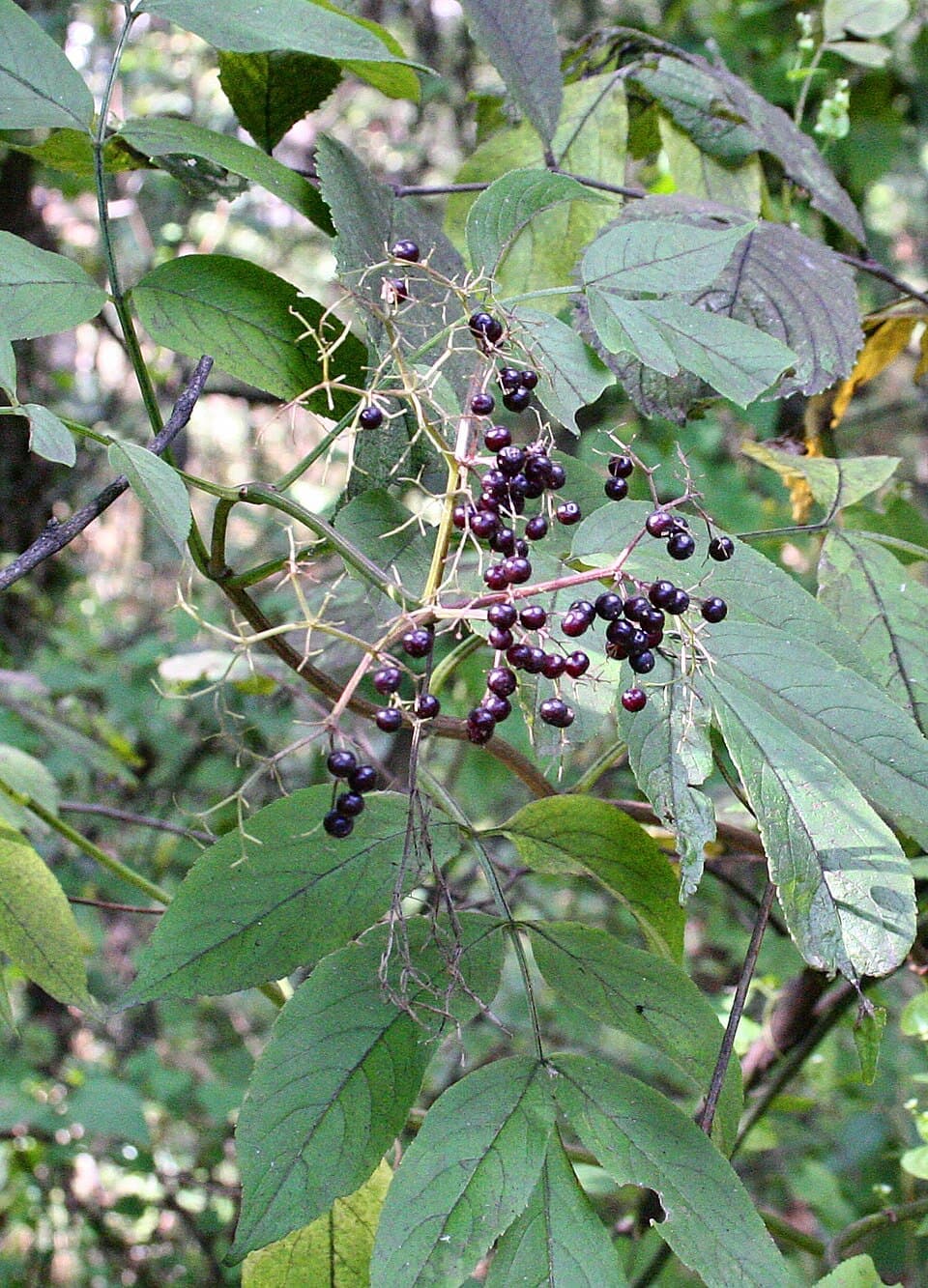
Elderberry
Sambucus canadensis
CautionFlowers: June; Berries: August–September
New England's most beloved medicinal shrub. Elderberry syrup has become a mainstream wellness product. The flowers (elderflowers) are also medicinal and delicious.
Habitat: Moist areas, stream banks, forest edges, and disturbed areas.
Raw berries cause nausea. Always cook before consuming. Never eat red elderberries.
FG-0016.02
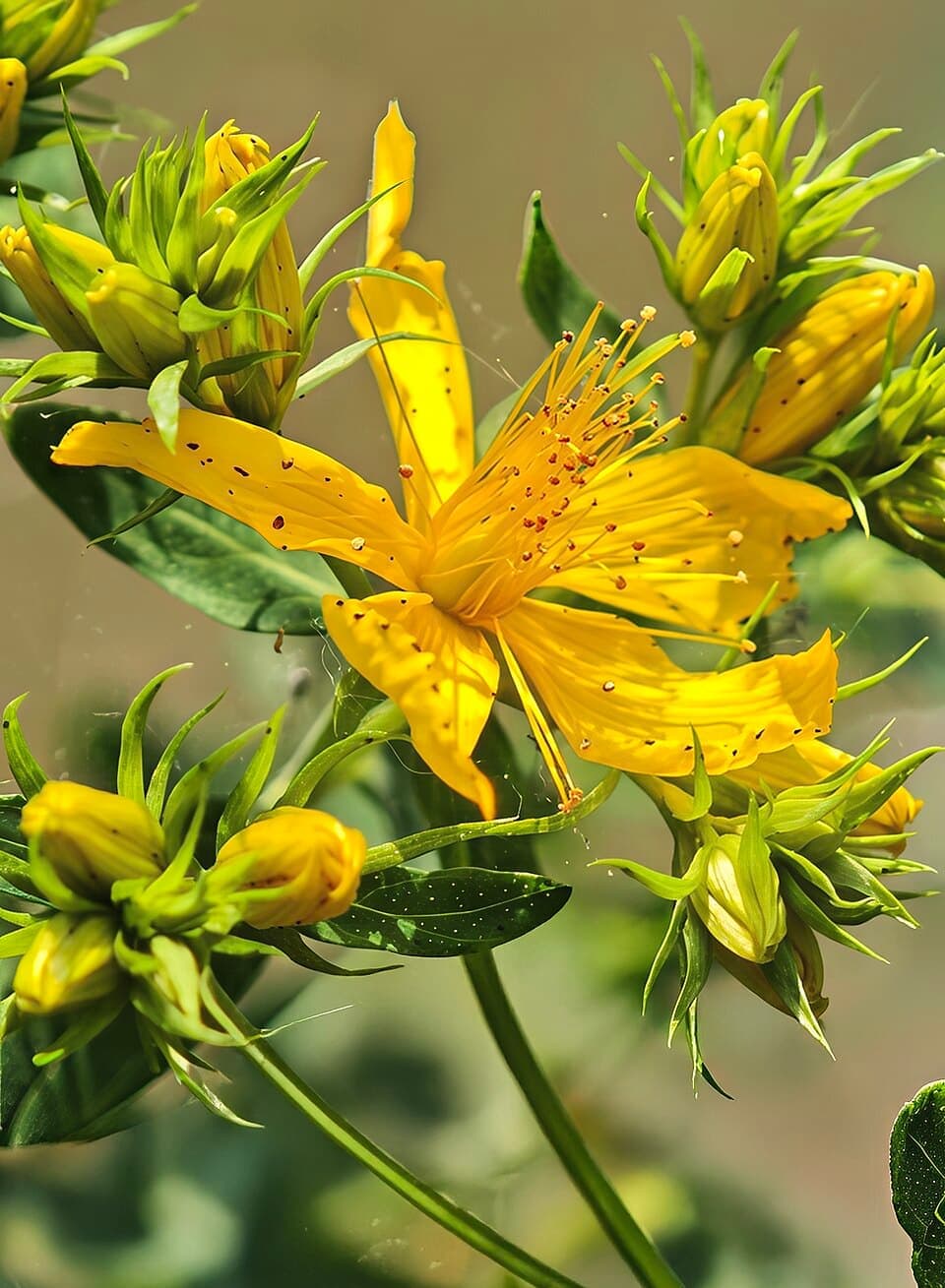
St. John's Wort
Hypericum perforatum
June–September
Bright yellow five-petaled flowers on branching stems. Leaves held to light reveal translucent oil glands (appearing as dots). Widely studied for mood support; can cause photosensitivity.
Habitat: Sunny meadows, roadsides, and disturbed areas throughout New England.
Can interact with many medications including antidepressants, birth control, and warfarin. Consult a healthcare provider before use.
FG-0016.03
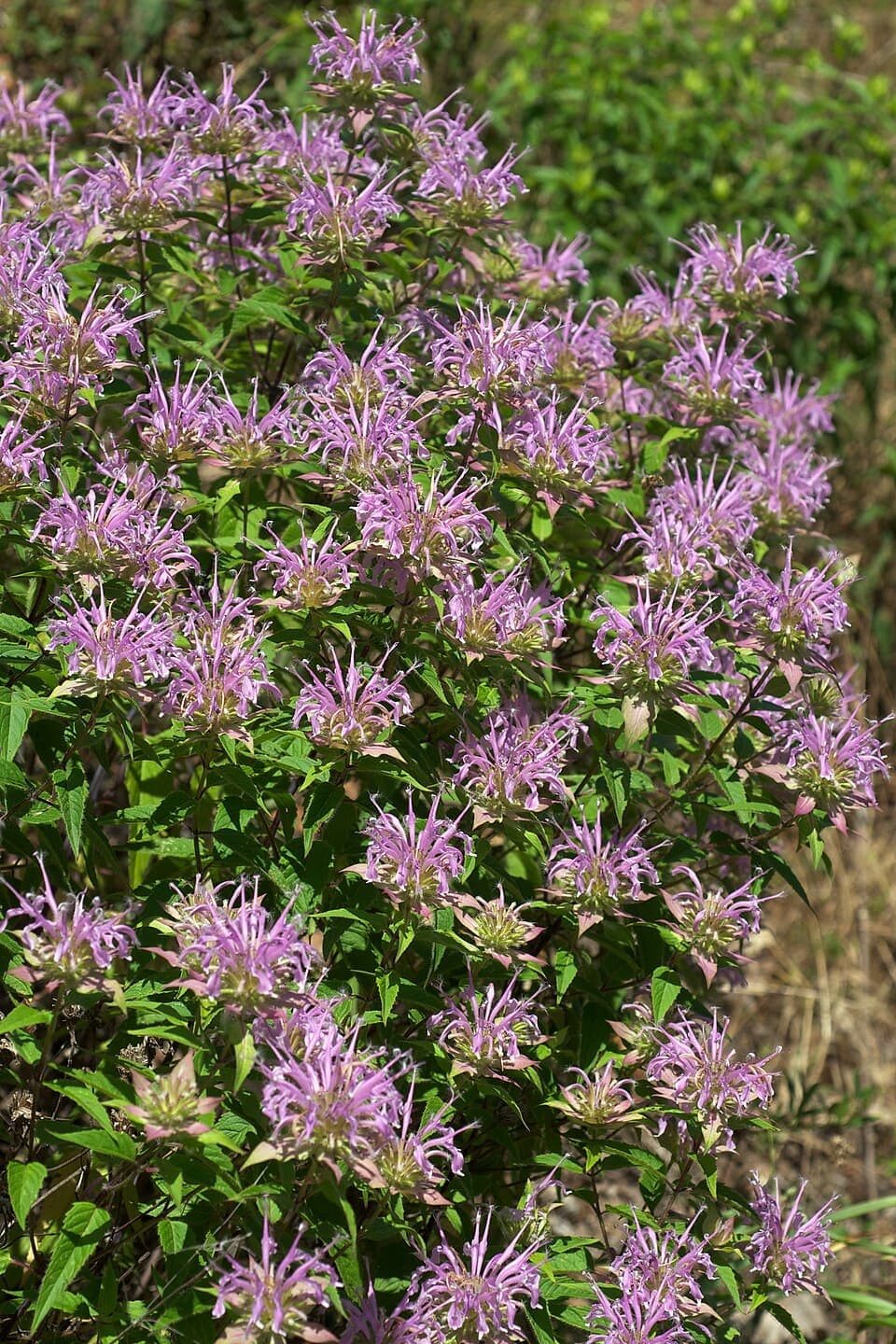
Wild Bergamot (Bee Balm)
Monarda fistulosa
EdibleJuly–September
Fragrant lavender flowers used historically by many Indigenous nations as a tea, antiseptic, and treatment for colds. Attractive to pollinators.
Habitat: Dry meadows, prairie edges, and open forests.
FG-0016.04
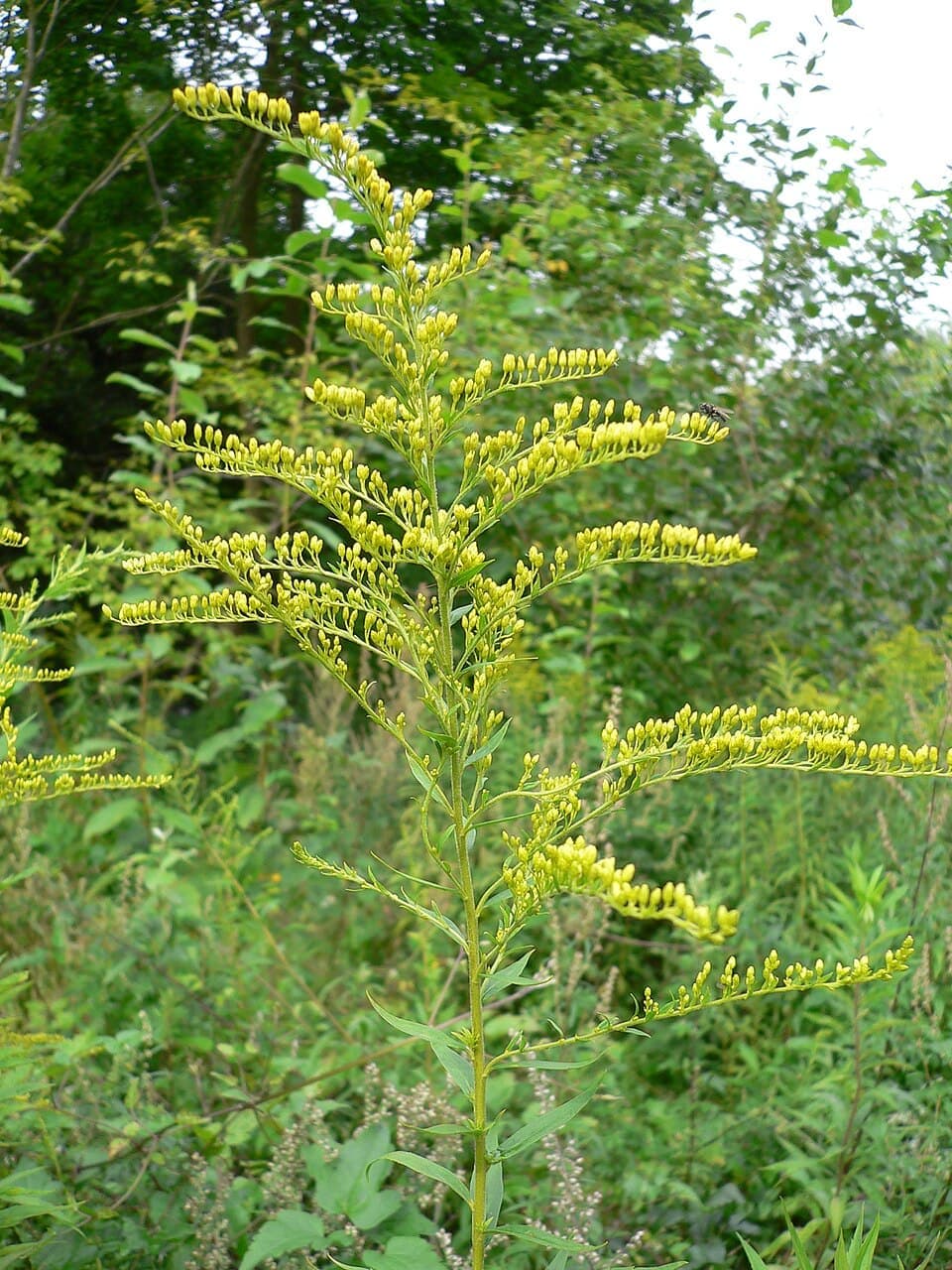
Goldenrod
Solidago canadensis
EdibleAugust–October
Tall yellow-plumed wildflower erroneously blamed for fall allergies (actually caused by wind-pollinated ragweed). Has traditional use for urinary tract support and anti-inflammatory properties.
Habitat: Fields, roadsides, and forest edges; one of the most common New England wildflowers.
The pollen is insect-distributed, not wind-blown — it does not cause hay fever. Ragweed (nondescript green plant) is the fall allergy culprit.
Through the seasons
- May–June: Harvest dandelion roots and leaves; elderflower begins to bloom.
- July–August: St. John's wort, bergamot, and milkweed flowers at peak.
- September: Elderberry harvest; goldenrod in full bloom.
- Fall–Winter: Sustainable root harvesting for plants in their dormant season.
Questions
- Is it sustainable to forage medicinal plants in New England?
- Many popular medicinal plants (goldenseal, ginseng) are at-risk in New England due to overharvesting. Prioritize common species, never harvest more than 10% of a patch, and consider cultivating medicinal herbs rather than wild-harvesting rare species.
From Field Notes
Not sure what you found?
Take a photo with Spotter for the name, field marks, look-alikes and safety notes in seconds.


In this guide
- Species
- 4
- Edible
- 2
- Toxic
- 0
- Region
- New England