Trees are everywhere, and most of us walk past dozens a day without knowing a single name. Identifying a tree is genuinely satisfying, and it is easier than it looks once you know the four things to check: leaves, bark, shape, and what it is producing.
Start With the Leaves
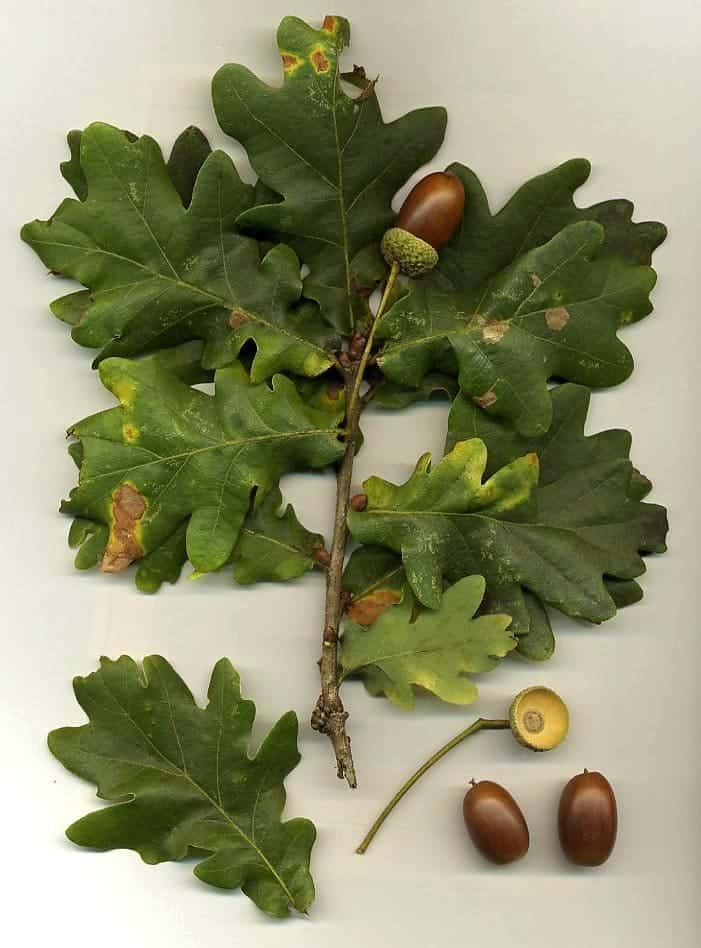
The first split is simple: broadleaf or needle. Broadleaf trees (oaks, maples, elms) drop wide, flat leaves; conifers (pines, spruces, firs) carry needles or scales year-round. From there, look at:
- Shape — lobed like an oak or maple, oval, or heart-shaped
- Edges — smooth or toothed
- Arrangement — opposite (maple, ash, dogwood) or alternate (oak, elm, birch)
- For conifers — are needles single, in bundles of two to five, or short and scale-like?
Read the Bark
Bark is your best clue in winter and on mature trees. Is it smooth and gray (beech), shaggy and peeling (shagbark hickory, river birch), deeply furrowed (old oaks), or patchy like camouflage (sycamore)? Bark changes with age, so judge from the trunk, not the young twigs.
Look at the Overall Shape and Size
Step back. A tall, straight trunk with a narrow crown reads very differently from a broad, spreading canopy. Weeping branches, a perfect cone, or a vase shape are all identification clues you can spot from across a field.
Check the Fruit, Flowers, and Seeds
- Acorns point to oaks; winged samaras (helicopters) point to maples and ashes
- Cones mean a conifer — their size and shape narrow the species
- Berries, nuts, catkins, and spring blossoms all help confirm
The Shortcut: Snap a Photo
Carrying a mental checklist is great, but you do not have to. Point Spotter at a leaf, the bark, or the whole tree and it identifies the species in seconds, then explains the features that confirm it and whether it belongs in your region. Add a couple of angles — a leaf plus the bark — for the most reliable result.
Try Spotter free on iPhone or Android
Plants, animals, fungi and rocks from one photo. 5 free identifications every day, no card required.


Once you can name the trees on your own street, you start seeing the landscape differently. Start with the leaves, back it up with the bark, and let a photo settle the ones that stump you.