FG-0030 · Wild Plants · 6 species
Identifying Trees in Georgia
By Derek Gauger · Updated
Overview
Georgia's forests range from Appalachian hardwood coves in the north to piney coastal plain and cypress swamps in the south, giving the state exceptional tree diversity. Many species are easy to recognize once you learn a few leaf, bark, and shape clues.
This guide covers common and iconic Georgia trees — how to tell them apart by leaf, bark, and habit. Pair it with a photo of the leaf or bark and the app to confirm any tree you find.
Key species to know
FG-0030.01
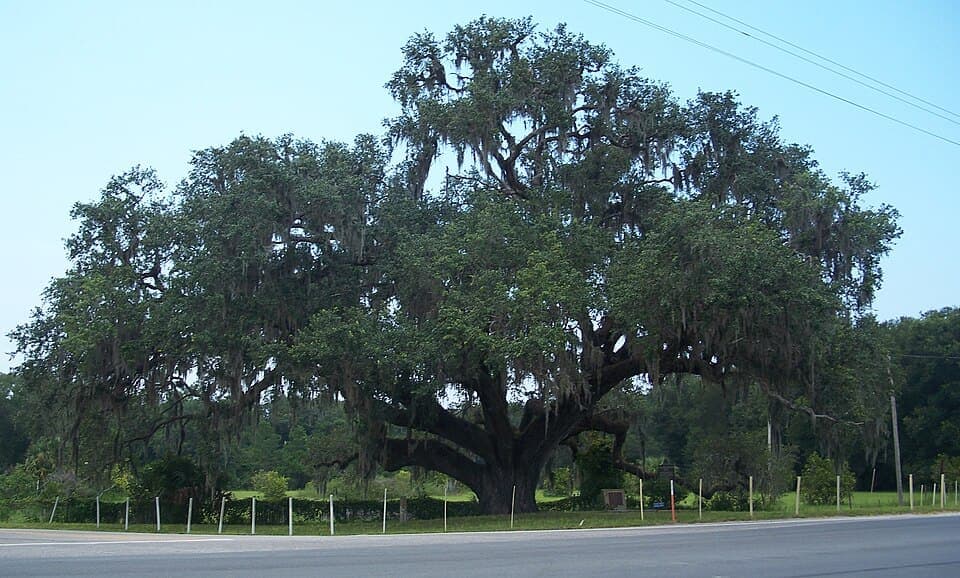
Southern Live Oak
Quercus virginiana
A massive, spreading evergreen oak with small, leathery oval leaves and wide, low limbs often draped in Spanish moss. A defining tree of the Georgia coast and old squares.
Habitat: Coastal plain, old towns, and parks, especially near the coast.
FG-0030.02
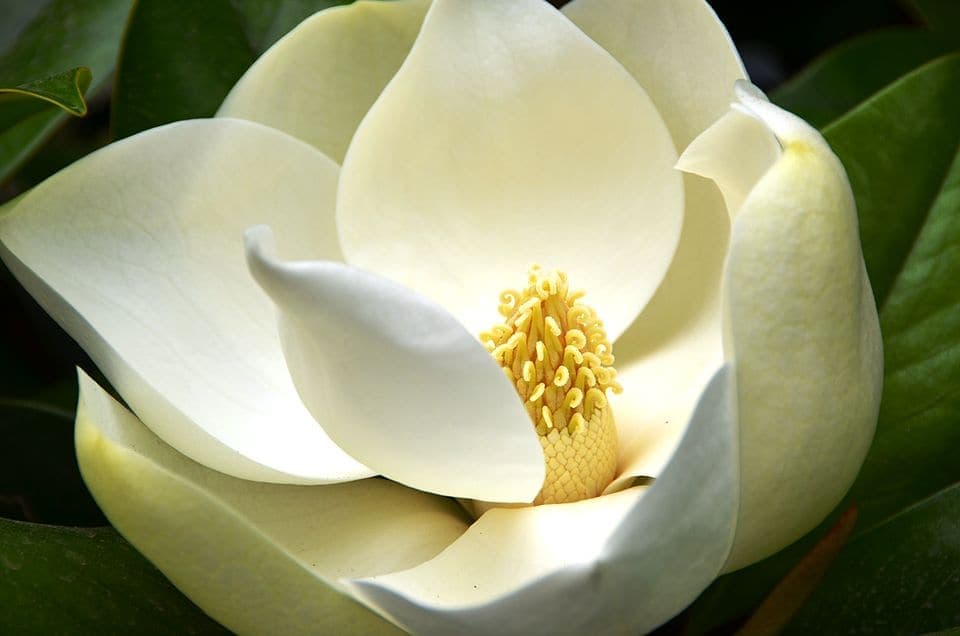
Southern Magnolia
Magnolia grandiflora
A stately evergreen with large, glossy dark-green leaves (rusty beneath) and huge, fragrant creamy-white flowers in late spring. Widely planted and native to the south.
Habitat: Rich woods, yards, and streamsides across the state.
FG-0030.03
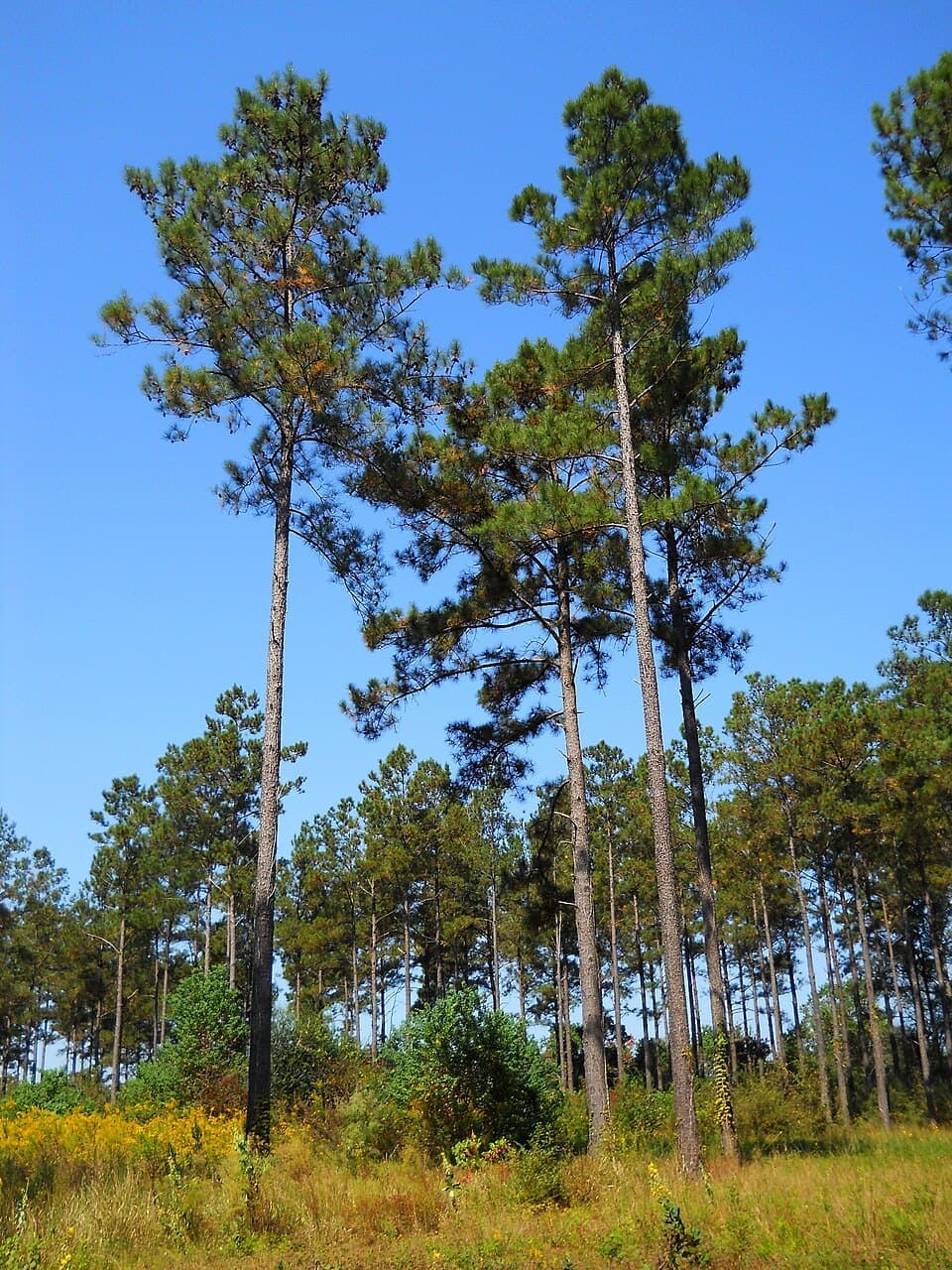
Loblolly Pine
Pinus taeda
A fast-growing pine with needles in bundles of three and scaly reddish bark, dominating much of Georgia's planted and second-growth forest. A backbone of the state's timber industry.
Habitat: Upland forests, old fields, and plantations across the piedmont and coastal plain.
FG-0030.04
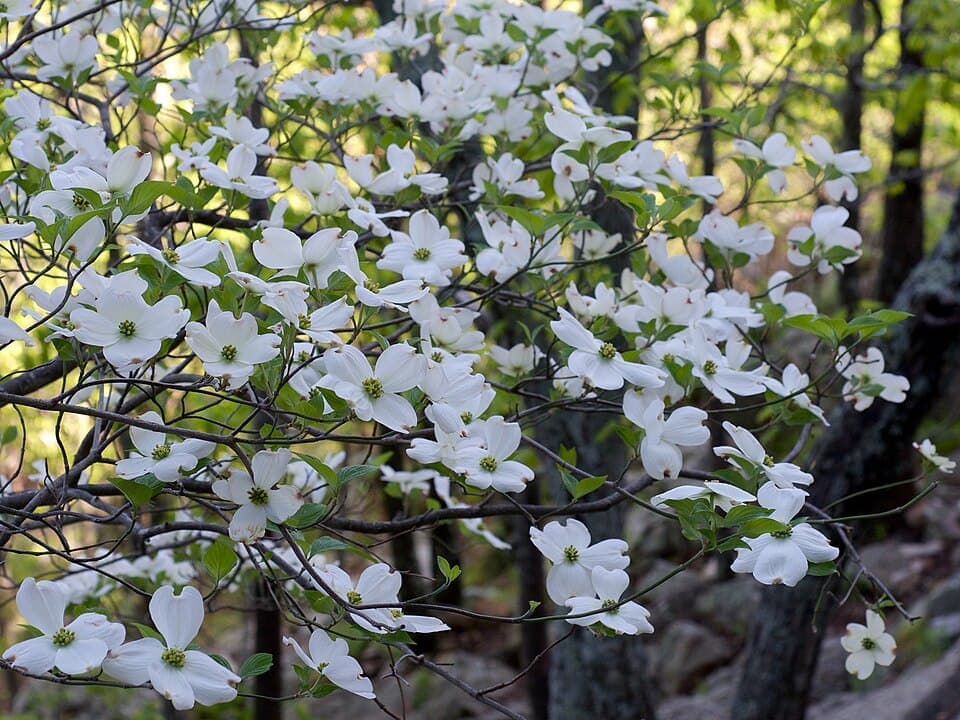
Flowering Dogwood
Cornus florida
A small understory tree with tiered branches, oval leaves, and showy white (occasionally pink) spring "flowers" — actually bracts — followed by clusters of red berries.
Habitat: Forest understory and edges throughout Georgia.
FG-0030.05
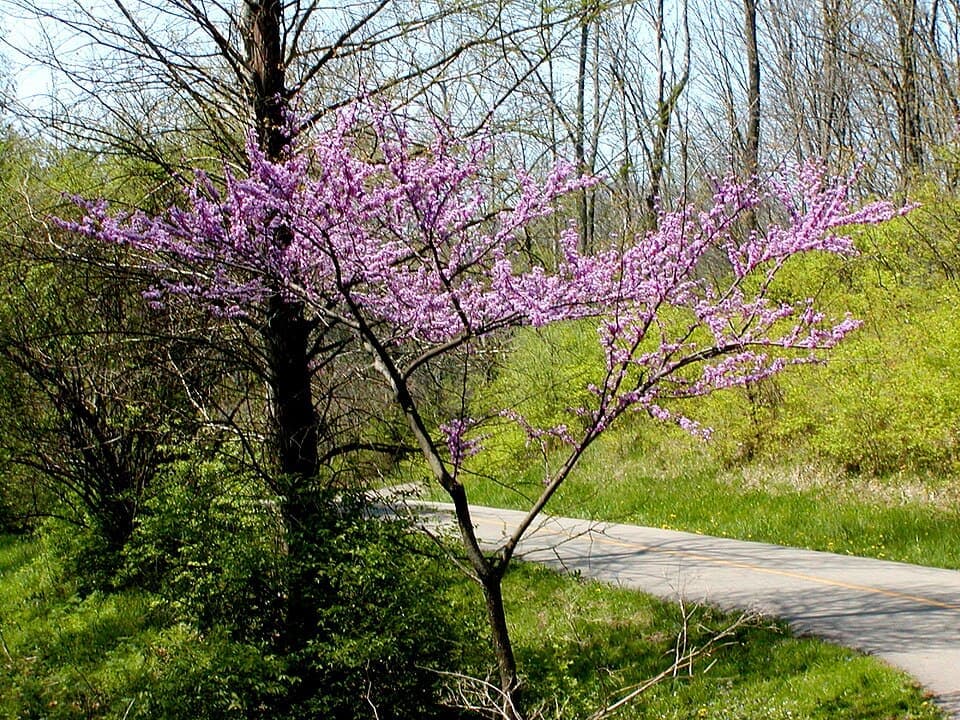
Eastern Redbud
Cercis canadensis
A small tree with heart-shaped leaves that bursts into rosy-pink pea flowers directly on bare branches in early spring, before leafing out.
Habitat: Woodland edges, roadsides, and understory statewide.
FG-0030.06
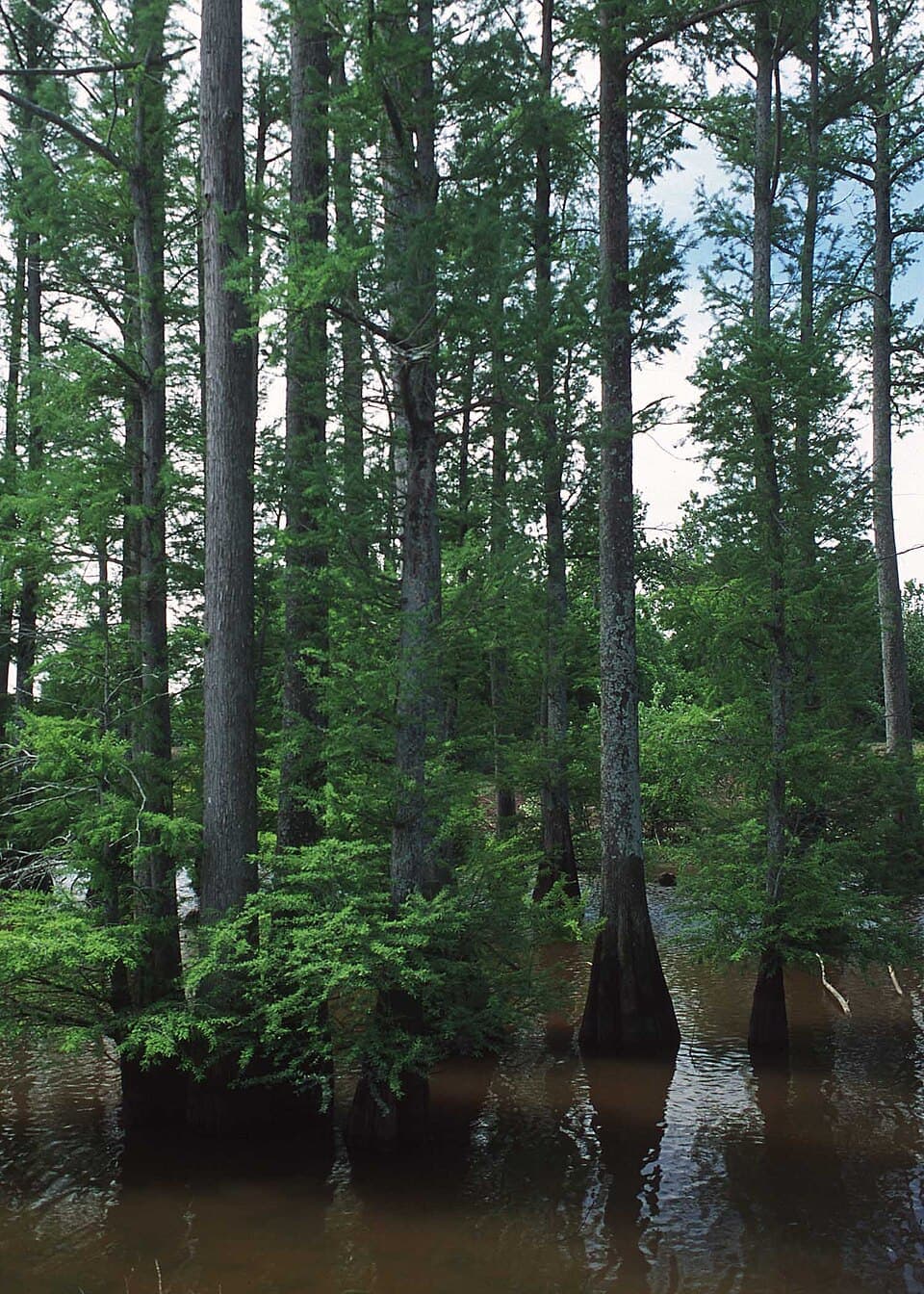
Bald Cypress
Taxodium distichum
A deciduous conifer of southern swamps with feathery needles that turn rusty in fall and distinctive "knees" rising from the water around its buttressed base.
Habitat: River swamps, blackwater floodplains, and pond margins in the coastal plain.
Through the seasons
- Spring: dogwood and redbud flower before the canopy leafs out — the easiest time to spot them.
- Summer: evergreen live oak and magnolia stand out darker against deciduous greens.
- Fall: bald cypress turns rusty-orange in the swamps while most conifers stay green.
Questions
- How can I tell a loblolly pine from other Georgia pines?
- Loblolly has needles in bundles of three, typically 6–9 inches long, with scaly reddish-brown bark. Longleaf pine has much longer needles and larger cones, while shortleaf has shorter needles often in twos and threes.
- What tree has white flowers in Georgia in spring?
- The flowering dogwood is the classic white-flowering understory tree of Georgia spring. Take a photo of the leaves and flowers and use an app like Spotter to confirm the species.
From Field Notes
Not sure what you found?
Take a photo with Spotter for the name, field marks, look-alikes and safety notes in seconds.


In this guide
- Species
- 6
- Region
- Georgia