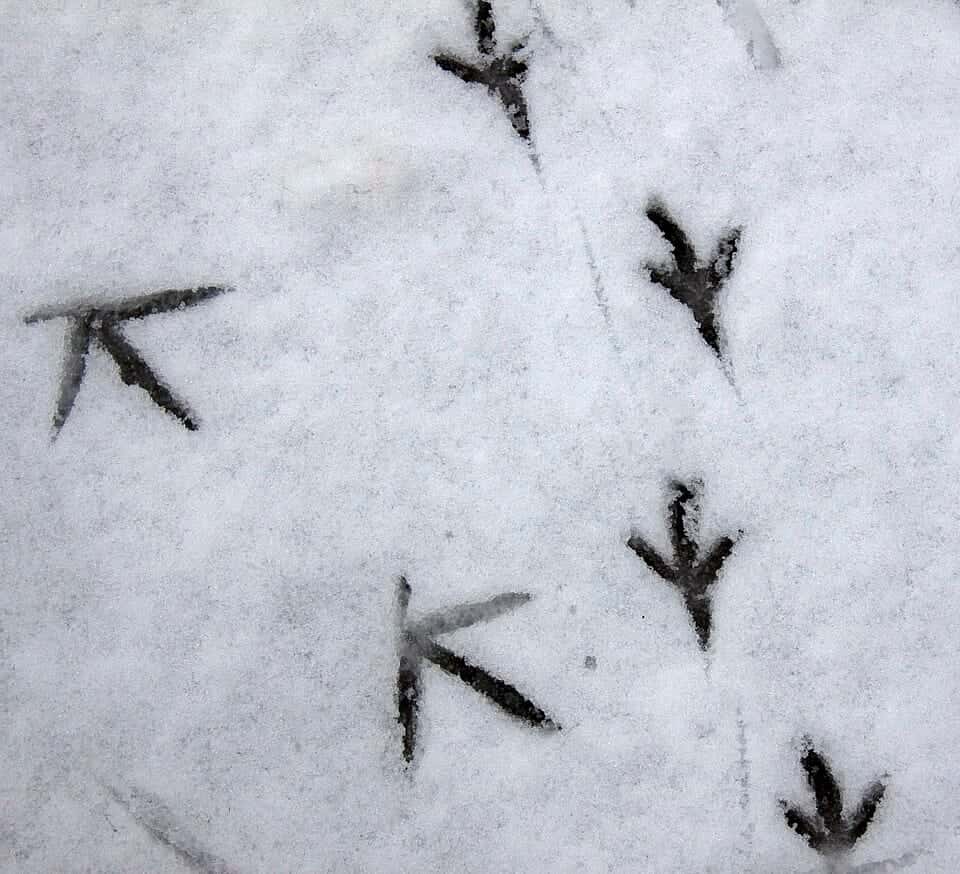
You do not always see the animal, but you often see where it went. Tracks in mud, sand, or snow are a whole language, and a few basics let you read who passed by and when. Here is how to start.
Count the Toes
- Four toes with claw marks — the dog family (coyote, fox) or a domestic dog
- Four toes with no claw marks — the cat family (claws retract)
- Five toes — raccoons, opossums, weasels, bears, and rodents
- Two-part hoof — deer, elk, and other hoofed animals
Measure the Print
Size separates similar shapes fast. A neat two-inch canine print is likely a fox; a four-inch one, a large dog or coyote. Note both length and width, and look for the overall shape — round, oval, or heart-like.
Read the Gait and Pattern
The spacing and arrangement of prints — the trackway — tells you how the animal moved. Bounding, walking, and hopping each leave a signature pattern. Rabbits, for instance, plant their big hind feet ahead of their front feet in a telltale arrangement.
Note the Setting
Where you find the track matters: near water, along a trail, or in a backyard. Fresh, crisp edges mean recent; softened, weathered edges mean older. Look for other sign nearby — scat, fur, or feeding marks.
Photograph It (With Something for Scale)
Lay a coin or your hand beside the print and take a clear photo. Spotter can help you identify the animal behind the sign and tells you about its behavior and habitat — alongside the plants, birds, and everything else on the same trail.
Try Spotter free on iPhone or Android
Plants, animals, fungi and rocks from one photo. 5 free identifications every day, no card required.


Count the toes, measure the print, read the trackway, and note the setting — four quick checks that turn a smudge in the mud into a story about who was here before you.