256 entries · page 9 of 11
Field Notes, page 9
How to identify the plants, animals, mushrooms, tracks and rocks you find outside, with the look-alikes and safety notes that matter.
Posts, page 9 of 11
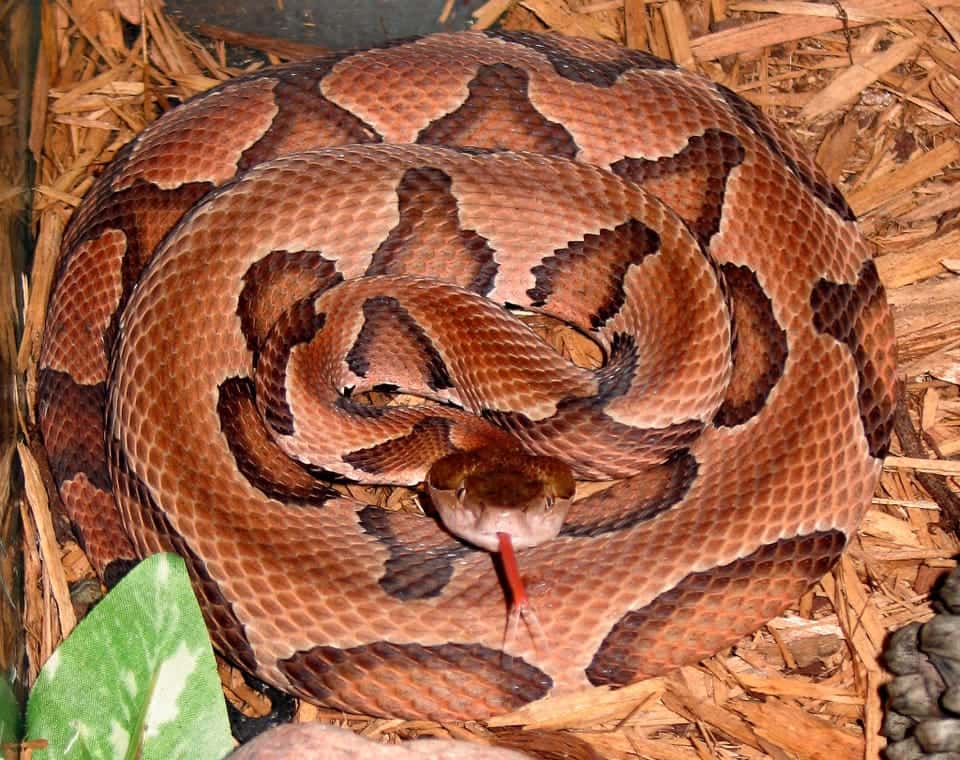 Wikimedia Commons / Wikimedia Commons (Public domain)
FN-0063 · Reptiles & Amphibians
Is That a Copperhead? How to Identify the Venomous Snake (Safely)
Copperheads are the venomous snake you are most likely to meet in the eastern U.S. Learn their pattern from a safe distance and the harmless lookalikes.
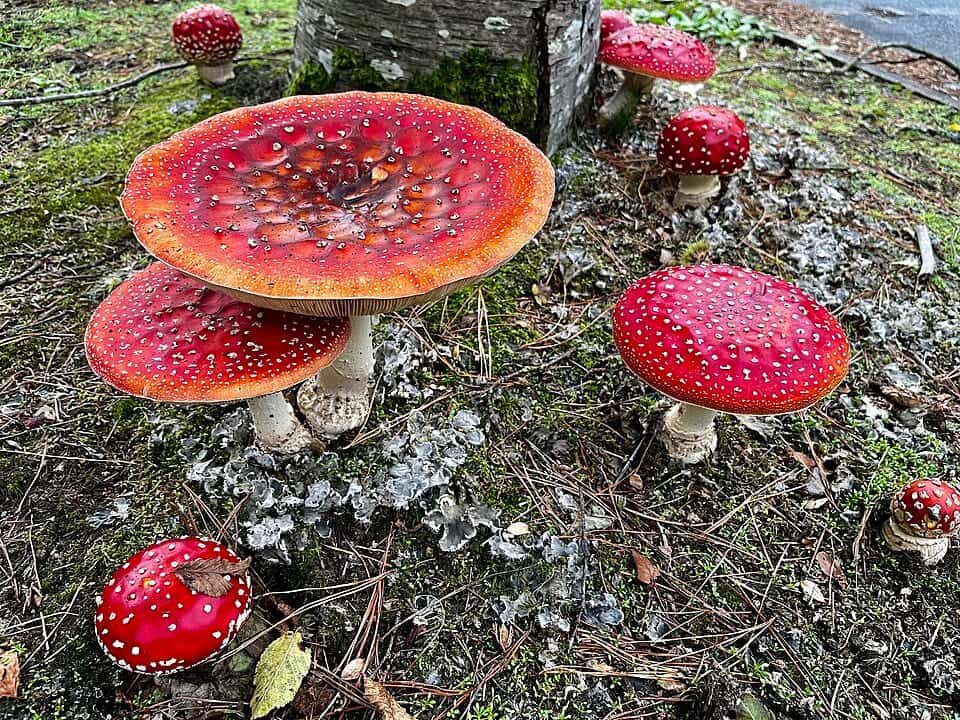 Kieran Roy Powell / Wikimedia Commons (CC BY 4.0)
FN-0065 · Mushrooms & Fungi
What Is the Red Mushroom With White Spots? Identifying the Fly Agaric
A red domed cap with white flecks under pines or birches is the fly agaric, Amanita muscaria. Learn to recognize it and why it is one to never eat.
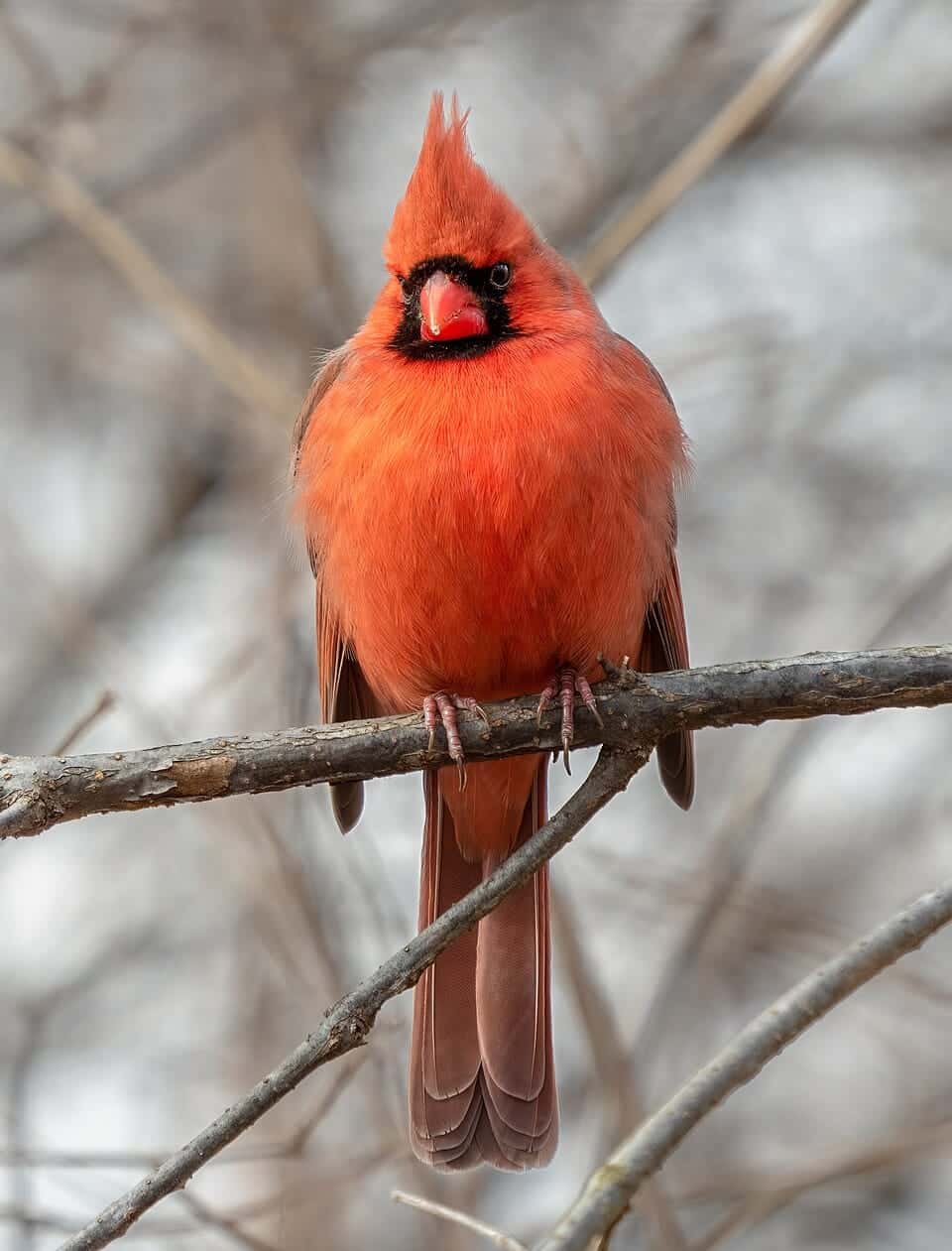 Rhododendrites / Wikimedia Commons (CC BY-SA 4.0)
FN-0062 · Birds
Why Is the Cardinal or Blue Jay at My Feeder Bald? The Late-Summer Molt Explained
A cardinal or blue jay with a bare black head in late summer is usually molting. Learn the signs and the rare case when baldness deserves a second look.
 Rhododendrites / Wikimedia Commons (CC BY-SA 4.0)
FN-0060 · Insects & Bugs
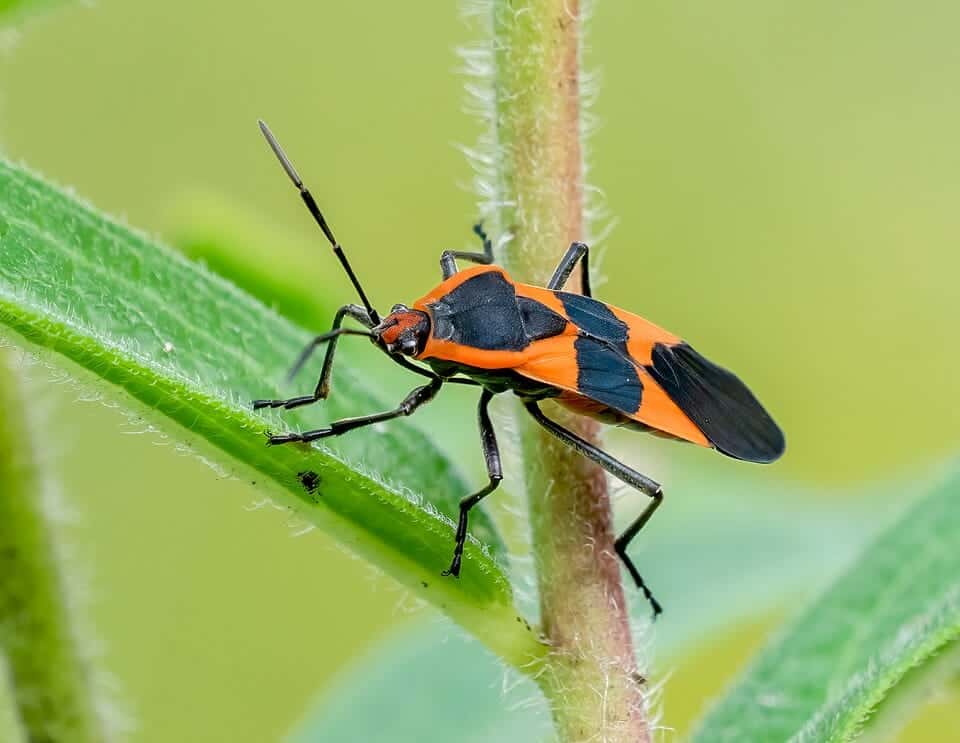
What Are the Orange-and-Black Bugs Swarming My Milkweed? Identifying the Large Milkweed Bug
Orange-and-black bugs massed on milkweed pods are usually native large milkweed bugs. Learn to tell them from boxelder bugs and whether to do anything.
 Ivar Leidus / Wikimedia Commons (CC BY-SA 4.0)
FN-0061 · Insects & Bugs
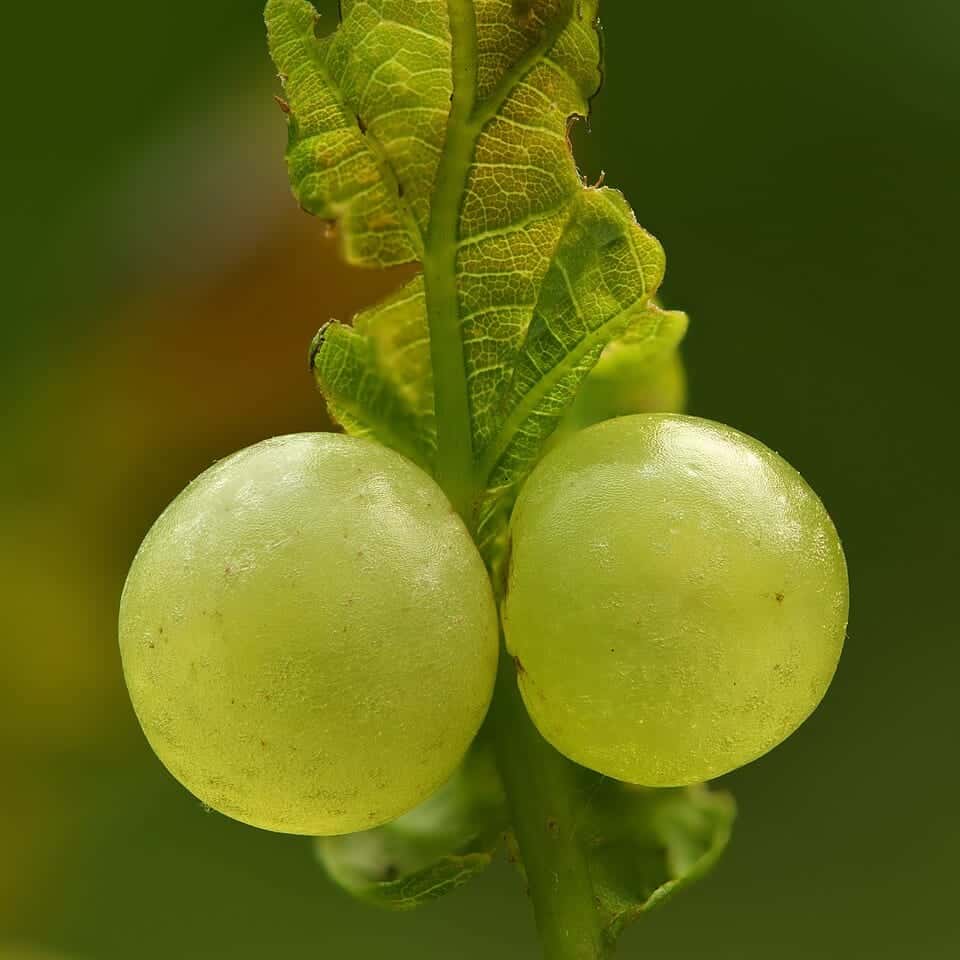
What Are the Round Balls and Bumps on My Oak Leaves? Identifying Oak Galls
Papery brown balls or warty bumps on oak leaves and twigs are oak galls, growths triggered by tiny insects. Learn the common types and if they matter.
 (c) Christine Young, some rights reserved (CC BY) / Wikimedia Commons (CC BY 4.0)
FN-0057 · Insects & Bugs
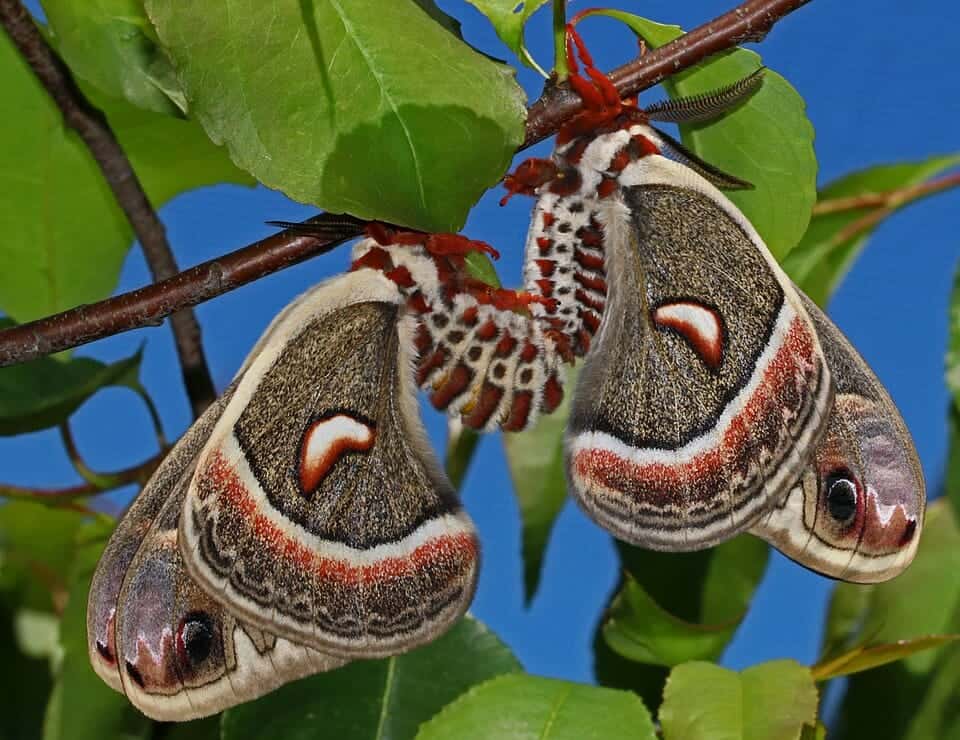
What Is the Big Green Caterpillar on My Sidewalk? Identifying Giant Silk Moth Caterpillars
A finger-sized green caterpillar with colorful knobs or spines is likely a giant silk moth larva. Learn which are harmless and the one not to touch.
 Rodney Campbell / Wikimedia Commons (CC BY 2.0)
FN-0058 · Birds
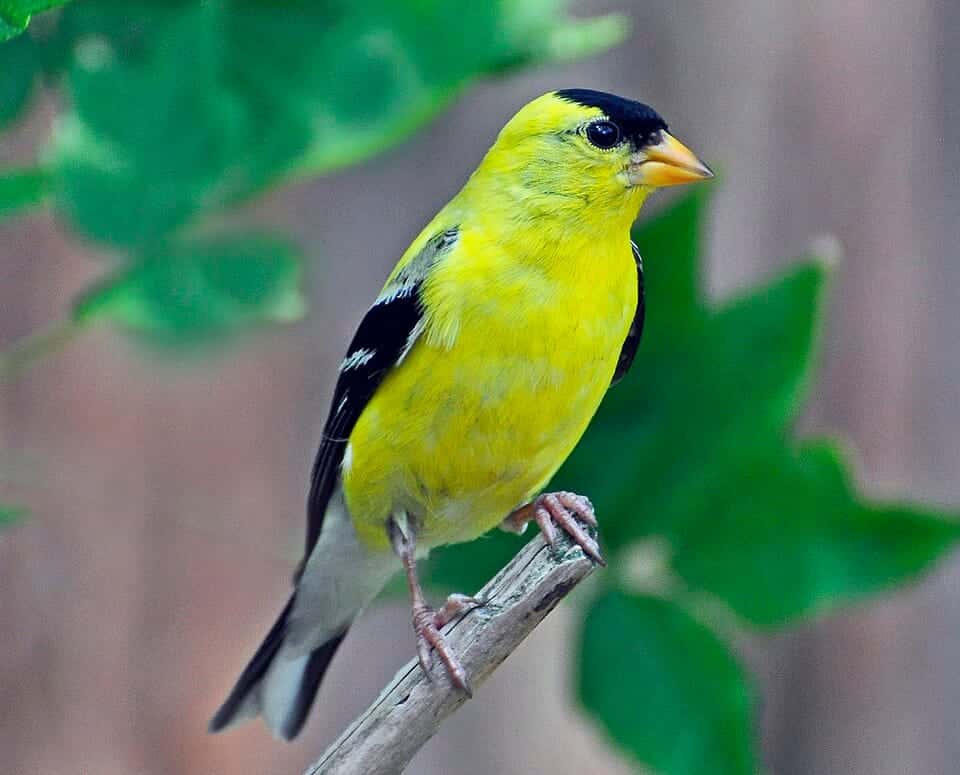
What Is the Bright Yellow Bird at My Feeder? Identifying the American Goldfinch
A small lemon-yellow bird with black wings at your feeder is the American goldfinch. Learn to identify it and why it nests so late in the summer.
 Rror / Wikimedia Commons (CC BY-SA 3.0)
FN-0059 · Mushrooms & Fungi
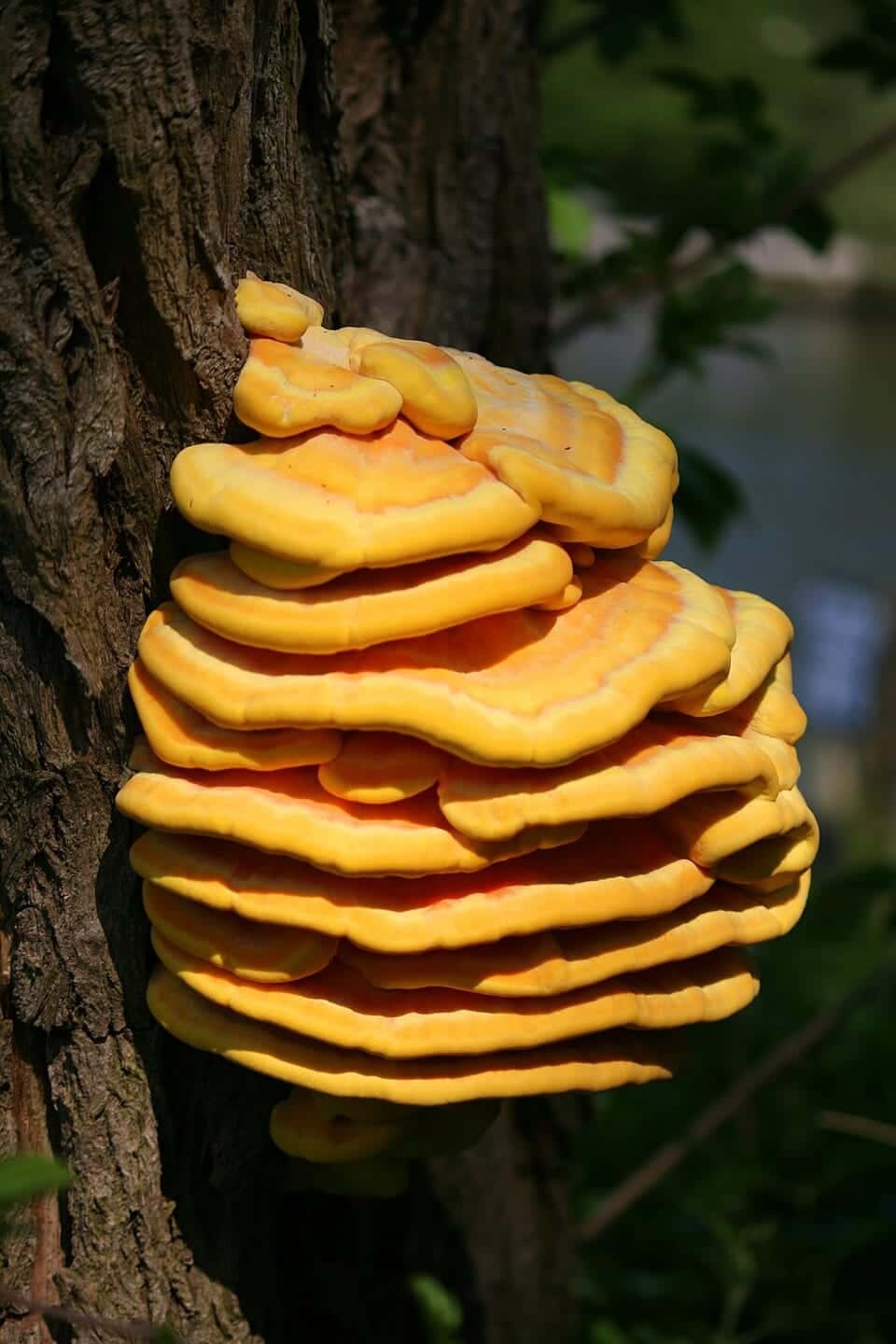
What Is the Bright Orange Shelf Mushroom on My Tree? Identifying Chicken of the Woods
Overlapping orange-and-yellow shelves on a trunk or stump are likely chicken of the woods. Learn to identify it, what it means for the tree, and safety.
 Rhododendrites / Wikimedia Commons (CC BY-SA 4.0)
FN-0054 · Insects & Bugs
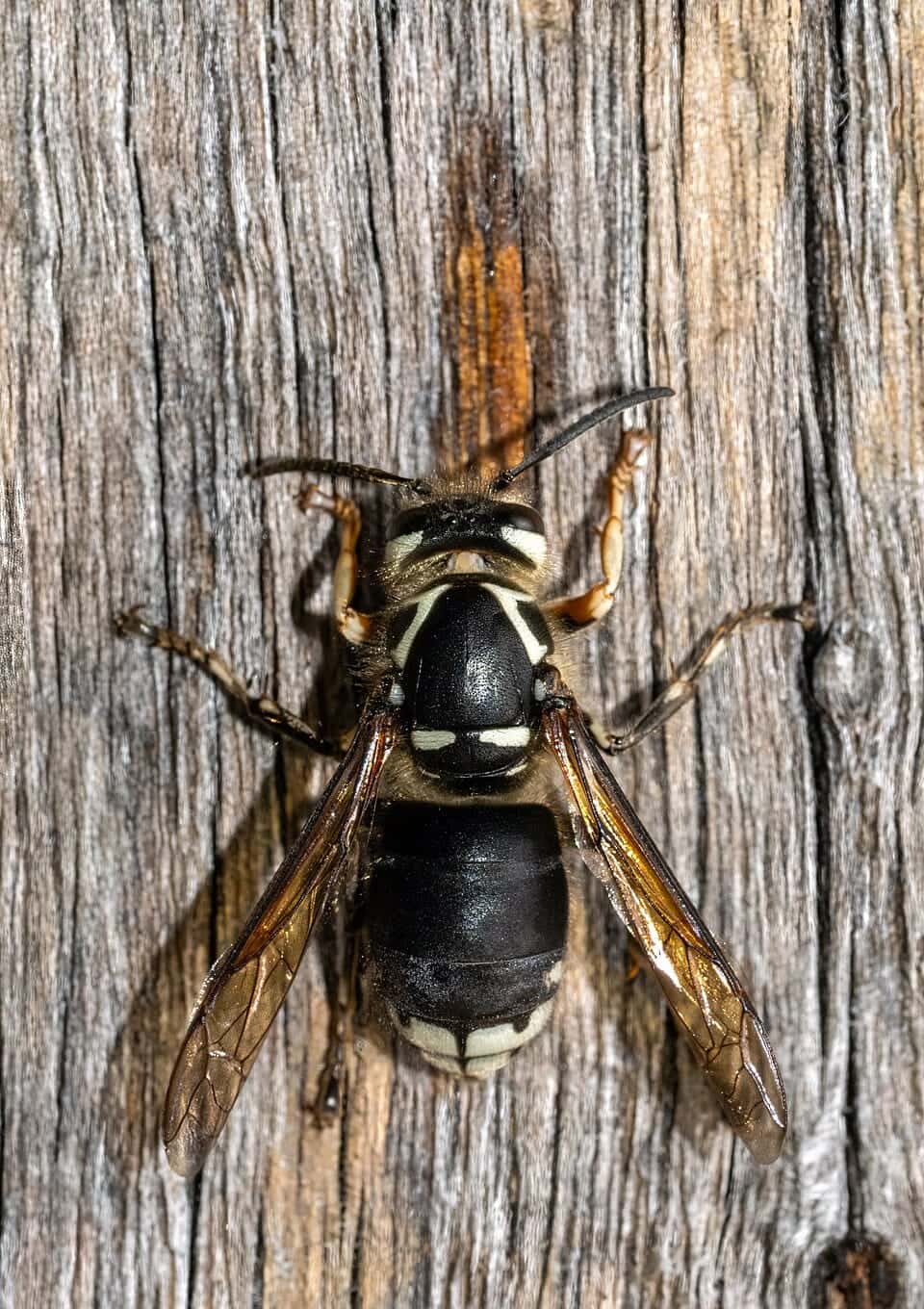
What Is the Big Gray Paper Nest in My Tree? Identifying Bald-Faced Hornets
A football-sized gray paper nest with a hole at the bottom belongs to bald-faced hornets. Learn to identify it and how to stay safe around one.
 Kaldari / Wikimedia Commons (CC0)
FN-0056 · Spiders, Ticks & Mites
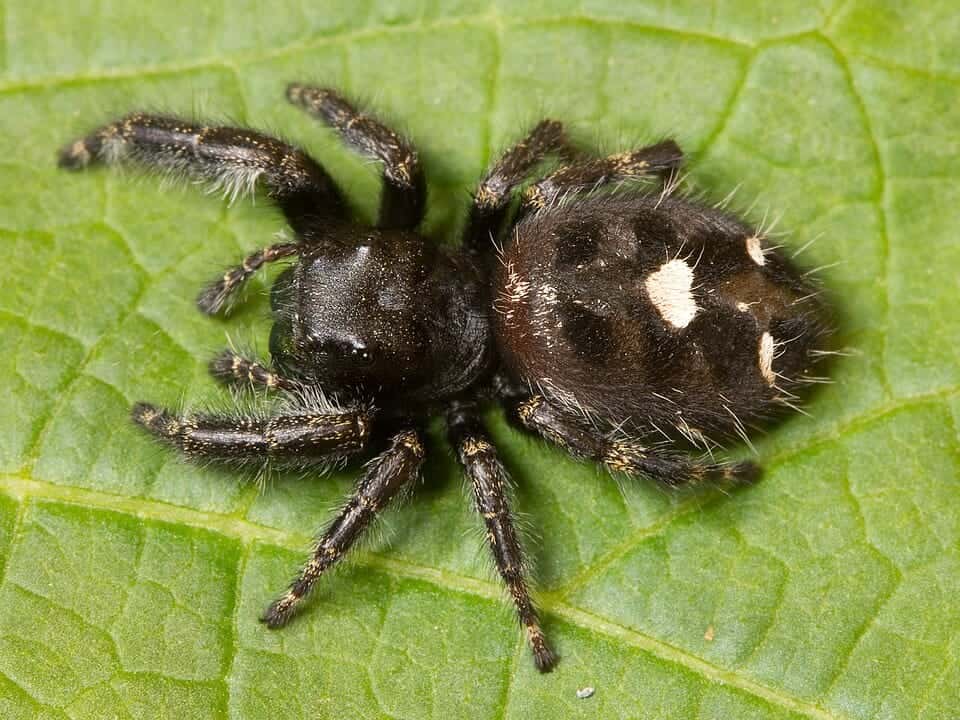
What Is the Tiny Fuzzy Spider That Jumps? Identifying Jumping Spiders
A small fuzzy spider that turns to watch you, then leaps, is a jumping spider. Learn to identify one of the most harmless spiders around your home.
 The original uploader was Sulfur at English Wikipedia. / Wikimedia Commons (CC BY-SA 3.0)
FN-0055 · Mushrooms & Fungi
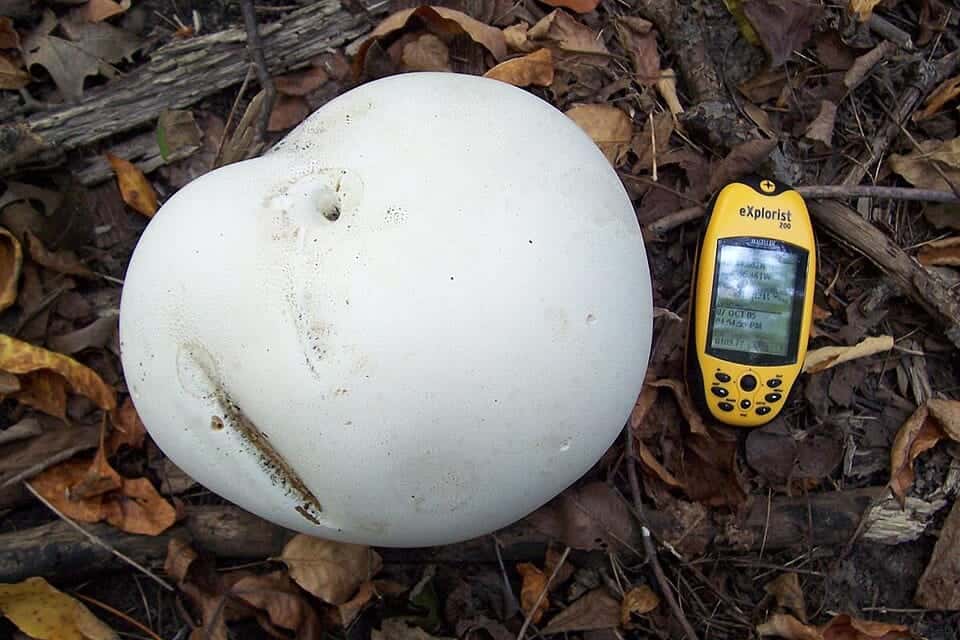
What Is the Big White Ball in My Yard? Identifying the Giant Puffball
A smooth white ball the size of a soccer ball in the grass is likely a giant puffball. Learn the key check that rules out a dangerous look-alike.
 D. Gordon E. Robertson / Wikimedia Commons (CC BY-SA 3.0)
FN-0051 · Insects & Bugs
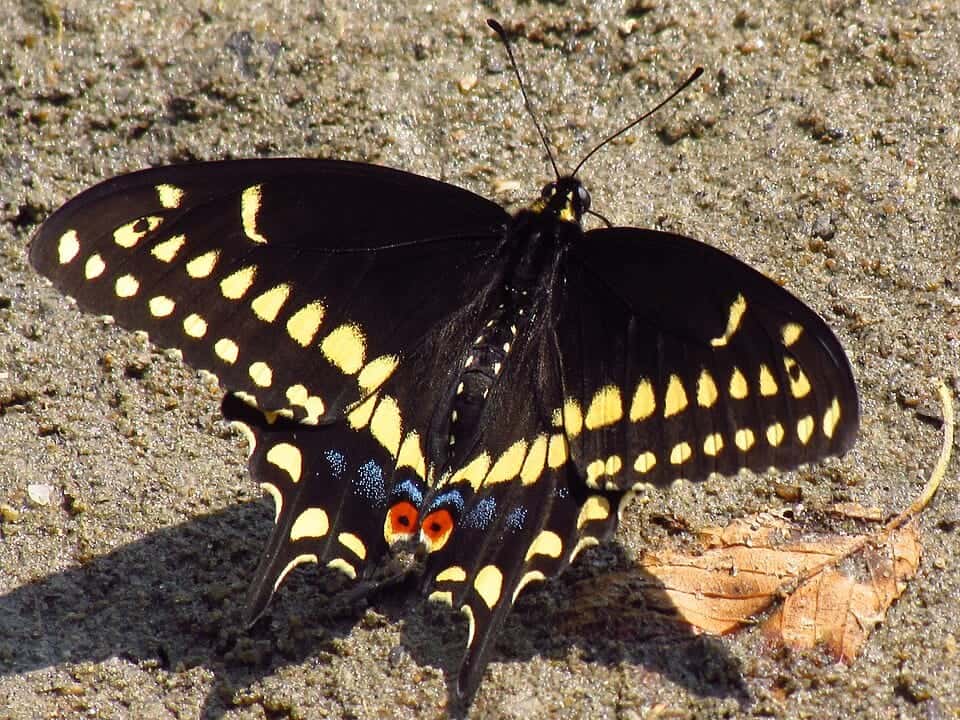
What Is Eating My Dill and Parsley? Identifying the Black Swallowtail Caterpillar
Plump green-and-black striped caterpillars on dill or parsley are black swallowtail larvae. Learn to identify them and why many gardeners let them stay.
 HaarFager at English Wikipedia / Wikimedia Commons (CC BY-SA 3.0)
FN-0052 · Insects & Bugs
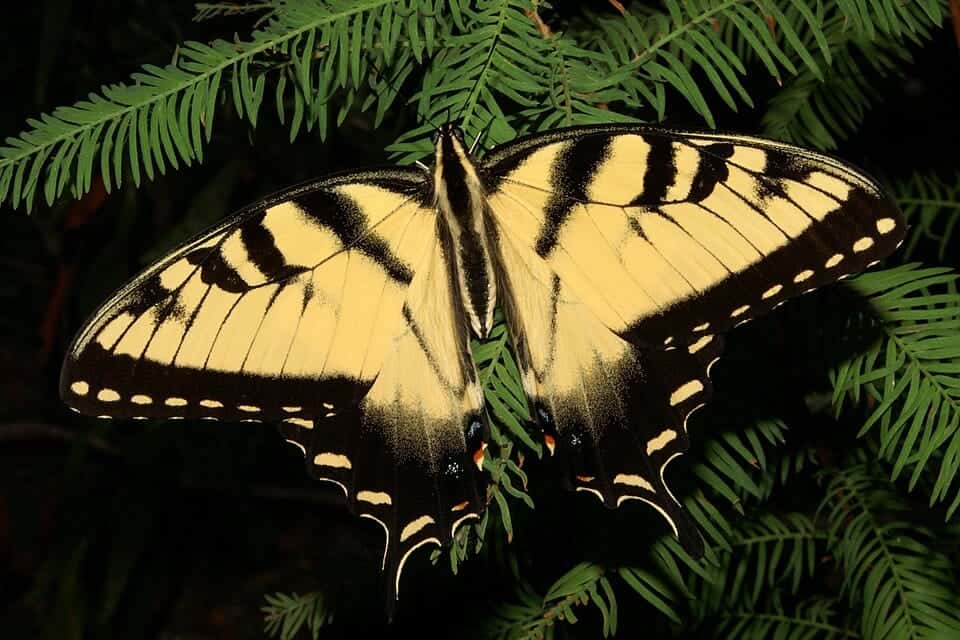
What Is the Big Yellow Butterfly With Black Stripes? Identifying the Eastern Tiger Swallowtail
A large yellow butterfly with bold black stripes is the eastern tiger swallowtail. Learn to identify it, plus the black form that fools almost everyone.
 Chfab / Wikimedia Commons (CC BY-SA 3.0)
FN-0053 · Spiders, Ticks & Mites
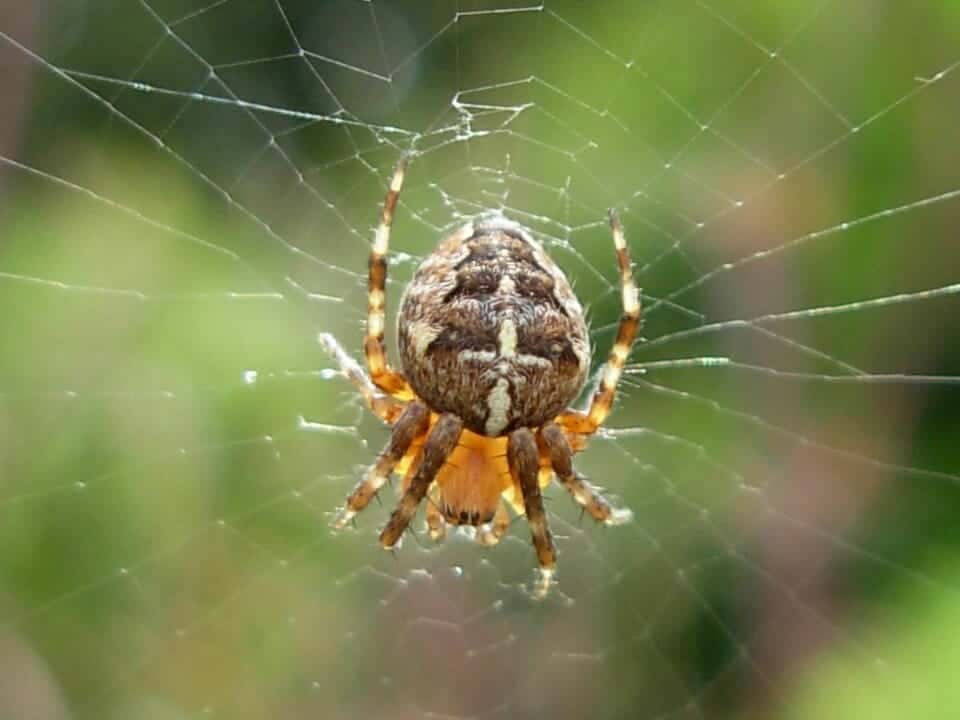
What Made the Big Web in My Yard Overnight? Identifying Orb Weaver Spiders
A big wheel-shaped web with a large spider in the center is usually a harmless orb weaver. Learn to identify one and why the webs appear in late summer.
 Wikimedia Commons / Wikimedia Commons (CC BY-SA 3.0)
FN-0048 · Spiders, Ticks & Mites
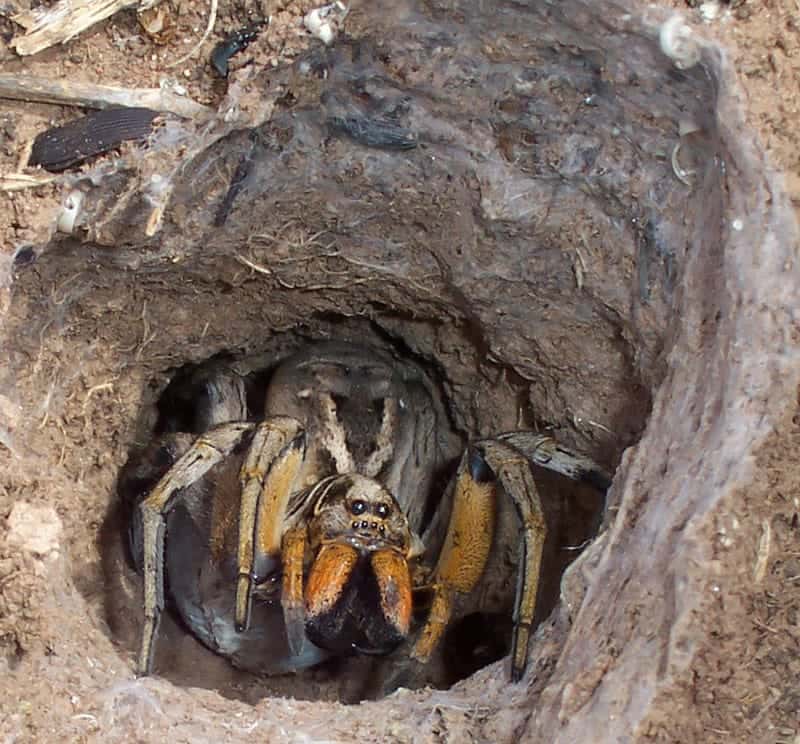
Is That a Wolf Spider? How to Identify the Big Hairy Spider in Your House
A large, fast, hairy brown spider running across the basement floor is usually a wolf spider. Learn to recognize one and whether it can hurt you.
 Benny Mazur from Toledo, OH / Wikimedia Commons (CC BY 2.0)
FN-0049 · Insects & Bugs
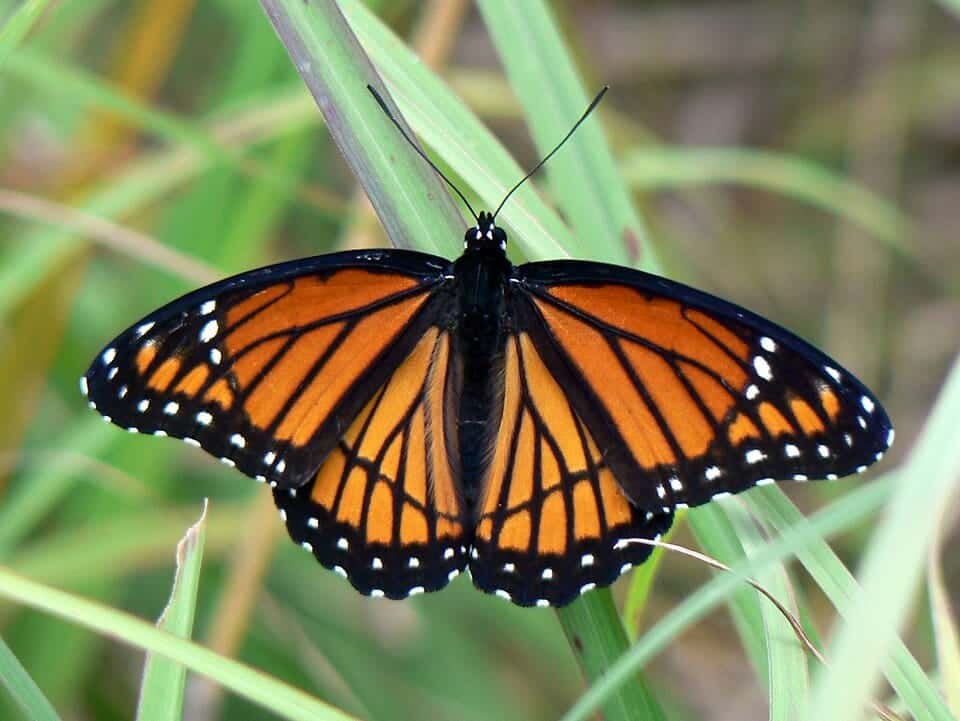
Monarch or Viceroy? How to Tell the Orange Butterflies Apart
Monarch or viceroy? These orange-and-black butterflies look nearly identical, but one small black line tells the mimic from the monarch every time.
 Andy Reago & Chrissy McClarren / Wikimedia Commons (CC BY 2.0)
FN-0050 · Insects & Bugs
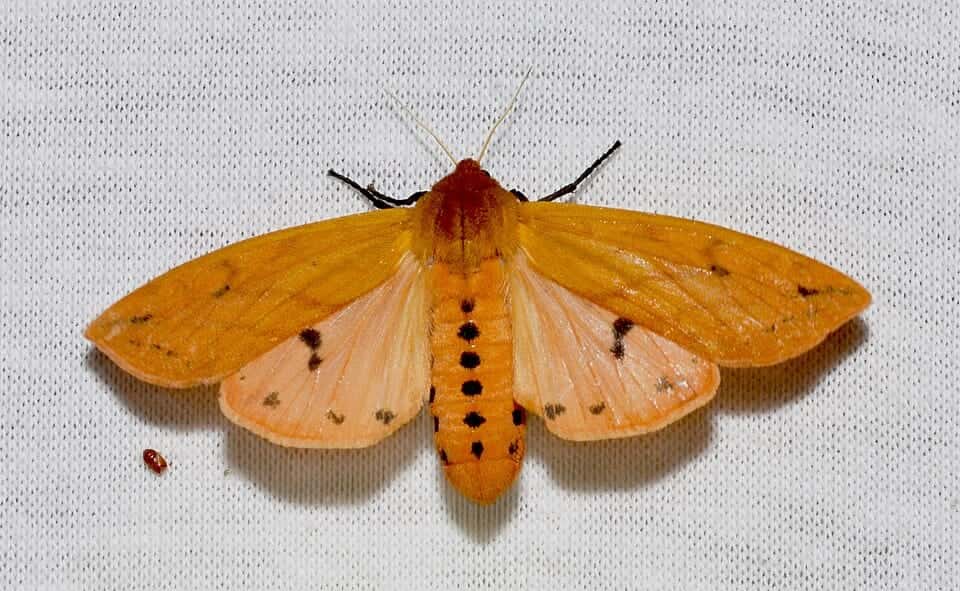
What Is the Fuzzy Black-and-Orange Caterpillar? Identifying the Woolly Bear
A stout fuzzy caterpillar with black ends and a rusty middle band is a woolly bear. Learn to identify it and what its bands really say about winter.
 Ryan Kaldari / Wikimedia Commons (Public domain)
FN-0047 · Insects & Bugs
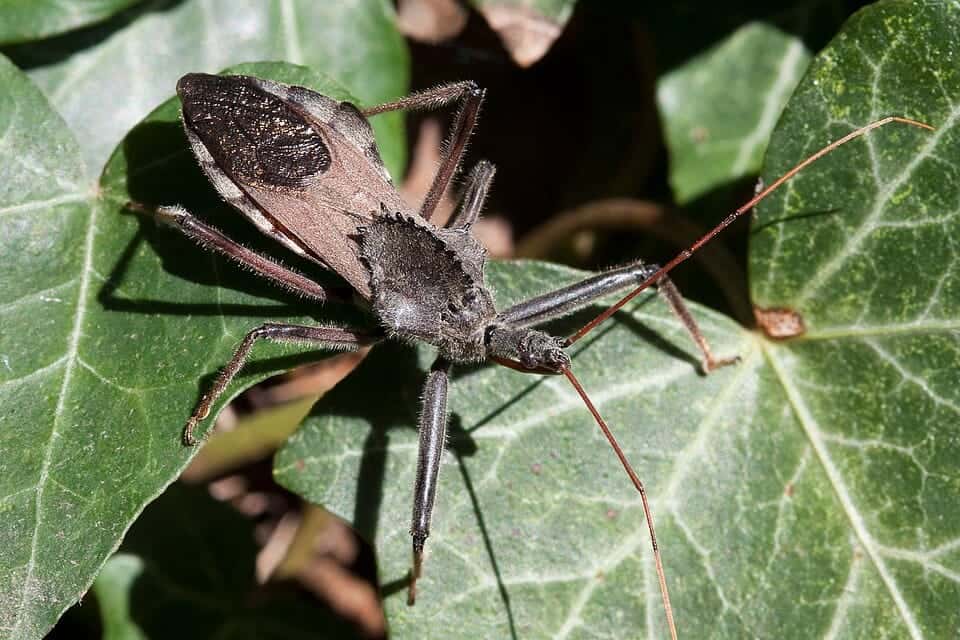
What Is That Gray Bug With a Gear on Its Back? Identifying the Wheel Bug
A big gray insect with a cogwheel-shaped crest on its back is a wheel bug, a useful yard predator. Learn to recognize it and why to leave it alone.
 Andrew C / Wikimedia Commons (CC BY 2.0)
FN-0046 · Insects & Bugs
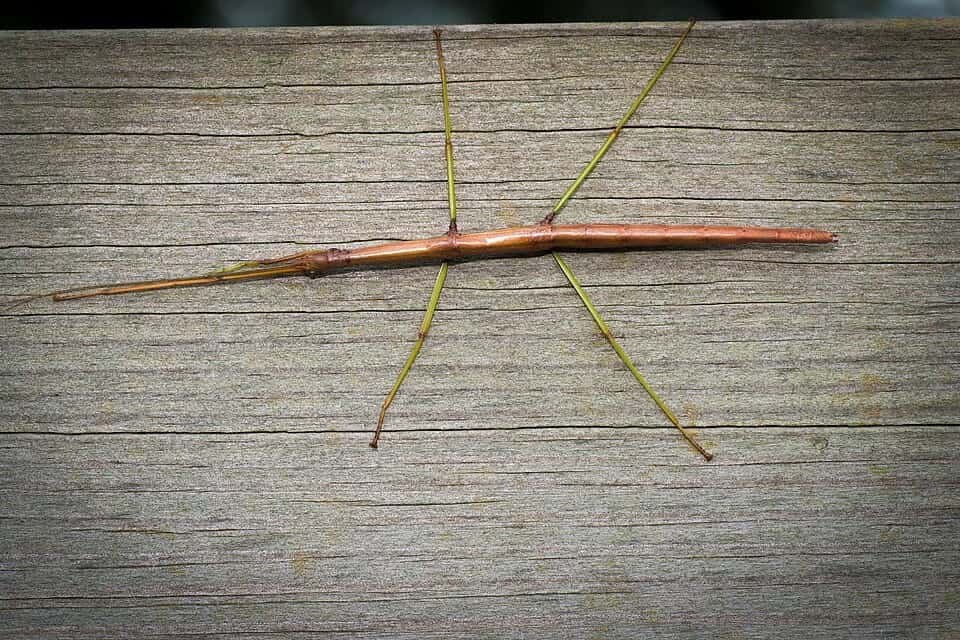
Did That Twig Just Move? How to Identify a Walking Stick Insect
That twig that starts walking is a walking stick insect, one of North America's best-camouflaged animals. Learn to spot one and whether it can hurt you.
 Charles J. Sharp / Wikimedia Commons (CC BY-SA 4.0)
FN-0045 · Insects & Bugs
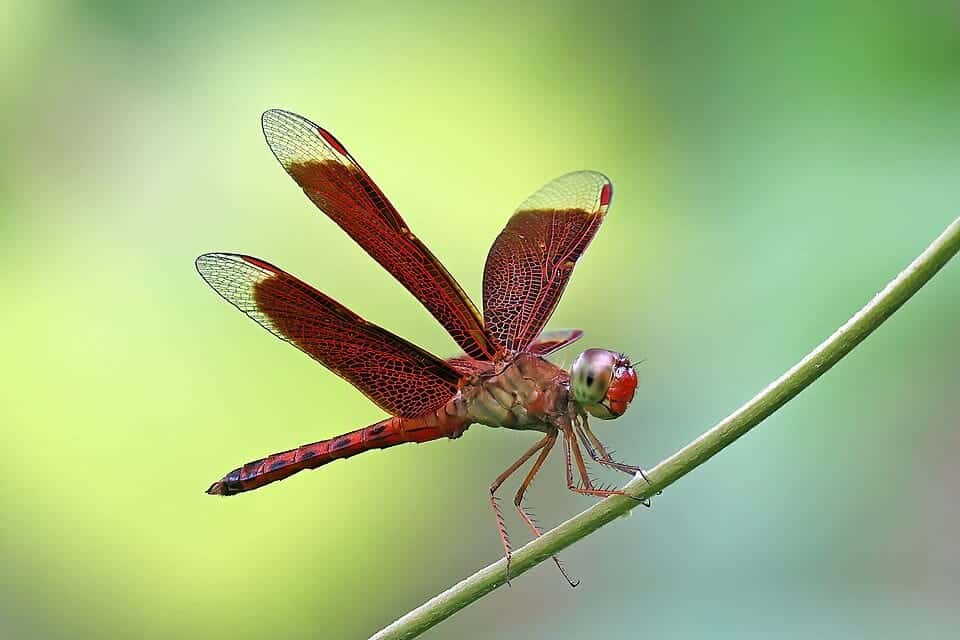
Dragonfly or Damselfly? How to Tell These Summer Fliers Apart
Dragonfly or damselfly? A few quick features tell these jewel-toned pond fliers apart every time. Learn what to look for, and why neither can hurt you.
 Judy Gallagher / Wikimedia Commons (CC BY 2.0)
FN-0043 · Insects & Bugs
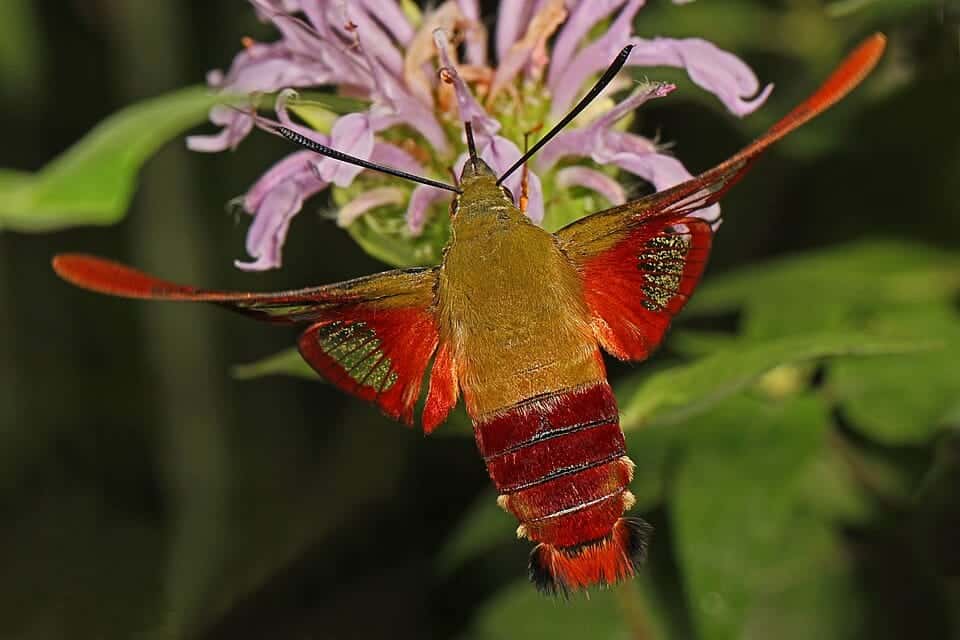
Is That a Tiny Hummingbird? How to Identify the Hummingbird Moth
A thumb-sized flier hovering at flowers and sipping nectar is often a hummingbird moth. Learn to recognize it and tell the two common species apart.
 Luc Viatour / Wikimedia Commons (CC BY-SA 3.0)
FN-0042 · Insects & Bugs
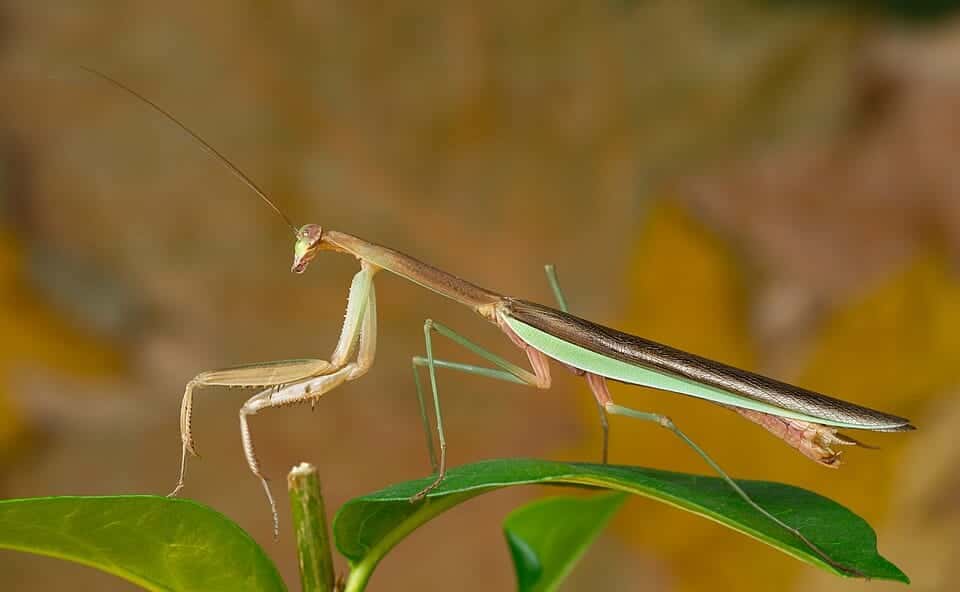
How to Identify a Praying Mantis (and Which Ones Are Native)
Identify a praying mantis by its triangular, swiveling head and long body. Learn the three common species, which are native, and their foamy egg cases.
 Quartl / Wikimedia Commons (CC BY-SA 3.0)
FN-0044 · Insects & Bugs
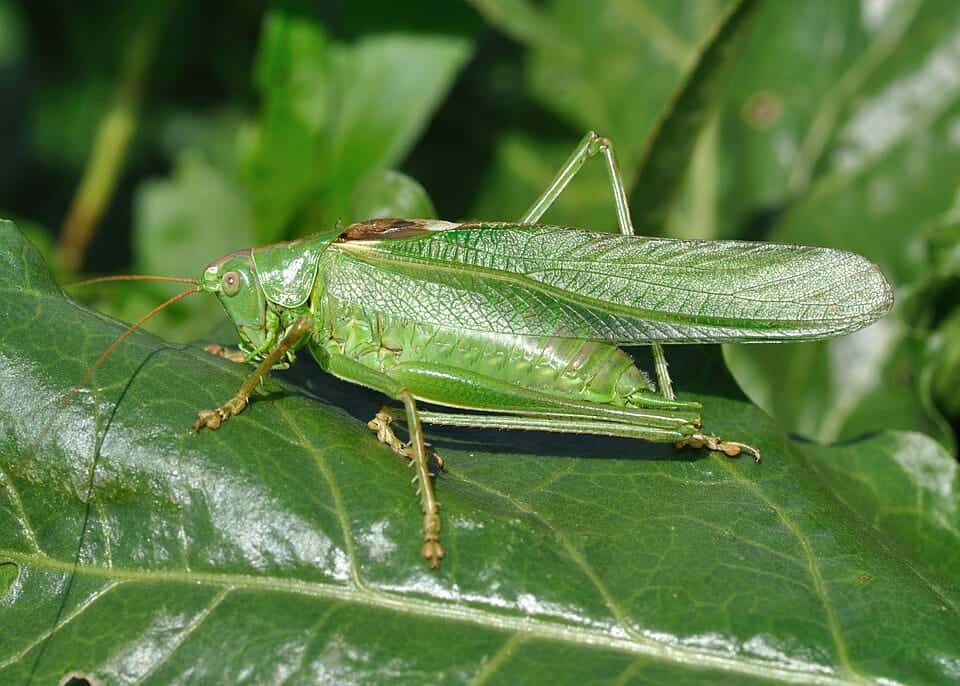
What Is Making All That Noise at Night? Identifying Katydids and Crickets
Late-summer night noise comes from katydids, crickets, and tree crickets, each with its own song. Learn how to tell which insect is calling in the dark.
 Wikimedia Commons / Wikimedia Commons (Public domain)
FN-0039 · Wildflowers
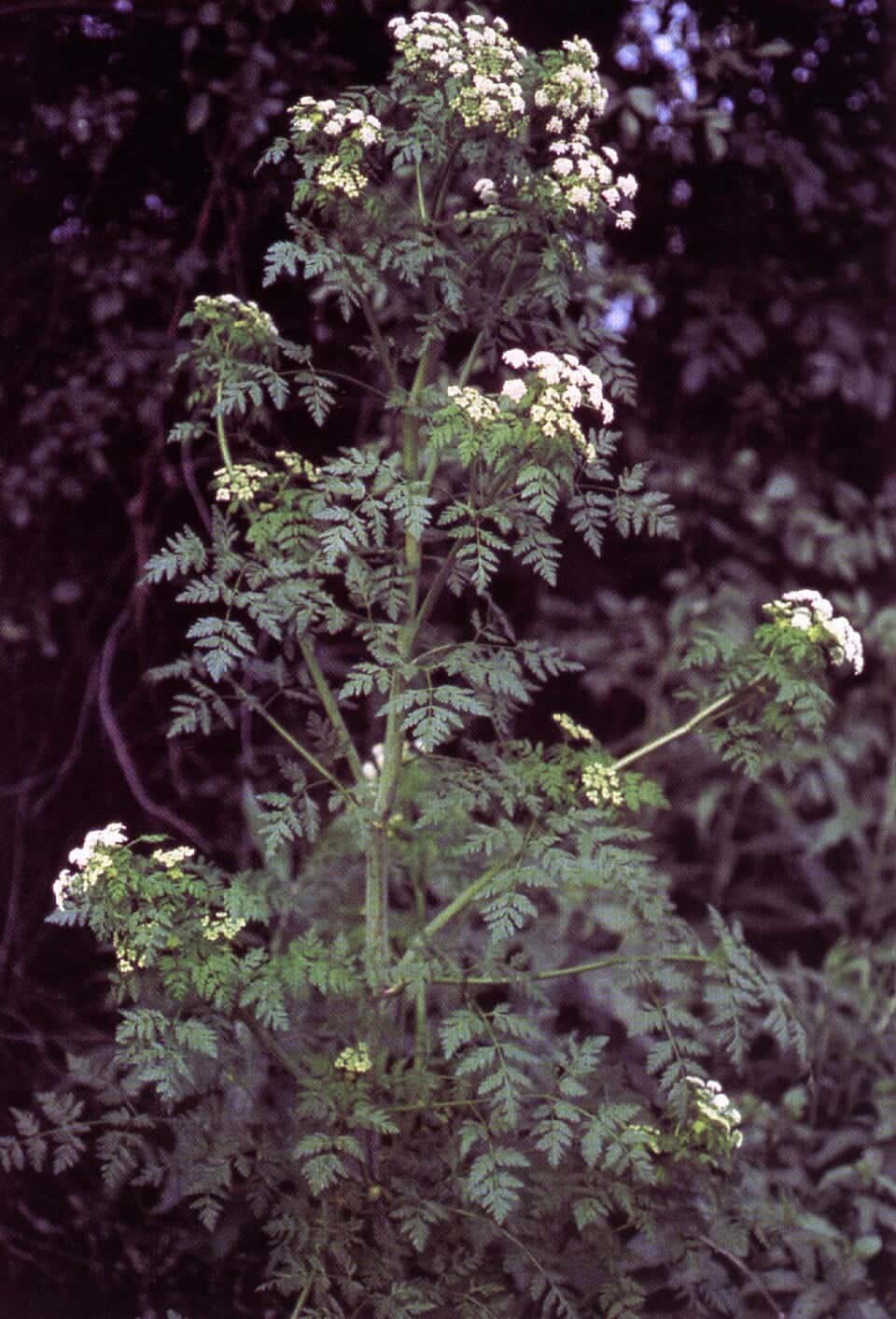
Poison Hemlock vs Queen Anne’s Lace: How to Tell the Deadly One Apart
Poison hemlock and Queen Anne's lace both carry lacy white flower clusters, but hemlock is deadly. Learn how to tell the two apart at a glance.
Found something on the trail?
Plants, animals, fungi and rocks from one photo. Free to start on iPhone and Android.