256 entries · page 8 of 11
Field Notes, page 8
How to identify the plants, animals, mushrooms, tracks and rocks you find outside, with the look-alikes and safety notes that matter.
Posts, page 8 of 11
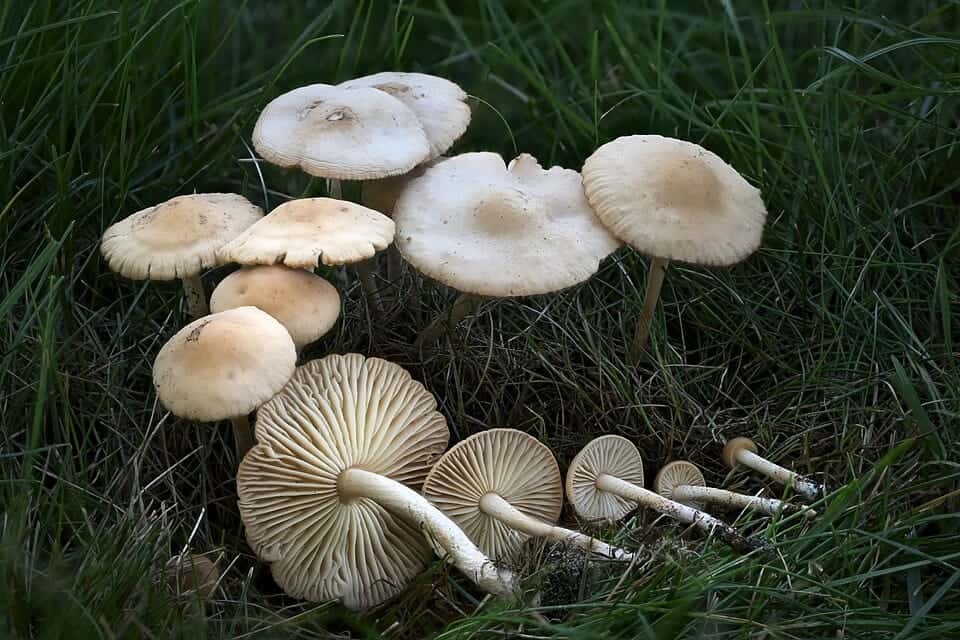 Alan Rockefeller / Wikimedia Commons (CC BY 4.0)
FN-0089 · Mushrooms & Fungi
Why Is There a Ring of Mushrooms in My Lawn? Understanding Fairy Rings
A circle of mushrooms, or of dark green or dead grass, in a lawn is a fairy ring made by one underground fungus. Learn why it forms and what to do next.
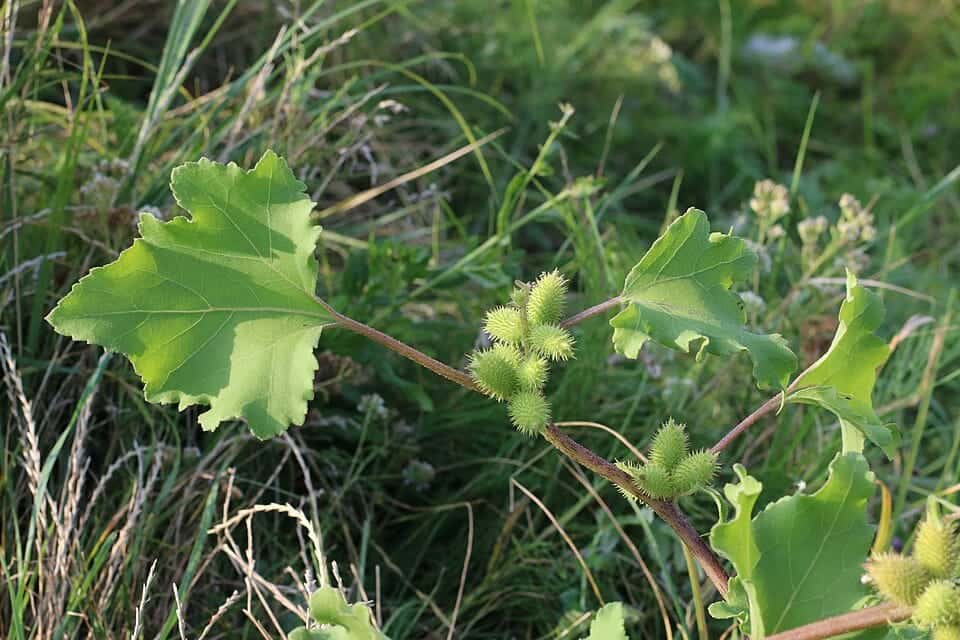 George Chernilevsky / Wikimedia Commons (CC BY 4.0)
FN-0088 · Plants, Vines & Weeds
What Is the Plant With Burs That Stick to Your Clothes? Identifying Cocklebur and Burdock
The prickly burs on your clothes or dog usually come from cocklebur or burdock. Learn how to tell these late-summer weeds apart and why their burs cling.
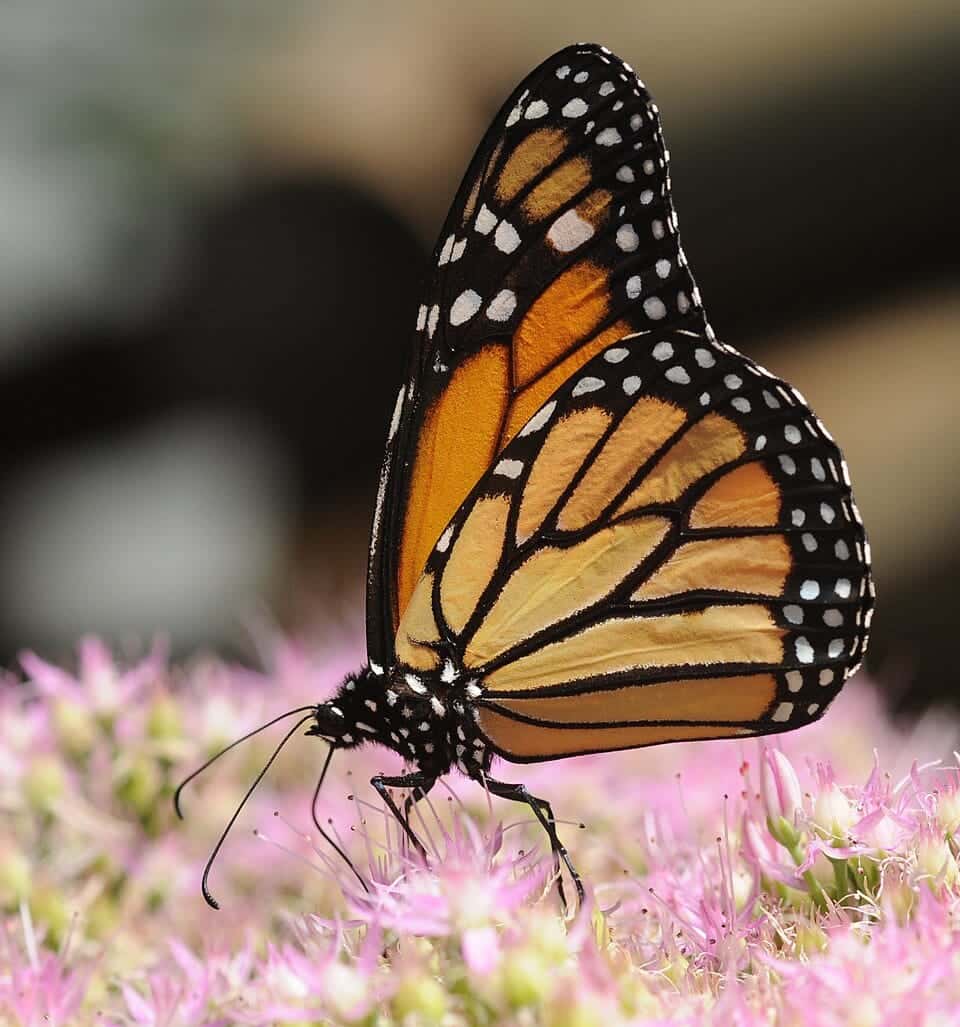 Thomas Bresson / Wikimedia Commons (CC BY 2.0)
FN-0086 · Insects & Bugs
Why Are There Suddenly So Many Monarchs? Understanding the Great Fall Migration
Orange-and-black butterflies streaming south in late summer mark the monarch fall migration. Learn what is happening and why these monarchs are special.
 Wikimedia Commons / Wikimedia Commons (CC BY 2.5)
FN-0085 · Wild Berries & Fruit
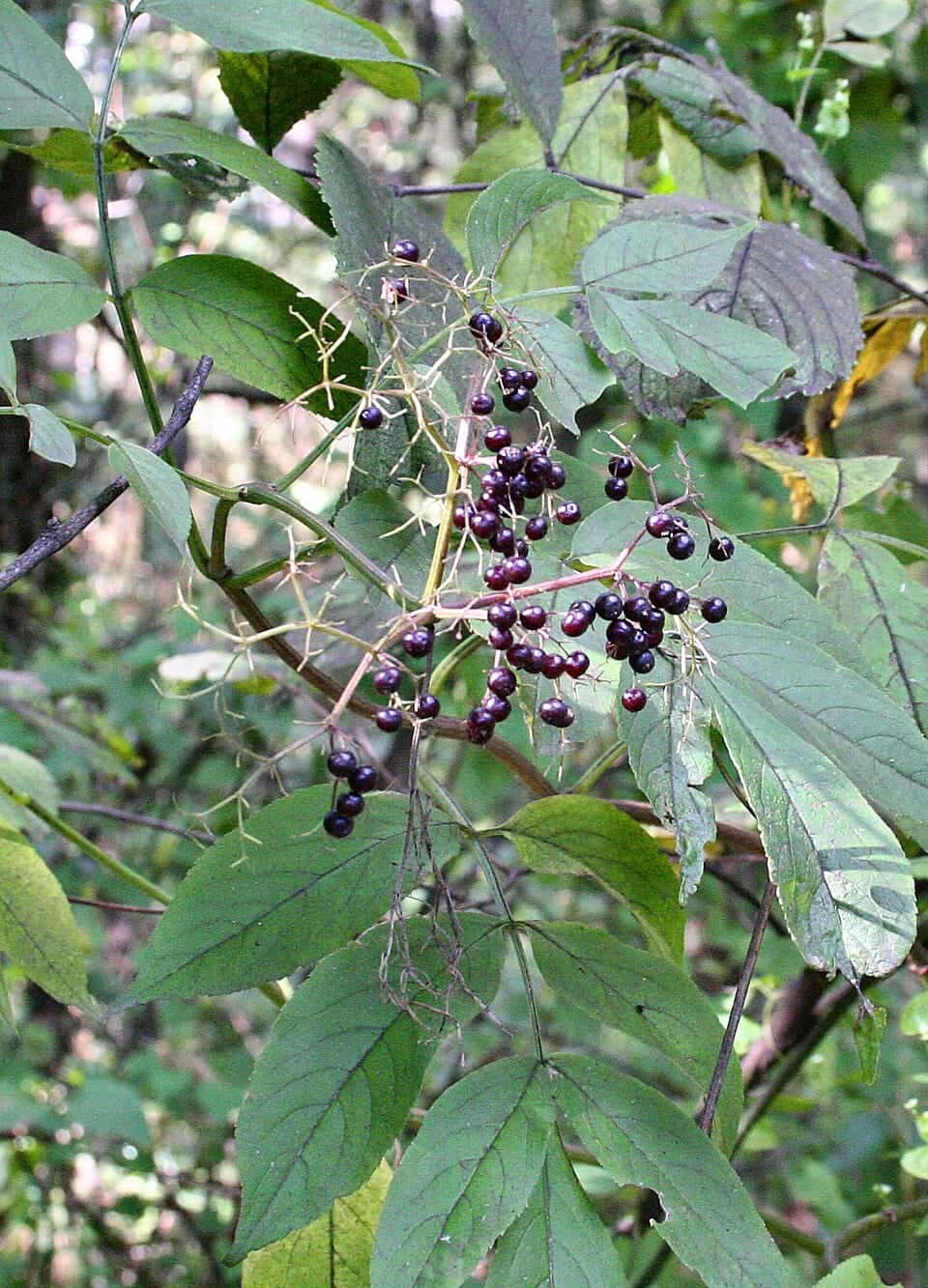
What Is the Shrub With Drooping Clusters of Tiny Dark Berries? Identifying Elderberry
Flat sprays of tiny purple-black berries on reddish stems mark elderberry, a late-summer shrub with toxic look-alikes. Learn its field marks with caution.
 Rkitko / Wikimedia Commons (CC BY 3.0)
FN-0084 · Insects & Bugs
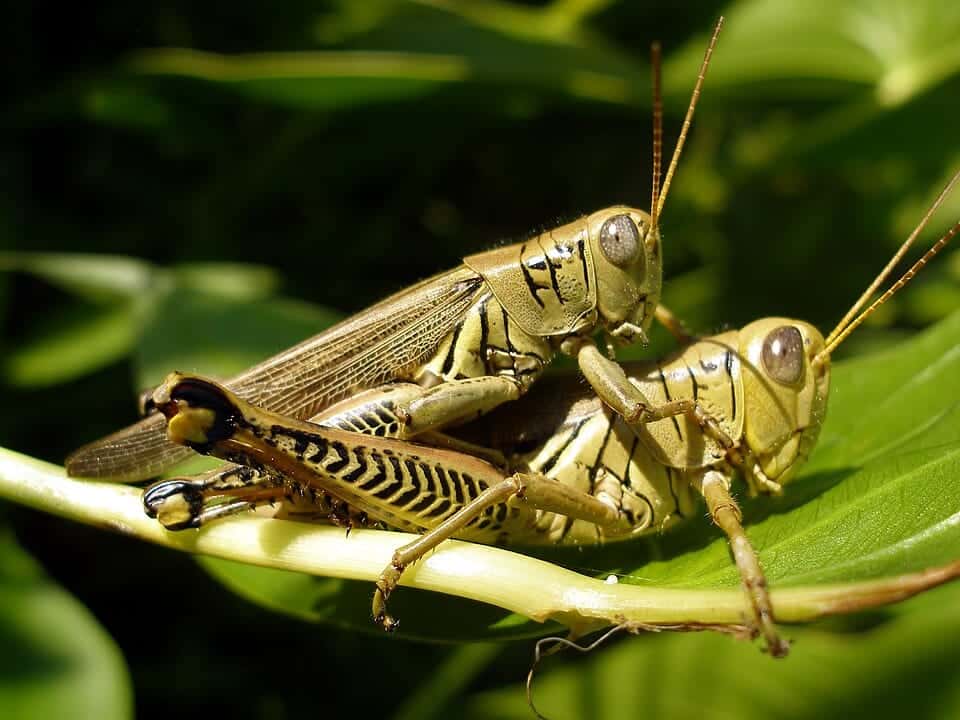
What Is the Big Grasshopper Eating My Garden? Identifying Grasshoppers (and the Toxic Lubber)
Late-summer grasshoppers are full-sized. Learn to tell grasshoppers from look-alikes and which slow, gaudy giant, the toxic lubber, you should not pick up.
 Mykola Swarnyk / Wikimedia Commons (CC BY-SA 3.0)
FN-0081 · Birds
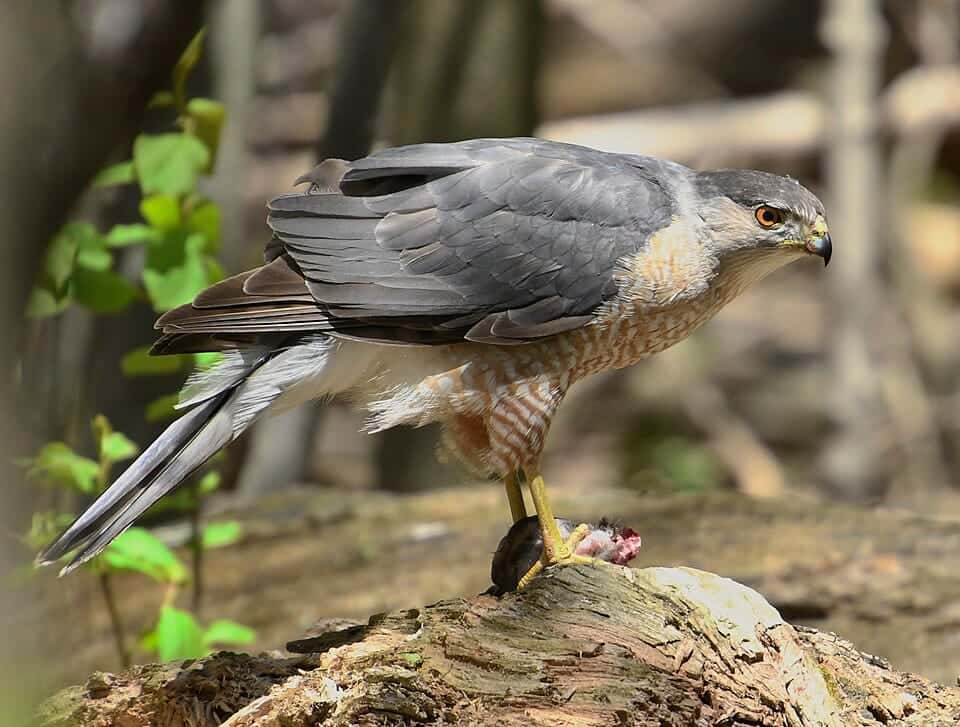
Is That a Cooper’s Hawk or a Sharp-Shinned Hawk? How to Tell the Backyard Bird-Hunters Apart
Cooper’s hawks and smaller sharp-shinned hawks both hunt songbirds at feeders and look nearly identical. Learn how to sort out these backyard bird-hunters.
 Holger Gröschl / Wikimedia Commons (CC BY-SA 2.0 de)
FN-0082 · Insects & Bugs
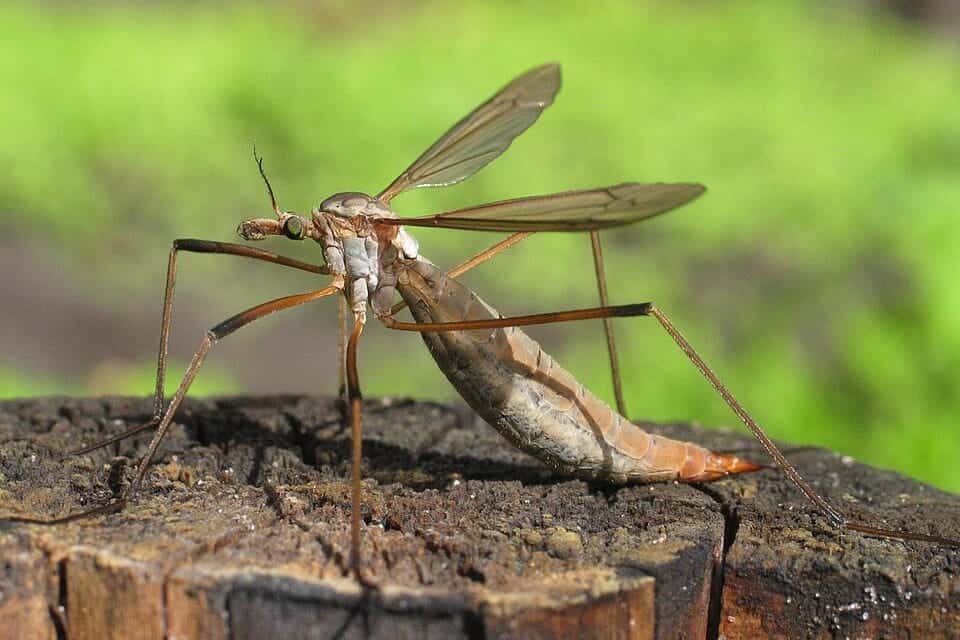
What Is the Giant Mosquito-Looking Bug on My Wall? Identifying the Harmless Crane Fly
That quarter-sized mosquito look-alike with impossibly long legs is a crane fly, and it cannot bite you. Learn what this misunderstood insect really is.
 Ivar Leidus / Wikimedia Commons (CC BY-SA 3.0)
FN-0083 · Wildflowers
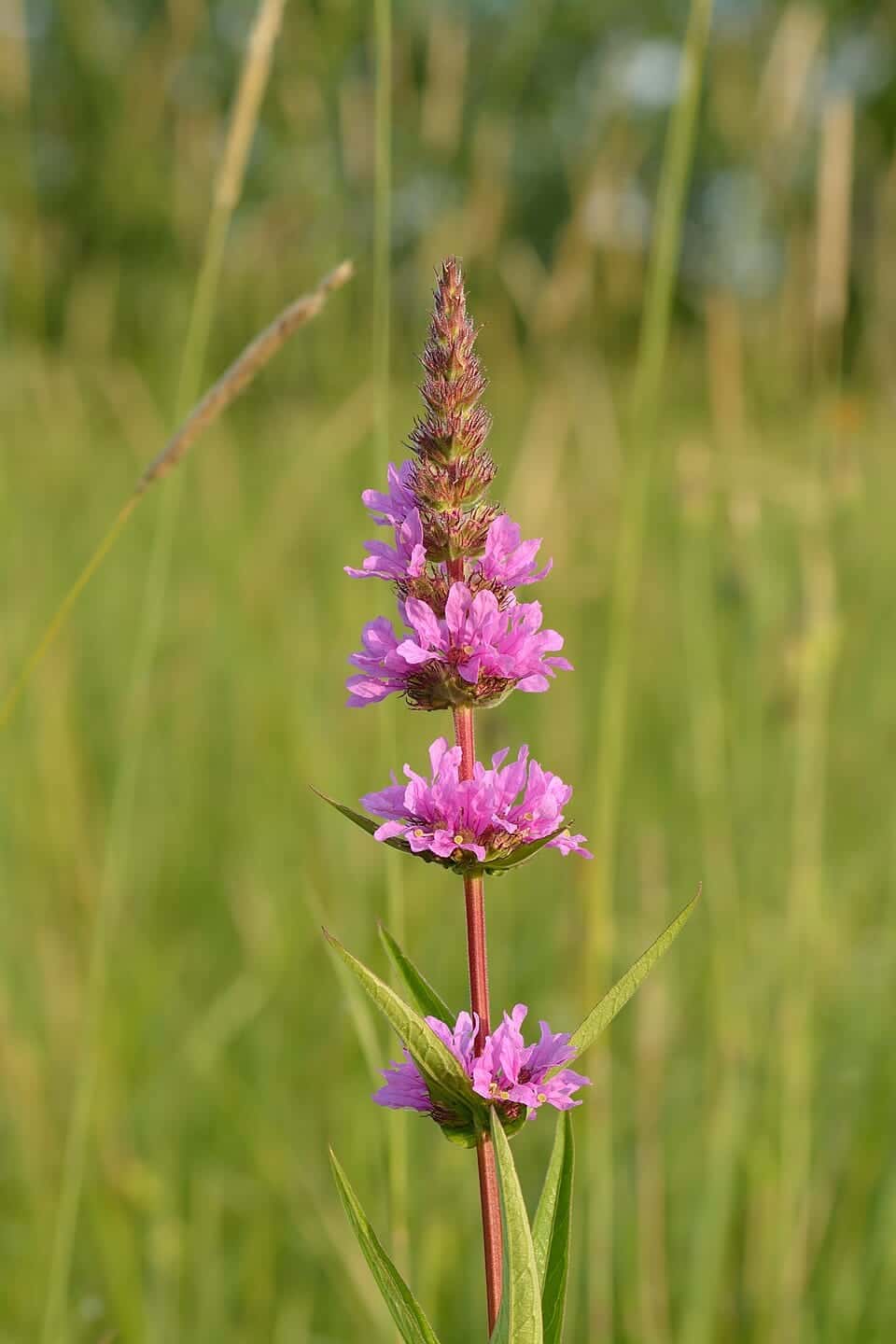
What Is the Tall Purple Flower Taking Over the Marsh? Identifying Purple Loosestrife
Tall magenta flower spikes filling marshes, ditches, and pond edges in late summer are purple loosestrife, one of the most damaging wetland invaders.
 Njh5880 / Wikimedia Commons (CC BY-SA 4.0)
FN-0080 · Insects & Bugs
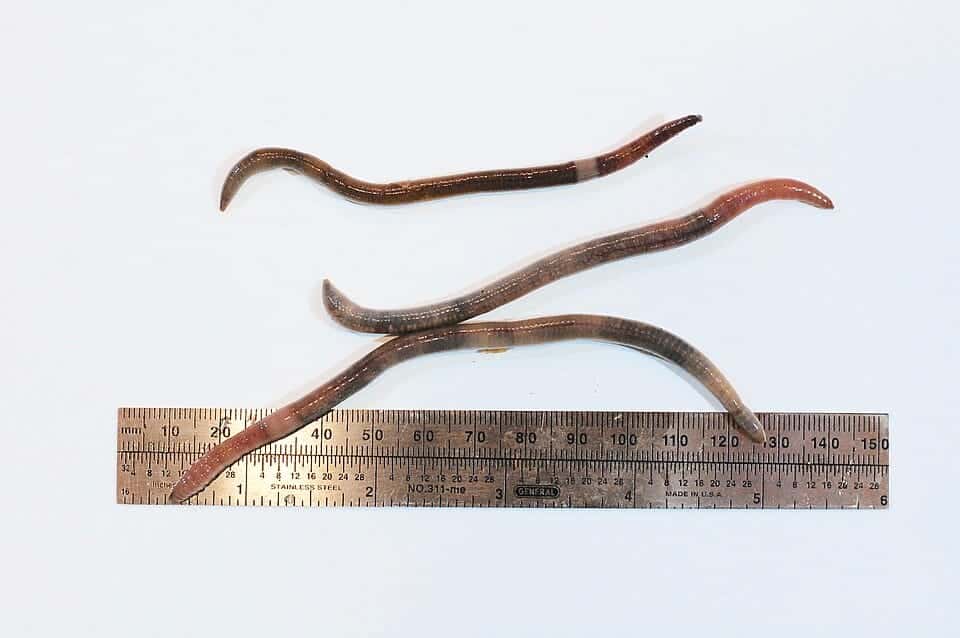
What Is the Worm Thrashing Wildly in My Garden? Identifying the Invasive Jumping Worm
A worm that thrashes and flips like a tiny snake may be an Asian jumping worm, an invasive that strips garden soil. Learn how to recognize one.
 Rhododendrites / Wikimedia Commons (CC BY-SA 4.0)
FN-0079 · Insects & Bugs
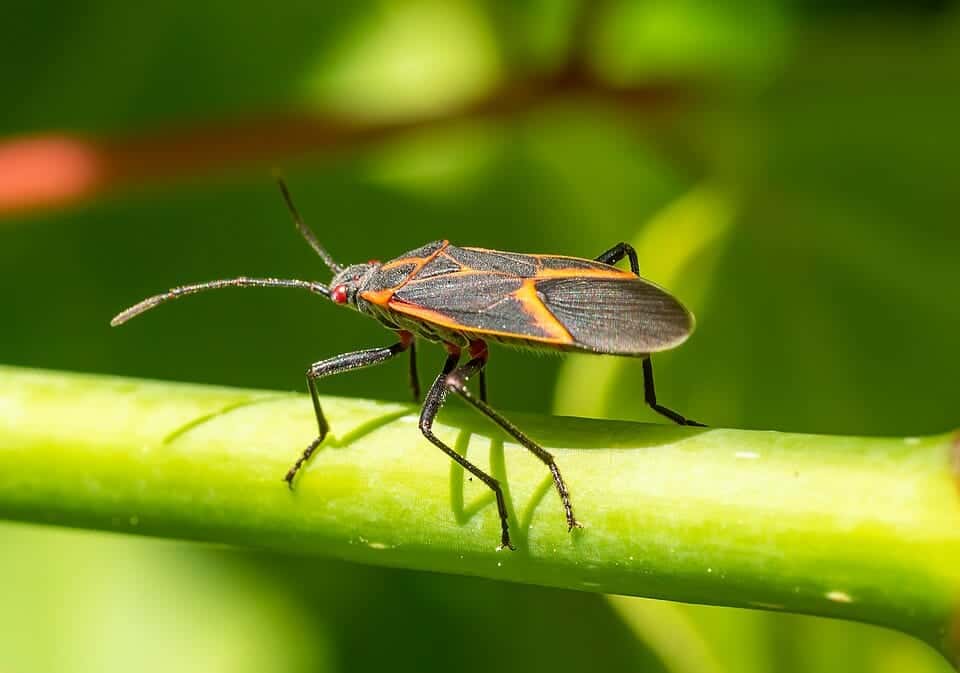
What Are the Black-and-Red Bugs Swarming the Side of My House? Identifying Boxelder Bugs
Clusters of flat black bugs with red-orange lines on a sunny wall in late summer are boxelder bugs. Learn to identify them and why they gather in crowds.
 Coveredinsevindust at English Wikipedia / Wikimedia Commons (CC BY-SA 3.0)
FN-0078 · Insects & Bugs
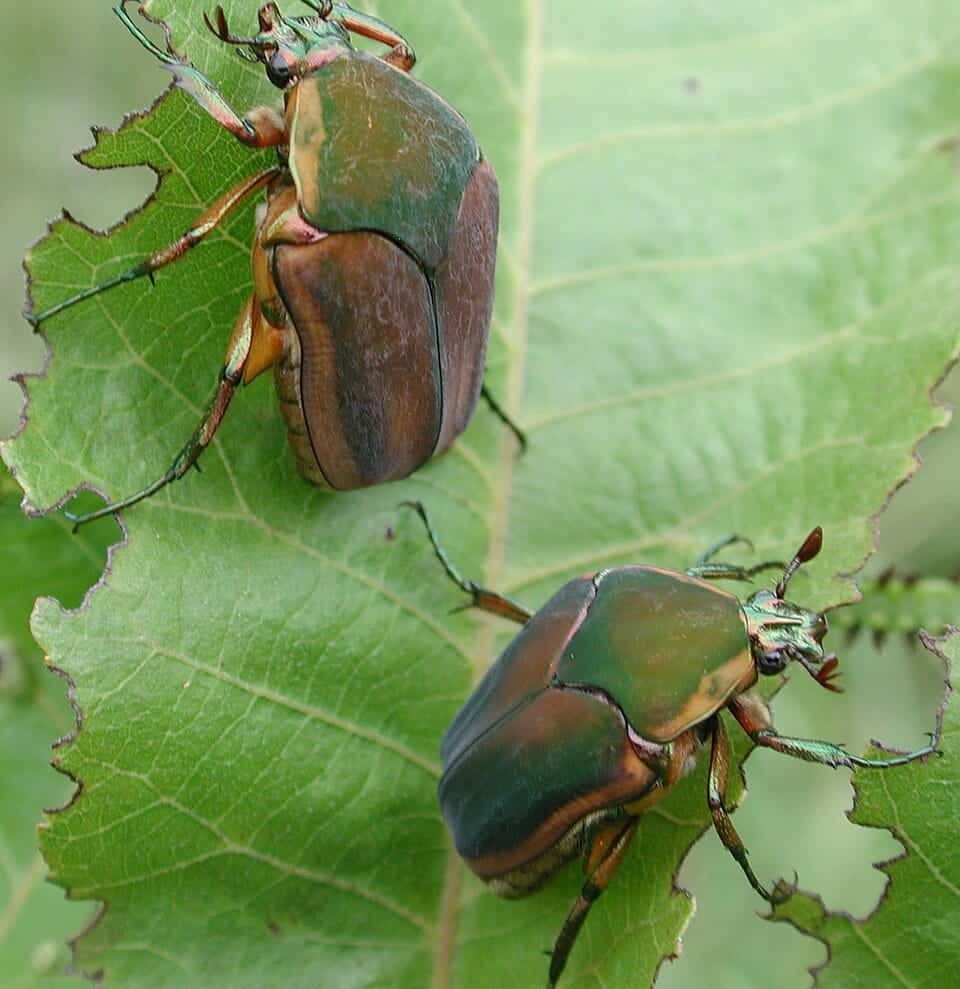
What Is the Big Loud Metallic-Green Beetle? Green June Beetle vs Japanese Beetle
Both are metallic green and appear in mid to late summer. Learn to tell the big, loud green June beetle from the smaller, rose-chewing Japanese beetle.
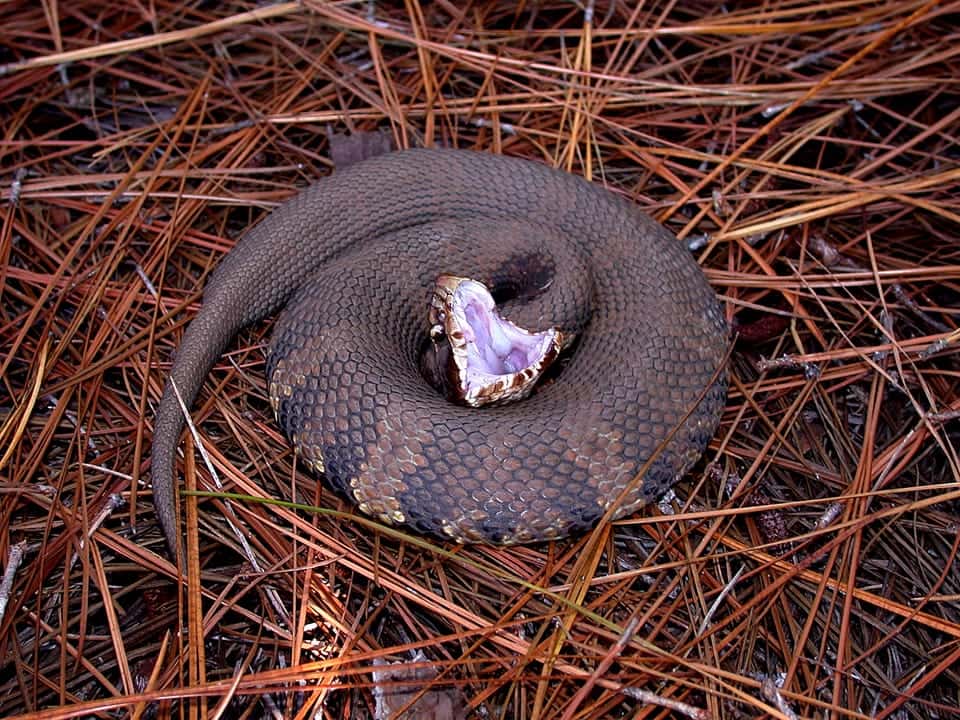 CDC/ Edward J. Wozniak D.V.M., Ph.D., John Willson at the University of Georgia, at the Savannah River Ecology Laboratory (SREL) / Wikimedia Commons (Public domain)
FN-0075 · Reptiles & Amphibians
Is That a Cottonmouth or a Harmless Water Snake? How to Tell Them Apart Safely
Telling a venomous cottonmouth (water moccasin) from a harmless water snake matters. Learn the differences to check from a safe distance, never by hand.
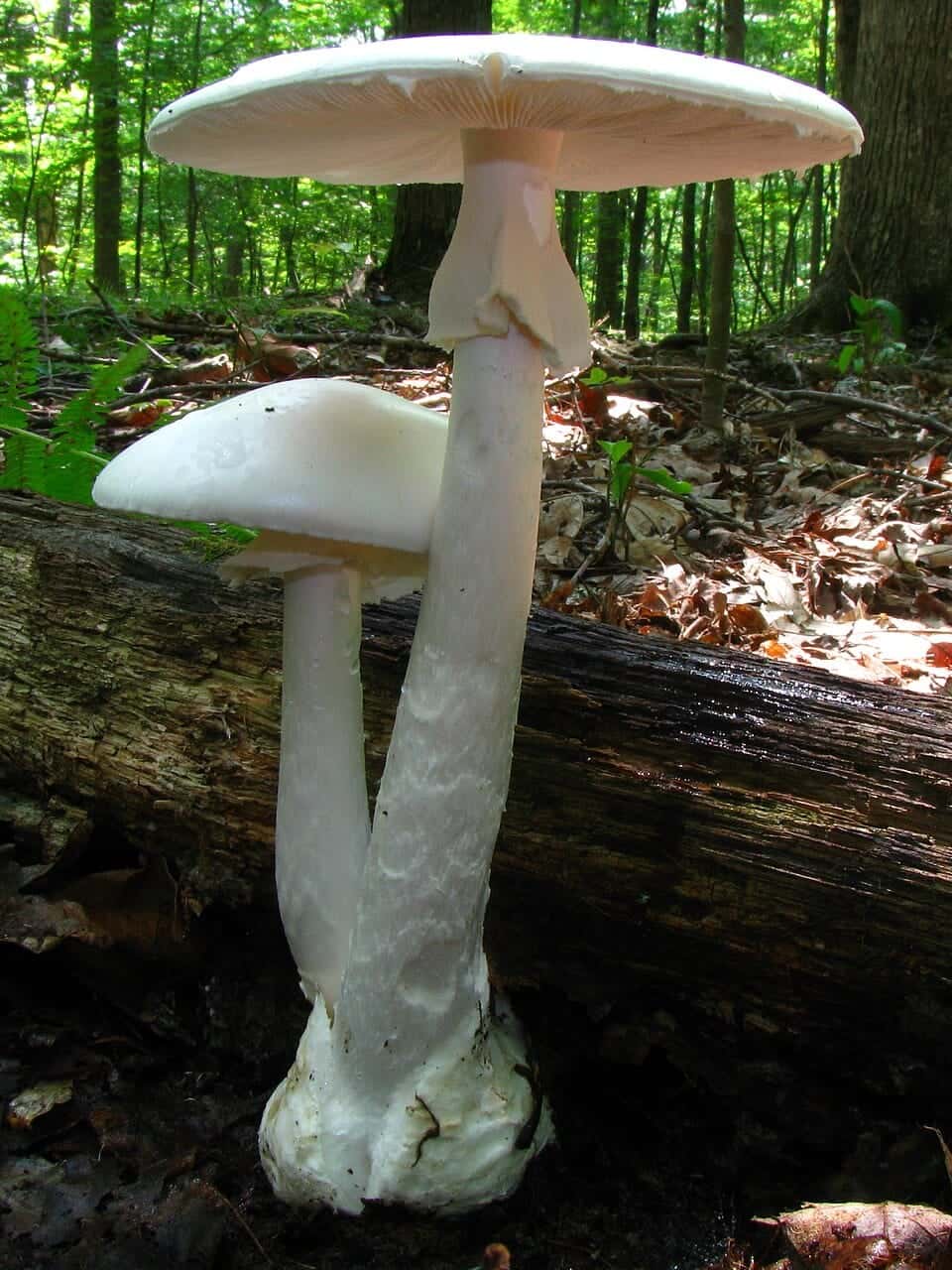 Dan Molter (shroomydan) / Wikimedia Commons (CC BY-SA 3.0)
FN-0076 · Mushrooms & Fungi
What Is the All-White Mushroom in My Yard? Identifying the Deadly Destroying Angel
A tall, pure-white mushroom with a skirt-like ring after summer rain may be a destroying angel, one of North America's deadliest. Learn the warning signs.
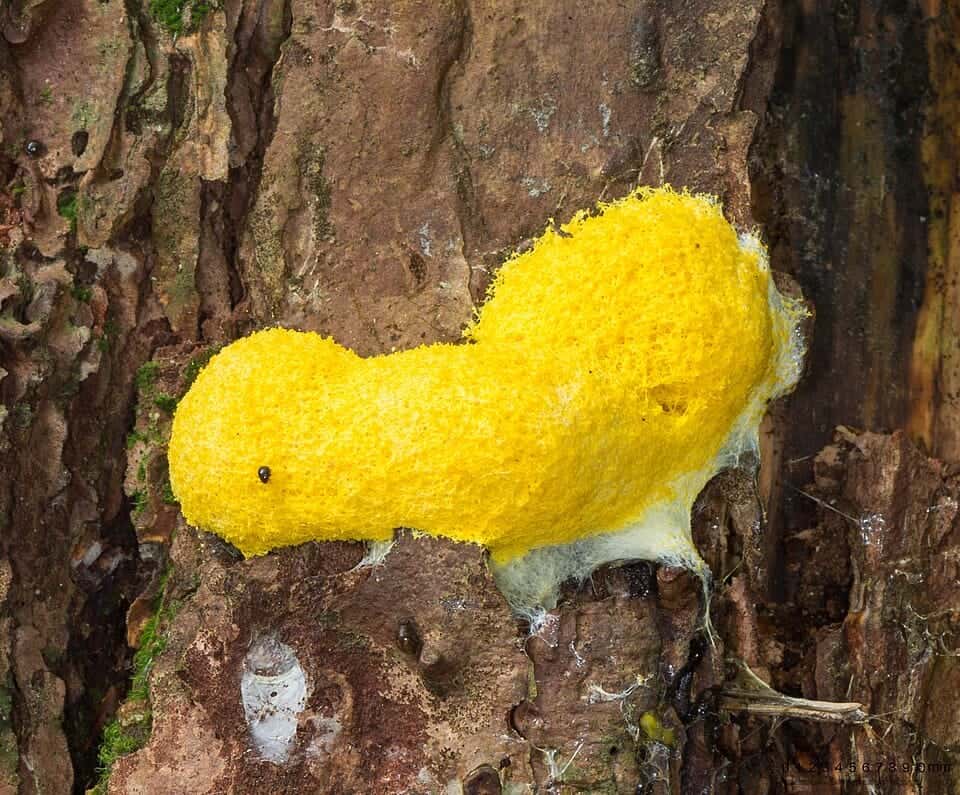 Norbert Nagel / Wikimedia Commons (CC BY-SA 3.0)
FN-0077 · Mushrooms & Fungi
What Is the Bright Yellow Blob in My Mulch? Identifying Dog Vomit Slime Mold
A frothy yellow or orange blob spreading over mulch after warm rain is dog vomit slime mold. Learn what it is, why it appears, and why it is harmless.
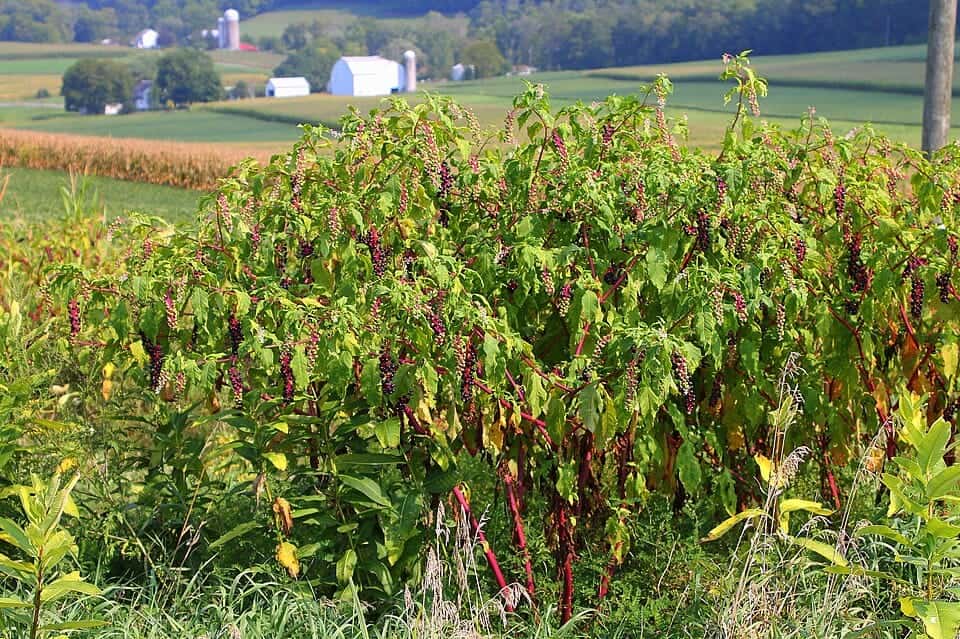 Jakec / Wikimedia Commons (CC BY-SA 4.0)
FN-0074 · Wild Berries & Fruit
What Is the Plant With Dark Purple Berries and Red Stems? Identifying Pokeweed
Drooping clusters of shiny dark-purple berries on magenta stems mark pokeweed, one of the most common poisonous plants in the eastern US. Learn to spot it.
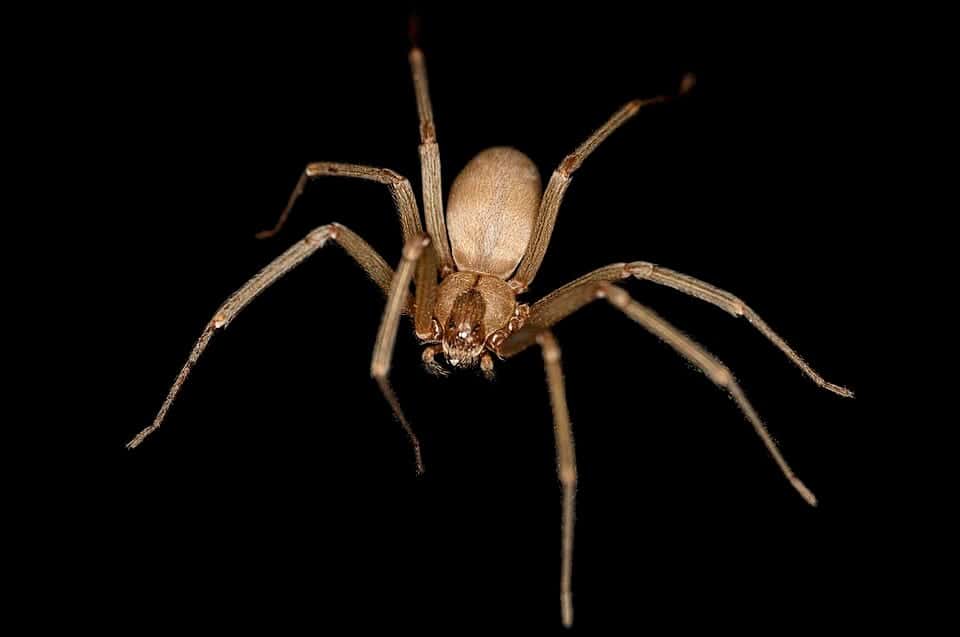 Rosa Pineda / Wikimedia Commons (CC BY-SA 3.0)
FN-0072 · Spiders, Ticks & Mites
How to Identify a Brown Recluse Spider (and Why the Violin Myth Fools Everyone)
Most suspected brown recluses are other spiders, and the violin marking misleads. Learn how to recognize a real brown recluse and where they actually live.
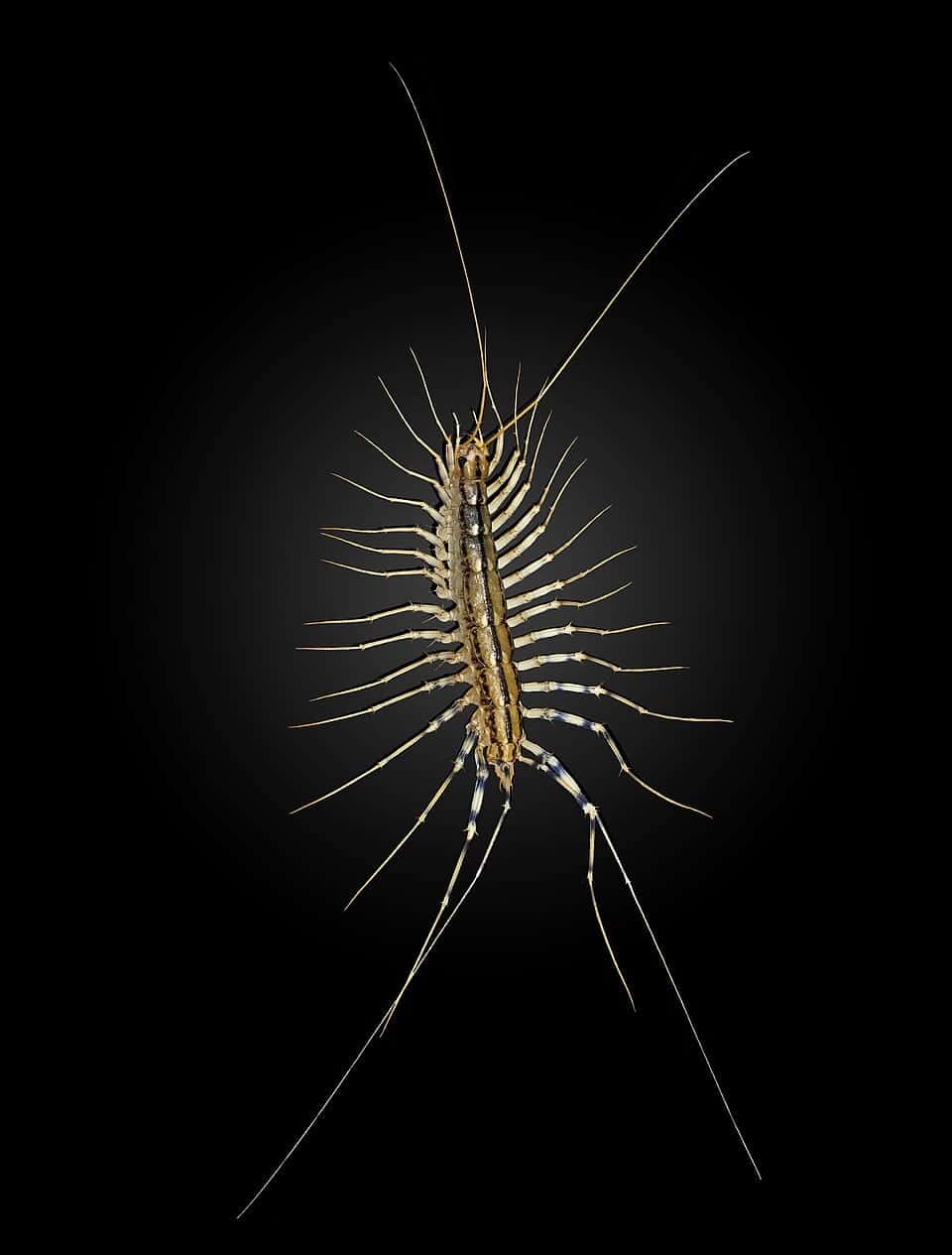 Didier Descouens / Wikimedia Commons (CC BY-SA 4.0)
FN-0073 · Insects & Bugs
What Is the Fast Bug With a Hundred Legs in My Bathroom? Identifying the House Centipede
The many-legged bug streaking across the bathroom wall is a house centipede. Learn how to identify it, why it comes indoors, and why it is harmless.
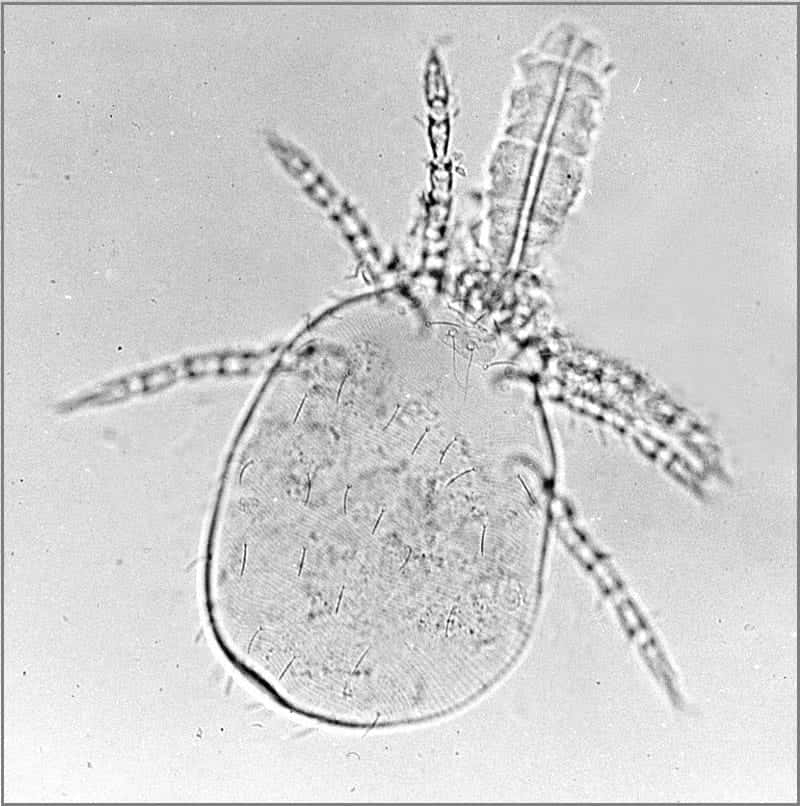 [[User:Alan R Walker (talk) 09:27, 28 January 2014 (UTC)]] / Wikimedia Commons (CC BY-SA 3.0)
FN-0069 · Spiders, Ticks & Mites
Why Am I Covered in Tiny, Intensely Itchy Red Bites? Identifying Chiggers
Clusters of intensely itchy red bumps on ankles, waist, and behind the knees after tall grass point to chiggers. Learn to spot the bites and the myths.
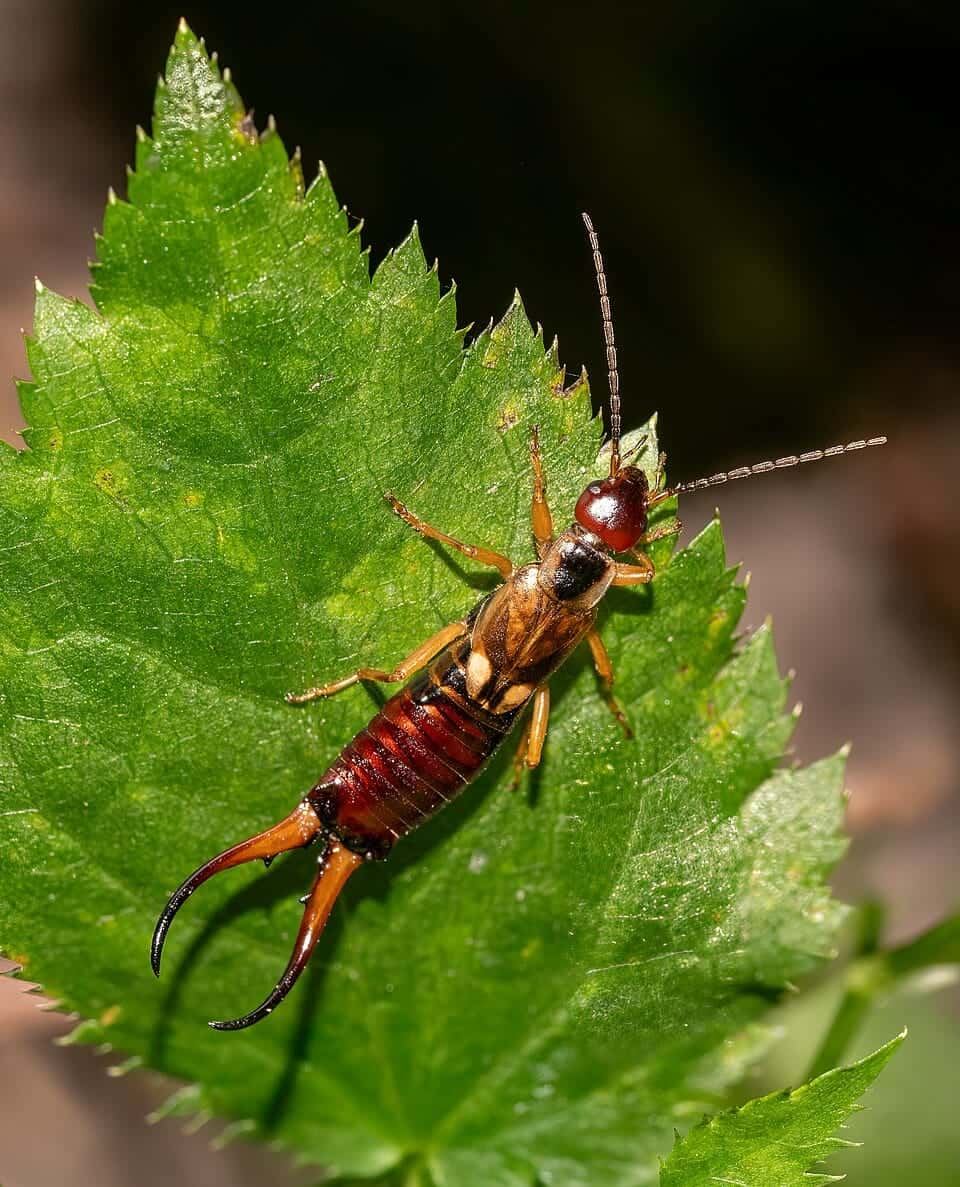 Rhododendrites / Wikimedia Commons (CC BY-SA 4.0)
FN-0070 · Insects & Bugs
What Is the Bug With Pincers on Its Rear? Identifying Earwigs
A flat, reddish-brown bug with forceps-like pincers at its rear is an earwig. Learn to identify one, what the pincers do, and why the ear myth is false.
 Wilson44691 / Wikimedia Commons (Public domain)
FN-0071 · Reptiles & Amphibians
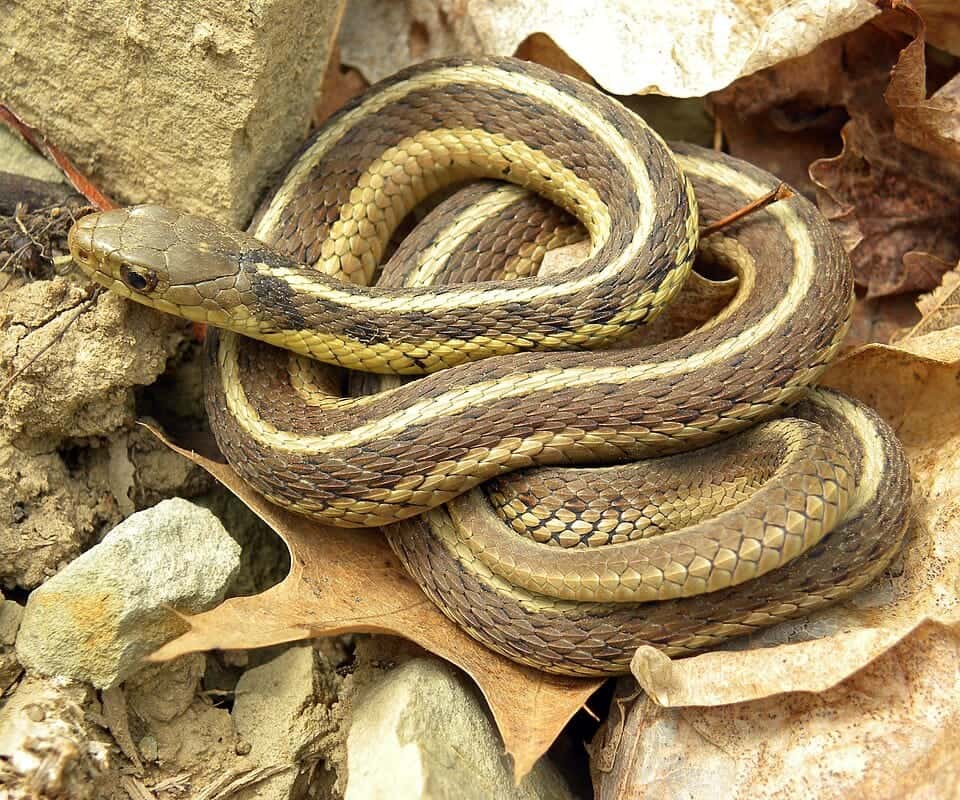
What Is the Striped Snake in My Garden? Identifying the Garter Snake
The slender, striped snake in most yards is a garter snake, one of the most common and harmless snakes in North America. Learn to tell it from look-alikes.
 jeffreyw / Wikimedia Commons (CC BY 2.0)
FN-0068 · Birds
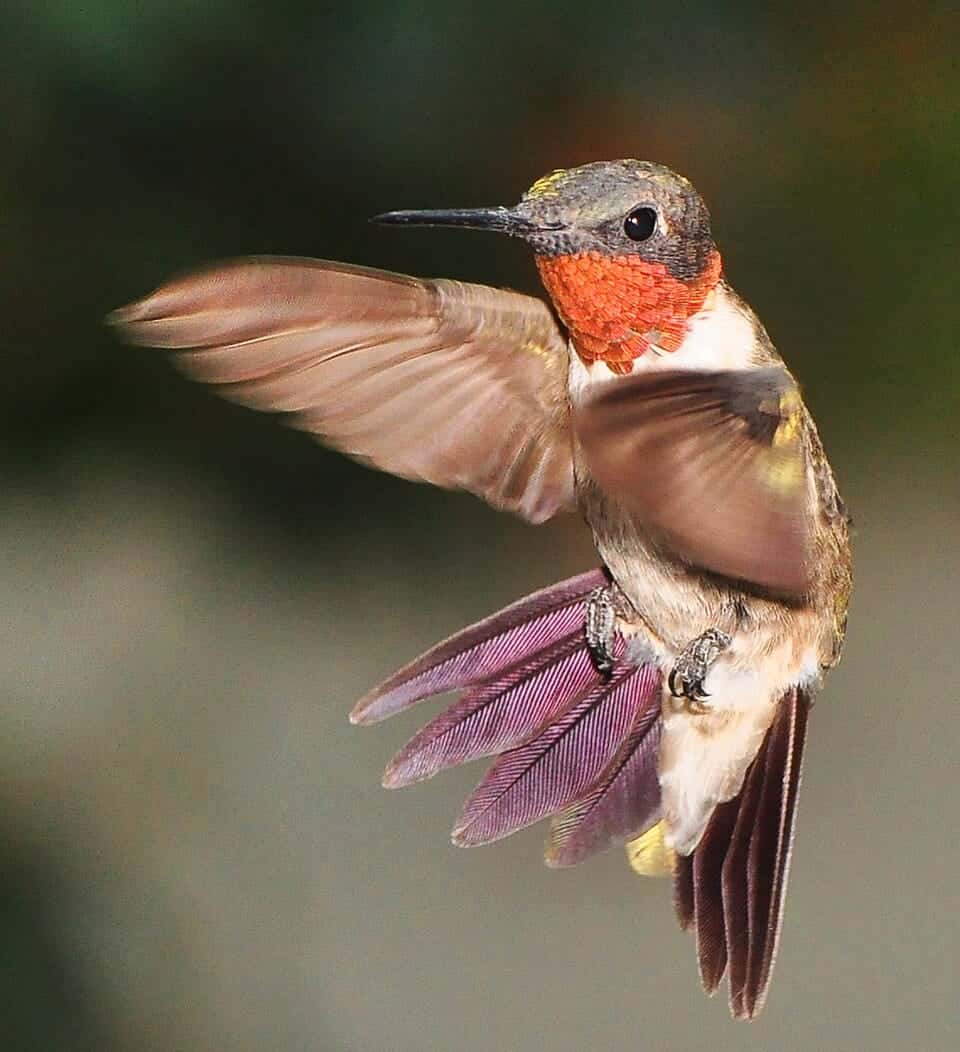
Where Did My Hummingbirds Go? Understanding the Fall Migration
Hummingbirds vanishing from the feeder in late August, or strangers arriving, signal fall migration. Learn when to expect it and why feeders left up help.
 Wikimedia Commons / Wikimedia Commons (CC BY-SA 3.0)
FN-0066 · Mushrooms & Fungi
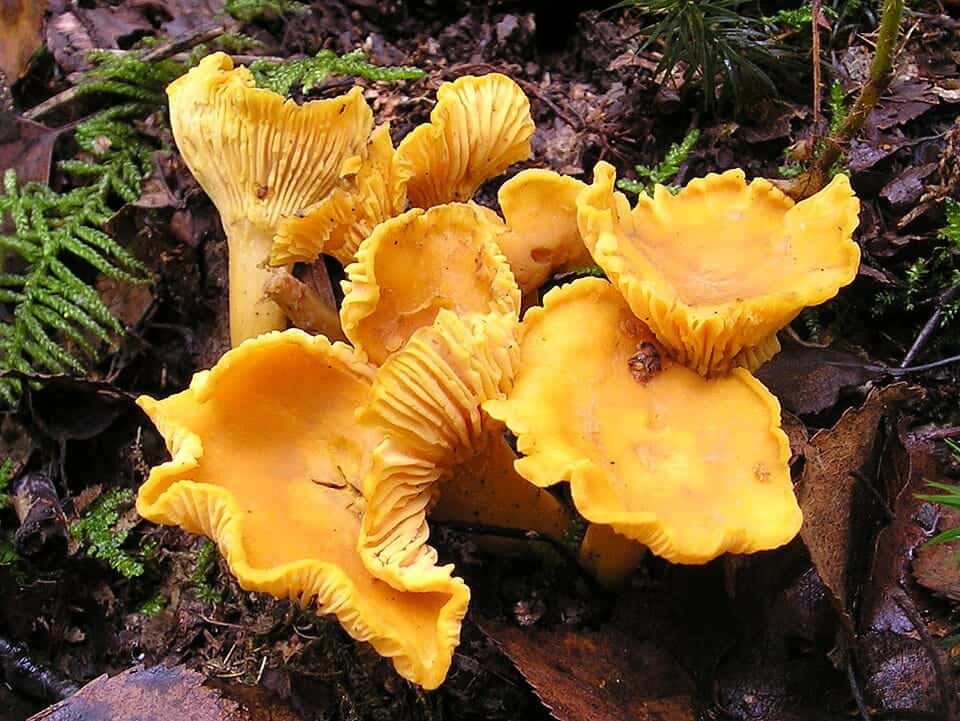
What Is the Golden Trumpet-Shaped Mushroom? Identifying Chanterelles (and Their Look-Alikes)
Golden-orange, vase-shaped mushrooms under hardwoods in late summer may be chanterelles. Learn their key features and why look-alikes demand caution.
 Bruce Marlin / Wikimedia Commons (CC BY-SA 3.0)
FN-0067 · Insects & Bugs
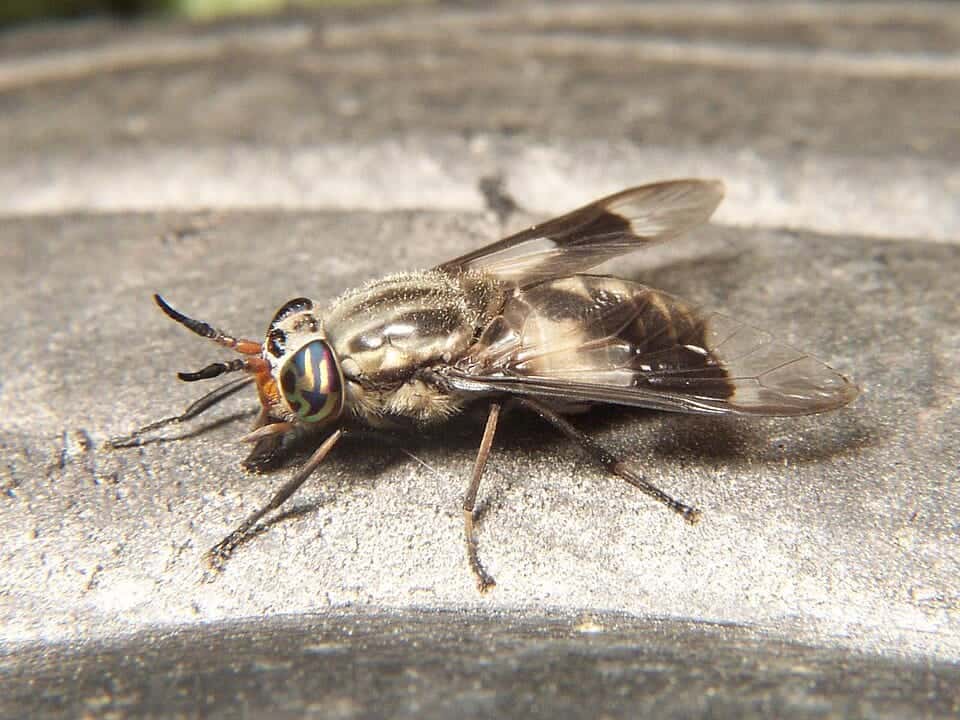
What Keeps Biting Me Near the Water? Identifying Deer Flies and Horse Flies
Painful bites from flies circling your head near water in late summer usually come from deer flies or horse flies. Learn to tell them apart.
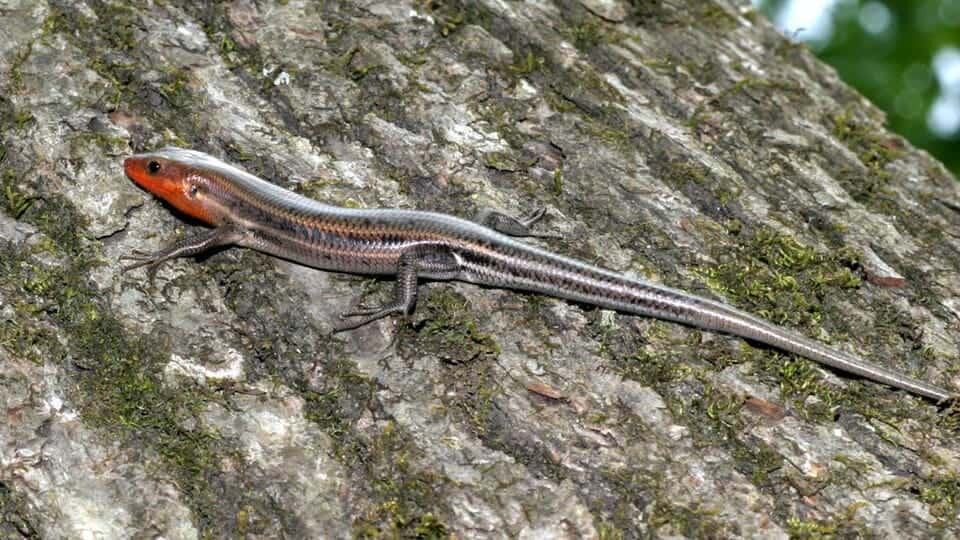 Patrick Coin / Wikimedia Commons (CC BY-SA 2.5)
FN-0064 · Reptiles & Amphibians
What Is the Little Lizard With a Bright Blue Tail? Identifying the Five-Lined Skink
A small, glossy striped lizard with a bright blue tail is a young five-lined skink. Learn why the tail is blue and how to tell it from its near-twin.
Found something on the trail?
Plants, animals, fungi and rocks from one photo. Free to start on iPhone and Android.