256 entries · page 6 of 11
Field Notes, page 6
How to identify the plants, animals, mushrooms, tracks and rocks you find outside, with the look-alikes and safety notes that matter.
Posts, page 6 of 11
 ReddishClover / Wikimedia Commons (CC BY-SA 4.0)
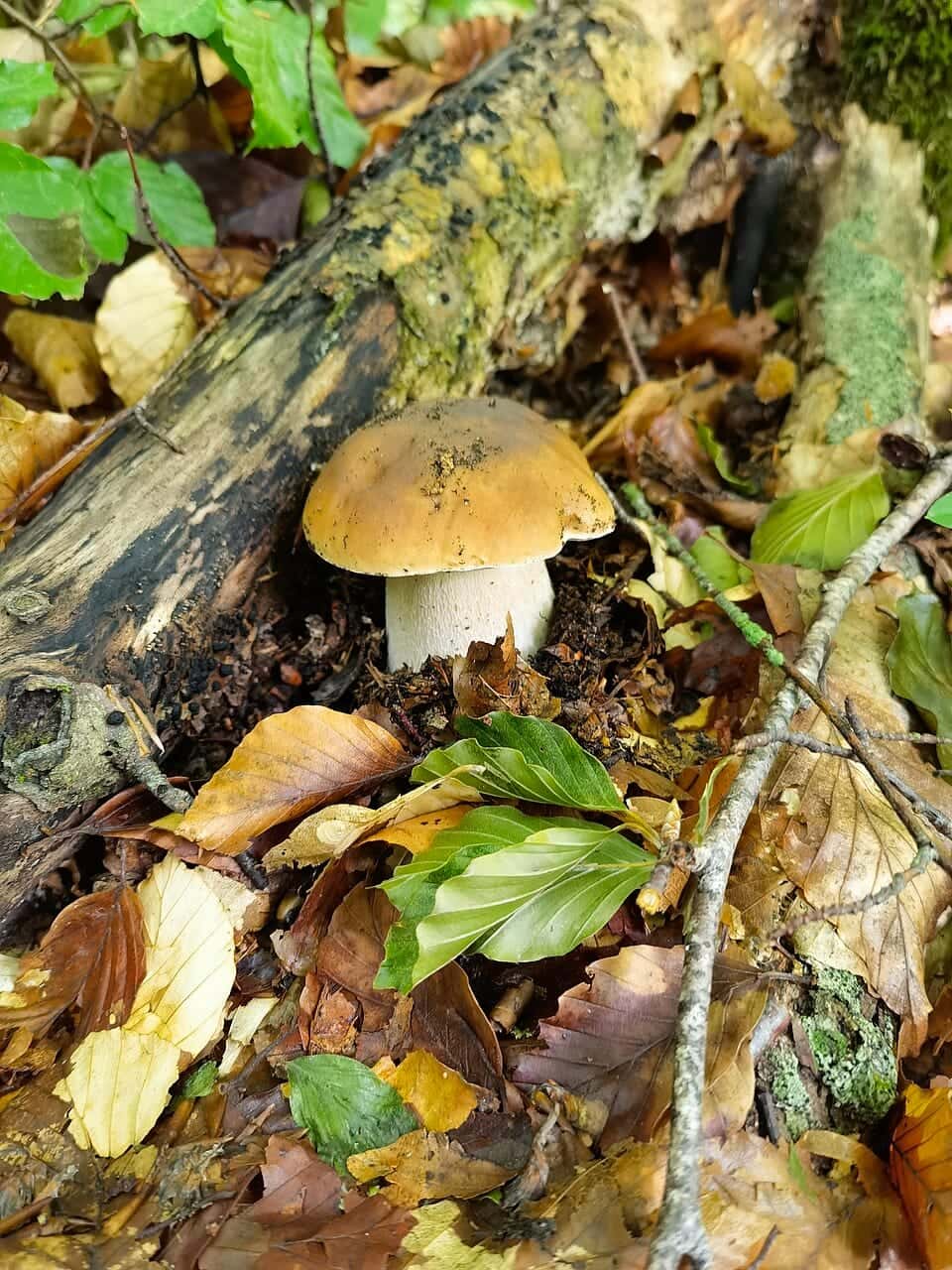
FN-0136 · Mushrooms & Fungi
What Is the Mushroom With a Spongy Underside Instead of Gills? Meet the Boletes
A mushroom with a spongy, pore-covered underside instead of gills is a bolete. The group includes bitter and toxic species. Learn to recognize them.
 Bill Summers. USDA SCS. 1991. Southern wetland flora: Field office guide to plant species. South National Technical Center, Fort Worth. Courtesy of USDA NRCS Wetland Science Institute. / Wikimedia Commons (Public domain)
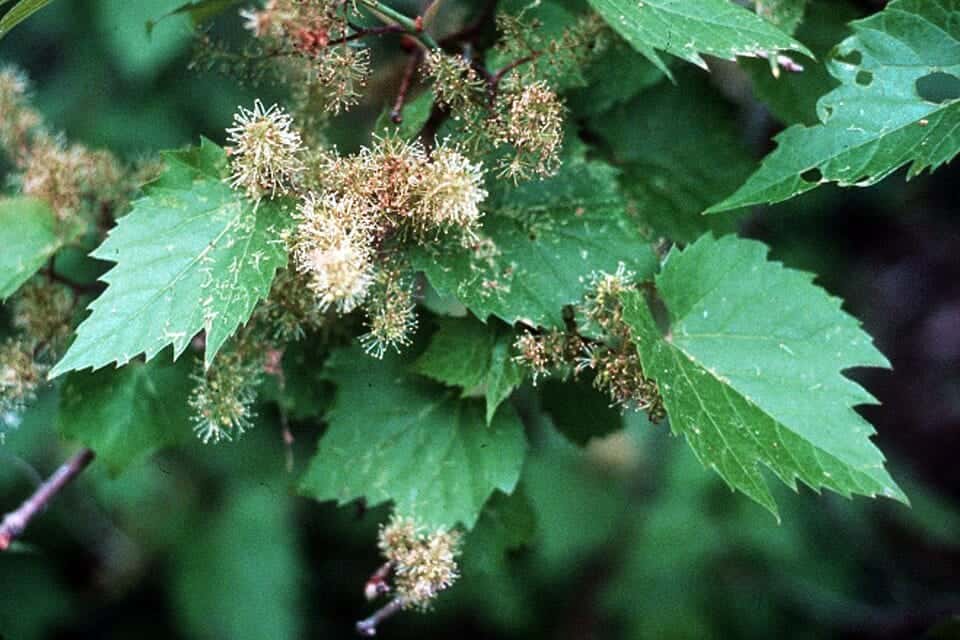
FN-0137 · Wild Berries & Fruit
Wild Grapes or a Toxic Lookalike? How to Tell Grapes From Moonseed
Moonseed is a woody vine with dark fruit nearly identical to wild grapes, and it is highly toxic. Learn how to tell a wild grape vine from moonseed.
 Mothore / Wikimedia Commons (CC BY-SA 3.0)
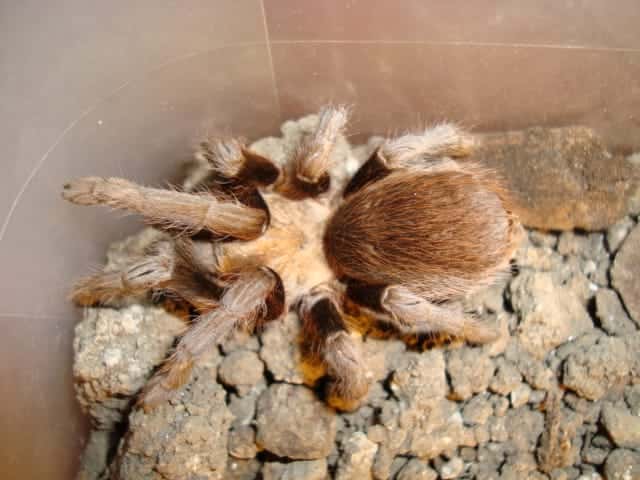
FN-0132 · Spiders, Ticks & Mites
Why Are Tarantulas Suddenly Crossing the Road in Fall? The Male Mating Walk
Tarantulas crossing roads on warm fall evenings are not migrating. They are males out of their burrows searching for a mate. Learn to identify them.
 Richard Bartz, Munich aka Makro Freak / Wikimedia Commons (CC BY-SA 2.5)
FN-0133 · Insects & Bugs
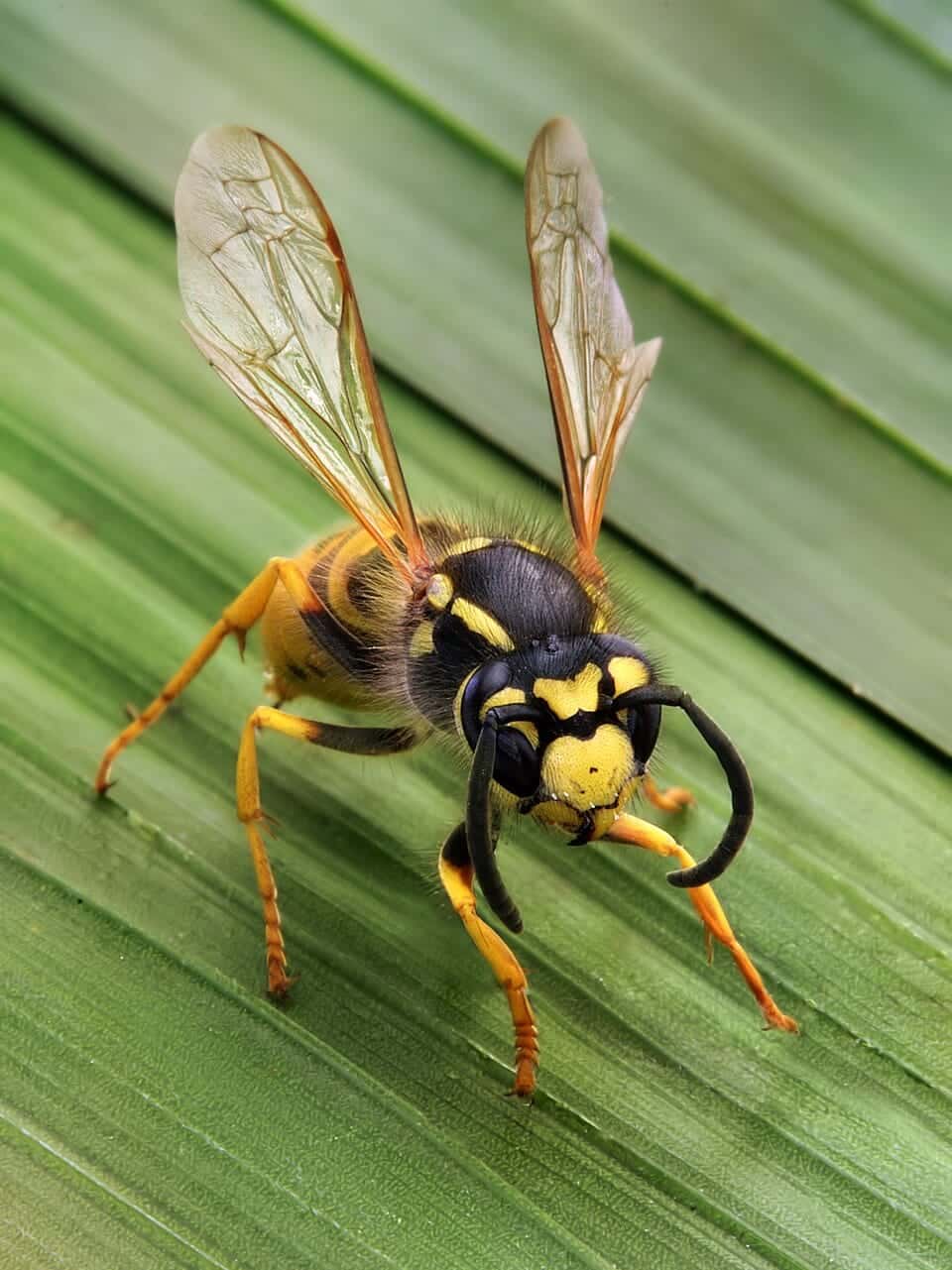
Why Are Yellowjackets Suddenly So Aggressive in Late Summer?
Yellowjackets really do get bolder in late summer and fall, and the reason lies in the colony's life cycle. Learn to identify them and avoid stings.
 Ayotte, Gilles, 1948- / Wikimedia Commons (CC BY-SA 4.0)
FN-0134 · Trees
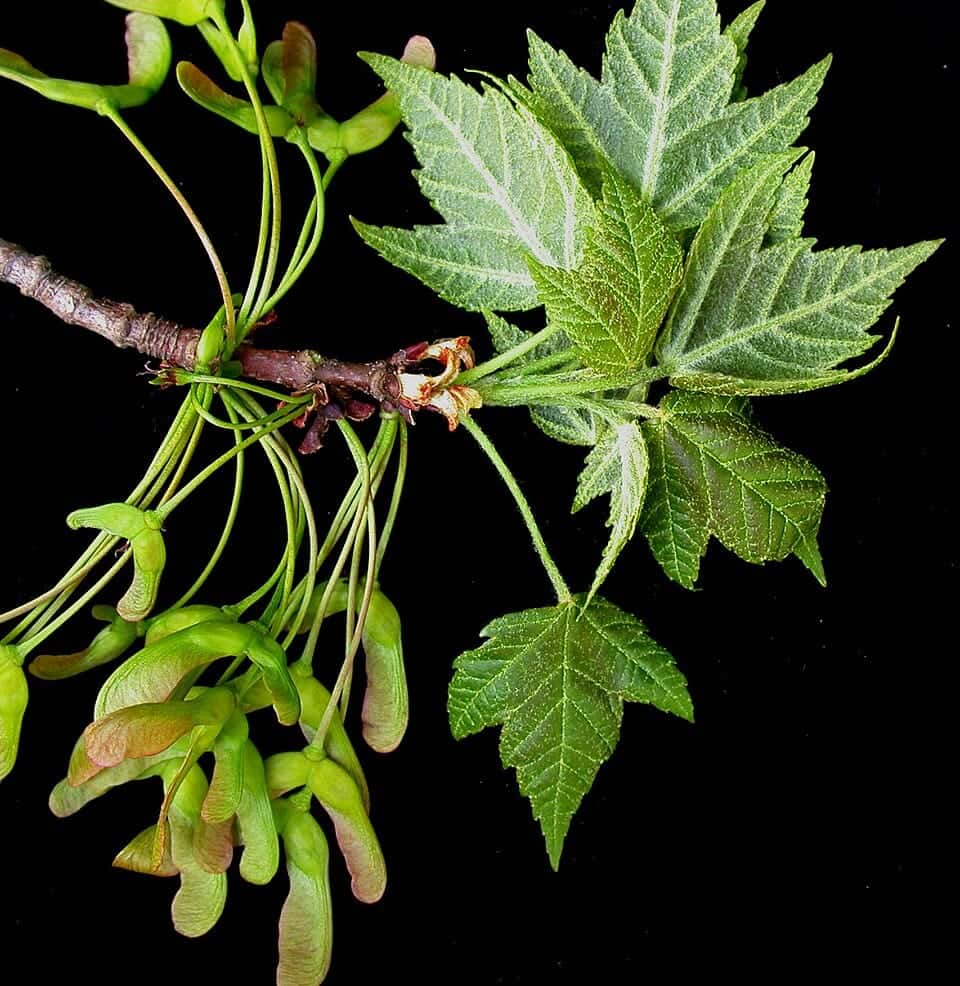
Why Do Leaves Change Color in Fall — and How to Identify Trees by Their Color?
Fall leaf color comes from tree chemistry, and each species turns its own shades. Learn why leaves change and how to use color to identify trees.
 Daniel.fox123 / Wikimedia Commons (CC BY 4.0)
FN-0131 · Spiders, Ticks & Mites
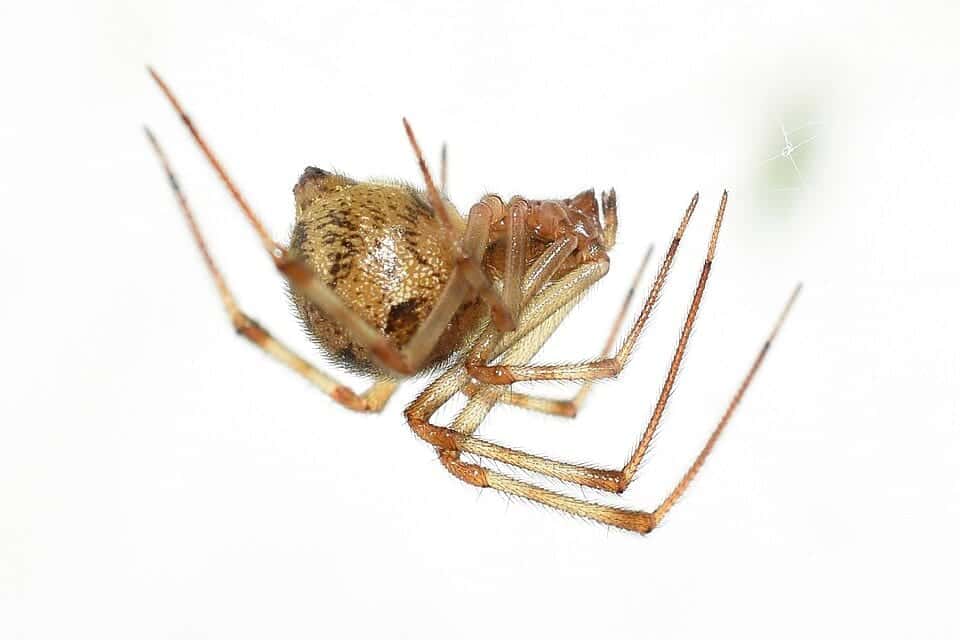
Why Are There Suddenly So Many Spiders in My House This Fall?
Most fall house spiders lived with you all along. The ones you suddenly see are males hunting for mates. Meet the usual suspects and why few are a worry.
 Katja Schulz from Washington, D. C., USA / Wikimedia Commons (CC BY 2.0)
FN-0130 · Insects & Bugs
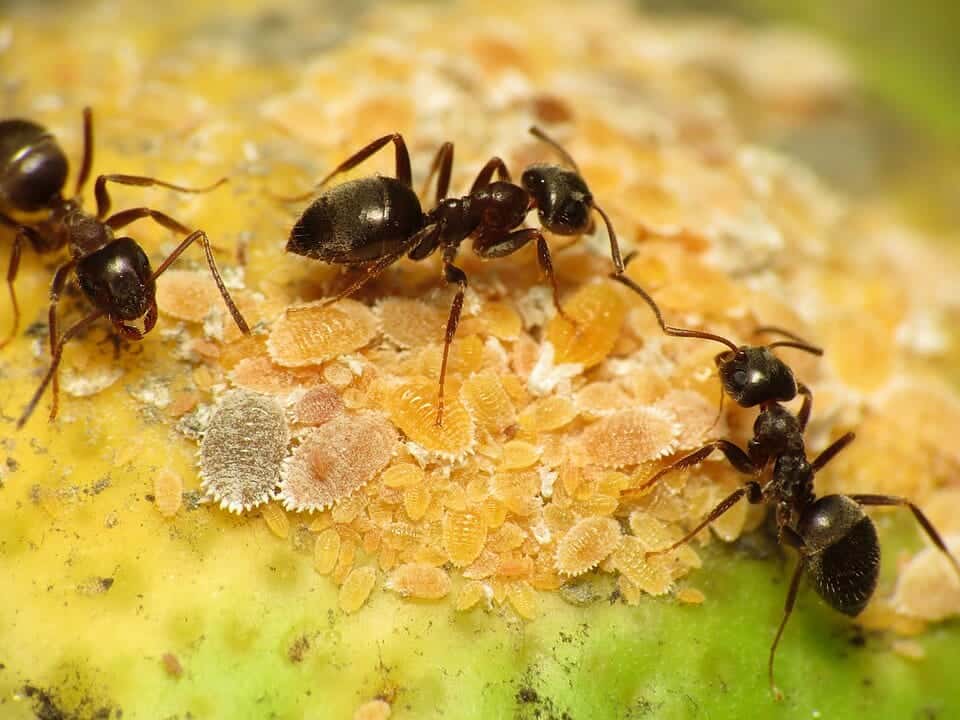
What Are the Sudden Swarms of Flying Ants? Nuptial Flights Explained
Sudden swarms of winged ants in late summer are a colony's yearly mating flight, not an infestation. Learn to ID flying ants and tell them from termites.
 Adam Jackson / Wikimedia Commons (CC0)
FN-0129 · Birds
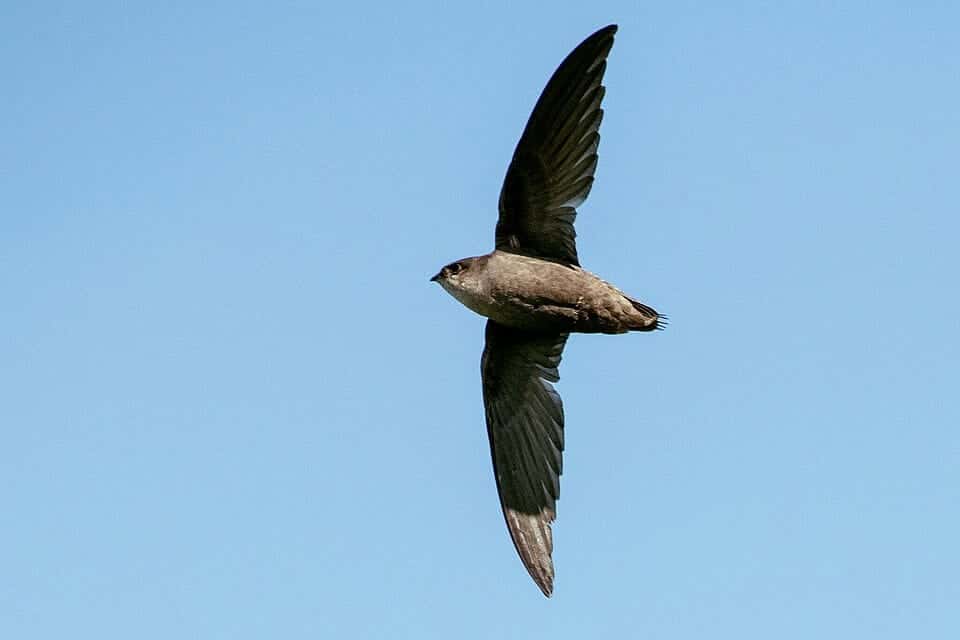
What Are the Birds Pouring Into a Chimney at Dusk? Chimney Swifts
The cloud of small birds funneling into a chimney at dusk is chimney swifts staging for fall migration. Learn how to identify them and watch the show.
 JeffreyGammon / Wikimedia Commons (CC BY 4.0)
FN-0126 · Insects & Bugs
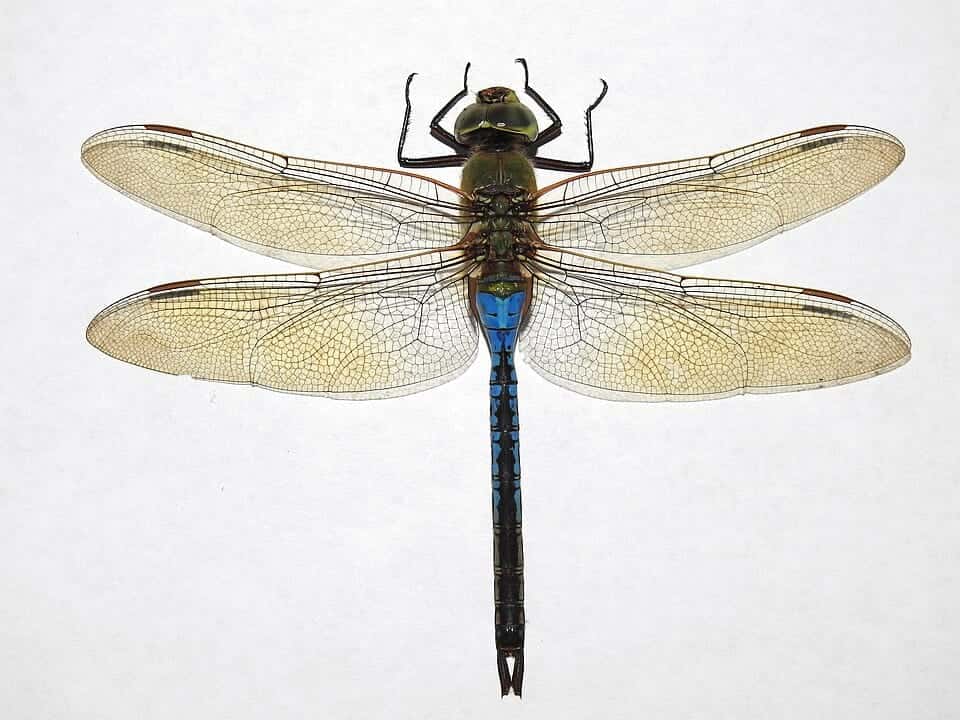
What Are the Rivers of Dragonflies Streaming Across the Sky? Green Darner Migration
Dozens of dragonflies drifting one way in September are usually common green darners, one of the few North American dragonflies that truly migrates.
 Brian Gratwicke / Wikimedia Commons (CC BY 2.0)
FN-0127 · Reptiles & Amphibians
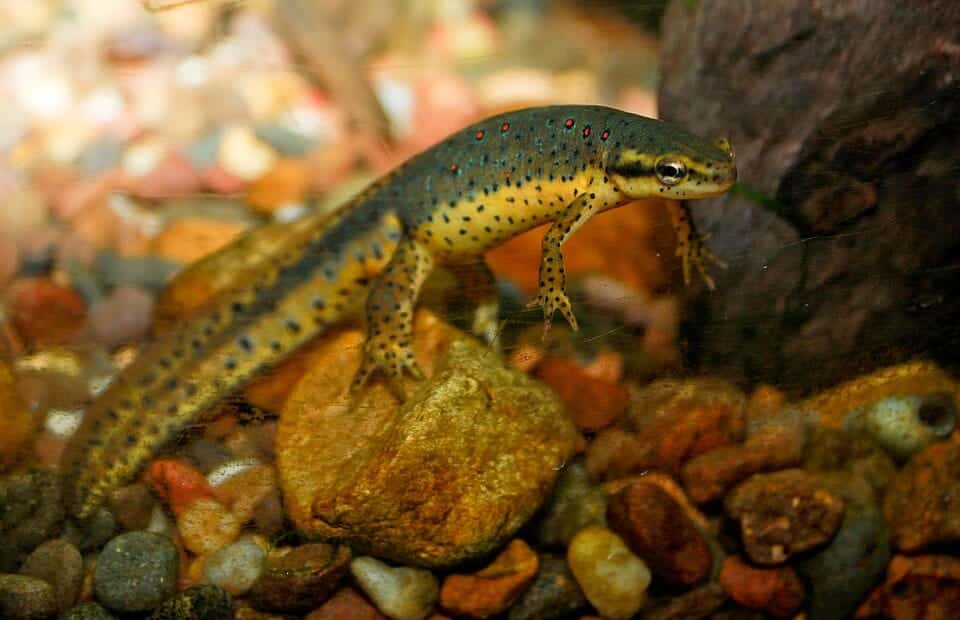
What Is the Tiny Bright-Orange "Lizard" on the Trail? Identifying the Red Eft
The small, bright-orange creature walking boldly across the trail after fall rain is a red eft, the land stage of the eastern newt. Its color is a warning.
 USFWS Mountain-Prairie / Wikimedia Commons (Public domain)
FN-0128 · Birds
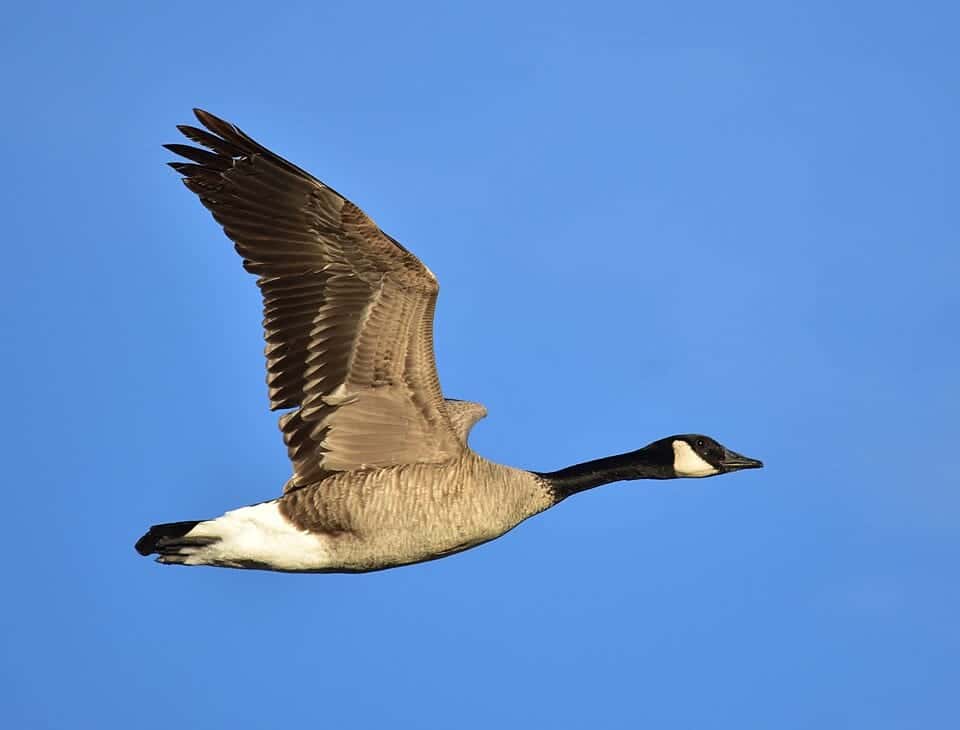
Why Are the Geese Flying in a V and Honking Overhead? Canada Goose Migration
A honking V of long-necked geese overhead is a classic sign of fall. Learn how to identify Canada geese, why they fly in a V, and which ones truly migrate.
 Original uploader was JulieFromVT (Julie Waters) at en.wikipedia / Wikimedia Commons (CC BY-SA 3.0)
FN-0123 · Birds
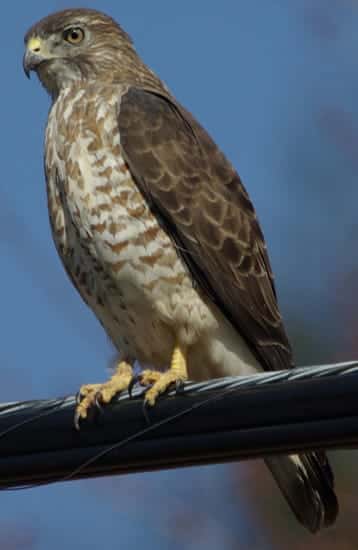
What Are the Hundreds of Hawks Circling in a Tornado? Broad-Winged Hawk Migration
A swirling column of hawks in September is a kettle, mostly broad-winged hawks heading south by the thousands. Learn how to identify them overhead.
 Wikimedia Commons / Wikimedia Commons (Public domain)
FN-0125 · Insects & Bugs
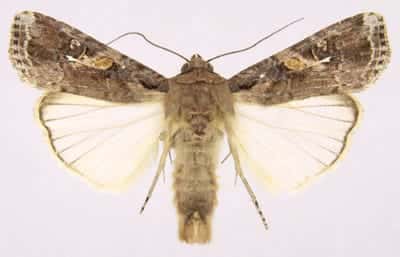
Why Is My Lawn Turning Brown Overnight? Identifying Fall Armyworms
Spreading brown lawn patches can be fall armyworms: small striped caterpillars with a pale upside-down Y on the head. Look for them at dawn or dusk.
 Sten Porse / Wikimedia Commons (CC BY-SA 3.0)
FN-0124 · Wildflowers
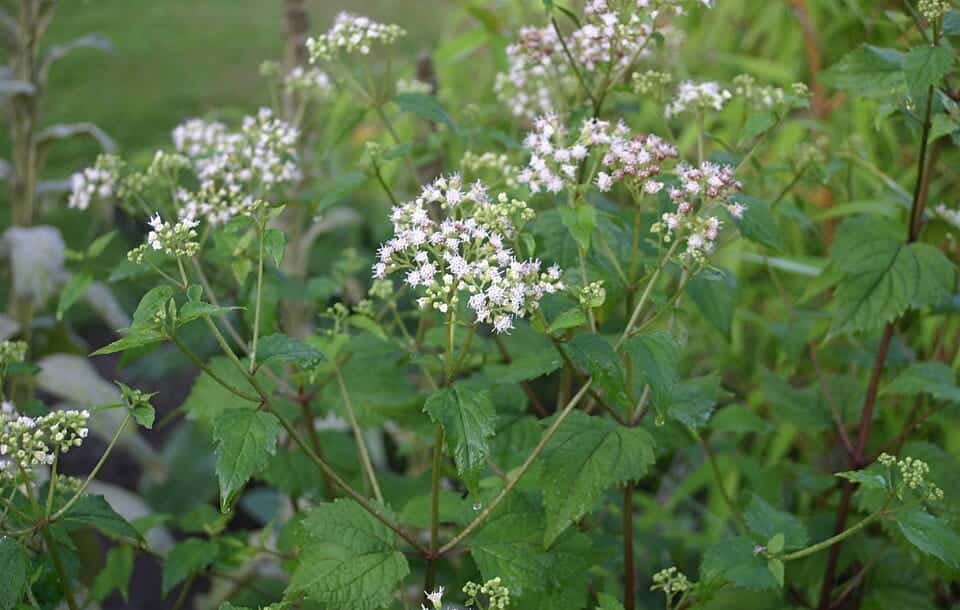
What Is the Cloud of Tiny White Flowers at the Woods’ Edge? Identifying White Snakeroot
Frothy, flat-topped clusters of tiny white flowers in shady fall woods are white snakeroot, a native whose toxin once caused the deadly "milk sickness."
 (c) Alison Northup, some rights reserved (CC BY) / Wikimedia Commons (CC BY 4.0)
FN-0122 · Mushrooms & Fungi
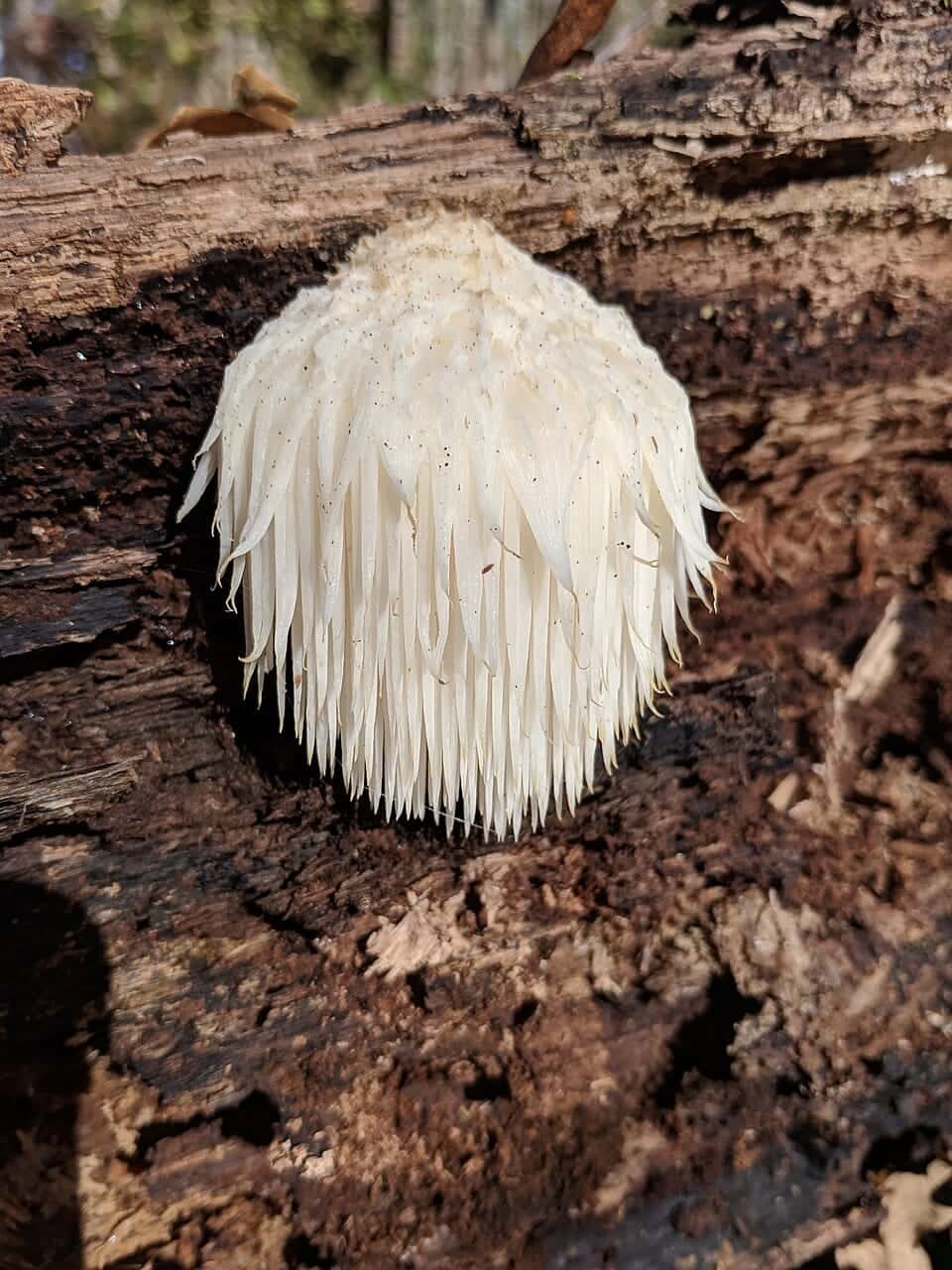
What Is the White Icicle-Like Mushroom Growing on a Tree? Identifying Lion’s Mane
A pure-white mass of dangling, icicle-like spines on a trunk or log is lion’s mane. Learn how to identify it, what it grows on, and its close cousins.
 Brocken Inaglory / Wikimedia Commons (CC BY-SA 3.0)
FN-0121 · Wildflowers
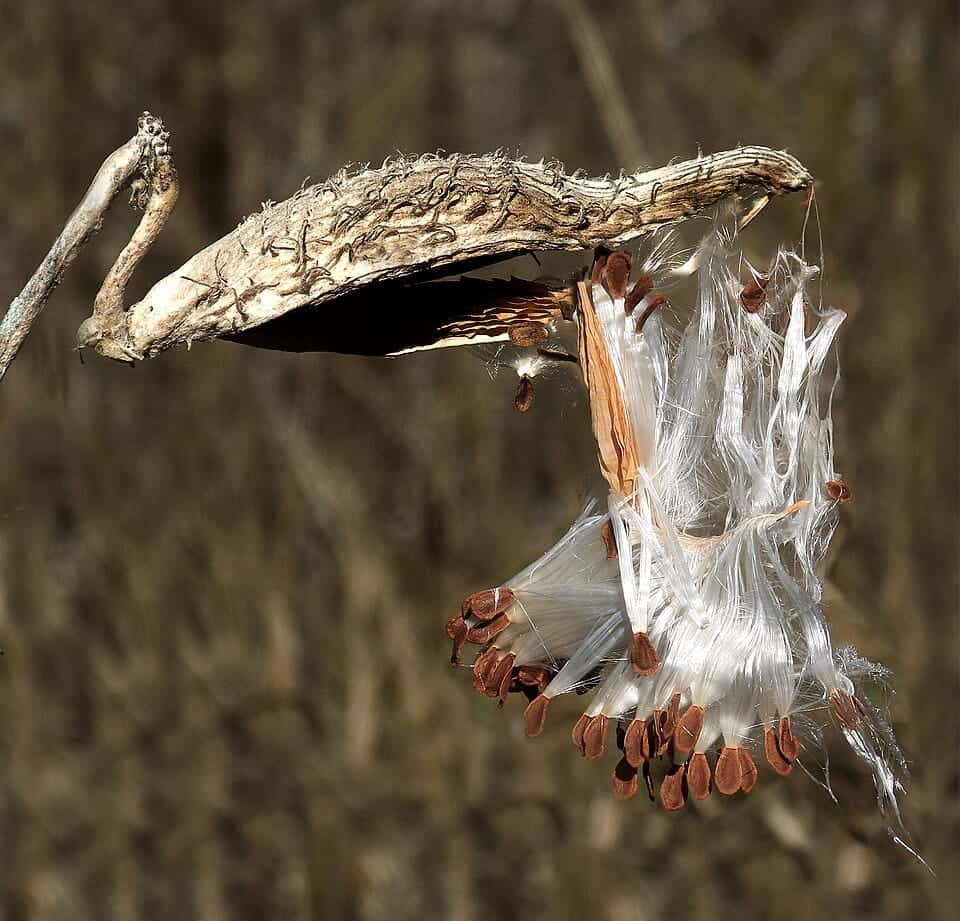
What Are the Pods Bursting Open With Silky White Seeds? Identifying Milkweed
Teardrop pods that split to release seeds on silky white floss are milkweed, the most important plant for monarch butterflies. Learn how to identify it.
 Frank Schulenburg / Wikimedia Commons (CC BY-SA 4.0)
FN-0120 · Birds
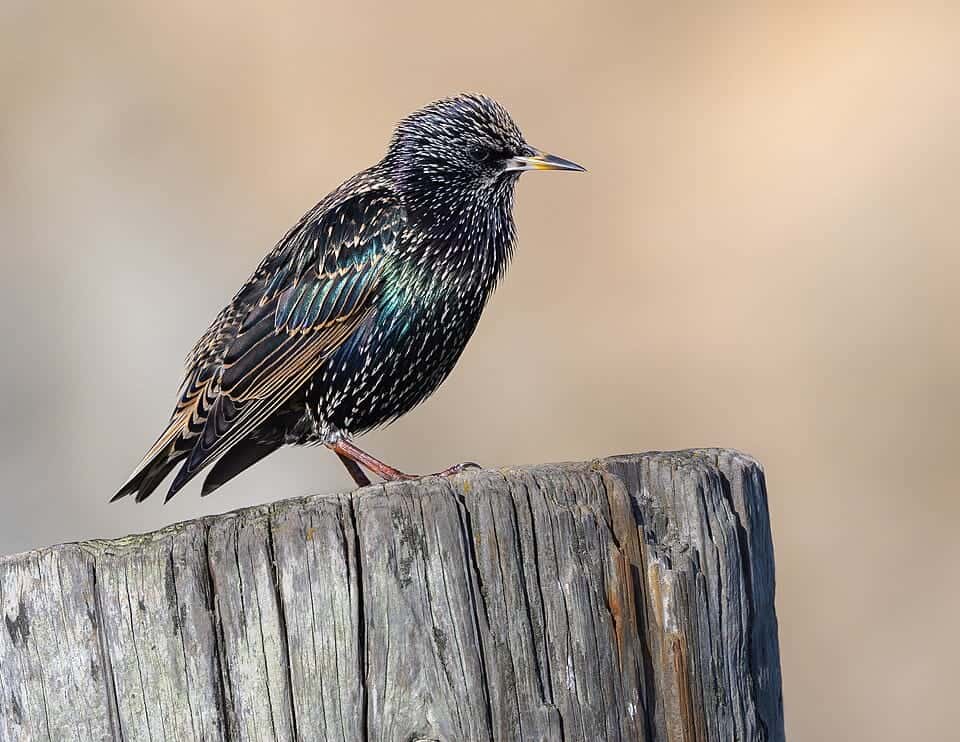
What Are the Huge Flocks of Black Birds Swirling in Fall? Starlings, Grackles, and Blackbirds
Big fall flocks of dark birds are usually European starlings, common grackles, red-winged blackbirds, and cowbirds, often mixed. Learn to tell them apart.
 Peterwchen / Wikimedia Commons (CC BY-SA 4.0)
FN-0118 · Insects & Bugs
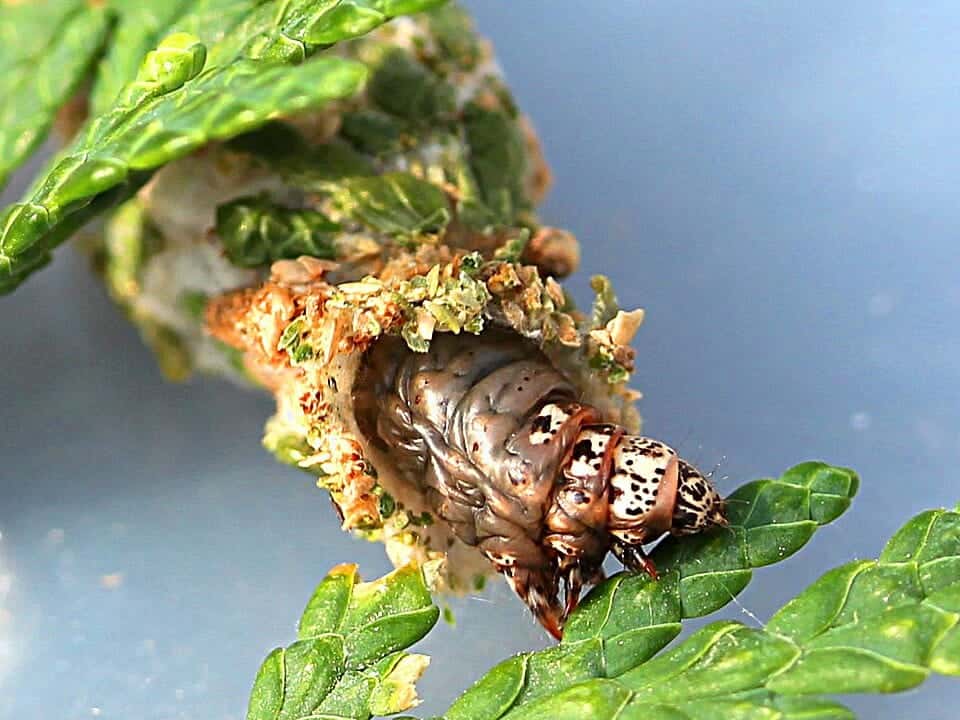
What Are the Little Bags Hanging on My Evergreen? Identifying Bagworms
Spindle-shaped bags of needles and twigs hanging from arborvitae, juniper, spruce, or cedar are bagworms, caterpillars of a small moth in portable cases.
 Cbaile19 / Wikimedia Commons (CC0)
FN-0119 · Wild Berries & Fruit
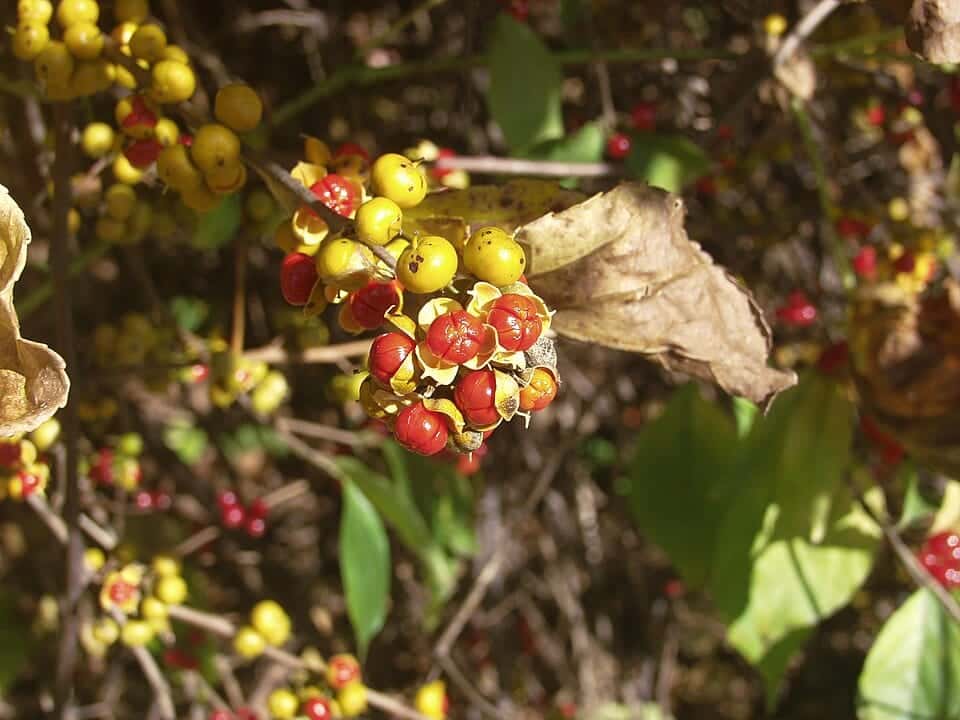
What Is the Vine With Orange-and-Red Berries in Fall? Identifying Oriental Bittersweet
Orange capsules splitting to show scarlet seeds on a fall vine often mean Oriental bittersweet, an invasive that strangles trees. Tell it from the native.
 Charles J. Sharp / Wikimedia Commons (CC BY-SA 4.0)
FN-0117 · Birds
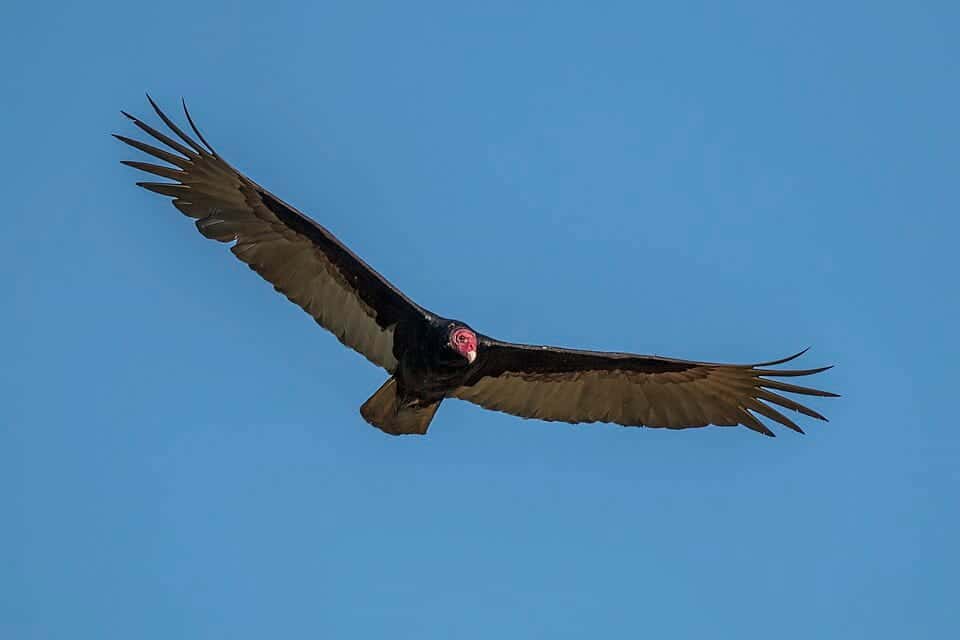
Turkey Vulture or Black Vulture? How to Tell the Two Soaring Scavengers Apart
Turkey and black vultures look alike from below, but flight style, wing pattern, and head give them away. Learn to tell these soaring scavengers apart.
 Wikimedia Commons / Wikimedia Commons (CC BY-SA 3.0)
FN-0116 · Plants, Vines & Weeds
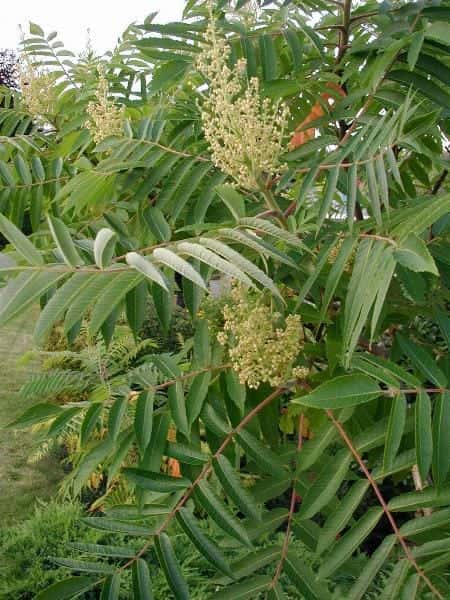
What Is the Shrub With Fuzzy Red Cone-Shaped Clusters? Identifying Staghorn Sumac
Upright cones of fuzzy red berries on velvety branches mark staghorn sumac, a harmless native. Learn how to identify it and tell it from poison sumac.
 Bigredwine1 / Wikimedia Commons (CC BY-SA 4.0)
FN-0115 · Mushrooms & Fungi
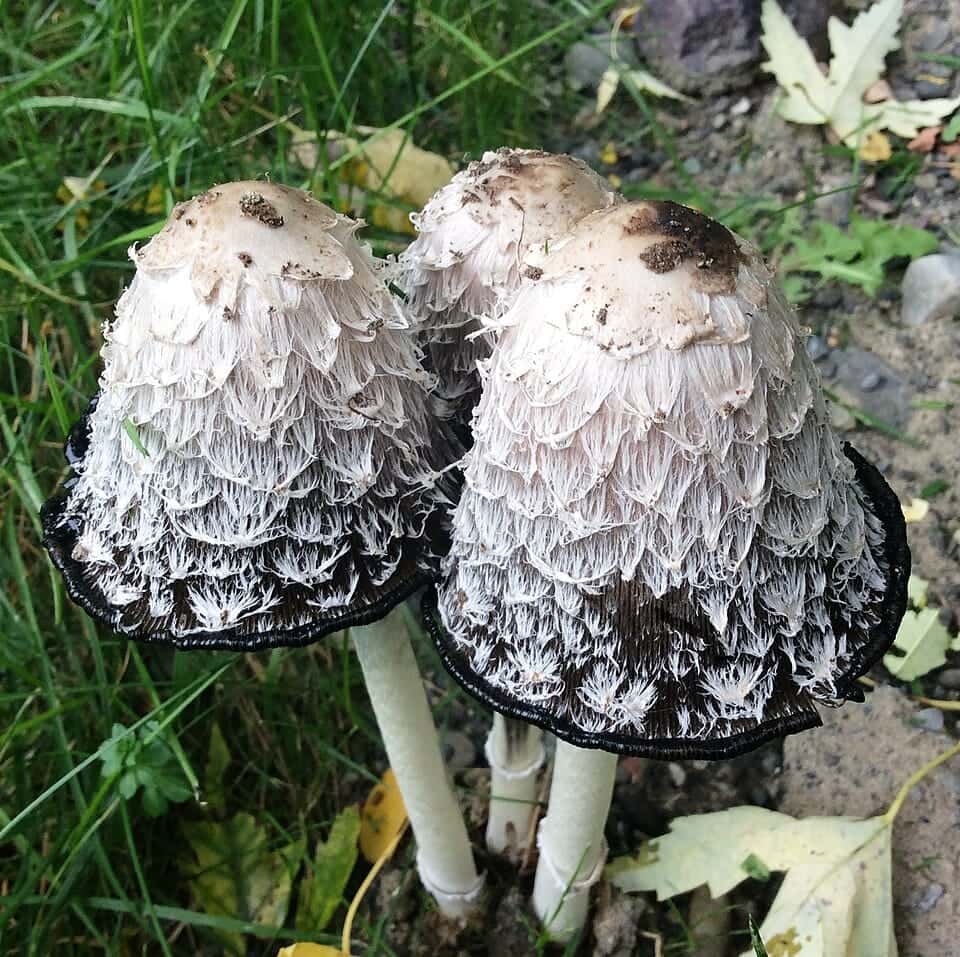
What Is the Tall Shaggy White Mushroom That Melts Into Black Ink? Identifying the Shaggy Mane
A tall, scaly white mushroom that appears in lawns overnight and melts into black ink is the shaggy mane. Learn how to identify it and why it turns to ink.
 Rhododendrites / Wikimedia Commons (CC BY-SA 4.0)
FN-0114 · Insects & Bugs
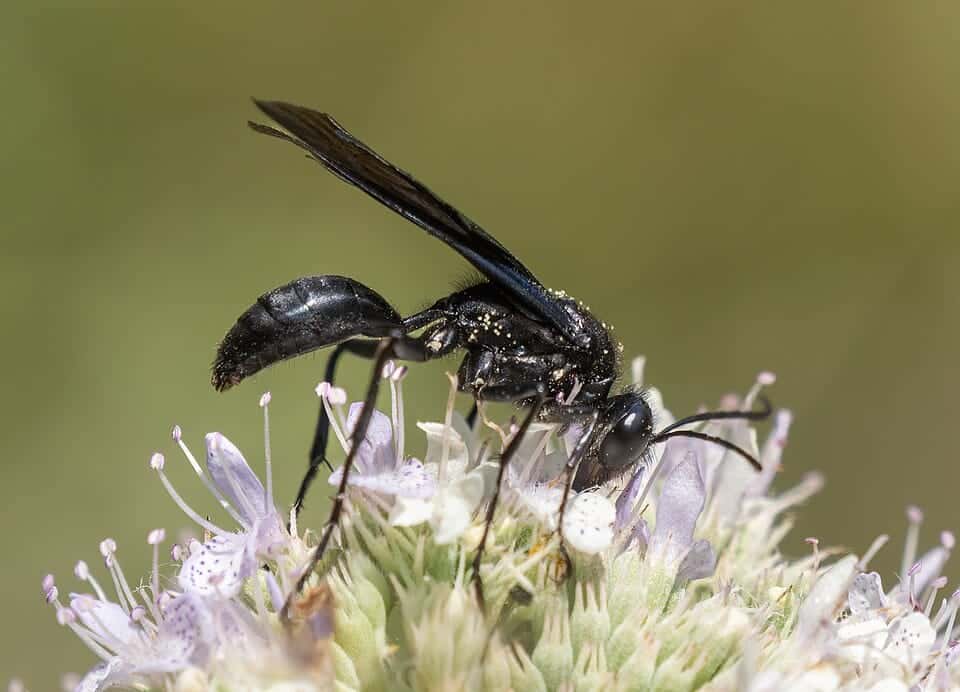
What Is the Giant Black Wasp on My Flowers in Late Summer? Identifying the Great Black Wasp
A glossy all-black wasp over an inch long with smoky blue-black wings on late-summer flowers is likely the great black wasp, a solitary, docile visitor.
 Fritz Geller-Grimm / Wikimedia Commons (CC BY-SA 2.5)
FN-0113 · Wildflowers
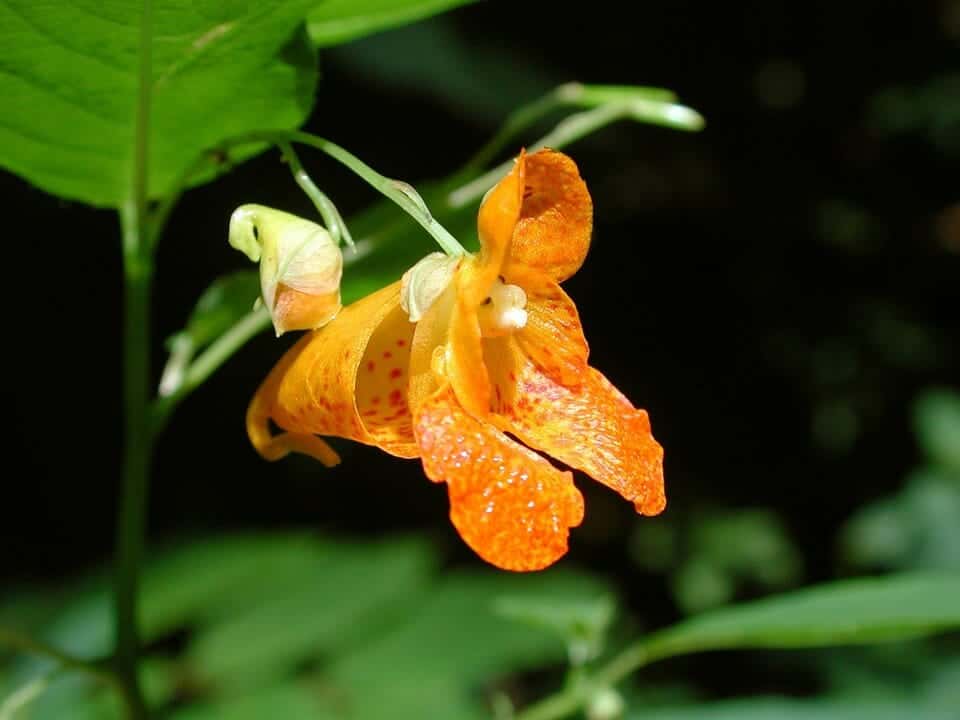
What Is the Orange Flower With Exploding Seed Pods? Identifying Jewelweed (Spotted Touch-Me-Not)
Orange, cornucopia-shaped flowers spotted reddish-brown by shady streams are jewelweed, or spotted touch-me-not. Learn to ID it and why its pods explode.
Found something on the trail?
Plants, animals, fungi and rocks from one photo. Free to start on iPhone and Android.