256 entries · page 4 of 11
Field Notes, page 4
How to identify the plants, animals, mushrooms, tracks and rocks you find outside, with the look-alikes and safety notes that matter.
Posts, page 4 of 11
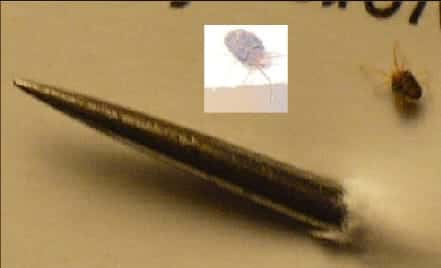 Raquel Baranow / Wikimedia Commons (CC BY-SA 3.0)
FN-0184 · Spiders, Ticks & Mites
What Are the Tiny Red Bugs Crawling on My Windowsill and Siding? Identifying Clover Mites
Pinpoint-sized red specks on sunny windowsills and siding are likely clover mites. They do not bite, spread disease, or damage your house.
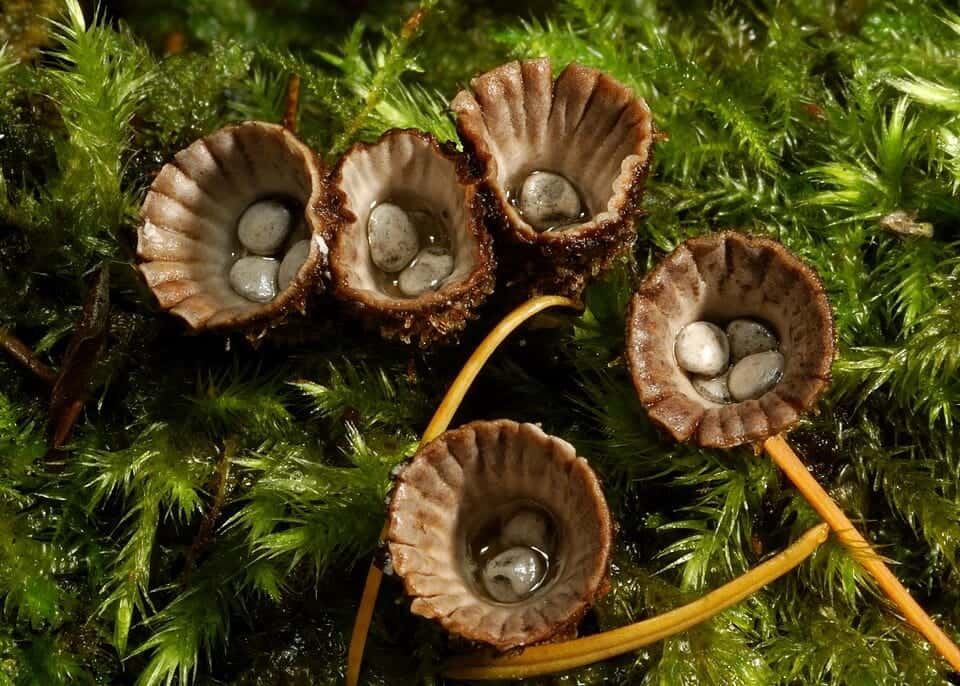 This image was created by user John Roper (madjack74) at Mushroom Observer, a source for mycological images.You can contact this user here. / Wikimedia Commons (CC BY-SA 3.0)
FN-0183 · Mushrooms & Fungi
What Are the Tiny Cups Full of "Eggs" in My Mulch? Identifying Bird’s Nest Fungi
Pea-sized cups holding tiny egg-like balls in damp mulch are bird’s nest fungi. Learn to identify them, how the splash cup works, and why they're harmless.
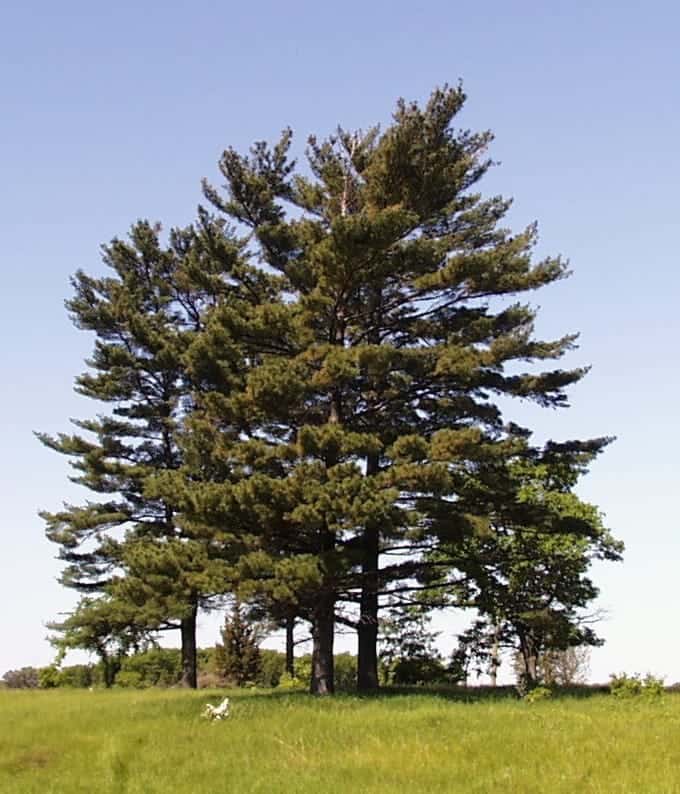 US FWS / Wikimedia Commons (Public domain)
FN-0182 · Trees
Why Is My Pine Turning Yellow and Dropping Needles This Fall? Understanding Seasonal Needle Drop
Inner needles yellowing and dropping on a pine, spruce, or arborvitae in fall is usually normal needle drop. Learn to tell it from a real problem.
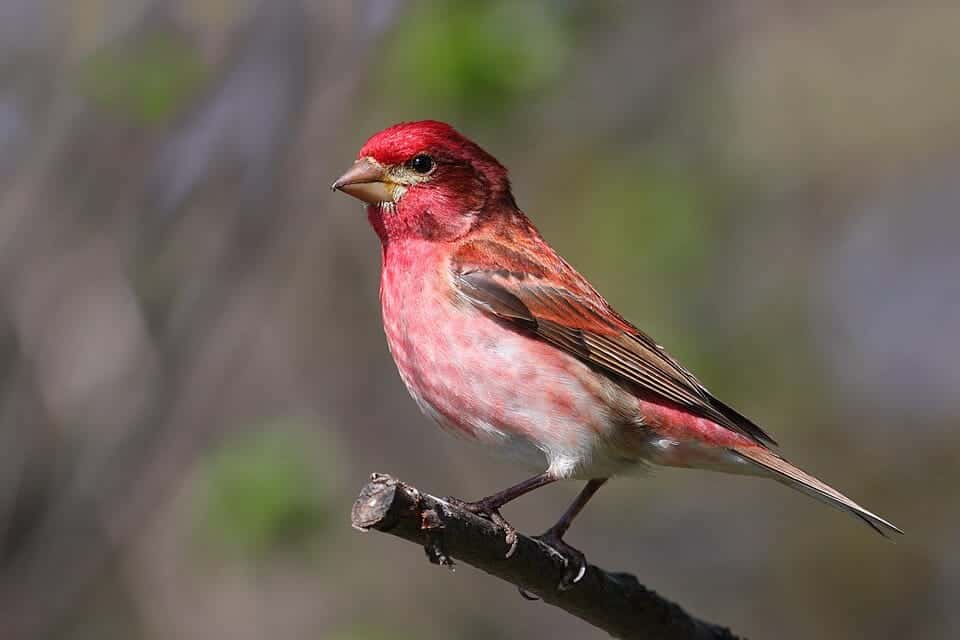 Cephas / Wikimedia Commons (CC BY-SA 3.0)
FN-0180 · Birds
Purple Finch vs. House Finch: How to Tell the Two Red Feeder Finches Apart
Purple finch or house finch? Check where the red is, how streaky the belly looks, and the female's face pattern to tell the red feeder finches apart.
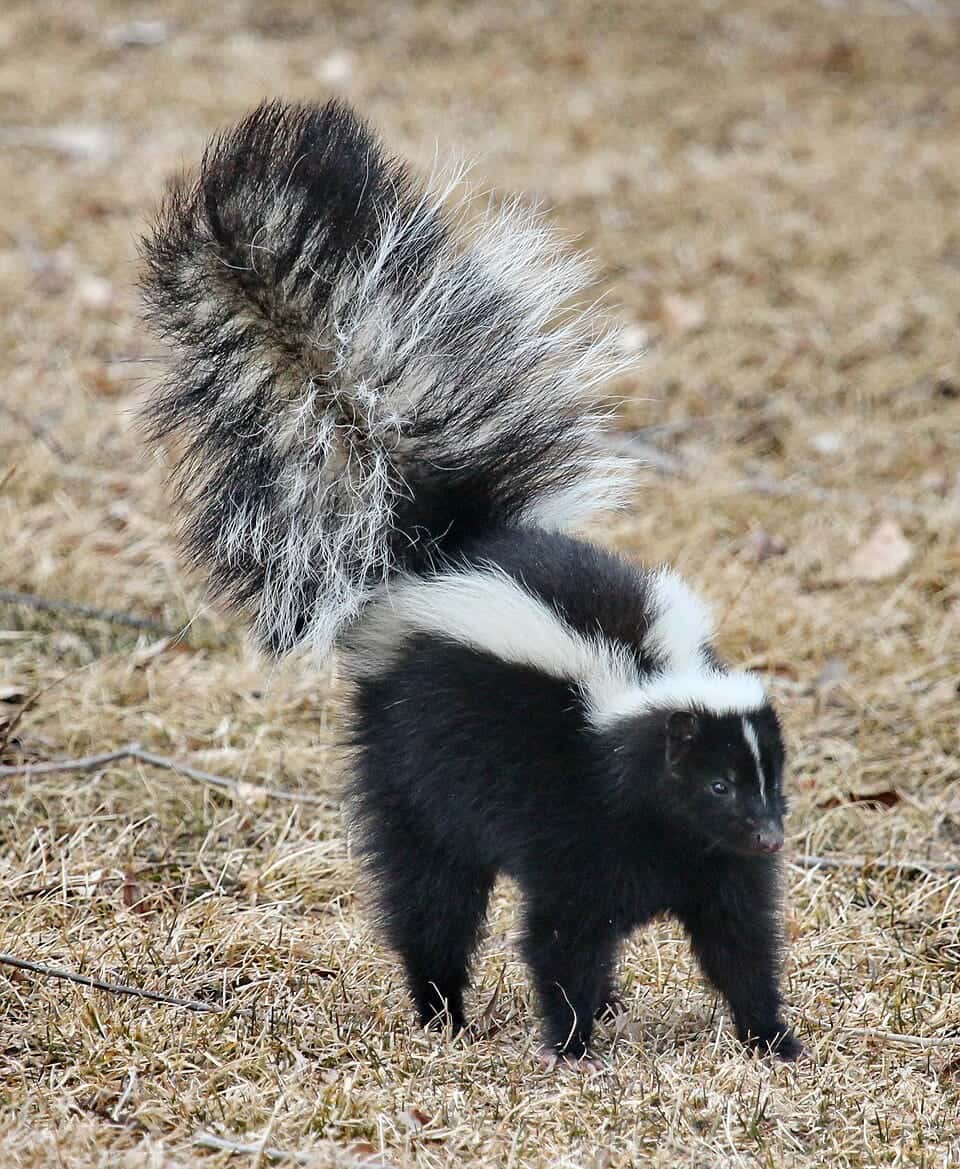 Wallace Keck / Wikimedia Commons (Public domain)
FN-0181 · Tracks & Signs
What Is Digging Holes in My Lawn at Night? Identifying the Culprit by Its Sign
Fresh holes, flipped turf, or cone-shaped divots mean an animal is digging for grubs and seeds. Identify the culprit from the damage and tracks.
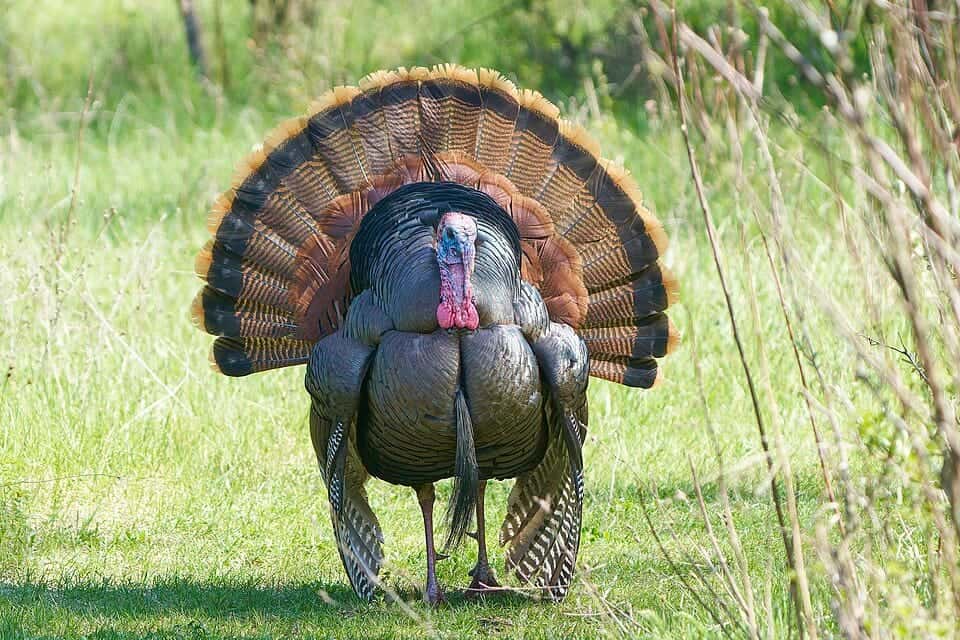 Paul Danese / Wikimedia Commons (CC BY-SA 4.0)
FN-0178 · Birds
What Is the Big Flock of Turkeys Marching Through the Yard in Fall? Understanding Wild Turkey Flocks
Wild turkeys form big, noisy flocks in fall that parade across lawns and fields. Learn why, and how to tell hens, toms, and young birds apart.
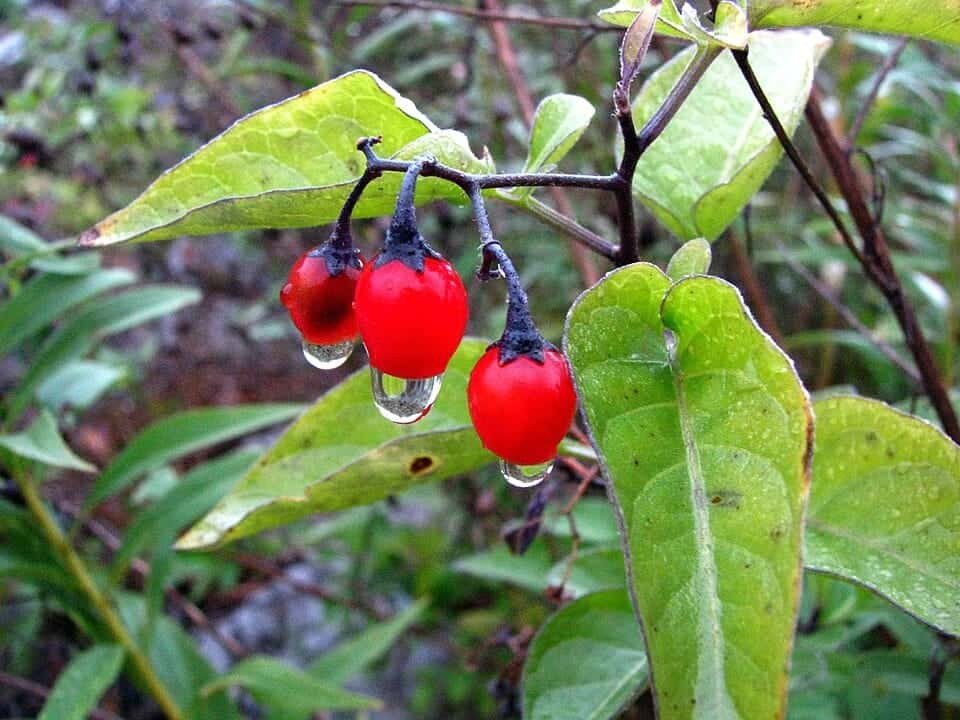 David Eickhoff from Pearl City, Hawaii, USA / Wikimedia Commons (CC BY 2.0)
FN-0179 · Wild Berries & Fruit
What Is the Vine With Shiny Red Berries and Purple Star-Shaped Flowers? Identifying Bittersweet Nightshade
A vine with glossy red berries and purple star flowers with a yellow beak is likely bittersweet nightshade. Its berries are toxic. Learn to identify it.
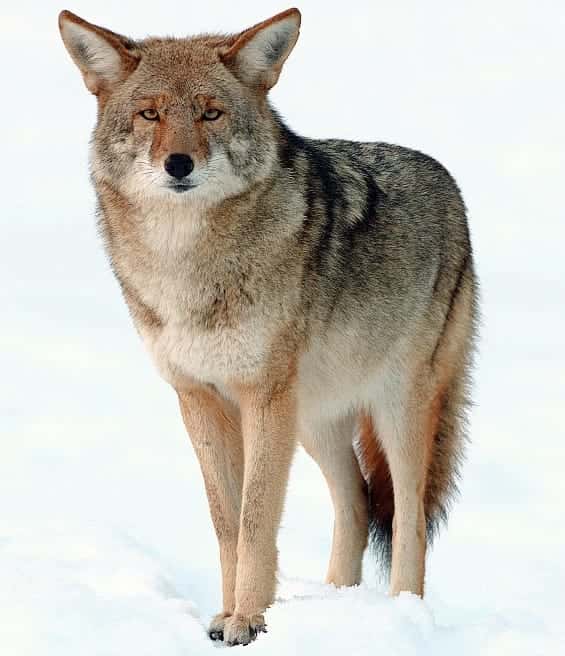 Yathin S Krishnappa / Wikimedia Commons (CC BY-SA 3.0)
FN-0177 · Mammals
What Is Howling and Yipping in the Dark on Fall Nights? Identifying Coyotes
A burst of howls, yips, and yapping on fall nights is usually coyotes, and it can sound like a whole pack. Learn to recognize coyotes by sight and sound.
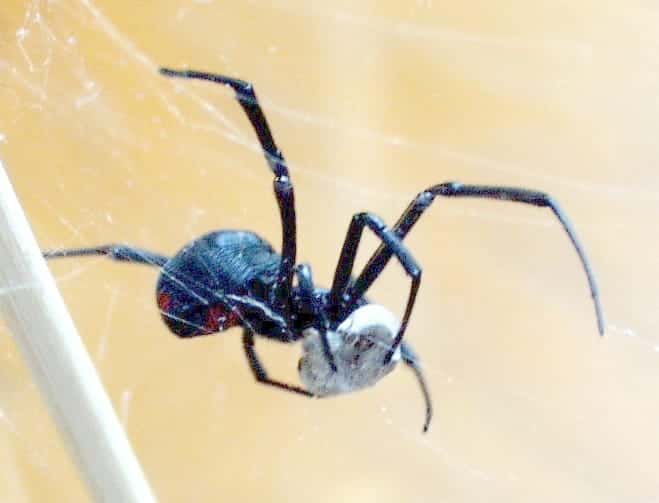 Wikimedia Commons / Wikimedia Commons (CC BY 2.0)
FN-0174 · Spiders, Ticks & Mites
How to Identify a Black Widow Spider — Safely — and Tell It From Harmless Lookalikes
A black widow is a glossy black spider with a red hourglass. It is venomous, but bites are rare. Learn to spot one from a distance and rule out lookalikes.
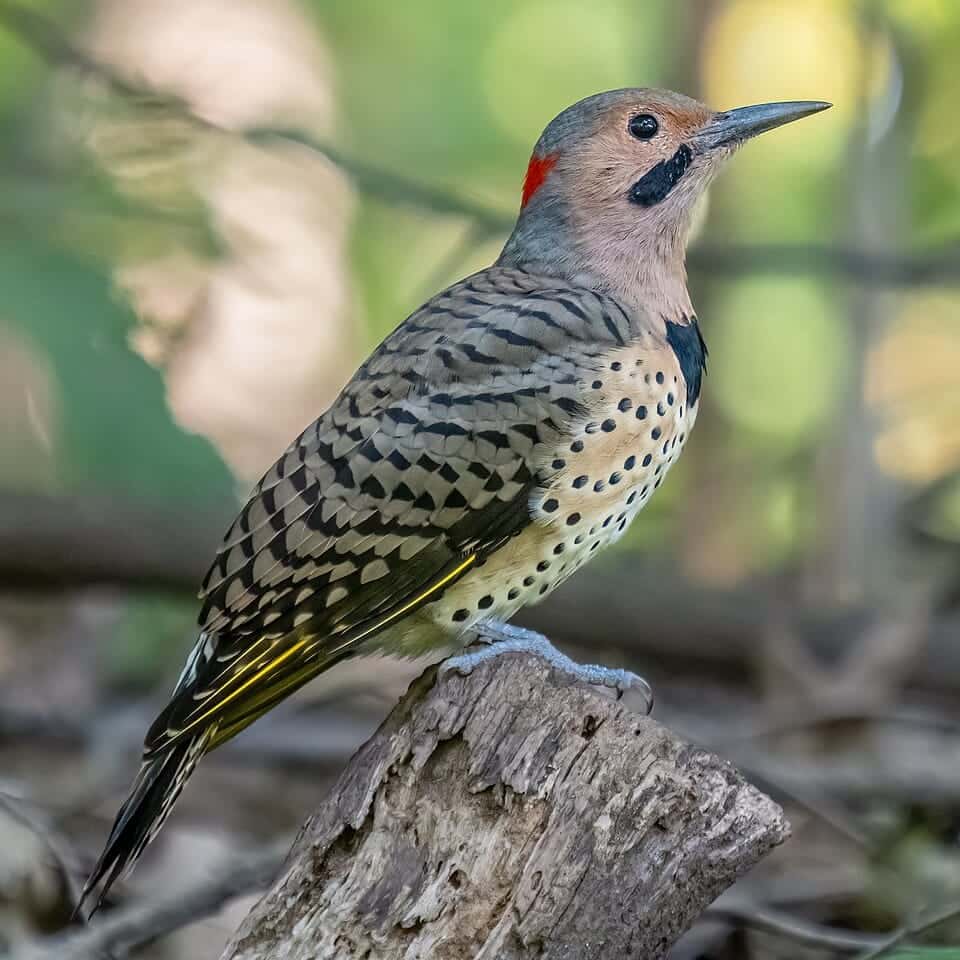 Rhododendrites / Wikimedia Commons (CC BY-SA 4.0)
FN-0176 · Birds
What Is the Brown Woodpecker Hopping Around on My Lawn? Identifying the Northern Flicker
A big brown, spotted woodpecker digging for ants on the lawn is a northern flicker. Look for a white rump and yellow or red under the wings when it flies.
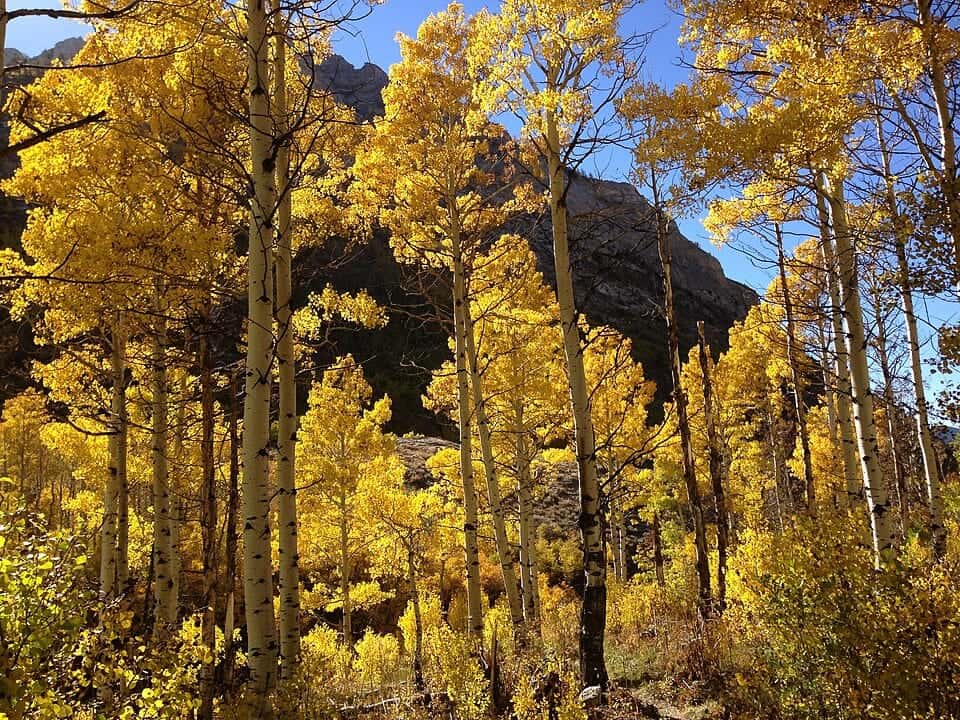 Famartin / Wikimedia Commons (CC BY-SA 3.0)
FN-0175 · Trees
What Are the Shimmering Golden Trees Lighting Up the Mountains in Fall? Identifying Quaking Aspen
The gold covering western mountainsides each September is mostly quaking aspen. Identify it by its shimmering, flat-stemmed leaves and groves.
 Ayotte, Gilles, 1948- / Wikimedia Commons (CC BY-SA 4.0)
FN-0171 · Trees
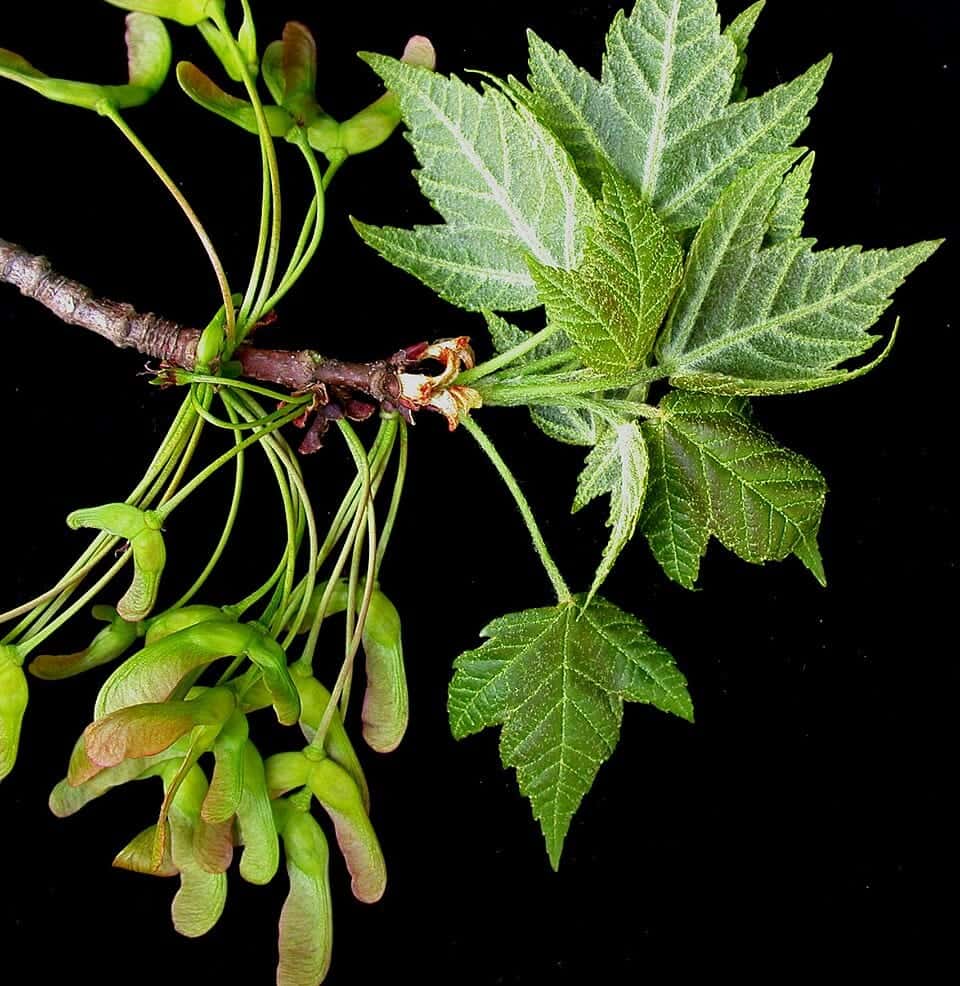
Sugar Maple vs. Red Maple: How to Tell the Two Most Common Maples Apart in Fall
Sugar maple or red maple? Check the leaf edge, the notches between lobes, twig color, and fall color. A simple field guide to two common maples.
 Chuck Homler, Focus On Wildlife / Wikimedia Commons (CC BY-SA 4.0)
FN-0173 · Birds
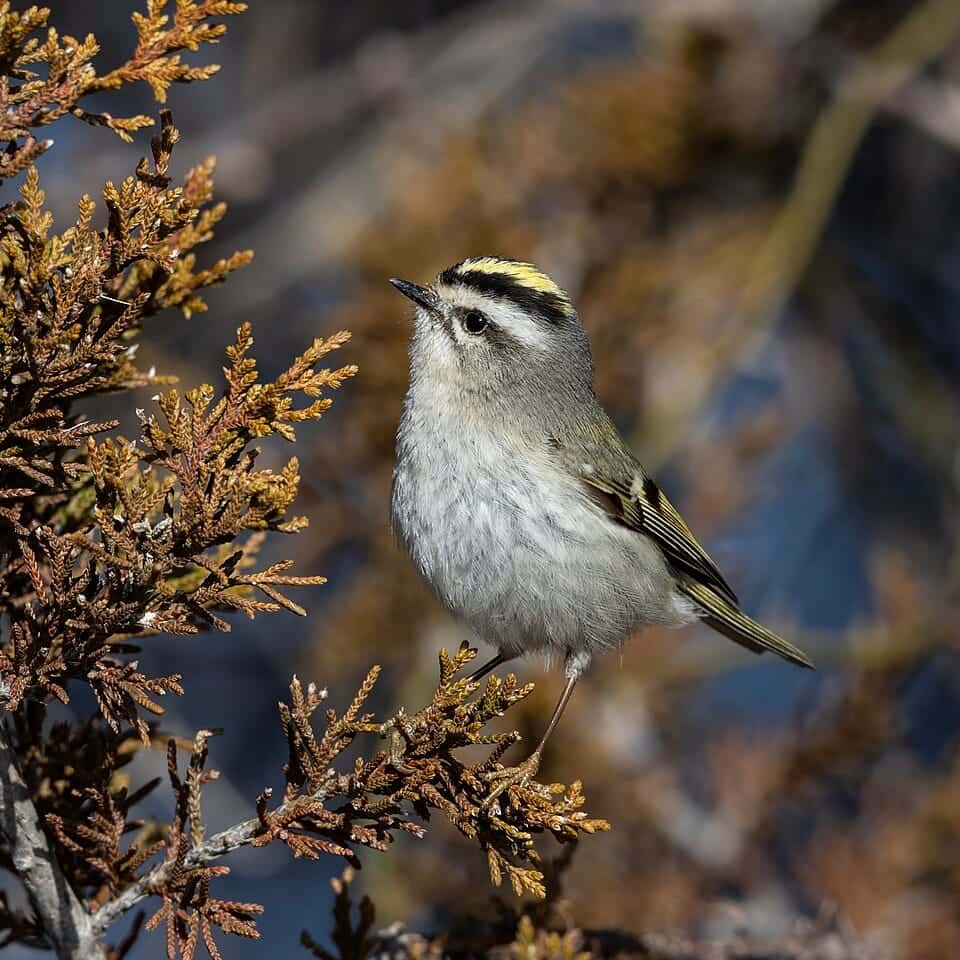
What Is the Tiny, Restless Bird Flitting Through the Trees in Fall? Identifying Kinglets
A tiny bird smaller than a chickadee, flicking its wings and hovering at twig tips in fall, is likely a kinglet. Tell ruby-crowned from golden-crowned.
 Alan Rockefeller / Wikimedia Commons (CC BY-SA 4.0)
FN-0172 · Mushrooms & Fungi
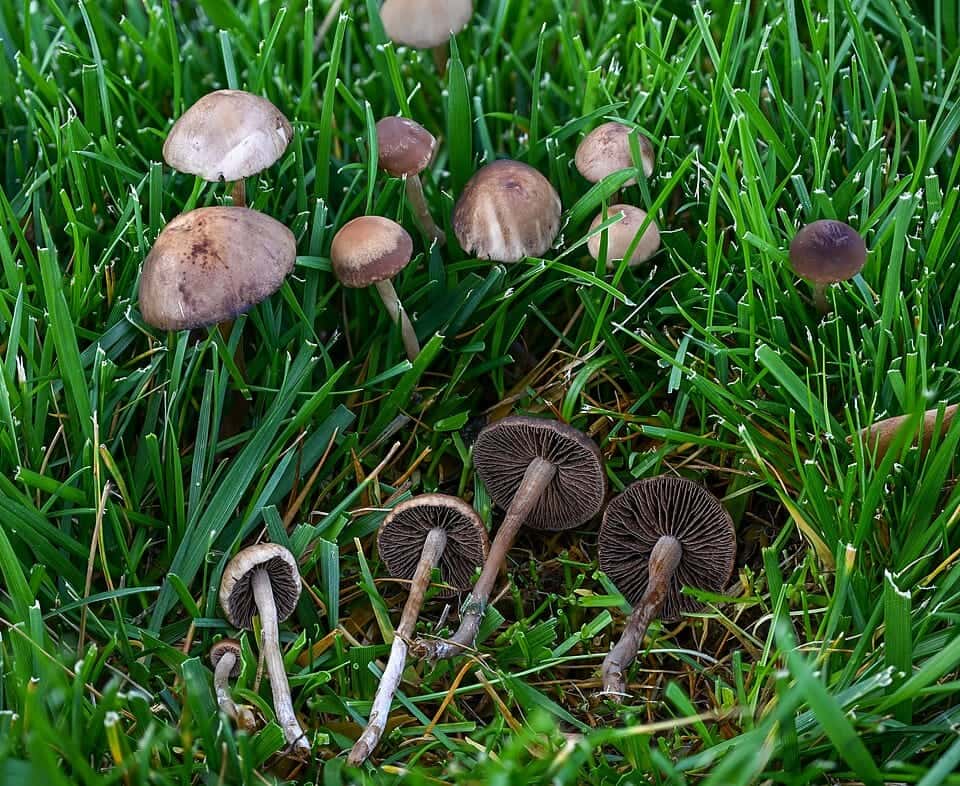
What Are the Little Brown Mushrooms Popping Up All Over My Lawn?
Small brown lawn mushrooms after warm, wet weather are a sign of healthy soil. Many look alike and some are toxic, so keep kids and pets away.
 Channel City Camera Club from Santa Barbara, US / Wikimedia Commons (CC BY 2.0)
FN-0169 · Birds
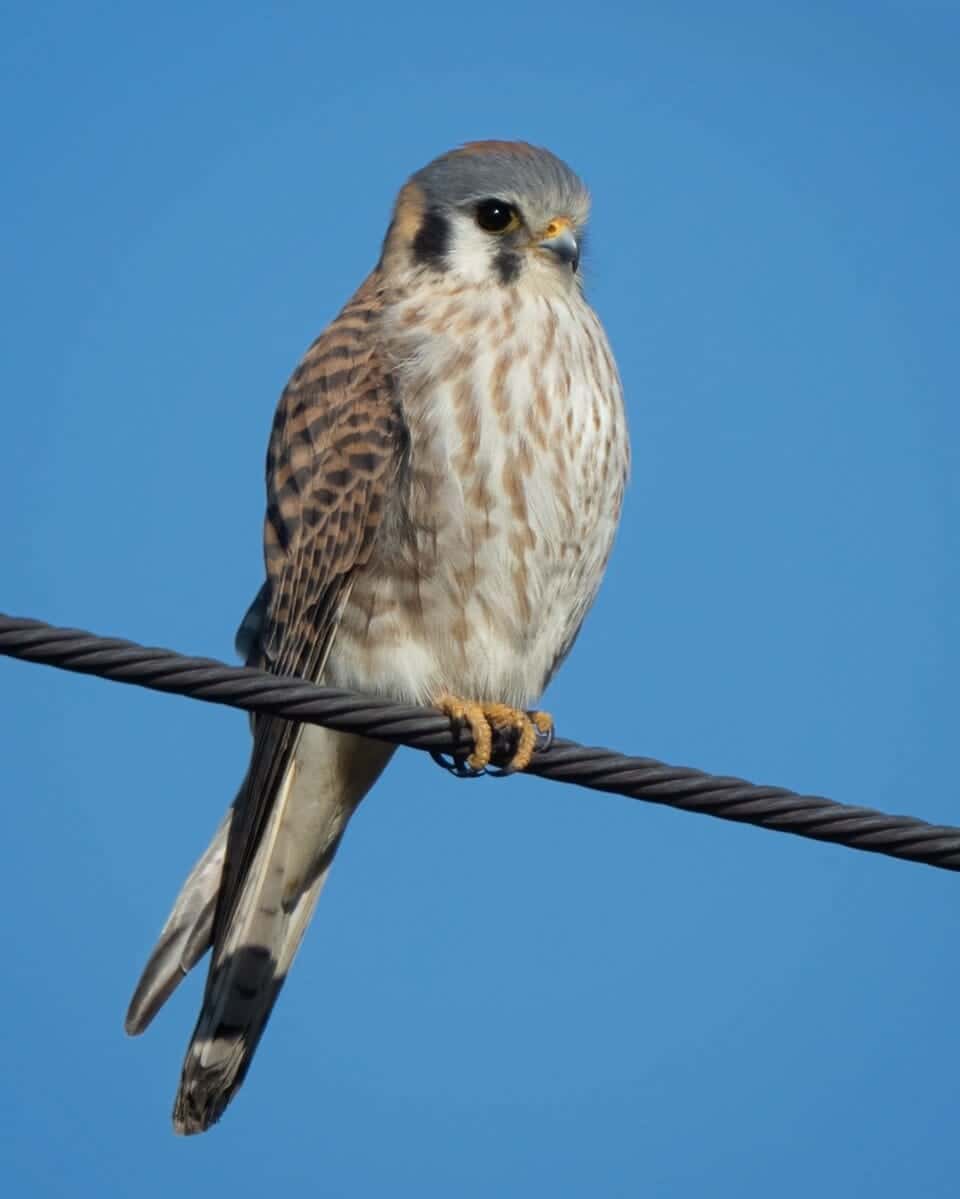
What Is the Tiny, Colorful Falcon Hovering Over the Field or Perched on a Wire? Identifying the American Kestrel
A jay-sized raptor bobbing its tail on a wire or hovering over grass is an American kestrel, our smallest falcon. Tell it from other small hawks.
 Eric Hunt / Wikimedia Commons (CC BY-SA 4.0)
FN-0170 · Trees
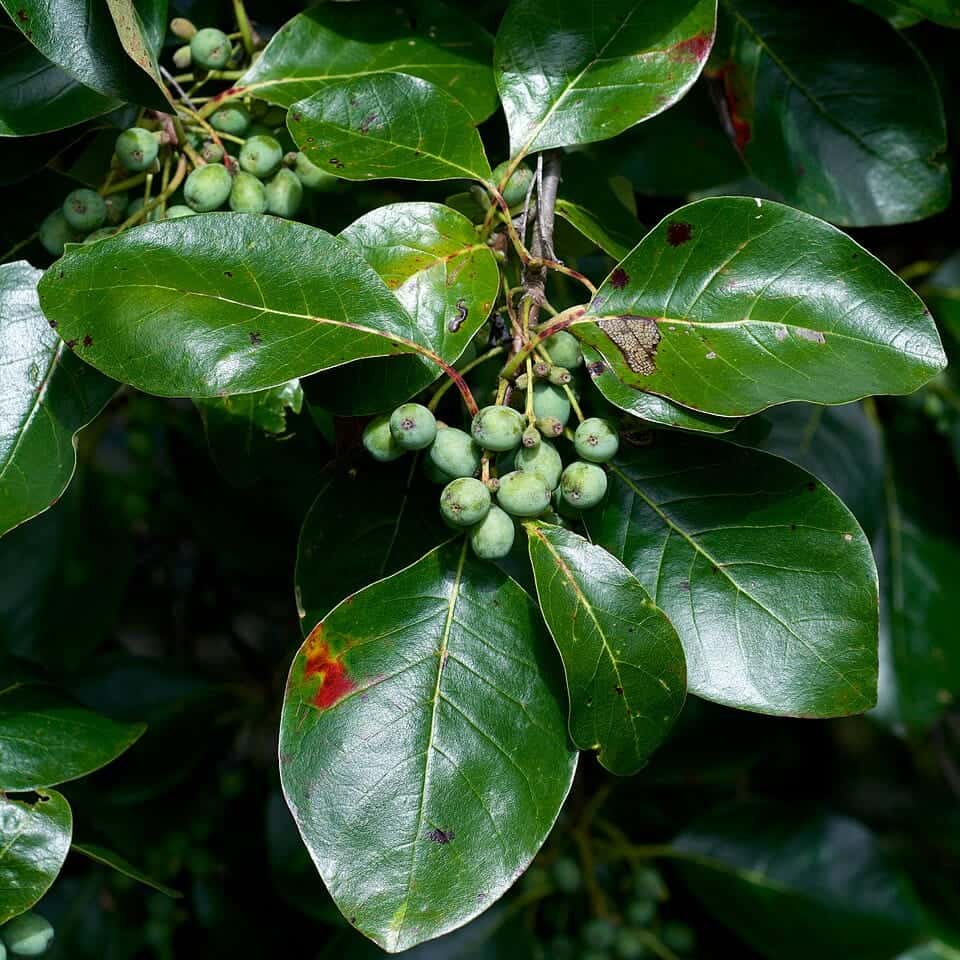
What Is the Tree Blazing Scarlet Before Everything Else in Fall? Identifying Black Gum (Black Tupelo)
The tree that turns scarlet before everything else in fall is usually black gum. Identify it by glossy leaves, alligator-hide bark, and blue-black berries.
 Alex Abair / Wikimedia Commons (CC BY 4.0)
FN-0168 · Wild Berries & Fruit
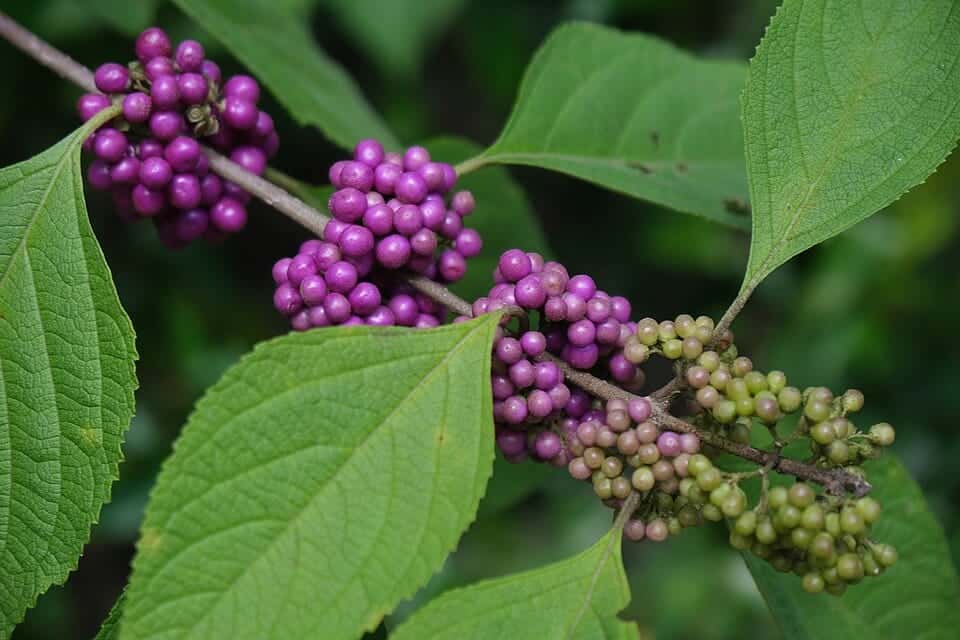
What Is the Shrub Covered in Clusters of Electric-Purple Berries? Identifying American Beautyberry
An arching shrub with tight rings of electric-purple berries around its stems is American beautyberry. Learn to identify it and why birds love it.
 JeffreyGammon / Wikimedia Commons (CC BY-SA 4.0)
FN-0167 · Mammals
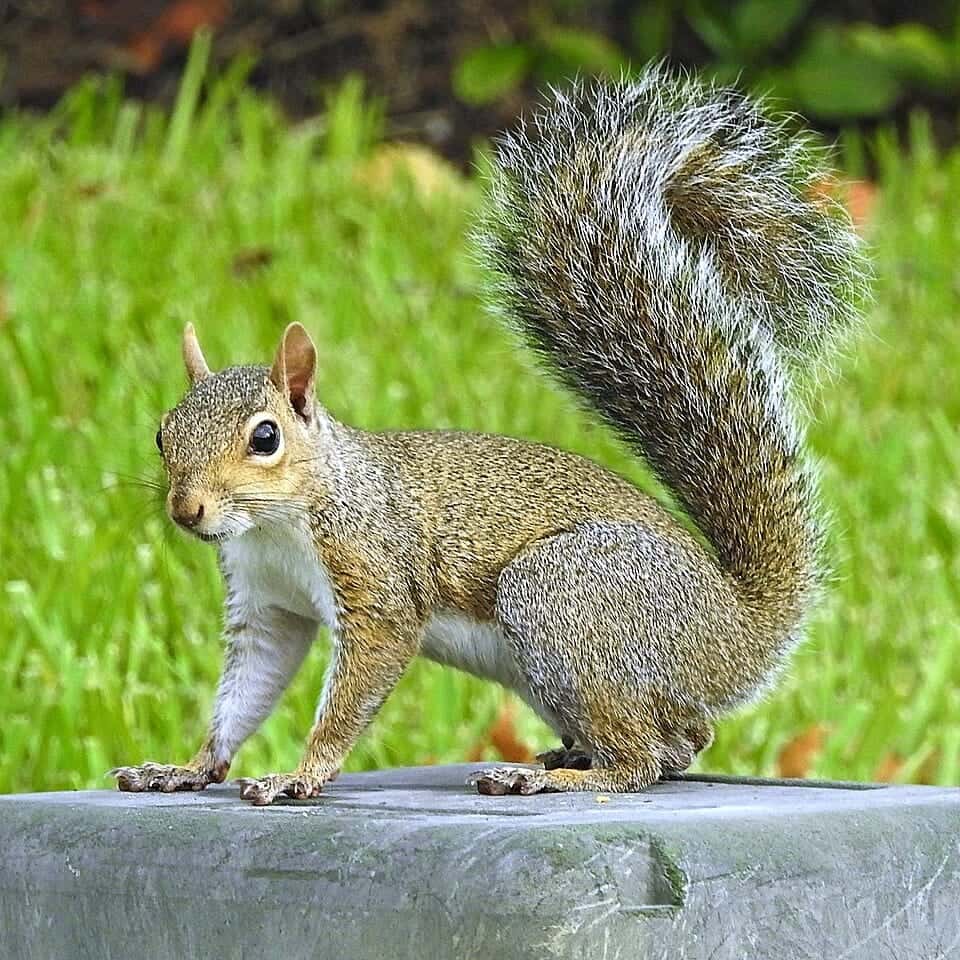
Why Are Squirrels Suddenly Everywhere, Frantically Burying Nuts? The Fall Squirrel Frenzy Explained
Squirrels burying nuts in fall are caching food for winter, peaking in late September and October. Learn why they forget caches and how to tell them apart.
 Rhododendrites / Wikimedia Commons (CC BY-SA 4.0)
FN-0165 · Mammals
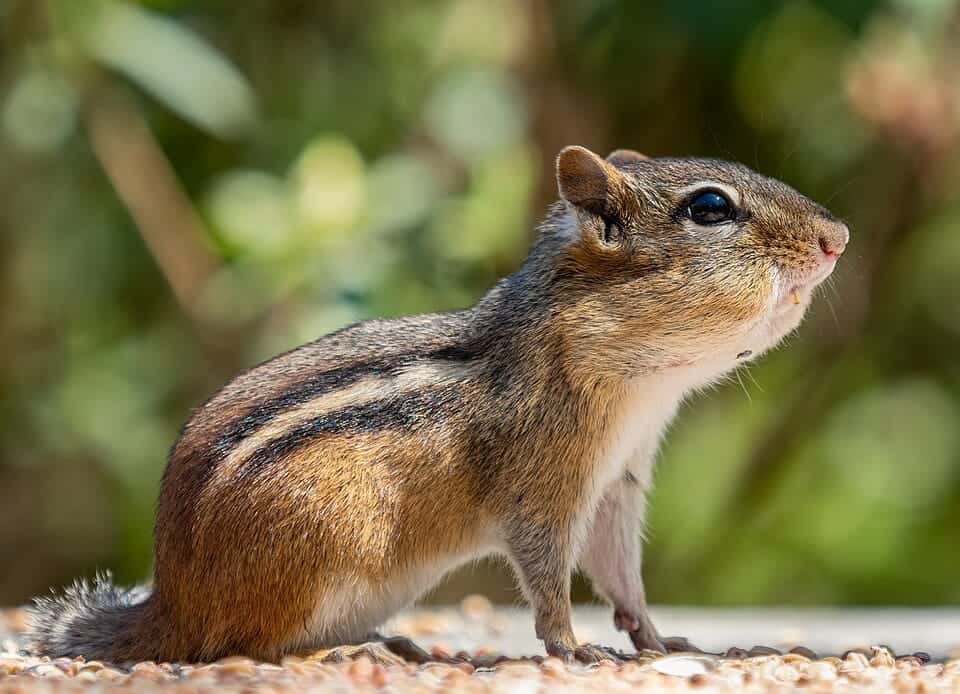
What Is the Little Striped Animal Stuffing Its Cheeks? Identifying Chipmunks
A small striped animal racing off with bulging cheeks is a chipmunk stocking its burrow for winter. Tell it from ground squirrels and tree squirrels.
 Rhododendrites / Wikimedia Commons (CC BY-SA 4.0)
FN-0166 · Birds
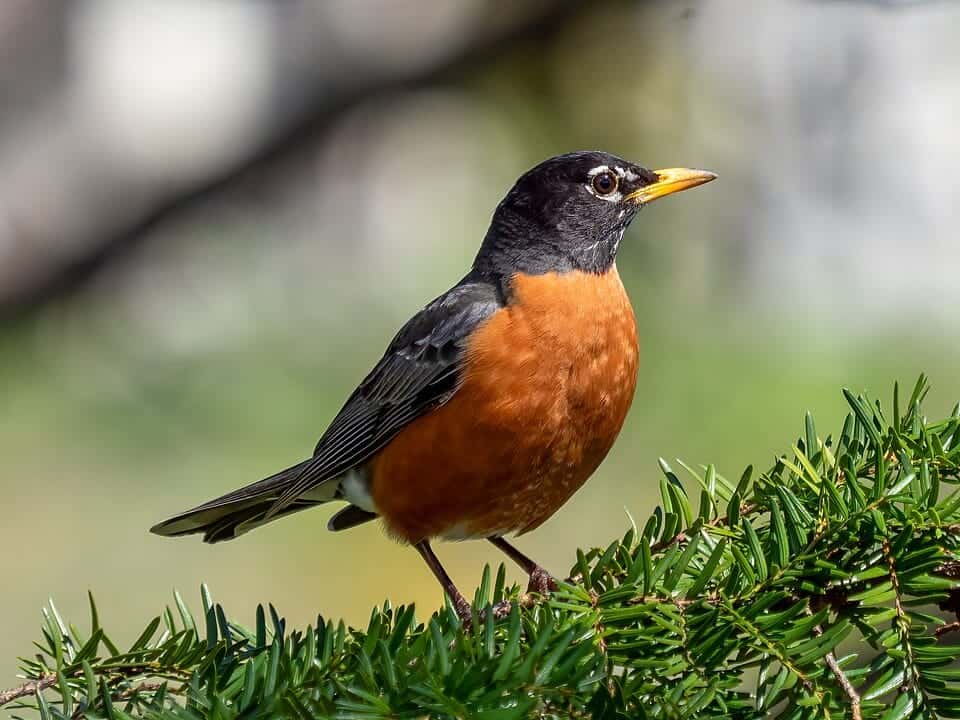
Where Did All the Robins Go? Why Robins Flock, Wander, and Seem to Vanish in Fall
Robins do not simply fly south. In fall they switch to fruit, band into big wandering flocks, and roam wherever the berries are.
 Joshlaymon / Wikimedia Commons (CC BY-SA 3.0)
FN-0162 · Birds
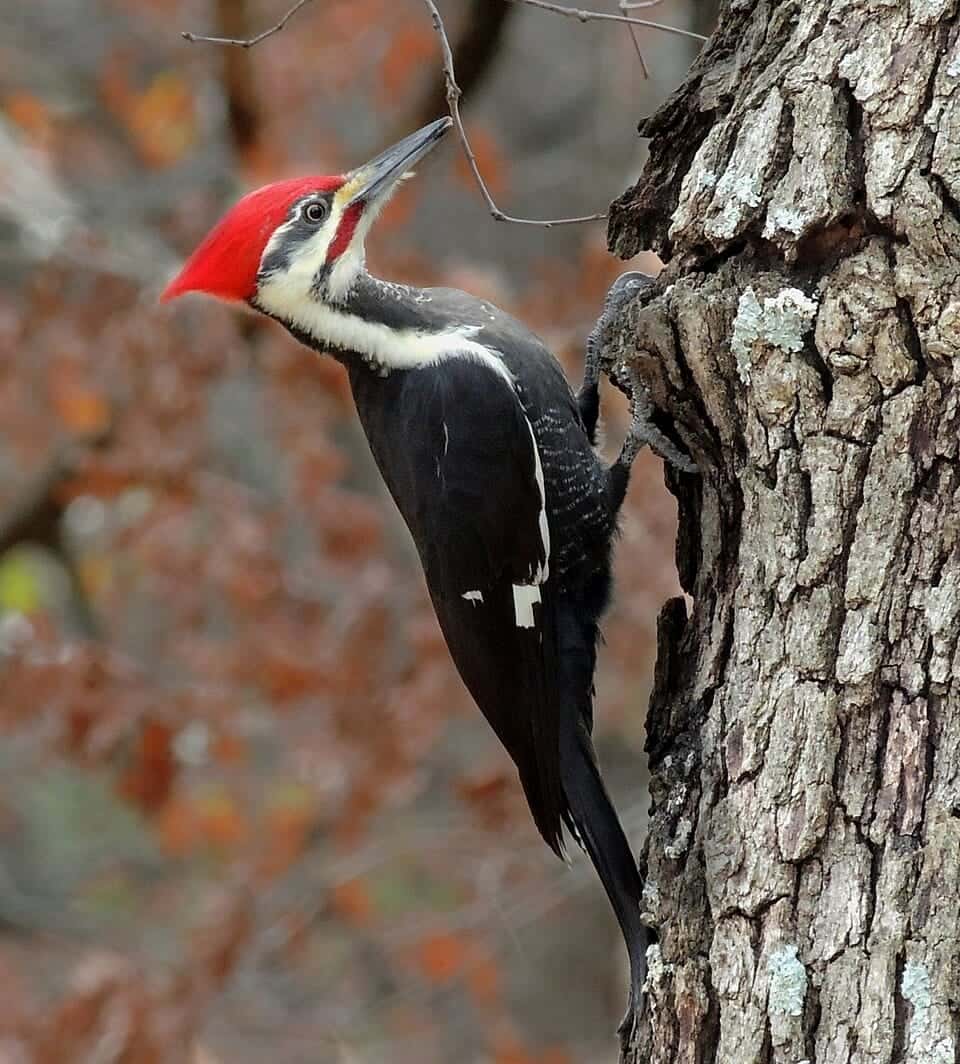
What Is the Crow-Sized Woodpecker With the Flaming Red Crest? Identifying the Pileated Woodpecker
A crow-sized woodpecker with a flaming red crest, chiseling rectangular holes in dead trunks, is a pileated woodpecker. Learn to tell males from females.
 Mdf / Wikimedia Commons (CC BY-SA 3.0)
FN-0163 · Birds
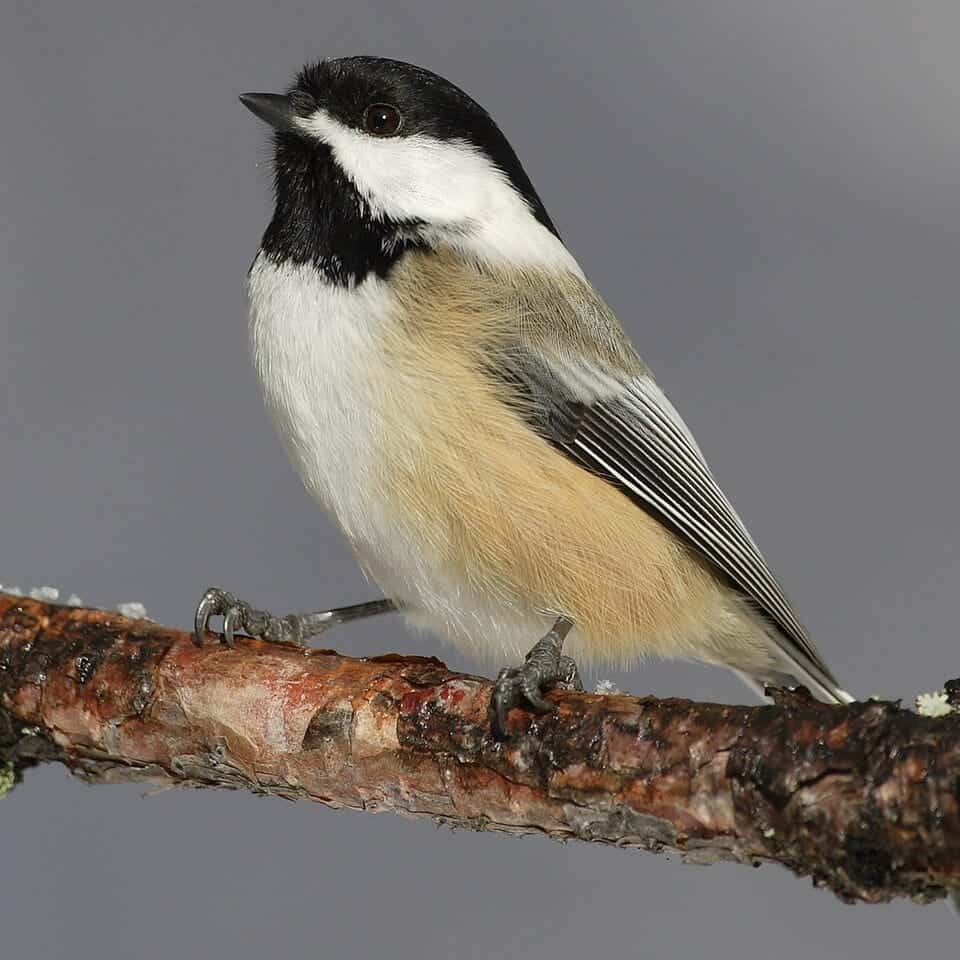
What Is the Tiny Bird With the Black Cap and Bib at My Feeder? Identifying Chickadees
A small, round feeder bird with a black cap, black bib, and white cheeks is a chickadee. Tell black-capped from Carolina and learn the famous call.
 Marty Aligata at English Wikipedia / Wikimedia Commons (CC BY-SA 3.0)
FN-0164 · Trees
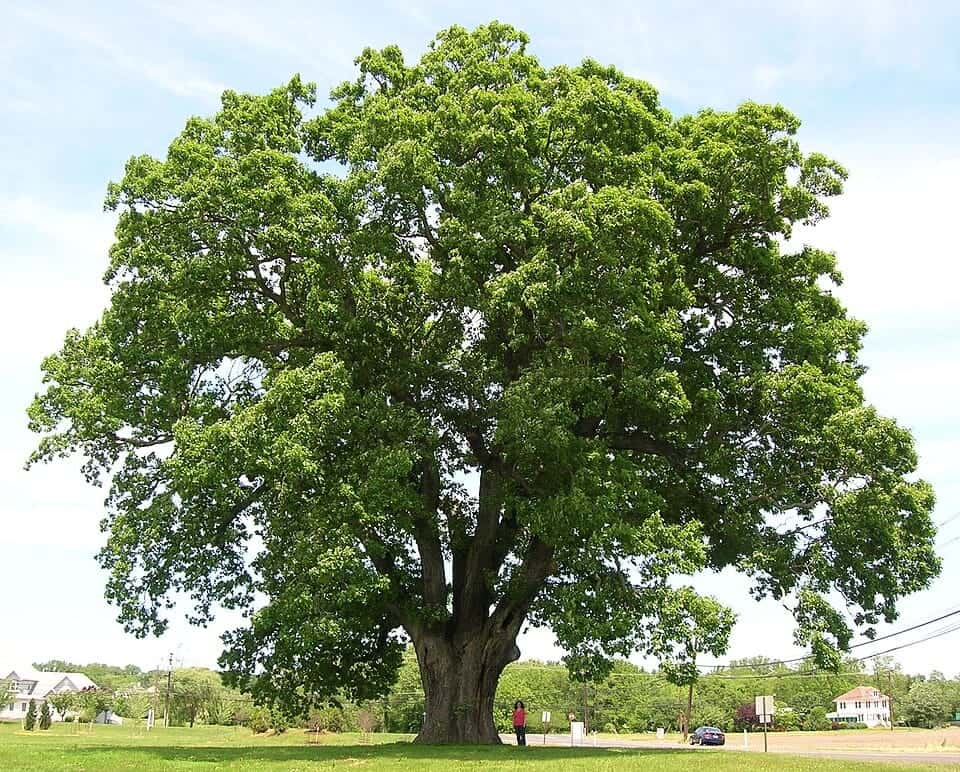
White Oak vs. Red Oak: How to Tell the Two Great Oak Groups Apart
White oak or red oak? Nearly every oak fits one group. Check the leaf tips, the inside of the acorn cap, and the bark to place any oak in the right family.
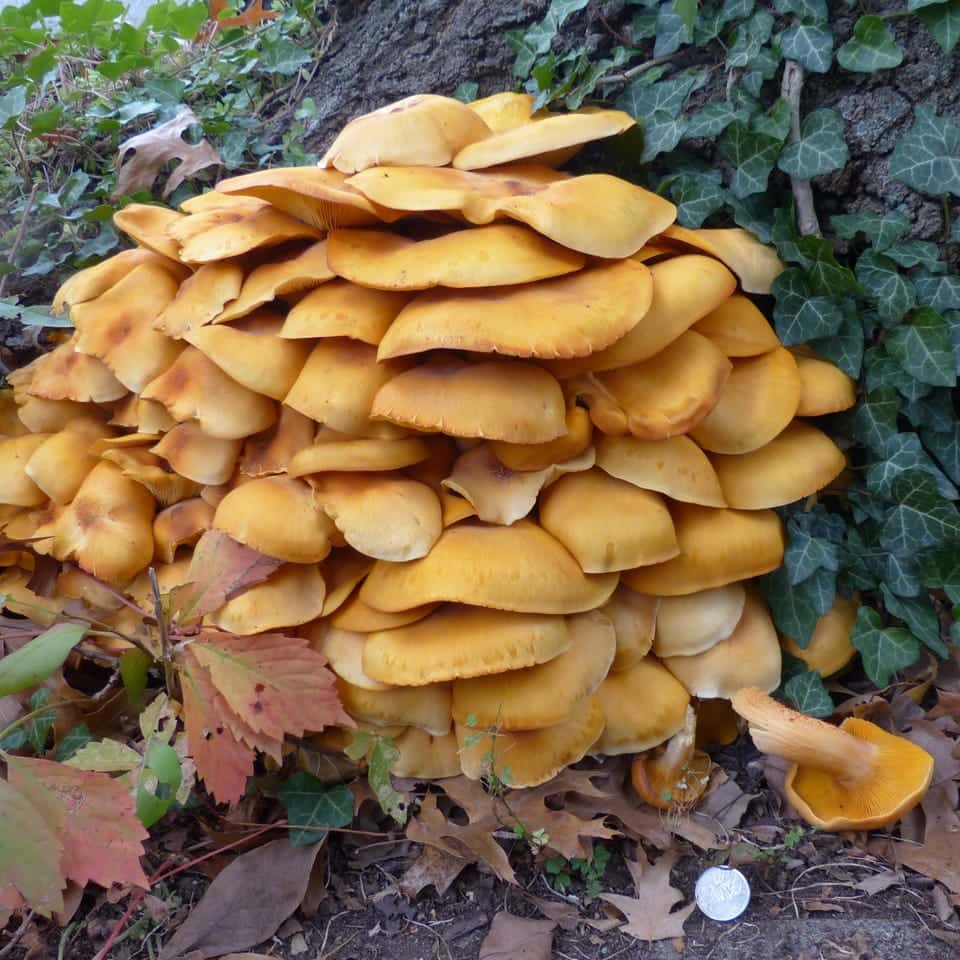 KeithMiklas / Wikimedia Commons (CC BY-SA 4.0)
FN-0159 · Mushrooms & Fungi
What Are the Orange Mushrooms Clustered on the Stump? Identifying the Jack-o’-Lantern (and Why It Fools Foragers)
Bright orange mushroom clusters on a fall stump are often jack-o’-lanterns, a toxic glow-in-the-dark look-alike of chanterelles. Learn to spot them.
Found something on the trail?
Plants, animals, fungi and rocks from one photo. Free to start on iPhone and Android.