256 entries · page 7 of 11
Field Notes, page 7
How to identify the plants, animals, mushrooms, tracks and rocks you find outside, with the look-alikes and safety notes that matter.
Posts, page 7 of 11
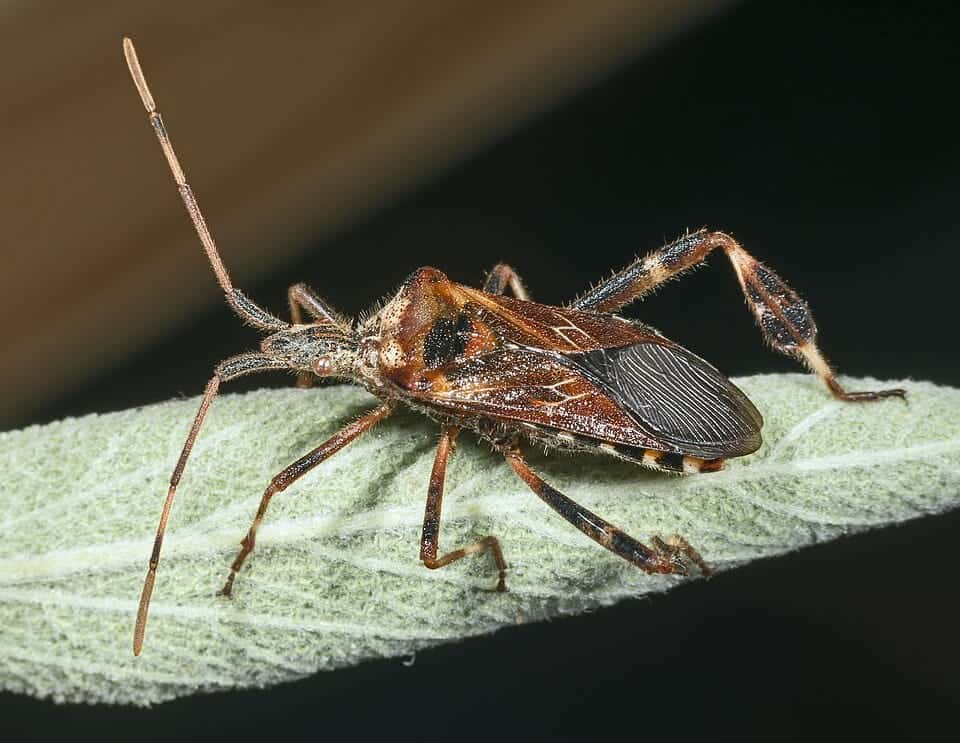 Didier Descouens / Wikimedia Commons (CC BY-SA 4.0)
FN-0112 · Insects & Bugs
What Is the Big Brown Bug With Flat, Leaf-Like Legs? Identifying Leaf-Footed Bugs
An inch-long brown bug with leaf-shaped flares on its hind legs is a leaf-footed bug, often the western conifer seed bug. Tell it from stink bugs and more.
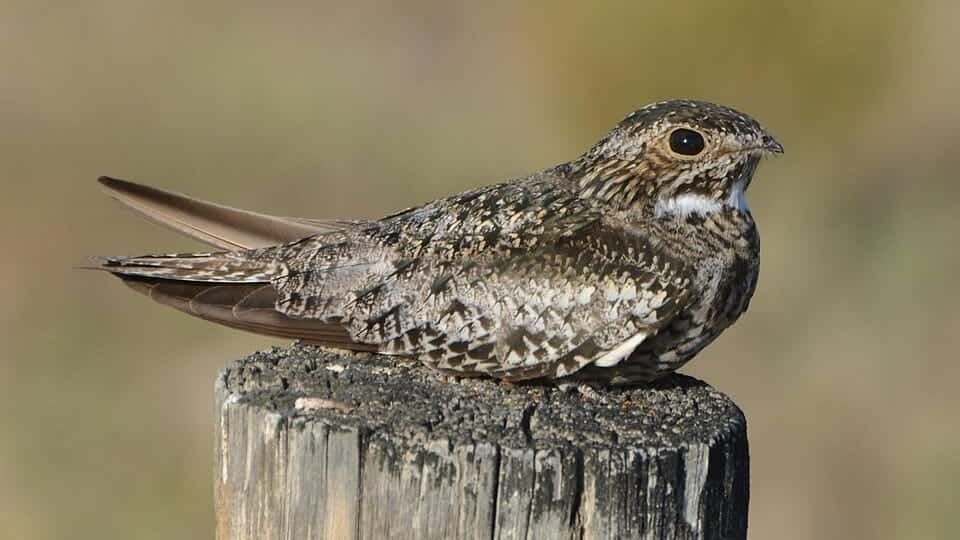 Andy Reago & Chrissy McClarren / Wikimedia Commons (CC BY 2.0)
FN-0111 · Birds
What Are the Birds Swirling Overhead at Dusk in Late August? Understanding Nighthawk Migration
Slim, long-winged birds wheeling at dusk in late August, flashing white wing patches, are common nighthawks migrating south. Learn how to identify them.
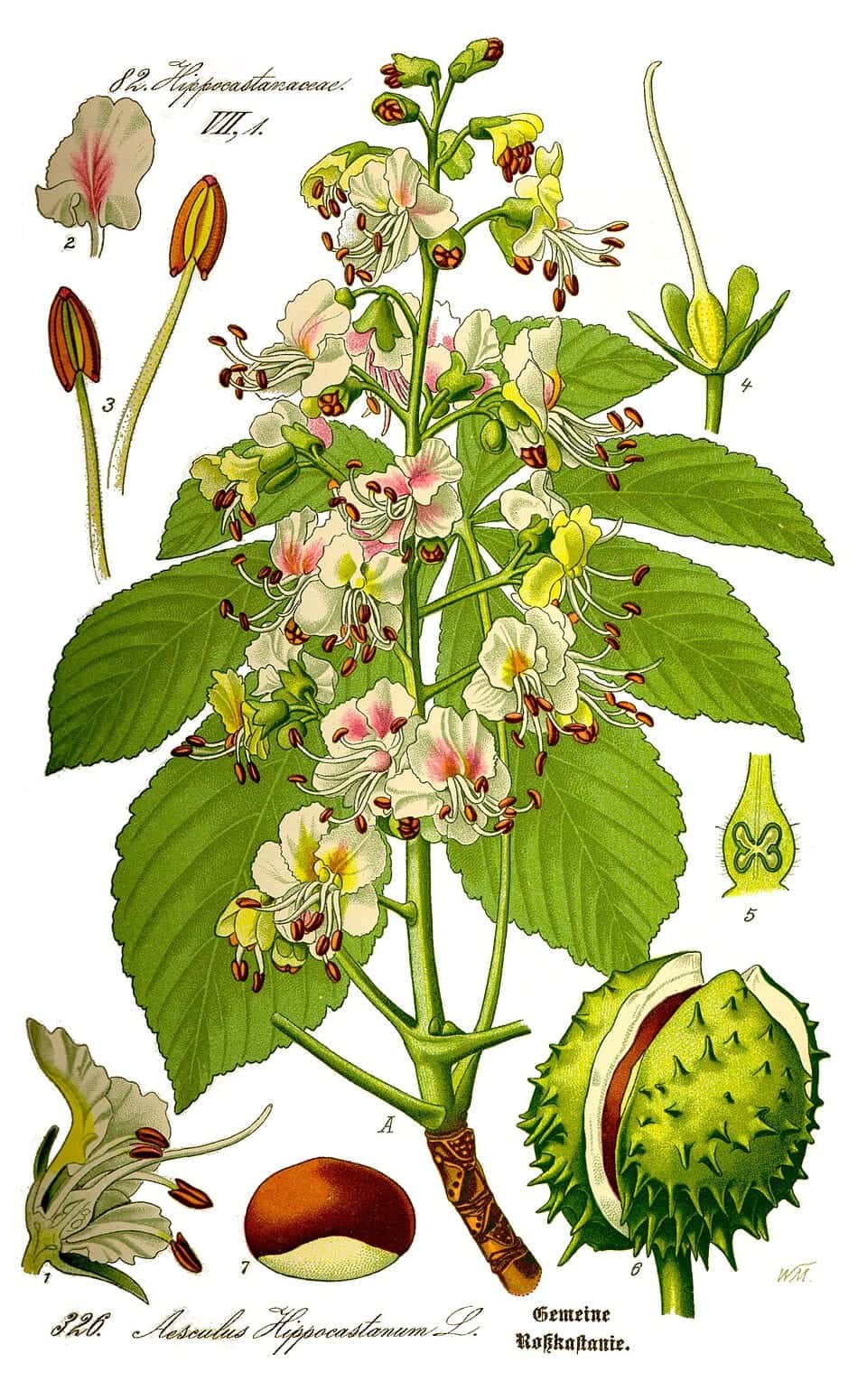 User:Kilom691 / Wikimedia Commons (Public domain)
FN-0109 · Trees
What Are the Shiny Brown Nuts Falling From My Tree? Identifying Buckeyes and Horse Chestnuts
Glossy mahogany nuts in split husks under a shade tree are buckeyes or horse chestnuts. Learn to tell the two apart and why they should never be eaten.
 Stu's Images / Wikimedia Commons (CC BY-SA 3.0)
FN-0108 · Mushrooms & Fungi
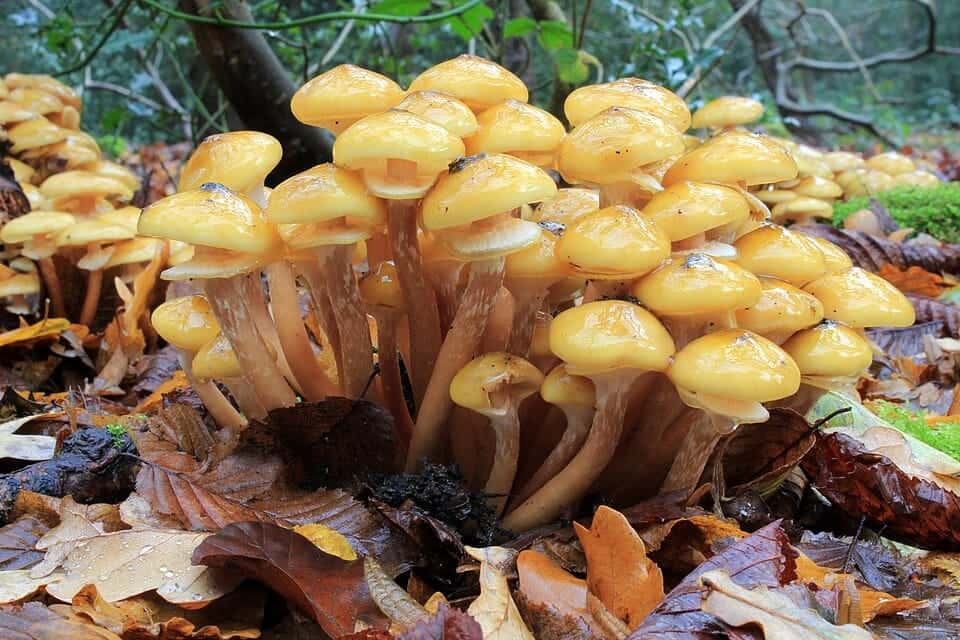
What Are the Clustered Mushrooms at the Base of My Tree? Identifying Honey Mushrooms
Dense clumps of honey-colored caps with stems fused at the base, on trees or stumps in fall, are often honey mushrooms. See why they can mean tree trouble.
 Björn S... / Wikimedia Commons (CC BY-SA 2.0)
FN-0110 · Mushrooms & Fungi
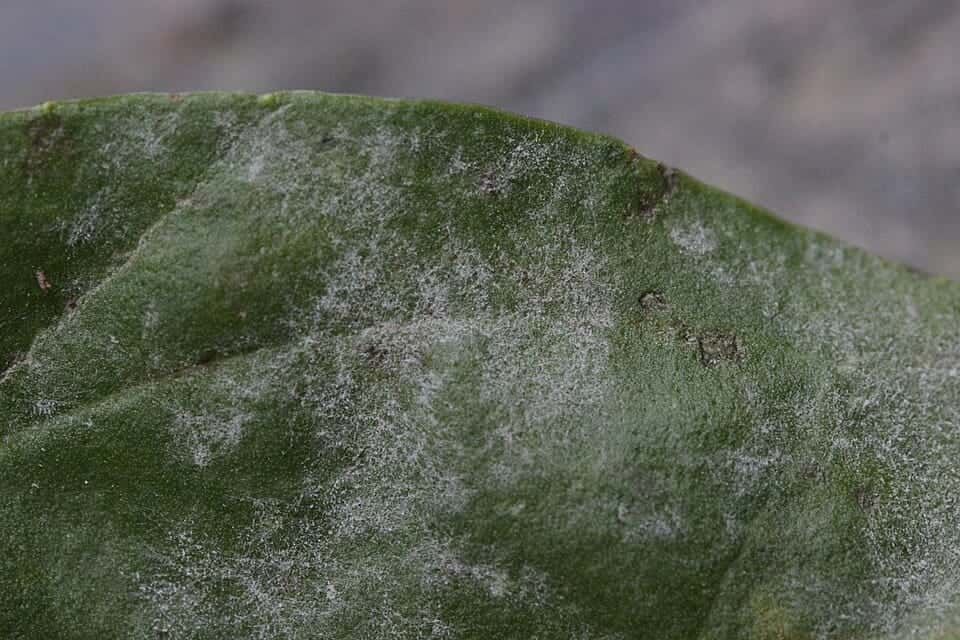
What Is the White Powdery Coating on My Plant Leaves? Identifying Powdery Mildew
A flour-like white or gray film on squash, zinnia, phlox, or lilac leaves is powdery mildew, a fungal disease of late summer. Learn how to spot it.
 Will Brown / Wikimedia Commons (CC BY 2.0)
FN-0105 · Reptiles & Amphibians
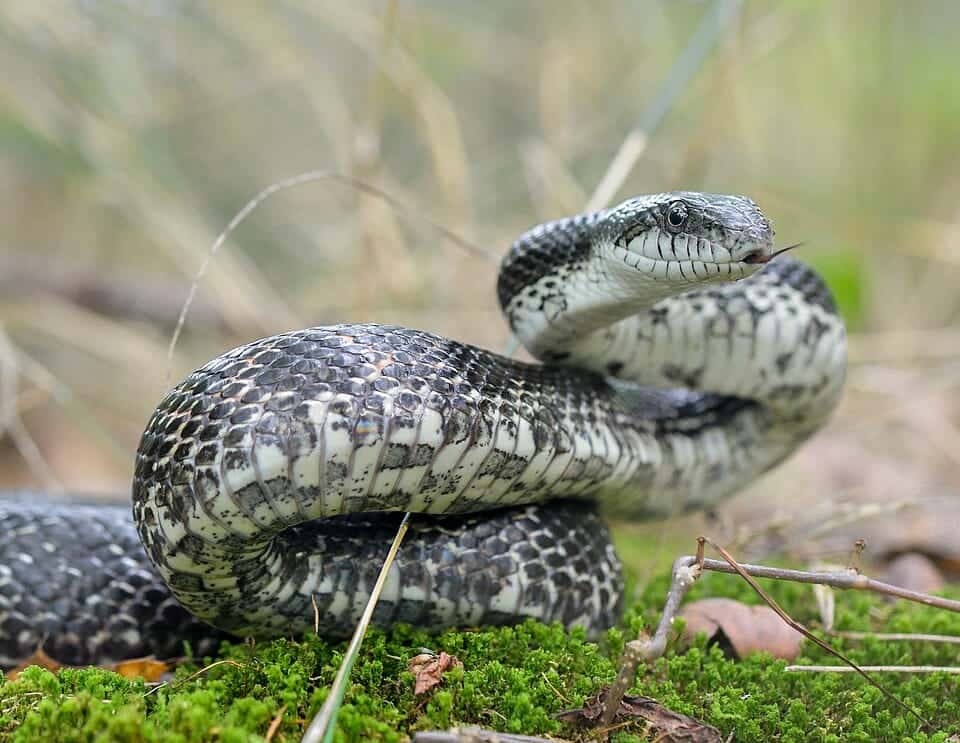
What Is the Big Black Snake in My Yard? Identifying Rat Snakes and Black Racers
The long, glossy black snake in most yards is a harmless rat snake or black racer. Learn to tell the two apart and to separate them from venomous snakes.
 Didier Descouens / Wikimedia Commons (CC BY-SA 4.0)
FN-0107 · Insects & Bugs
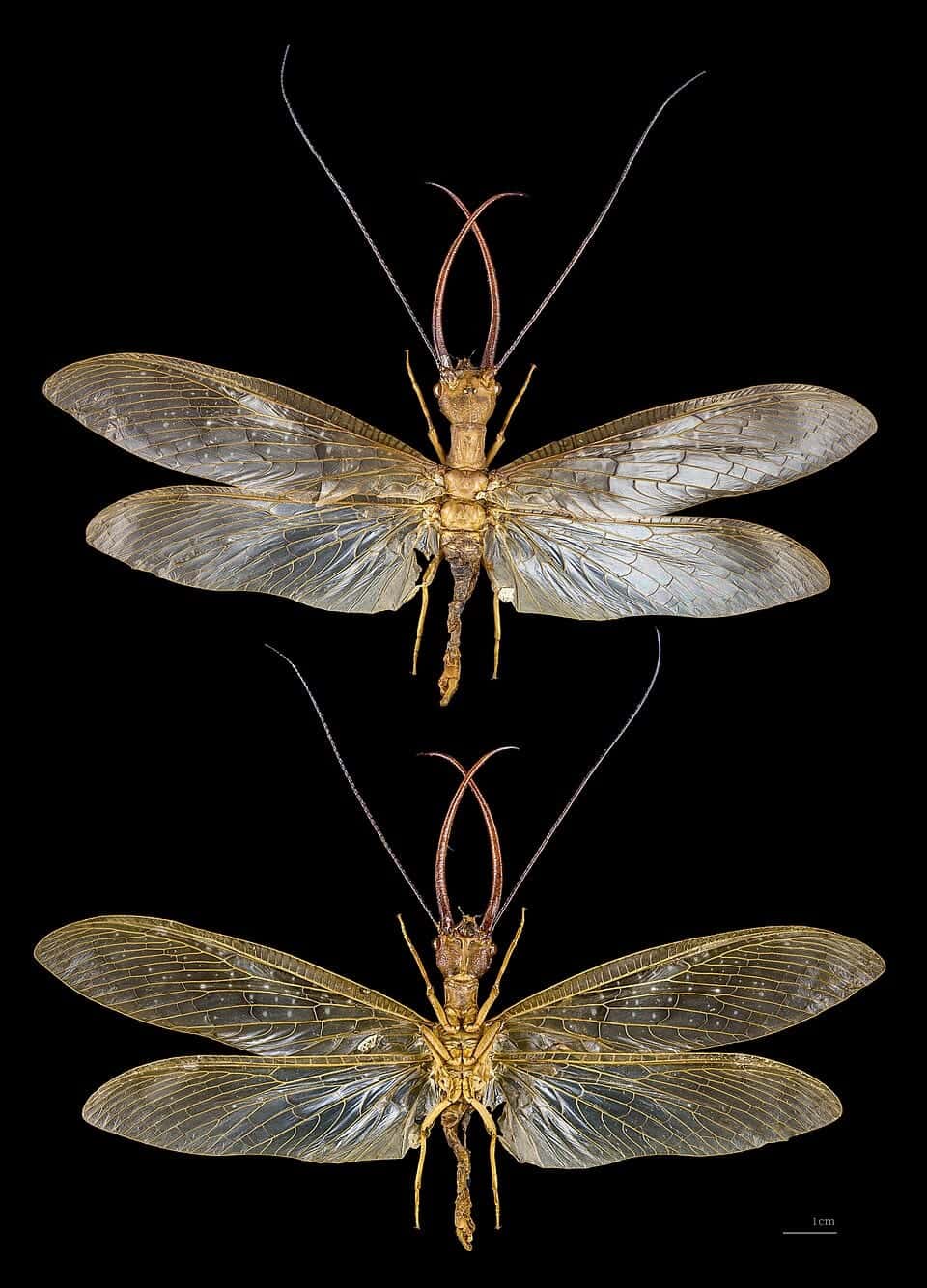
What Is the Giant Insect With Huge Pincers at My Porch Light? Identifying the Dobsonfly
The huge insect with gray wings and enormous curved pincers at your porch light is an eastern dobsonfly. Learn how to identify this harmless giant.
 Jerzy Opioła / Wikimedia Commons (CC BY-SA 3.0)
FN-0106 · Mushrooms & Fungi
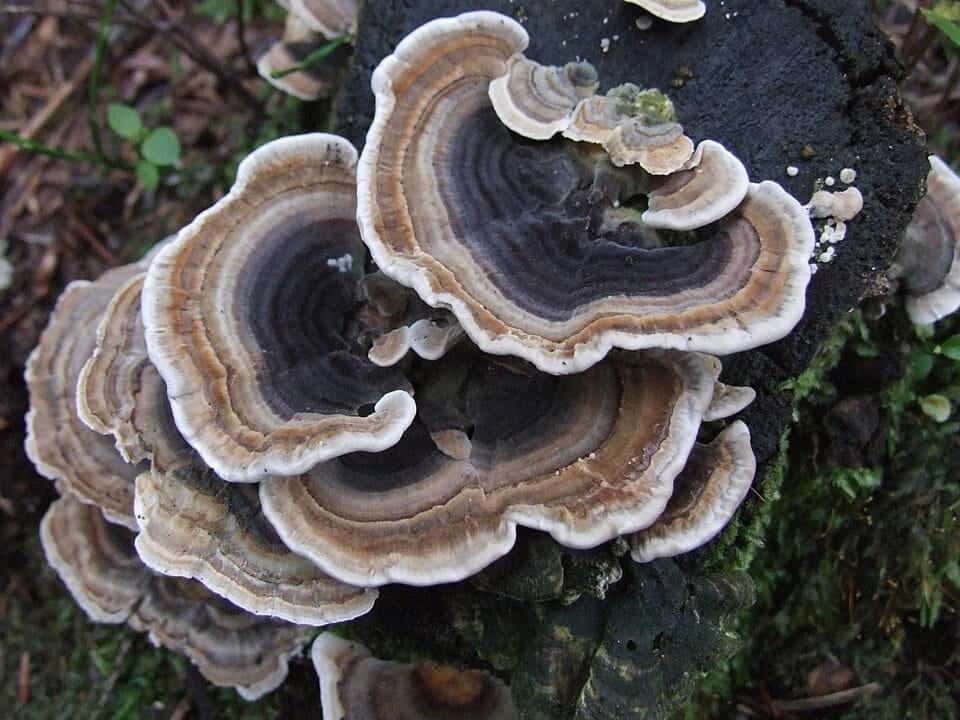
What Is the Colorful Layered Bracket Fungus on the Log? Identifying Turkey Tail
Fan-shaped brackets banded brown, tan, rust, blue-gray, and cream on fallen logs are turkey tail. Learn the one feature that rules out false turkey tail.
 Jörg Hempel / Wikimedia Commons (CC BY-SA 3.0 de)
FN-0104 · Mushrooms & Fungi
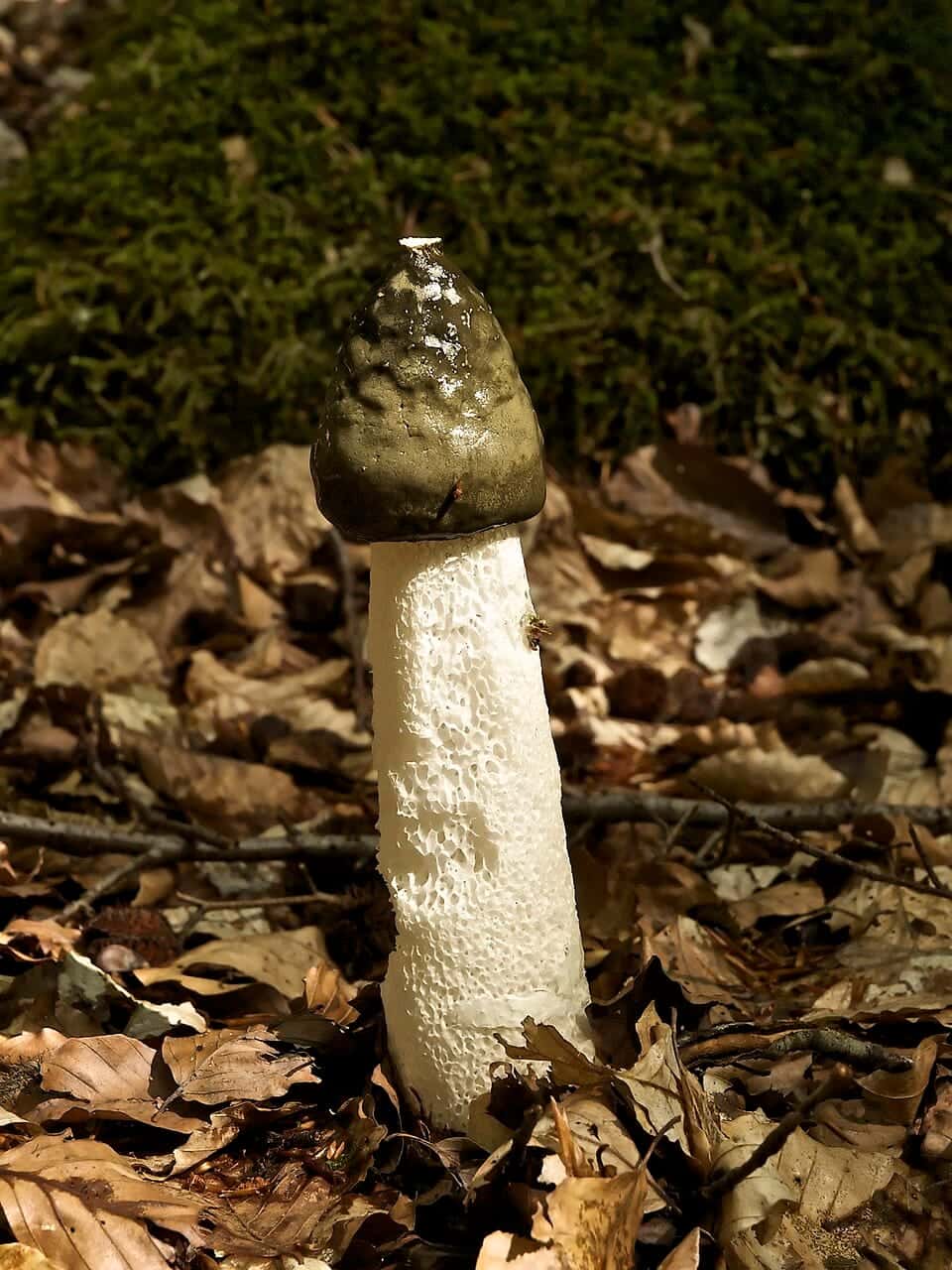
What Is the Foul-Smelling Mushroom in My Mulch? Identifying Stinkhorns
A slimy, horn-shaped mushroom in the mulch that smells like rotting meat is a stinkhorn. Learn how to identify one and why its stench is on purpose.
 Alvesgaspar / Wikimedia Commons (CC BY-SA 3.0)
FN-0102 · Insects & Bugs
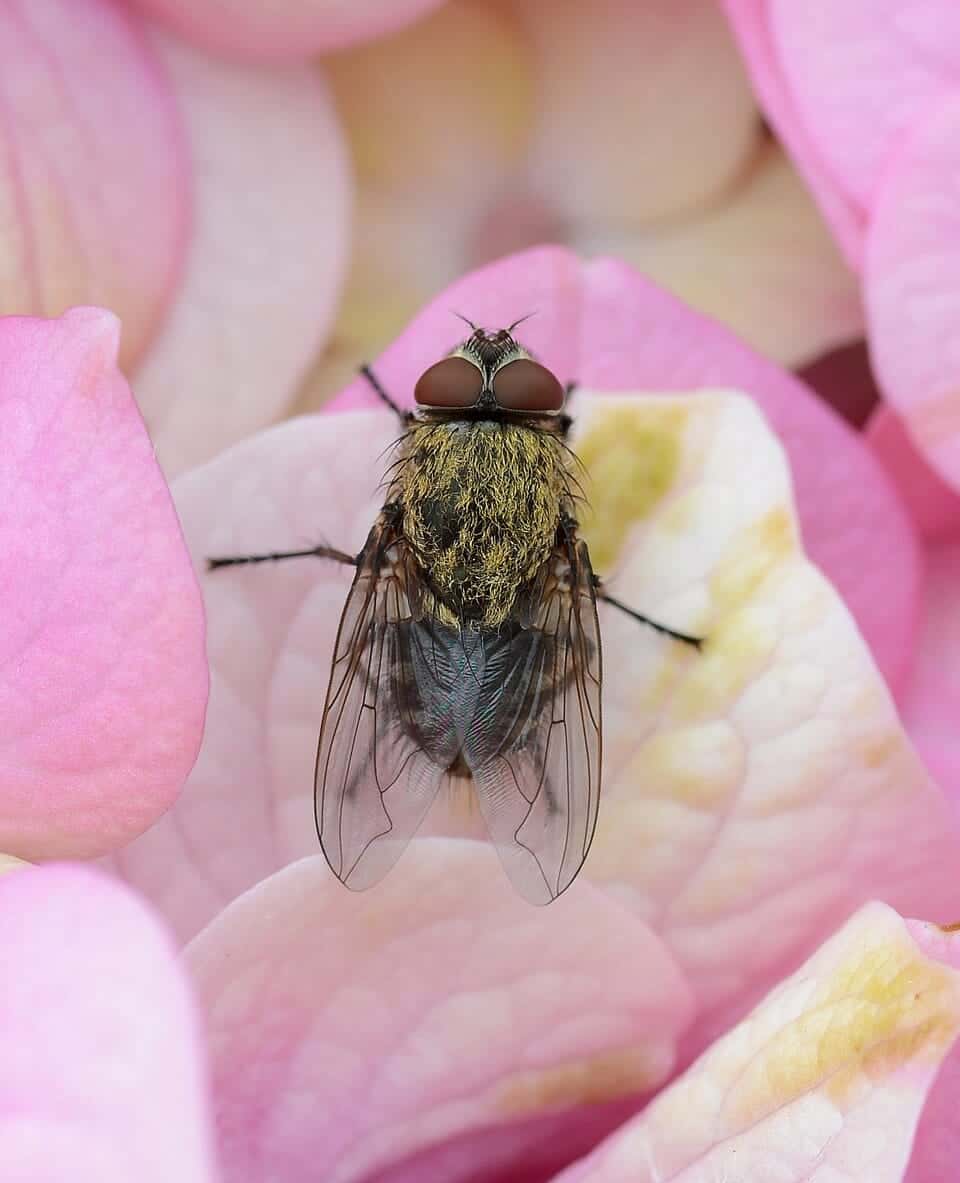
What Are the Slow Flies Clustering at My Windows in Fall? Identifying Cluster Flies
Sluggish dark flies at sunny windows in fall, bigger and slower than houseflies, are cluster flies. Learn how to tell them apart and what keeps them out.
 Famartin / Wikimedia Commons (CC BY-SA 4.0)
FN-0103 · Trees
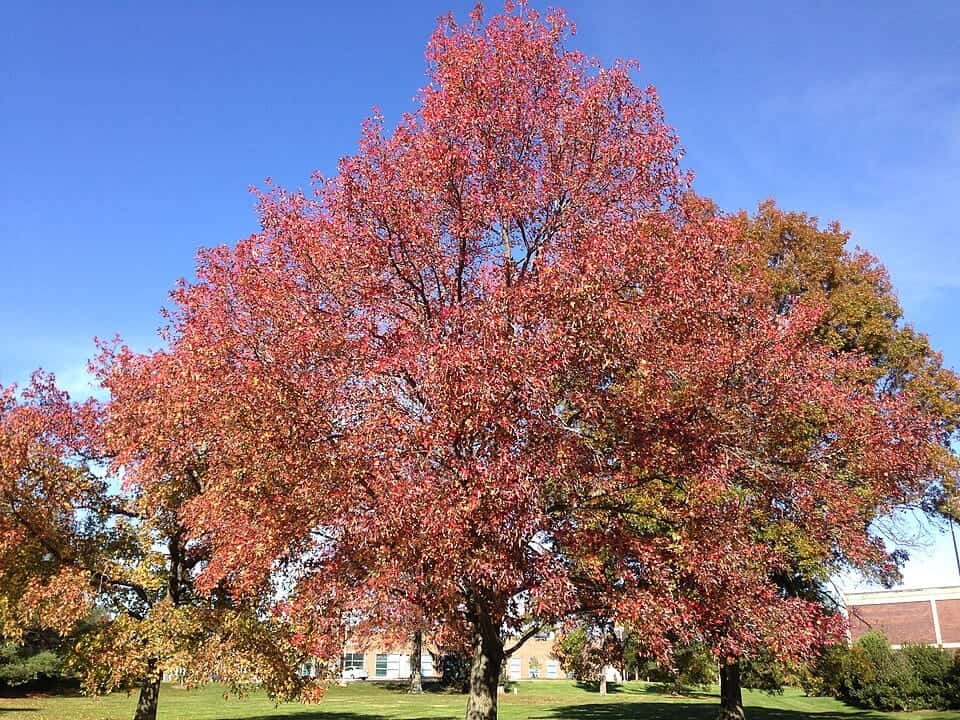
What Are the Spiky Brown Balls Falling From My Tree? Identifying Sweetgum
Hard, spiky, golf-ball-sized gumballs littering the lawn come from the American sweetgum, a native tree with brilliant fall color. Learn to identify it.
 Wikimedia Commons / Wikimedia Commons (CC BY-SA 3.0)
FN-0099 · Trees
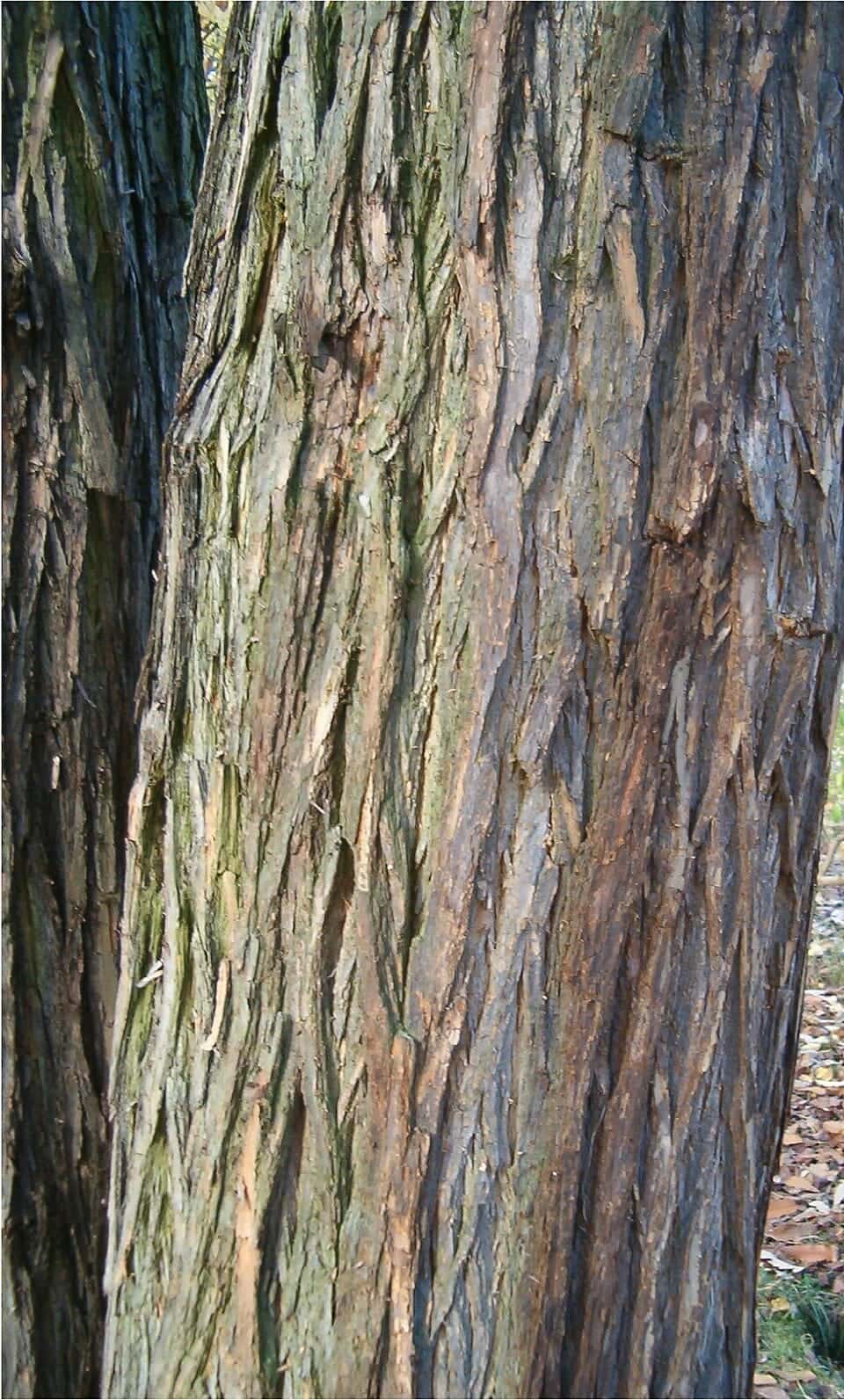
What Are the Green, Brain-Like Fruits Falling From a Tree? Identifying Osage Orange (Hedge Apples)
Bumpy, grapefruit-sized green fruits along old fence lines are hedge apples from the Osage orange. Learn to identify it and the truth about the bug myth.
 Lukas from London, England / Wikimedia Commons (CC BY-SA 2.0)
FN-0101 · Mushrooms & Fungi
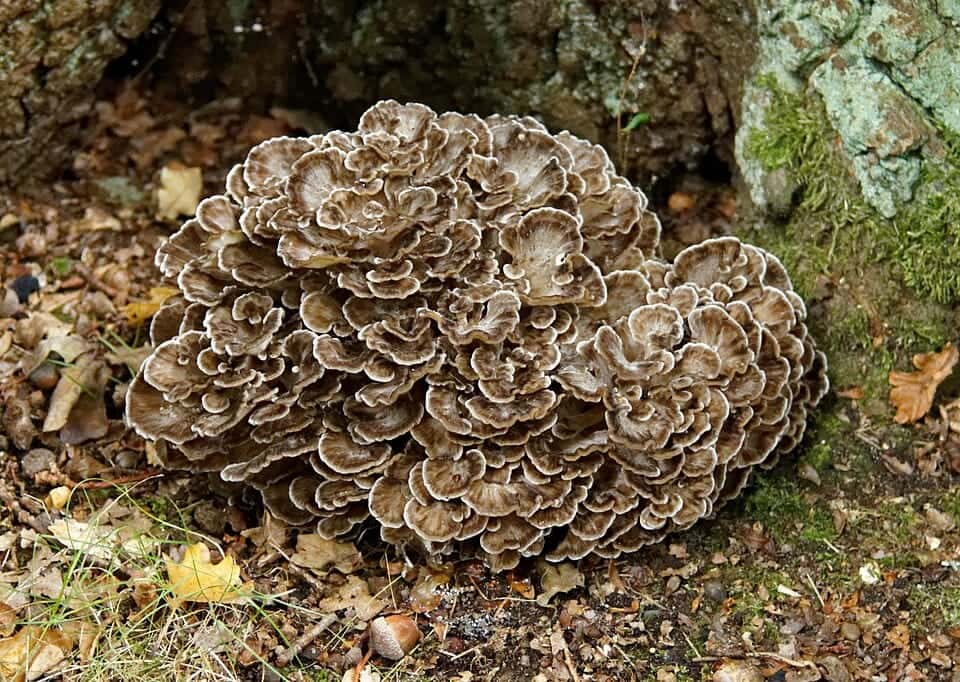
What Is the Big Frilly Mushroom at the Base of My Oak Tree? Identifying Hen of the Woods
A ruffled gray-brown mass of overlapping caps at the foot of an old oak is hen of the woods, or maitake. Learn to recognize it and why it returns yearly.
 SKsiddhartthan / Wikimedia Commons (CC BY-SA 4.0)
FN-0100 · Insects & Bugs
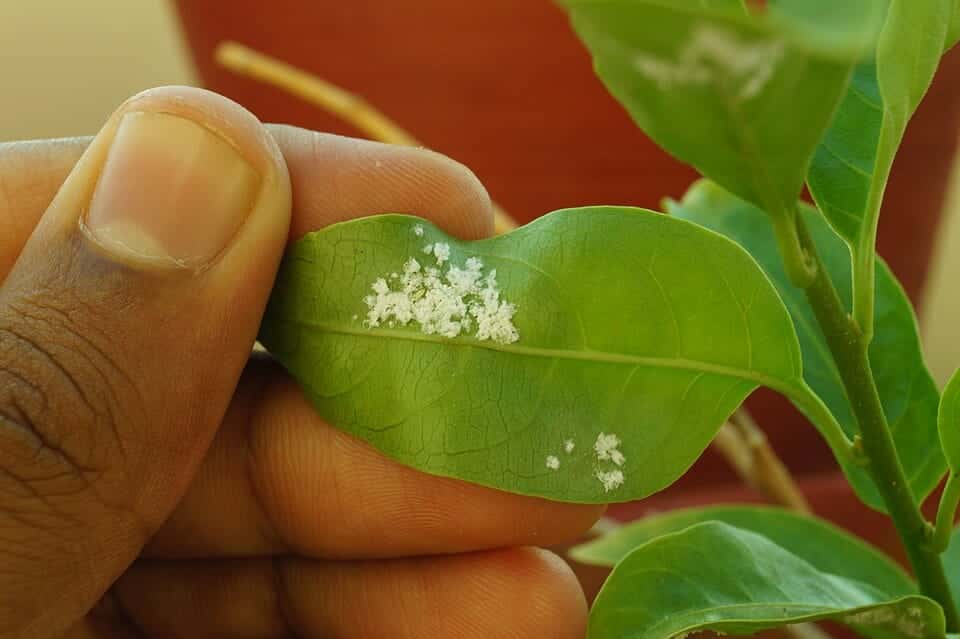
What Are the Tiny White Flying Fuzz Bugs Drifting Through the Air? Identifying Woolly Aphids
Tiny white specks drifting like lint or slow snow in late summer and fall are woolly aphids, insects with cottony tails. Learn why they appear so suddenly.
 The Cosmonaut / Wikimedia Commons (CC BY-SA 2.5 ca)
FN-0097 · Wildflowers
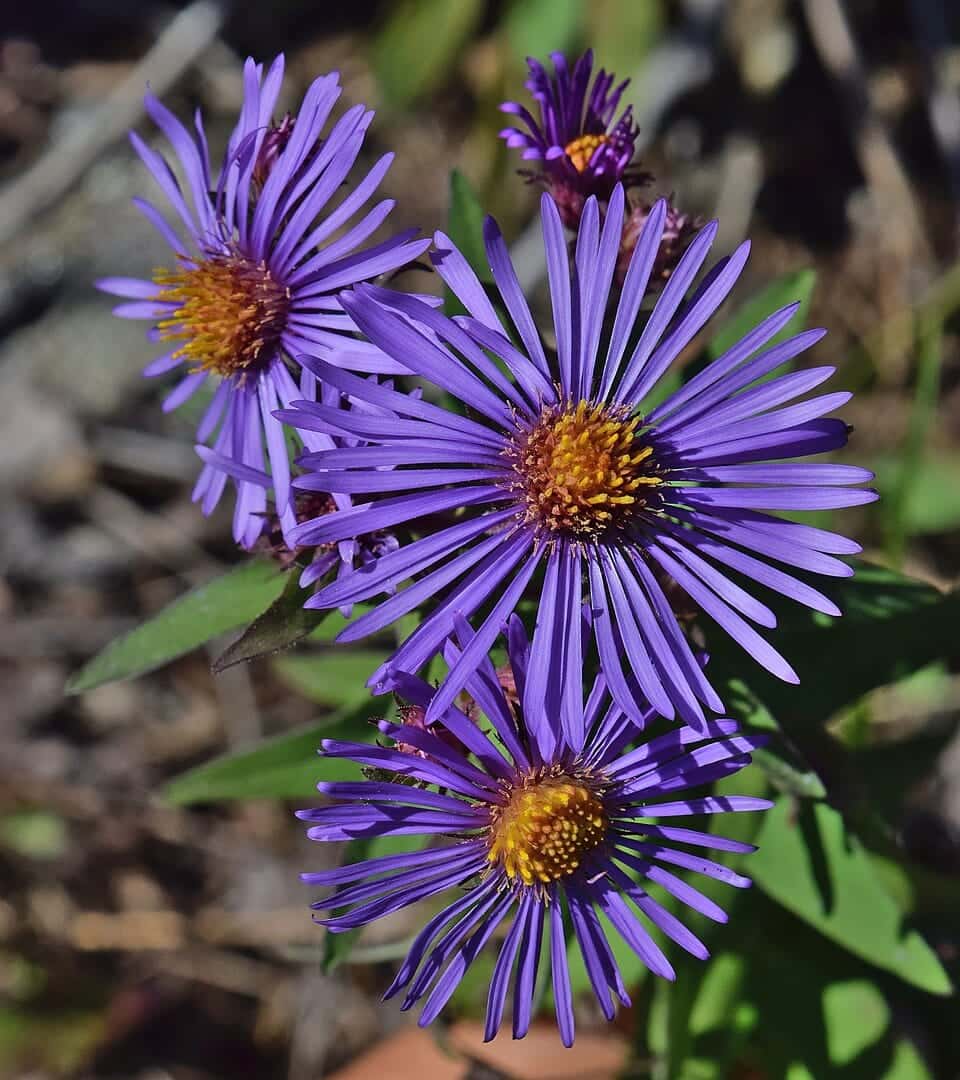
What Is the Purple Daisy-Like Wildflower Blooming in Fall? Identifying Asters
Small purple or lavender daisy-like flowers with yellow centers on fall roadsides are asters. Learn to identify them and why monarchs and bees need them.
 Ivar Leidus / Wikimedia Commons (CC BY-SA 4.0)
FN-0098 · Trees
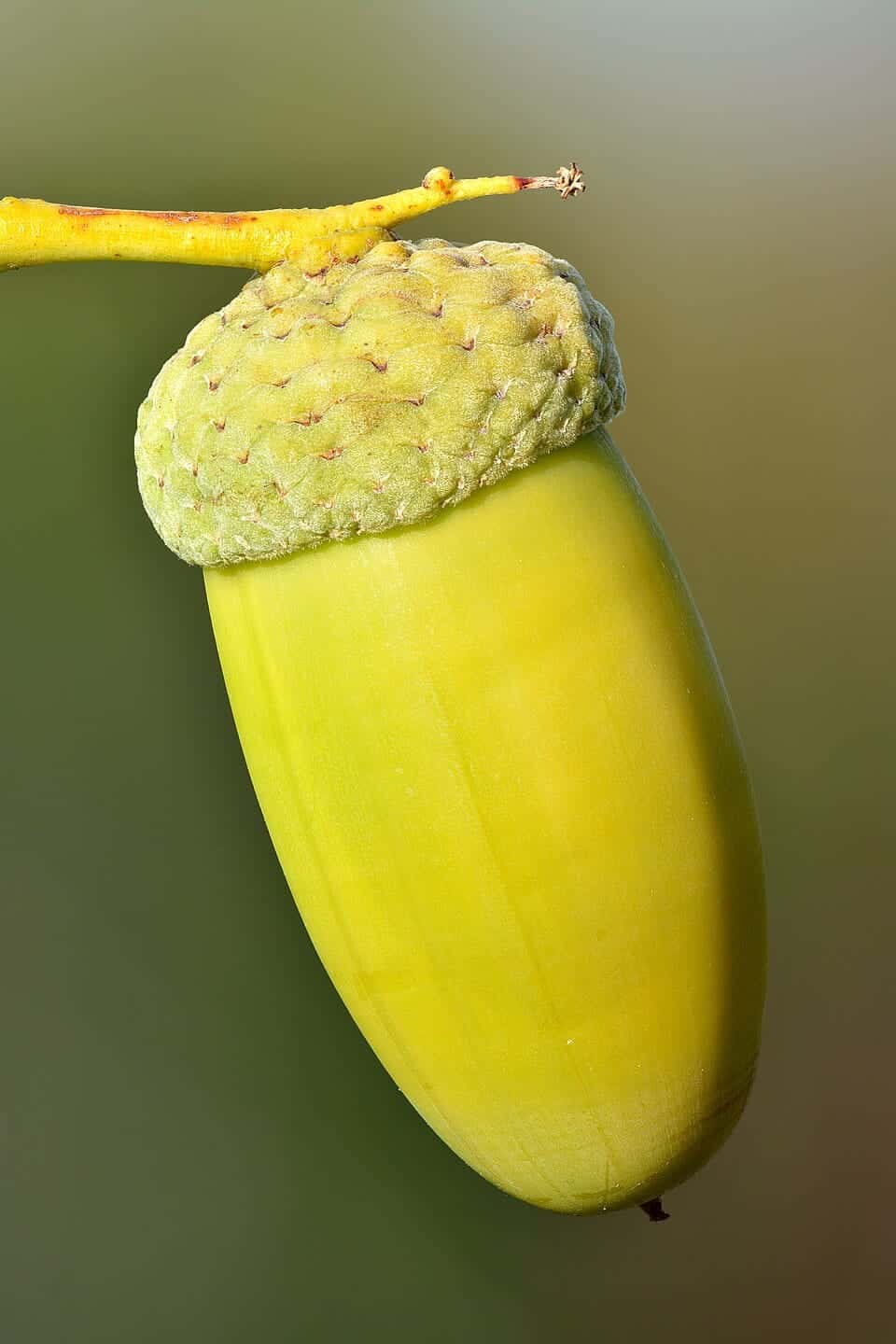
Why Are There So Many Acorns This Year? Understanding Oak Mast Years
A yard buried in acorns means a mast year, part of the oaks' boom-and-bust cycle. Learn why it happens and whether a bumper crop predicts a hard winter.
 Thegreenj / Wikimedia Commons (CC BY-SA 3.0)
FN-0096 · Insects & Bugs
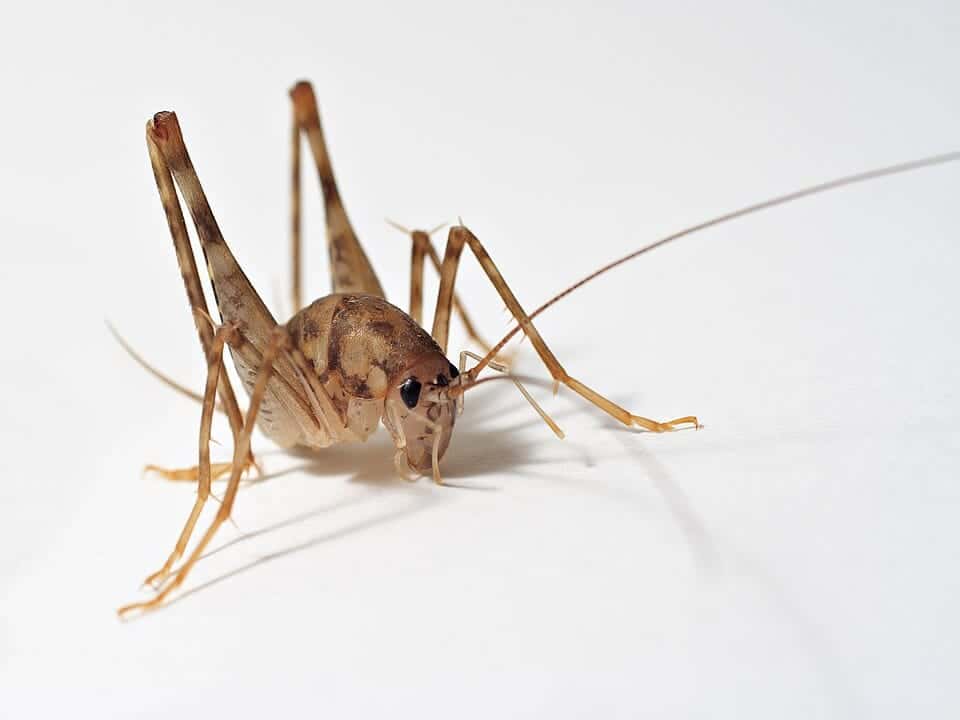
What Is the Humpbacked, Spider-Like Cricket in My Basement? Identifying Camel Crickets
A wingless, hunchbacked cricket with spidery legs and huge antennae in the basement is a camel cricket. Learn why it moves indoors and why it is harmless.
 Wikimedia Commons / Wikimedia Commons (Public domain)
FN-0093 · Trees
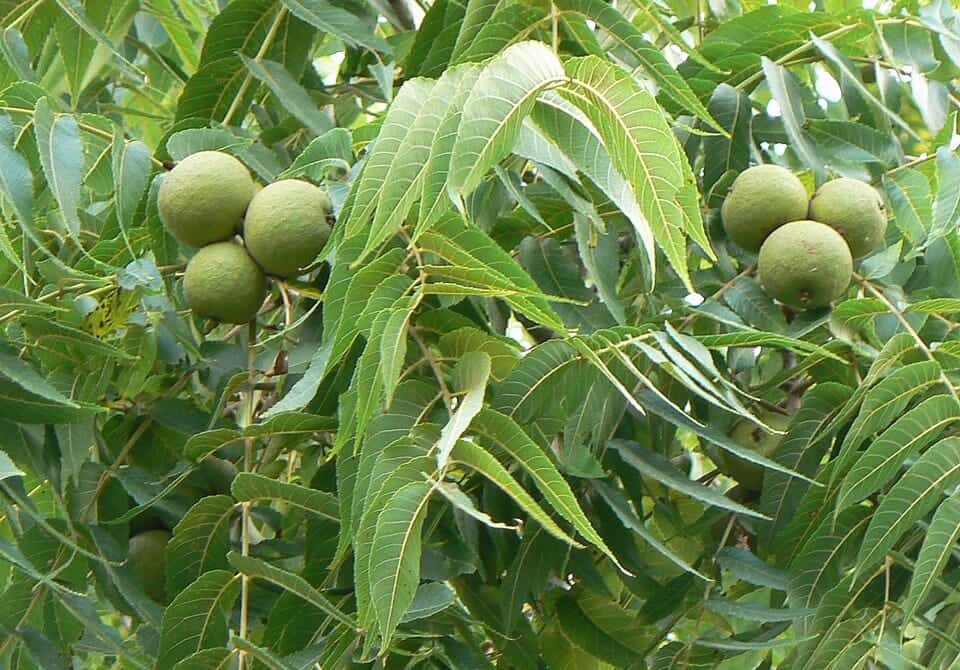
What Are the Green Balls Falling From My Tree and Staining Everything? Identifying Black Walnut
Heavy green balls that thud onto the lawn and leave dark stains as they rot are usually black walnuts. Learn to identify the tree and why the husks stain.
 Taka / Wikimedia Commons (CC BY-SA 3.0)
FN-0095 · Wildflowers
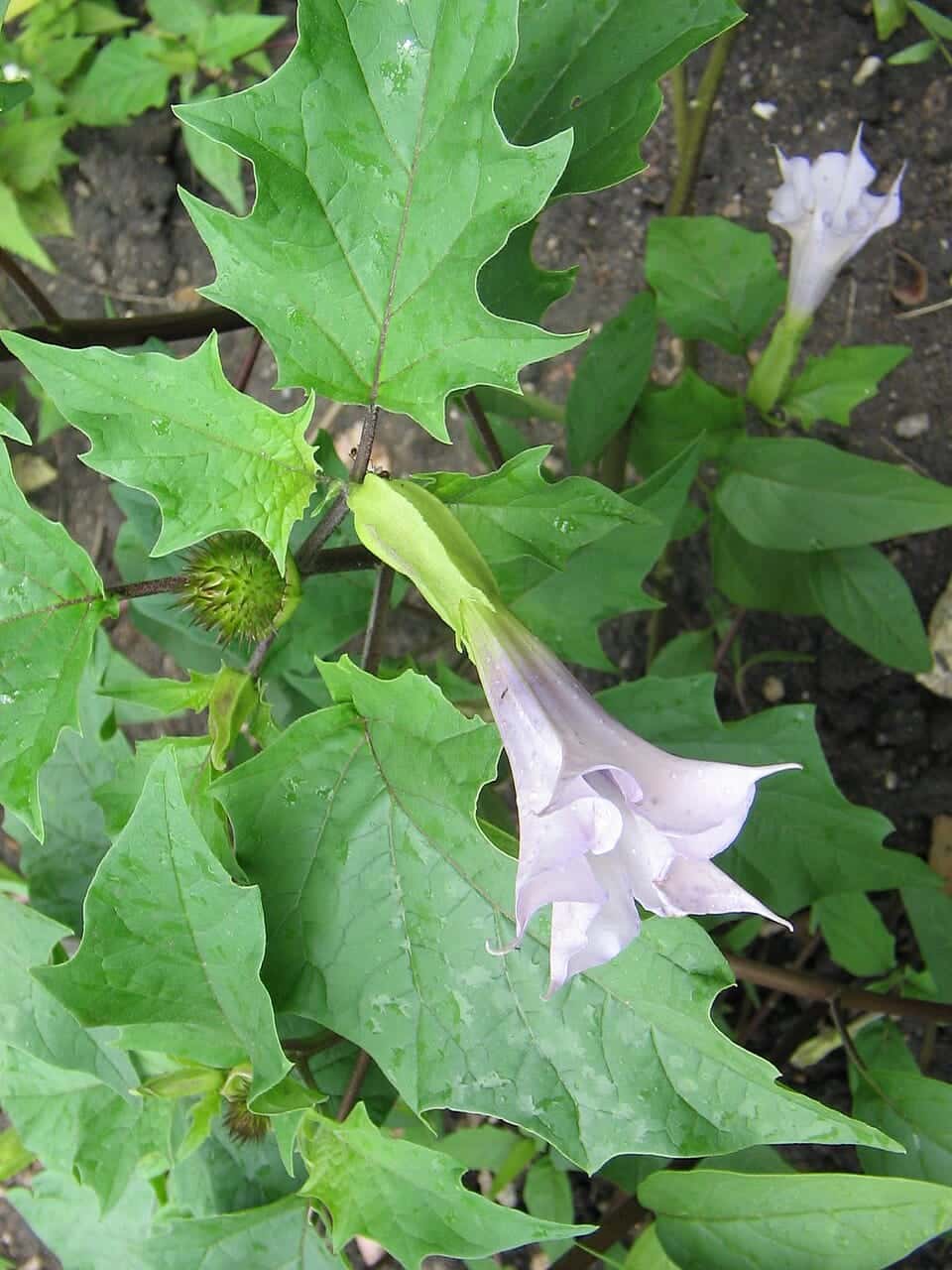
What Is the Weed With Big White Trumpet Flowers and Spiky Seed Pods? Identifying Jimsonweed
A rank weed with white or pale-purple trumpet flowers and spiny egg-shaped pods is jimsonweed, one of North America's most toxic weeds. Keep your distance.
 Mason Brock (Masebrock) / Wikimedia Commons (Public domain)
FN-0094 · Wildflowers
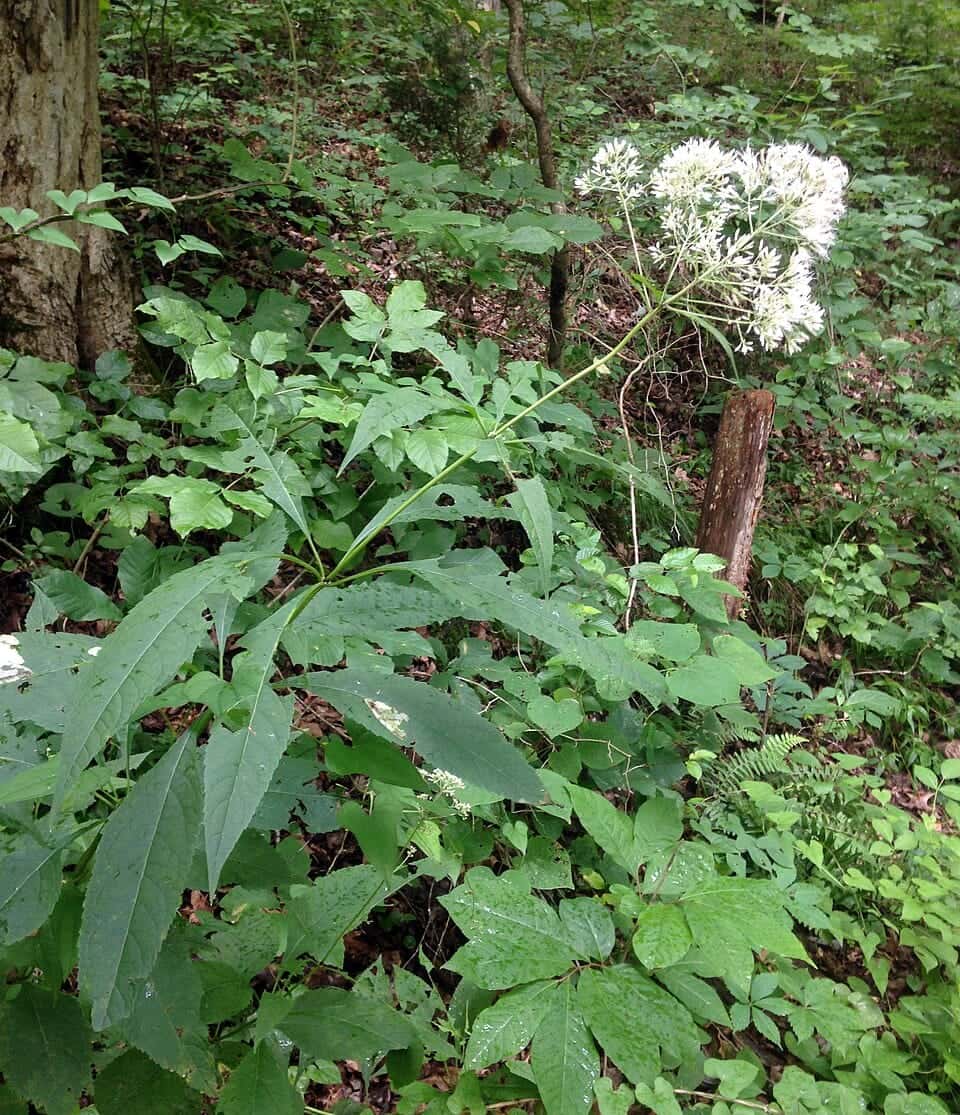
What Is the Tall Pink-Purple Wildflower Buzzing With Butterflies in Late Summer? Identifying Joe-Pye Weed
Towering dusty-rose flower domes in wet meadows, covered in butterflies and bees, are likely Joe-Pye weed. Learn to identify it and tell it from ironweed.
 Wilfredor / Wikimedia Commons (CC0)
FN-0090 · Insects & Bugs
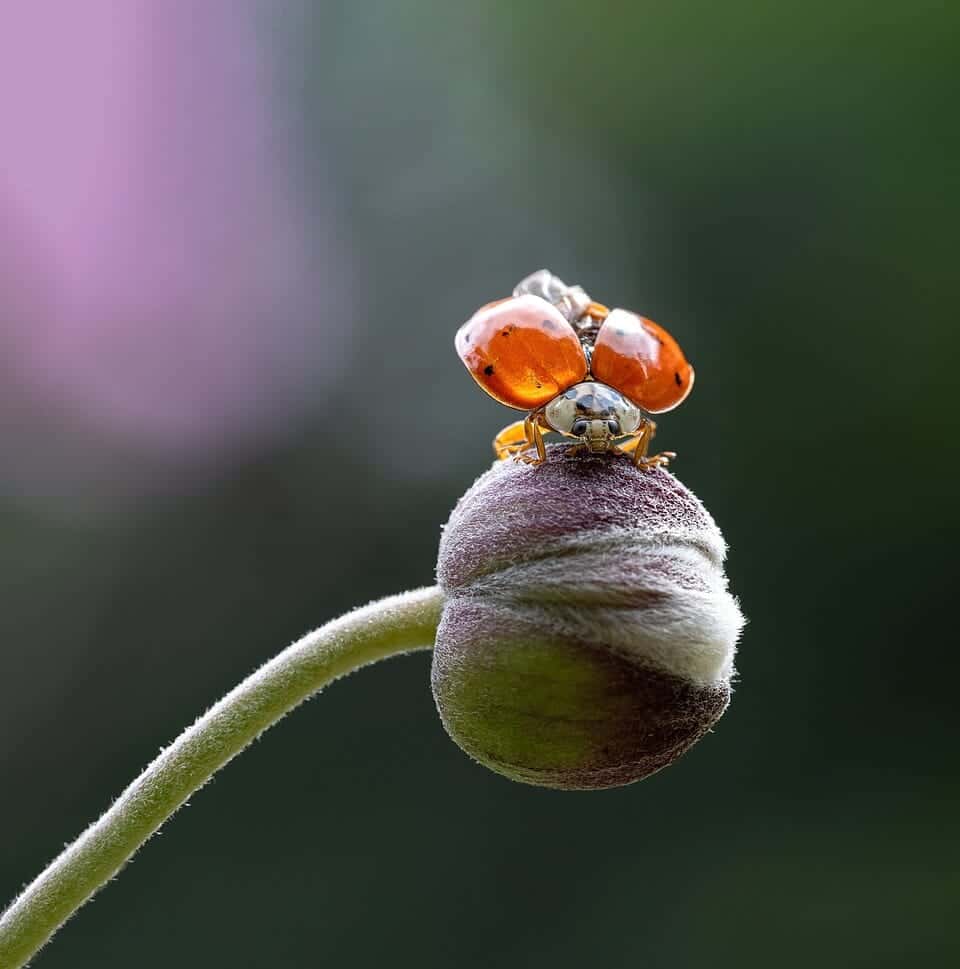
Ladybug or Asian Lady Beetle? How to Tell the Native Beetle From the Fall Home Invader
The spotted beetles clustering on your house in fall are usually Asian lady beetles, not native ladybugs. Learn the differences to tell them apart quickly.
 Didier Descouens / Wikimedia Commons (CC BY-SA 4.0)
FN-0091 · Spiders, Ticks & Mites
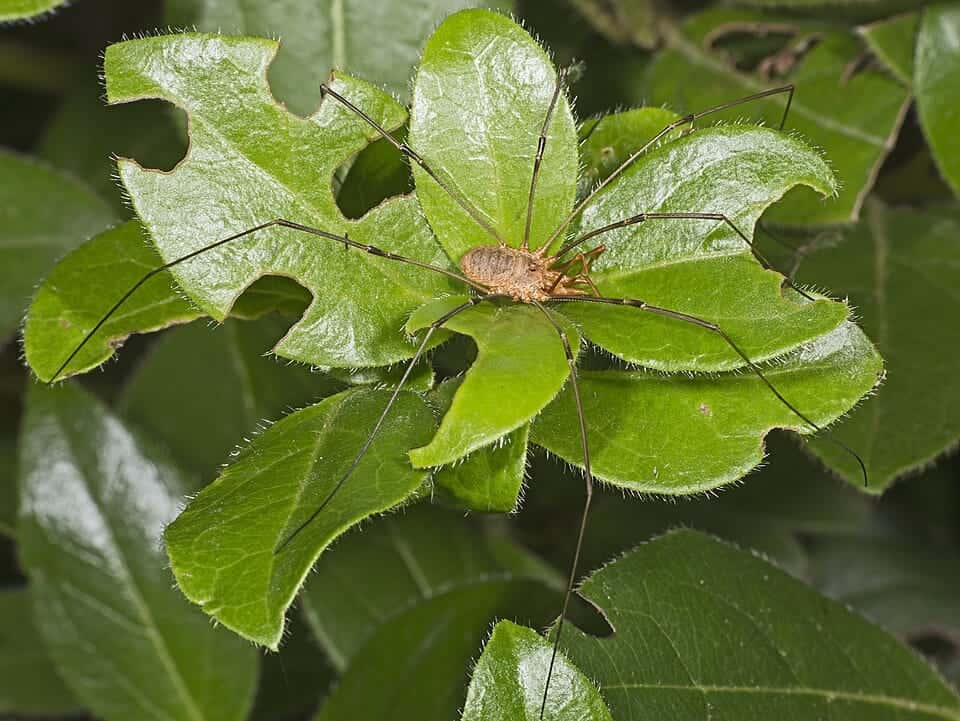
Is a Daddy Longlegs a Spider? Identifying the Harvestman (and the Venom Myth)
A daddy longlegs, or harvestman, is not a spider, and the claim that it is the most venomous one alive is a myth. Learn what harvestmen actually are.
 Linnaeus / Wikimedia Commons (CC BY-SA 3.0)
FN-0092 · Plants, Vines & Weeds
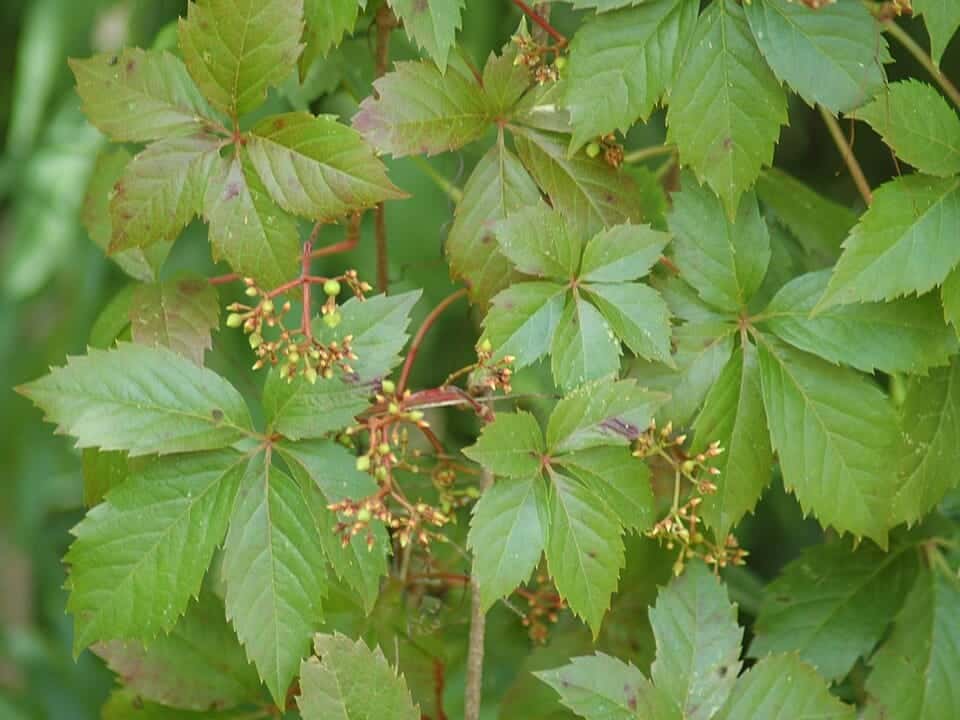
Is It Poison Ivy or Virginia Creeper? How to Tell the Harmless Five-Leaf Vine Apart
Virginia creeper, a harmless native vine that turns scarlet in early fall, is often mistaken for poison ivy. Learn the quick leaf check to tell them apart.
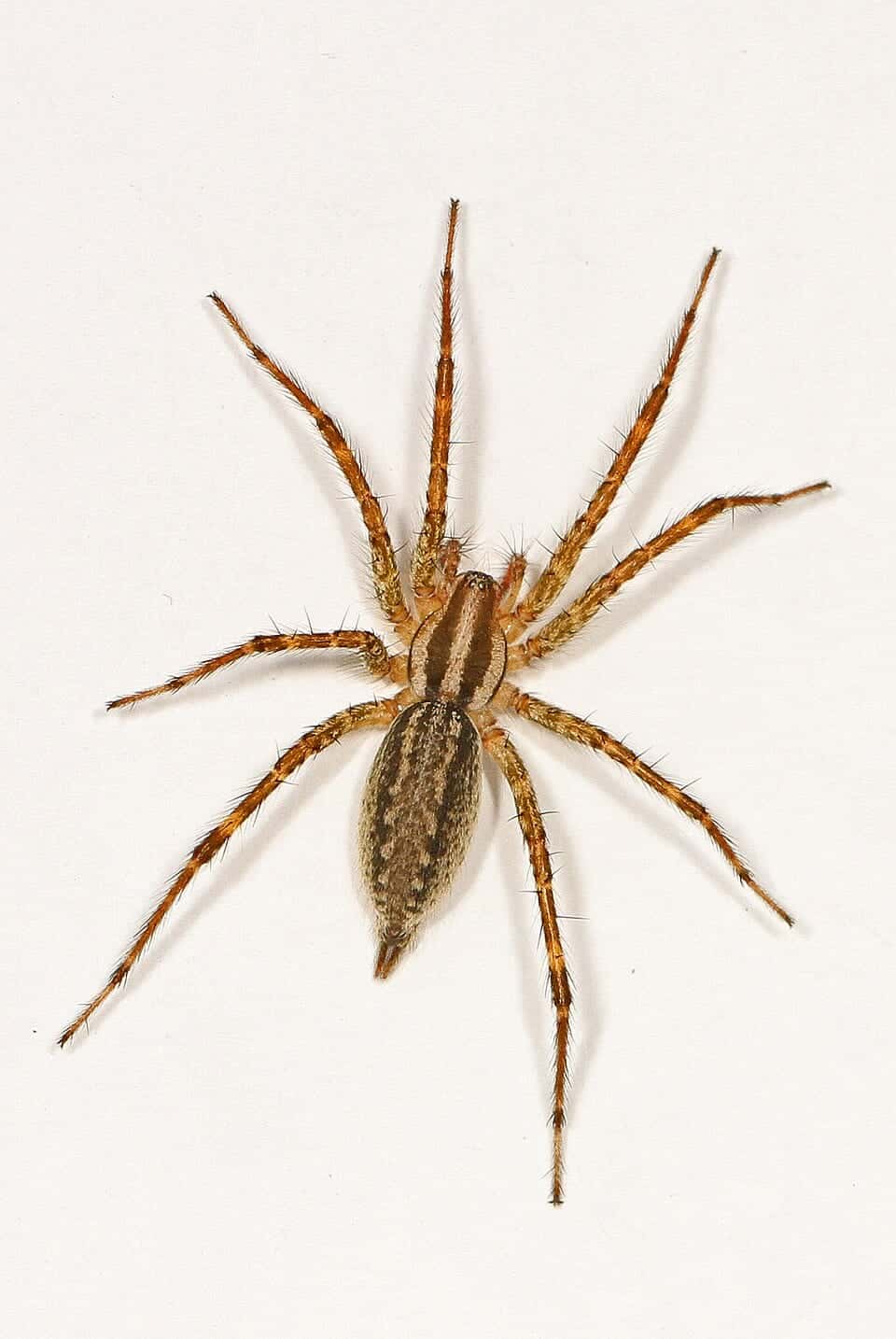 Judy Gallagher / Wikimedia Commons (CC BY 2.0)
FN-0087 · Spiders, Ticks & Mites
What Are All the Funnel-Shaped Webs in My Lawn? Identifying Grass Spiders
Silvery sheet webs with a funnel into the grass on dewy mornings belong to grass spiders. Learn why they appear in late summer and if they are a worry.
Found something on the trail?
Plants, animals, fungi and rocks from one photo. Free to start on iPhone and Android.