FG-0047 · Wildlife · 6 species
Identifying Common Birds of Washington
By Derek Gauger · Updated
Overview
Washington spans Pacific coast, Puget Sound, Cascade forests, and dry eastern shrub-steppe, so its birdlife is exceptionally varied. Waterbirds, forest songbirds, and raptors are all easy to find.
This guide covers common and iconic Washington birds — the field marks that identify them, their habitats, and where to look. Pair it with a photo and the app to confirm any bird you spot.
Key species to know
FG-0047.01
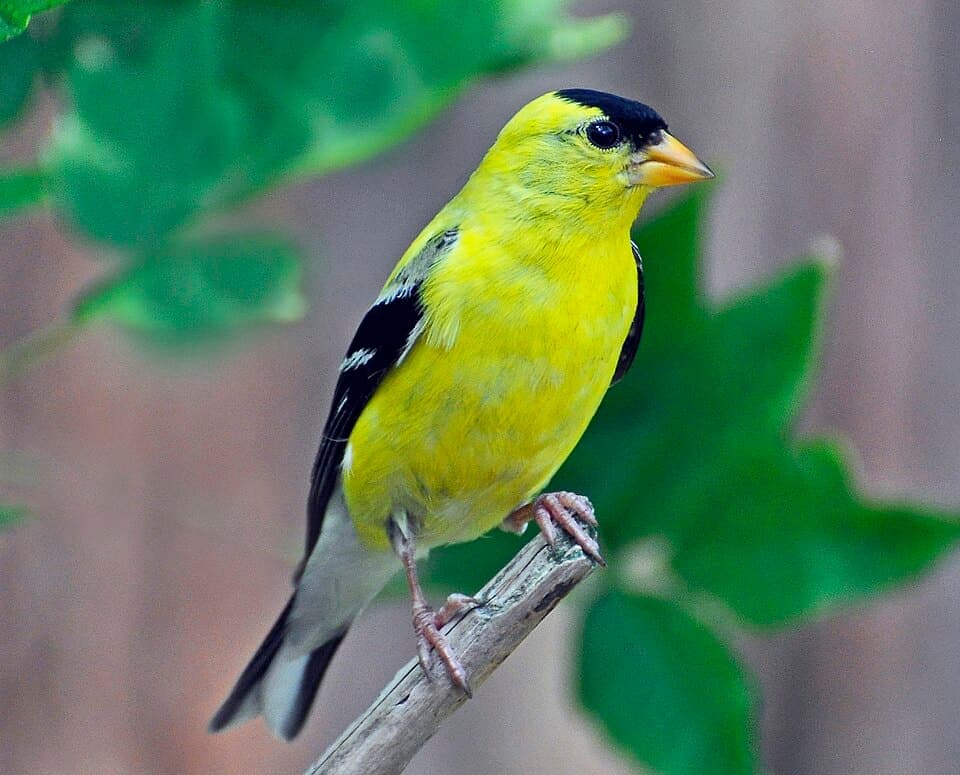
American Goldfinch
Spinus tristis
Washington's state bird — the breeding male is bright yellow with black wings and cap, duller olive in winter. Bounds through the air with a canary-like flight call.
Habitat: Weedy fields, gardens, and feeders west and east of the Cascades.
FG-0047.02
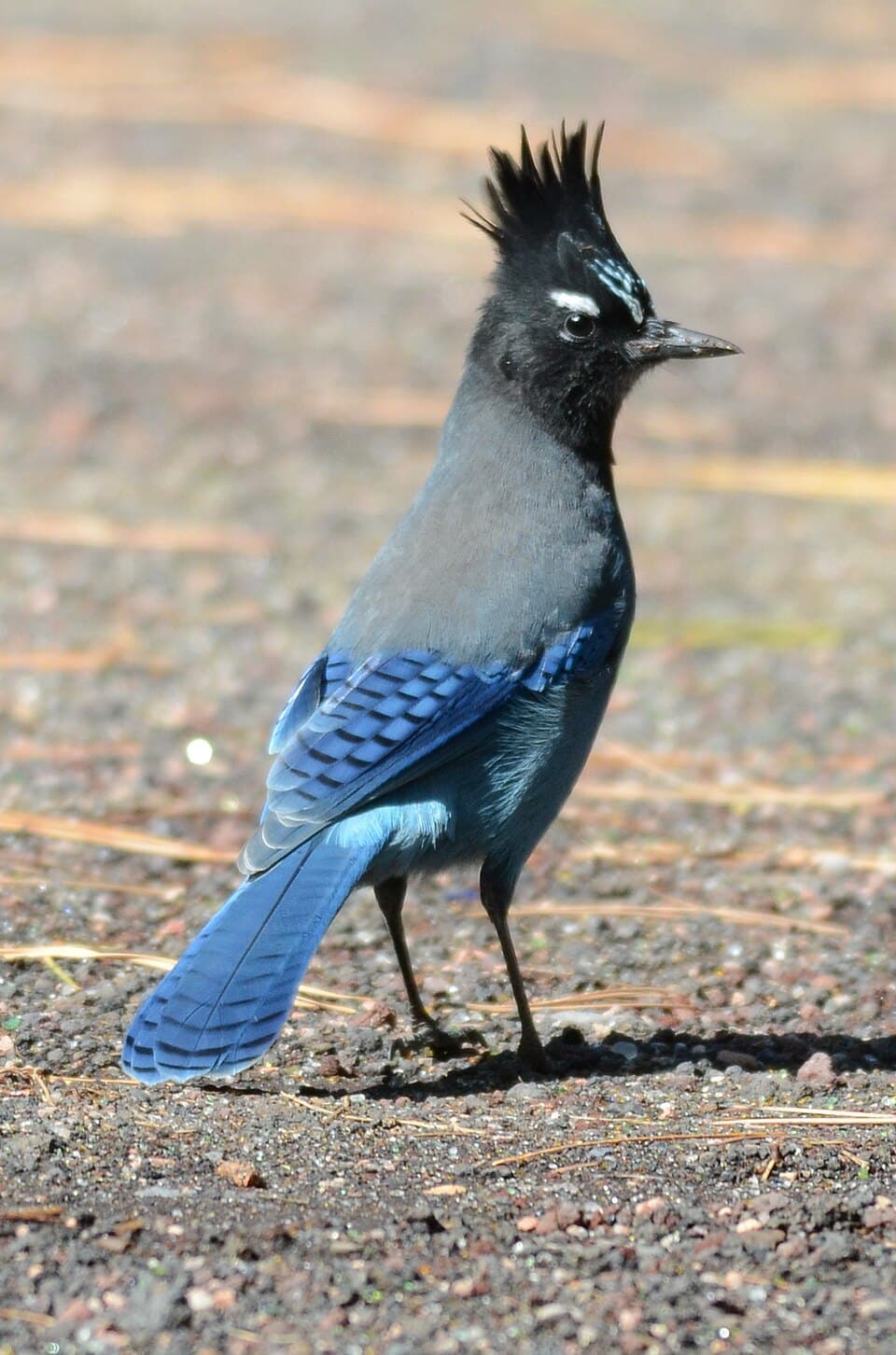
Steller's Jay
Cyanocitta stelleri
A charcoal-and-deep-blue crested jay of conifer forests, bold around campsites and picnic areas. Loud, curious, and a skilled mimic.
Habitat: Coniferous and mixed forests, parks, and campgrounds.
FG-0047.03
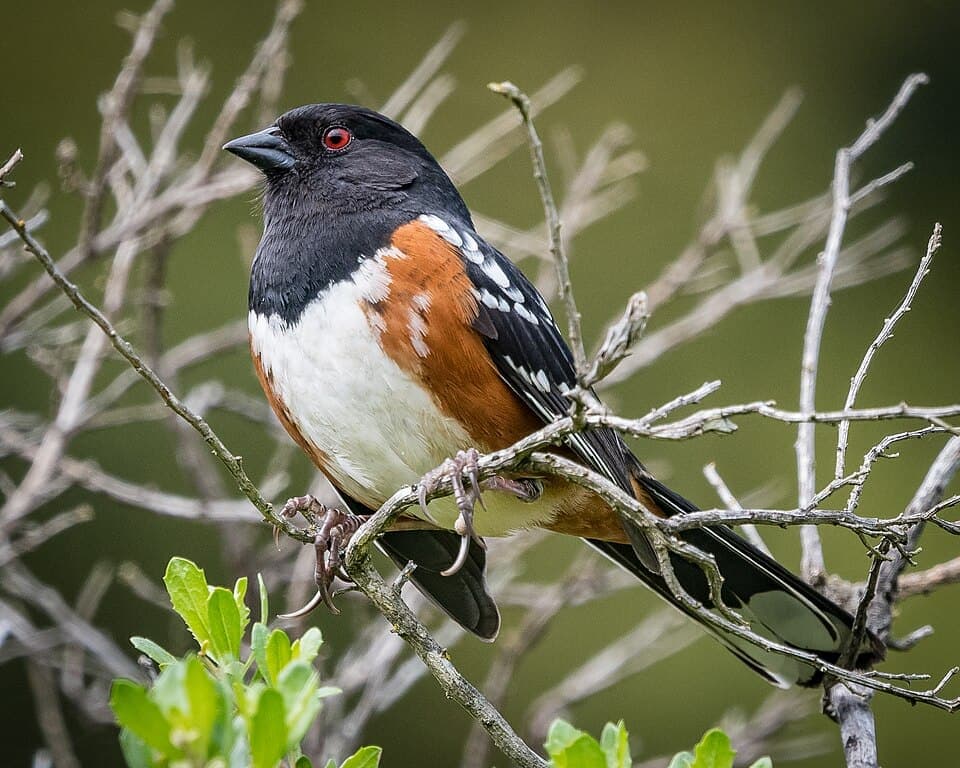
Spotted Towhee
Pipilo maculatus
A striking sparrow-relative with a black hood, rufous sides, white belly, and white-spotted wings, scratching noisily in leaf litter with a red eye.
Habitat: Brushy thickets, forest edges, and gardens.
FG-0047.04
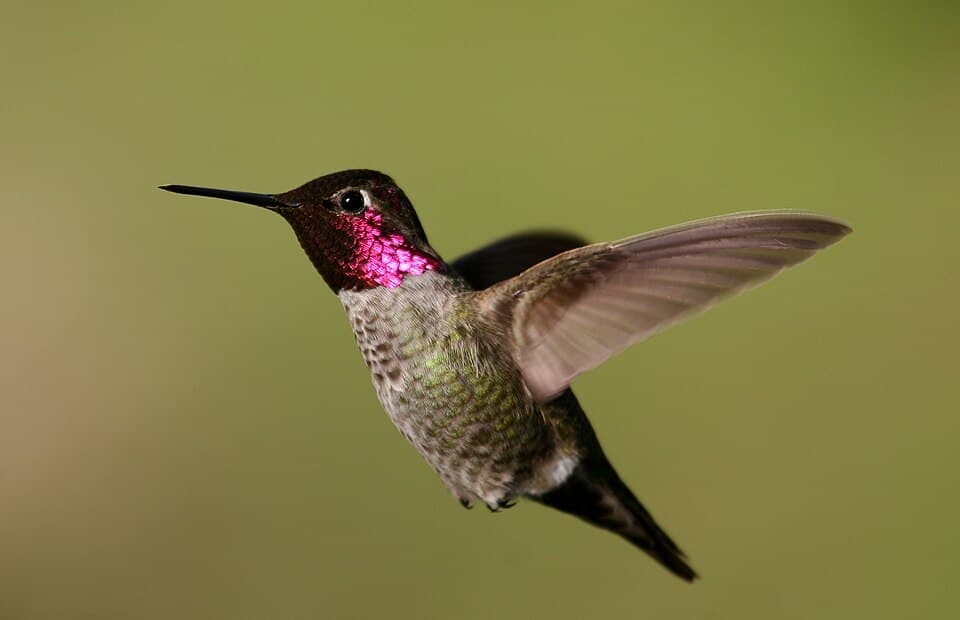
Anna's Hummingbird
Calypte anna
A stocky hummingbird; the male flashes a rose-pink head and throat. Common year-round west of the Cascades, even in winter.
Habitat: Gardens, parks, and urban plantings.
FG-0047.05
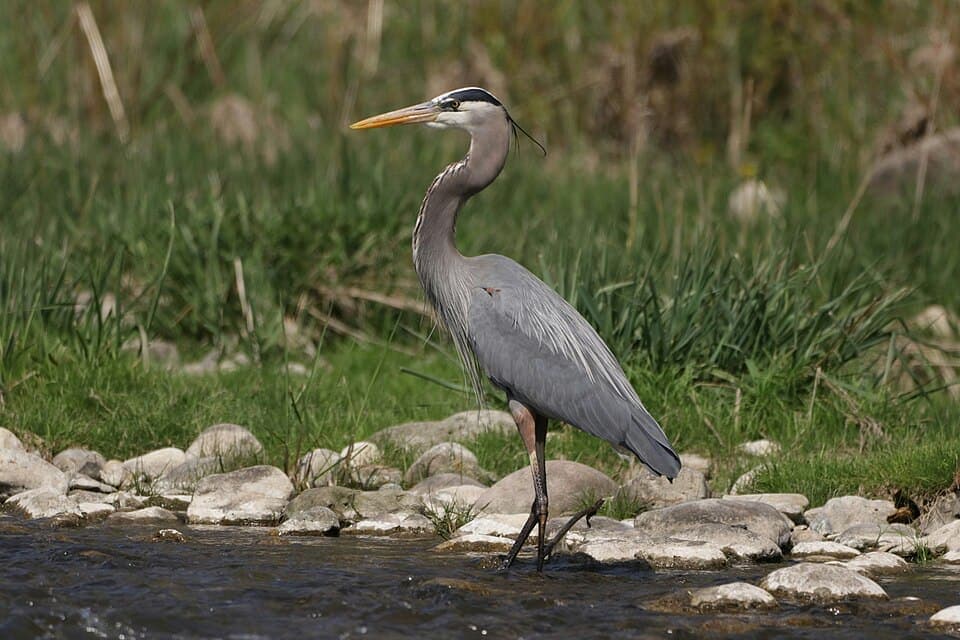
Great Blue Heron
Ardea herodias
A tall, blue-gray wading bird that stands motionless in the shallows before spearing fish. The largest heron in North America.
Habitat: Shorelines, marshes, tideflats, and ponds.
FG-0047.06
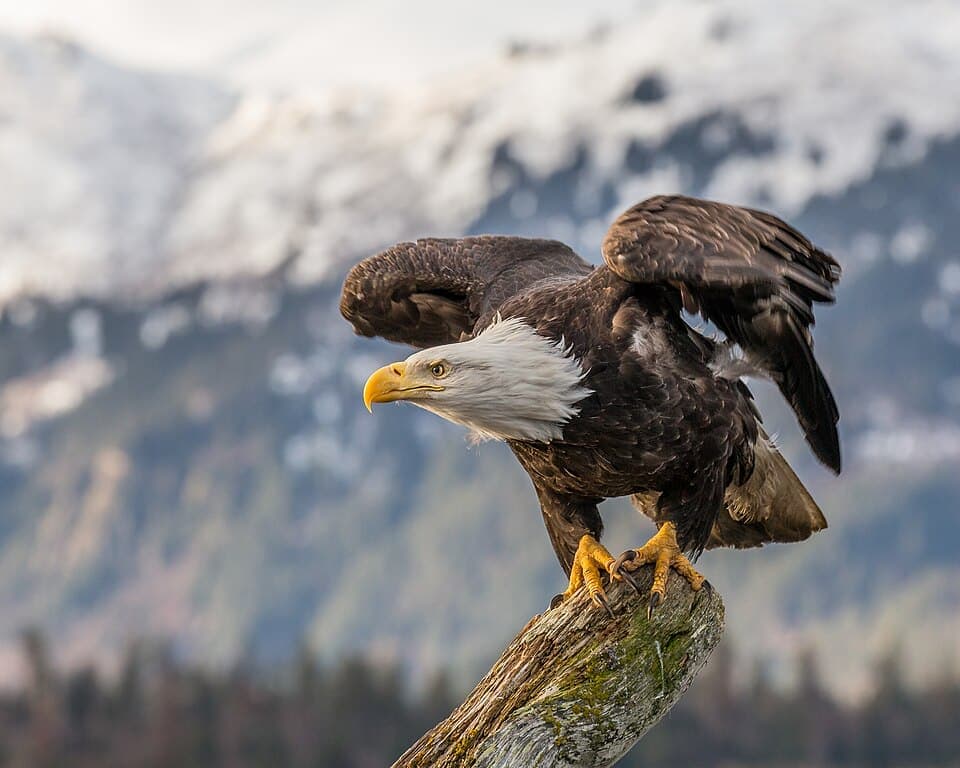
Bald Eagle
Haliaeetus leucocephalus
A huge raptor; the adult has a white head and tail against a dark body. Common along Puget Sound and salmon rivers, often perched in tall snags.
Habitat: Coasts, large rivers, and lakes.
Through the seasons
- Winter concentrates bald eagles and waterfowl along rivers and the sound.
- Early morning is the most active time for feeding and song.
- Spring migration brings warblers and swallows through lowland forests and wetlands.
Questions
- What is the state bird of Washington?
- The American goldfinch (also called the willow goldfinch) — a small, bright yellow finch common in weedy fields and at feeders.
- How can I identify a bird I saw in Washington?
- Note its size, shape, and field marks, then take a photo and use an app like Spotter to identify the species along with its habitat and range.
From Field Notes
Not sure what you found?
Take a photo with Spotter for the name, field marks, look-alikes and safety notes in seconds.


In this guide
- Species
- 6
- Region
- Washington