FG-0058 · Wild Plants · 6 species
Identifying Trees in Ohio
By Derek Gauger · Updated
Overview
Ohio's mixed-hardwood forests, river bottoms, and woodlots hold a classic eastern tree community, including the buckeye that gives the state its nickname. A few leaf and bark clues name most of them.
This guide covers common and iconic Ohio trees — how to tell them apart by leaf, bark, and habit. Pair it with a photo of the leaf or bark and the app to confirm any tree you find.
Key species to know
FG-0058.01
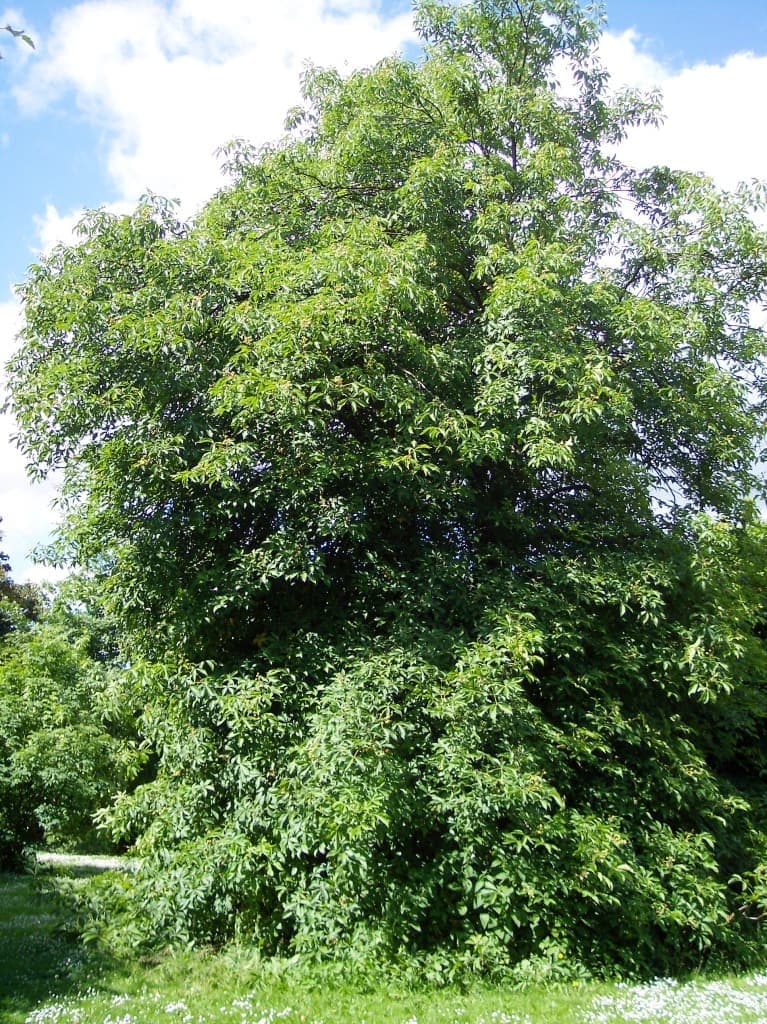
Ohio Buckeye
Aesculus glabra
The Ohio state tree — a medium hardwood with palmate leaves of five leaflets, showy spring flower spikes, and glossy brown "buckeye" seeds in spiny husks.
Habitat: River bottoms, floodplains, and moist woods.
FG-0058.02
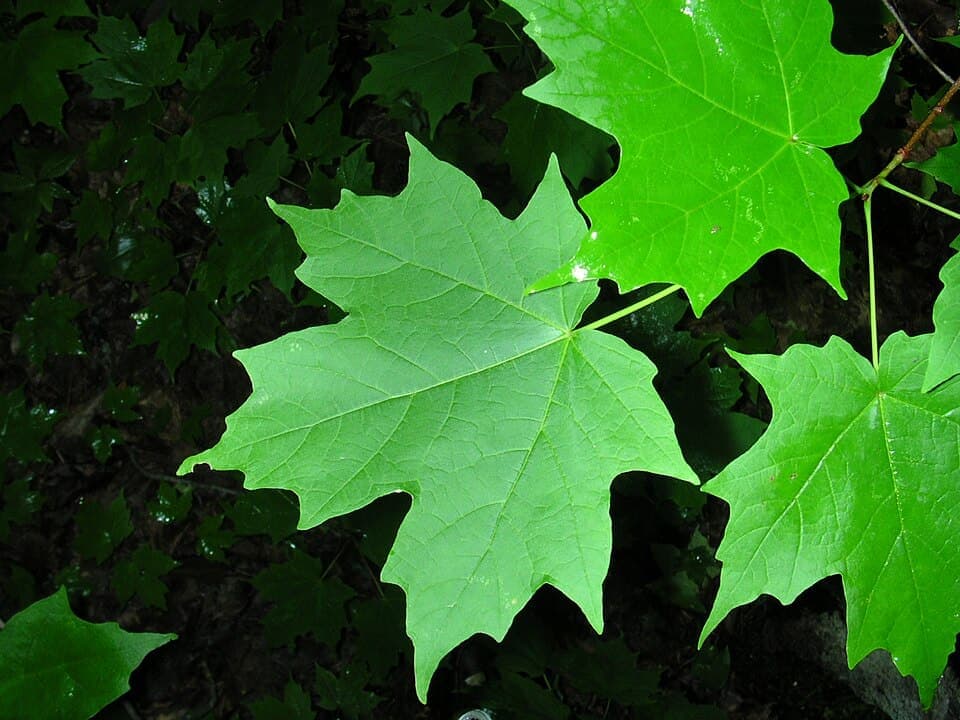
Sugar Maple
Acer saccharum
A hardwood with five-lobed leaves that blaze orange and red in fall, and the source of maple syrup. Smooth gray bark furrows with age.
Habitat: Rich upland forests, woodlots, and streets.
FG-0058.03
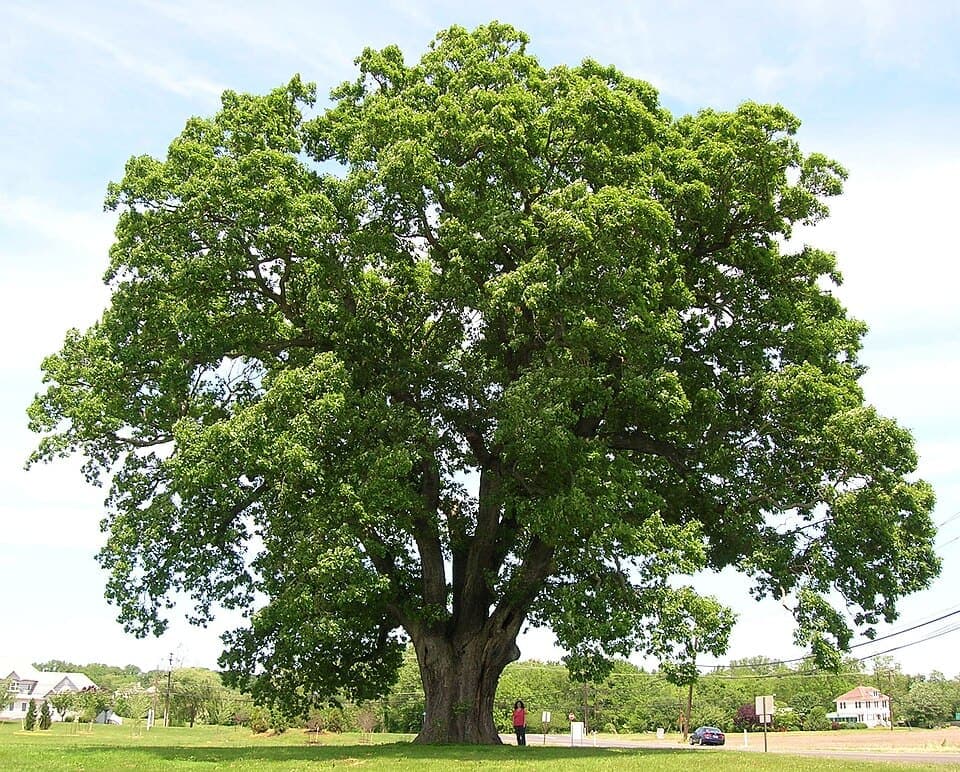
White Oak
Quercus alba
A stout oak with rounded-lobed leaves (no bristles) and pale, flaky gray bark. Long-lived and a mainstay of Ohio uplands.
Habitat: Upland forests, ridges, and parks.
FG-0058.04
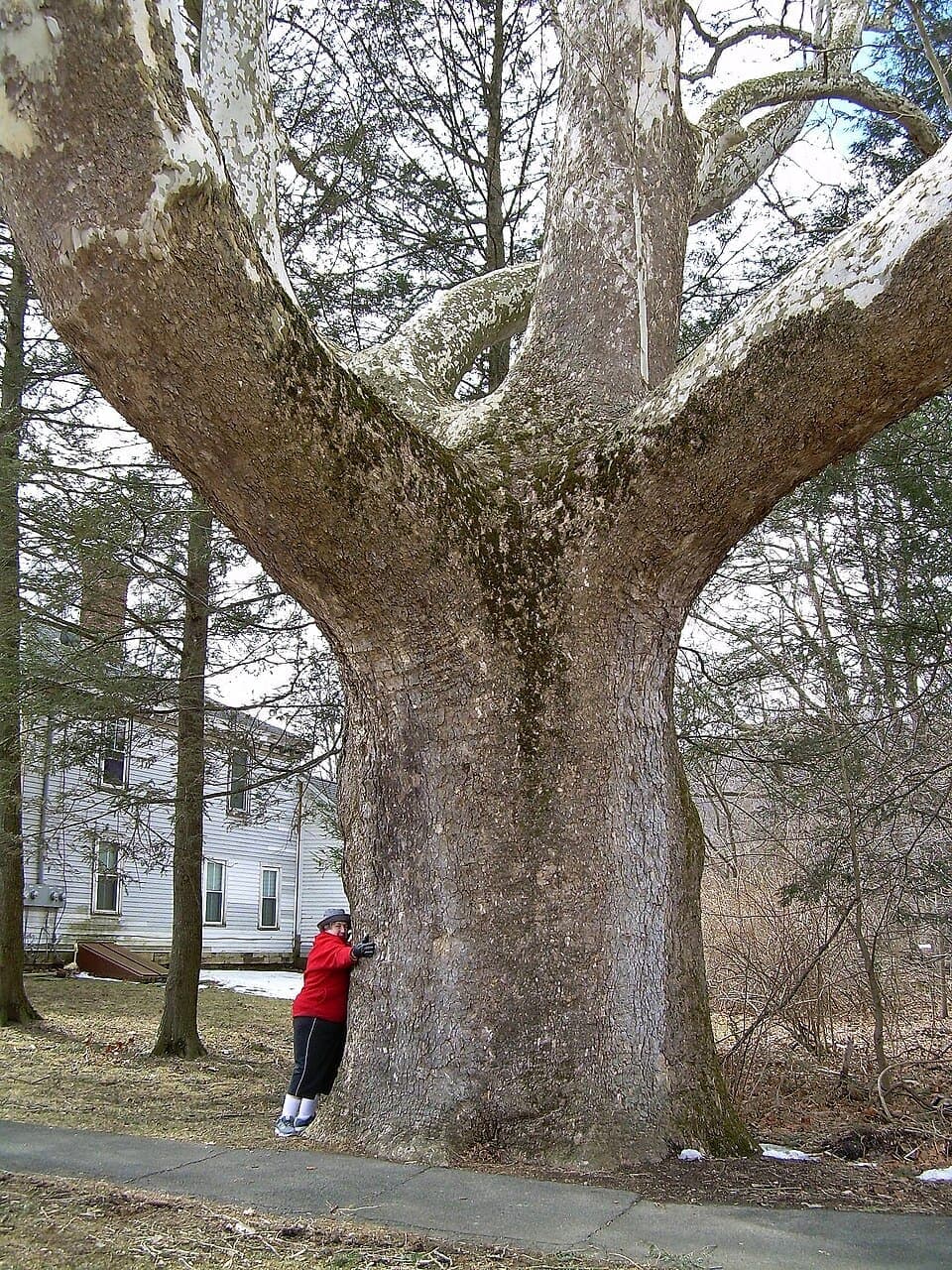
American Sycamore
Platanus occidentalis
A huge riverside tree with broad, maple-like leaves and unmistakable mottled bark that flakes to creamy-white on the upper trunk and limbs.
Habitat: River banks, floodplains, and bottomlands.
FG-0058.05
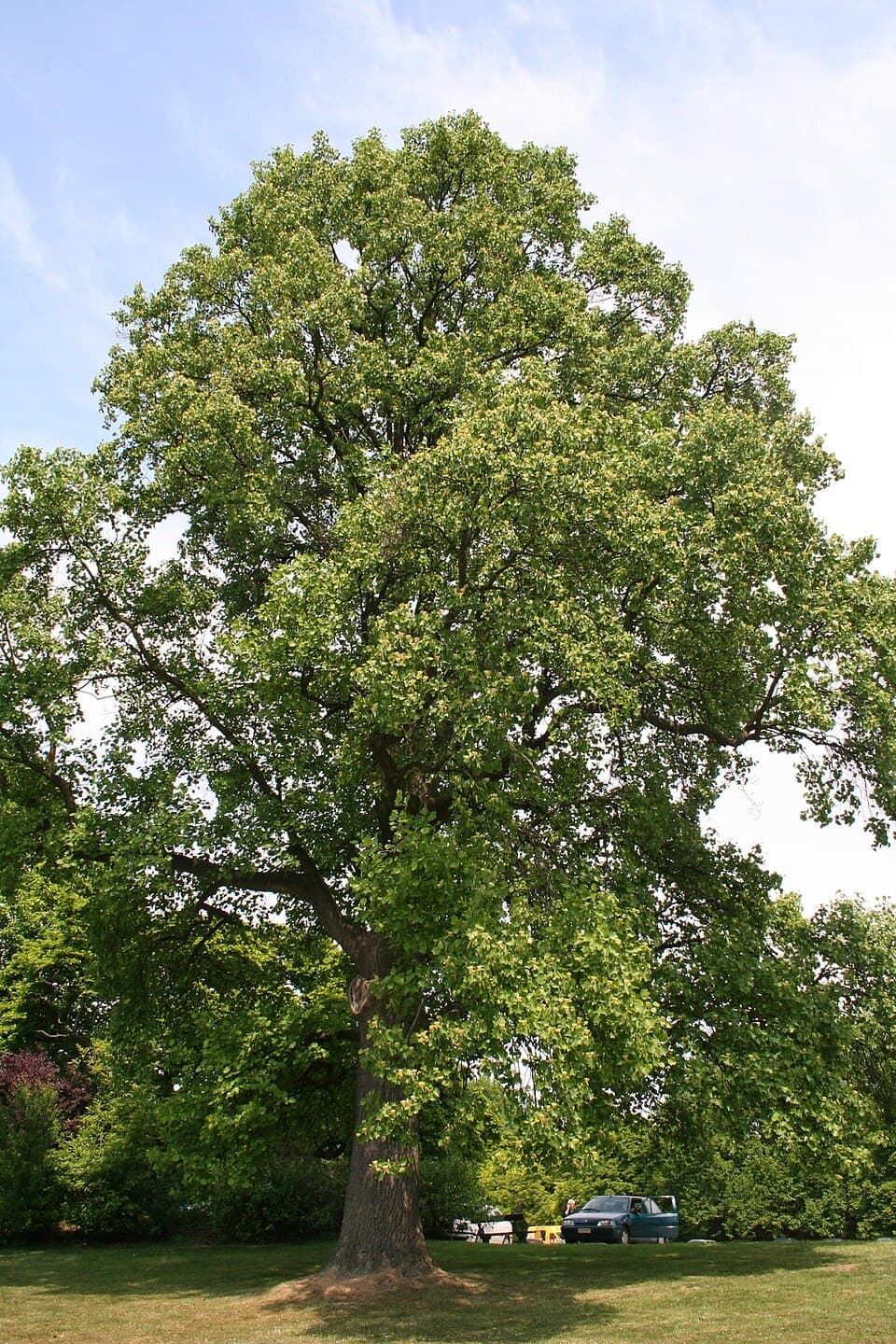
Tulip Tree
Liriodendron tulipifera
A very tall, straight hardwood with four-lobed "tulip"-shaped leaves and orange-and-green tulip-like flowers high in the crown.
Habitat: Rich, moist slopes and second-growth forest.
FG-0058.06
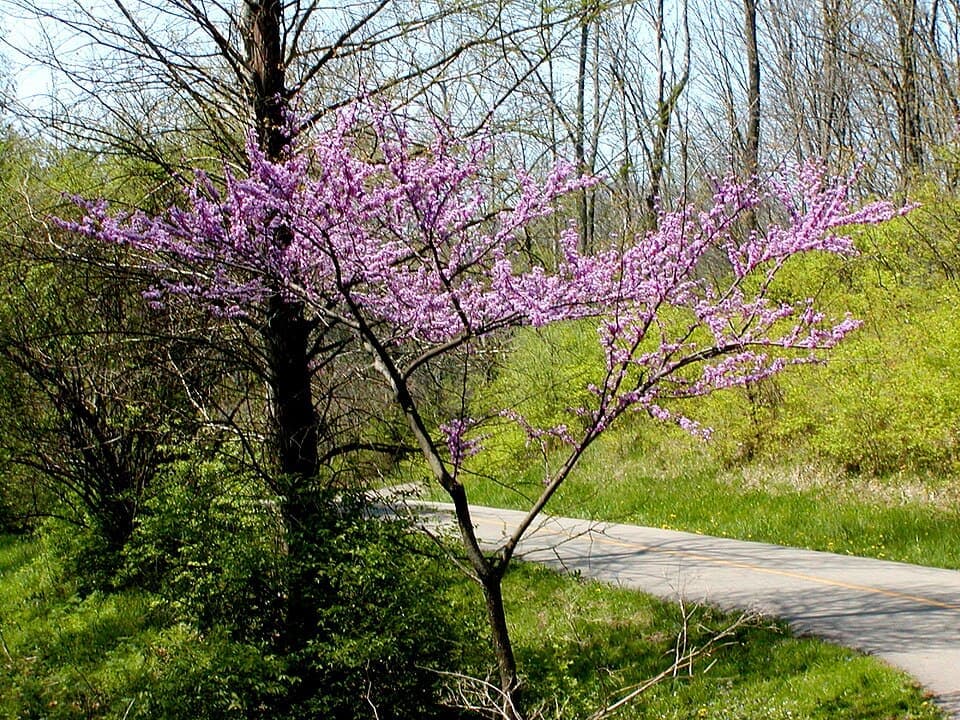
Eastern Redbud
Cercis canadensis
A small tree with heart-shaped leaves that bursts into rosy-pink pea flowers directly on bare branches in early spring, before leafing out.
Habitat: Woodland edges, roadsides, and understory.
Through the seasons
- Spring: redbud flowers on bare branches and buckeye leafs out early.
- Fall: sugar maple, tulip tree, and oaks carry the color.
- Winter: the creamy-white upper bark of sycamores lines every river.
Questions
- What is the state tree of Ohio?
- The Ohio buckeye — a river-bottom hardwood whose glossy brown seeds give the state and its teams the "Buckeye" nickname. Note that the seeds are toxic if eaten.
- What tree has white, peeling bark along Ohio rivers?
- The American sycamore, whose upper trunk and limbs flake to a striking creamy-white. Photograph the bark and leaves and use an app like Spotter to confirm.
From Field Notes
- What Is the Big Tree With White, Camouflage-Peeling Bark? Identifying the American Sycamore
- Sugar Maple vs. Red Maple: How to Tell the Two Most Common Maples Apart in Fall
- White Oak vs. Red Oak: How to Tell the Two Great Oak Groups Apart
- What Are the Shiny Brown Nuts Falling From My Tree? Identifying Buckeyes and Horse Chestnuts
Not sure what you found?
Take a photo with Spotter for the name, field marks, look-alikes and safety notes in seconds.


In this guide
- Species
- 6
- Region
- Ohio