FG-0014 · Wild Plants · 4 species
Identifying Wild Plants & Mushrooms in Ohio
By Derek Gauger · Updated
Overview
Ohio is an underrated place to learn plant and mushroom identification. The state's varied geography — the Glaciated Till Plains, the unglaciated Appalachian Plateau, and the Lake Erie shoreline — supports a surprising diversity of plants and fungi. Spring morels are the headliner, but there's something to recognize in every season.
This guide covers some of Ohio's most characteristic wild species and how to tell them apart. The Hocking Hills region in southeast Ohio and Cuyahoga Valley National Park are both excellent places to practice.
Key species to know
FG-0014.01
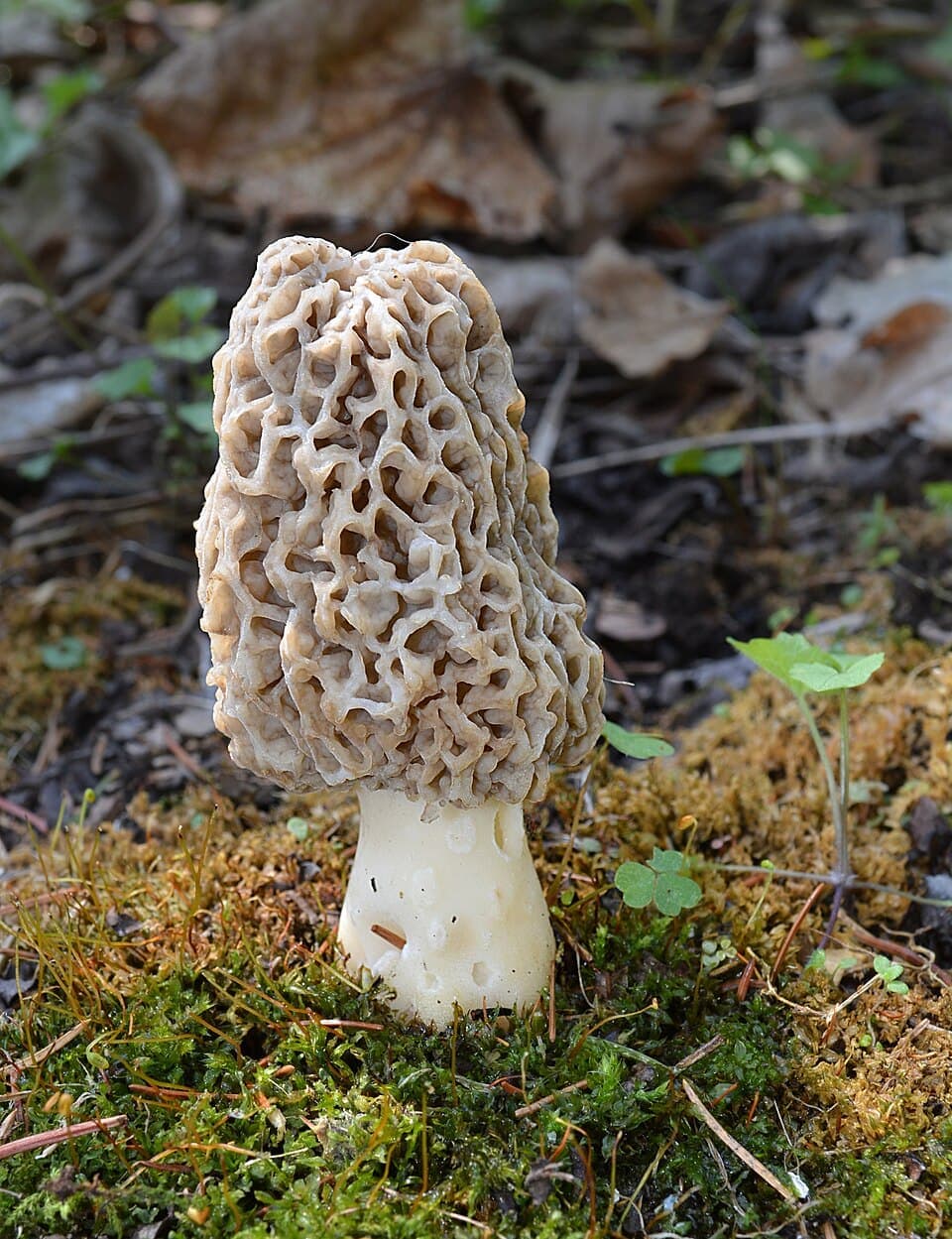
Morel Mushroom
Morchella americana
April–May
Ohio's most celebrated spring mushroom, with a honeycomb-pitted cap on a hollow stem. Most often spotted along shale barrens, dying elms, and old orchards in the Hocking Hills region.
Habitat: Sandy soils, dying elm and ash trees, old orchards, and south-facing slopes.
A true morel is completely hollow when sliced lengthwise; false morels (Gyromitra) have wrinkled, brain-like caps and are not hollow.
FG-0014.02
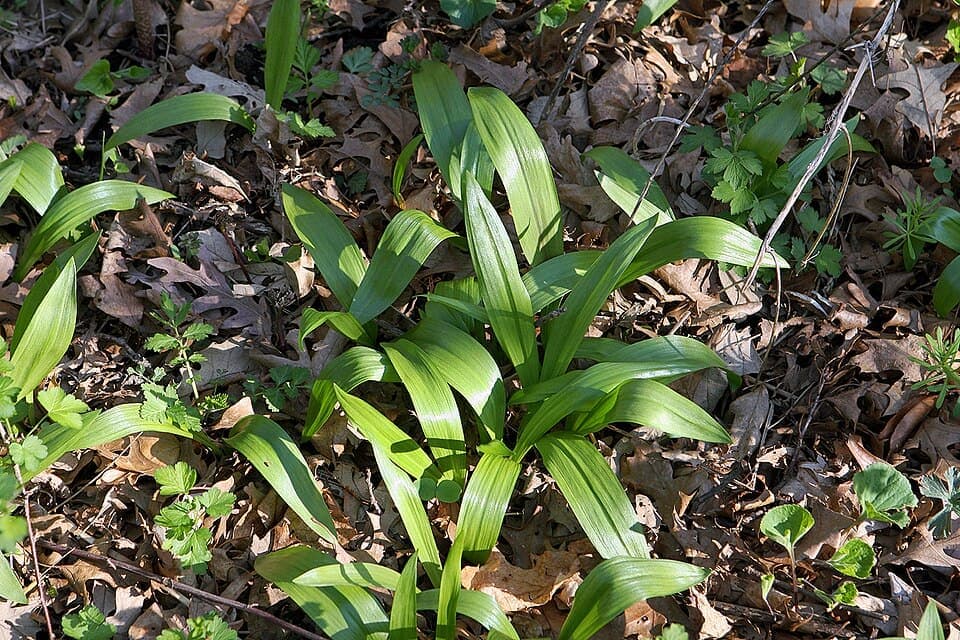
Ramps (Wild Leek)
Allium tricoccum
March–May
A spring ephemeral with broad, smooth leaves and a strong garlic-onion scent. Forms dense colonies in Ohio's southeastern Appalachian foothills, especially in Hocking, Athens, and Vinton counties.
Habitat: Rich, moist hardwood hollows; north-facing slopes under beech, maple, and tulip poplar.
FG-0014.03
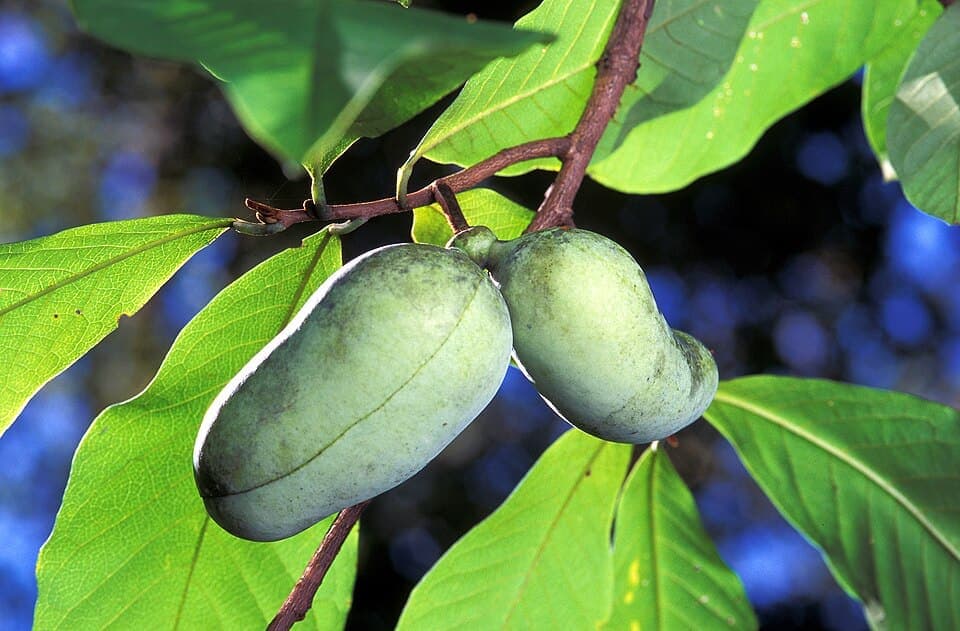
Pawpaw
Asimina triloba
August–October
Ohio is prime pawpaw country, with dense colonies along river bottoms statewide. Recognizable by its large drooping tropical-looking leaves and green oblong fruit. Albany, Ohio hosts an annual Pawpaw Festival.
Habitat: Moist bottomlands and stream banks; often in dense colonies.
FG-0014.04
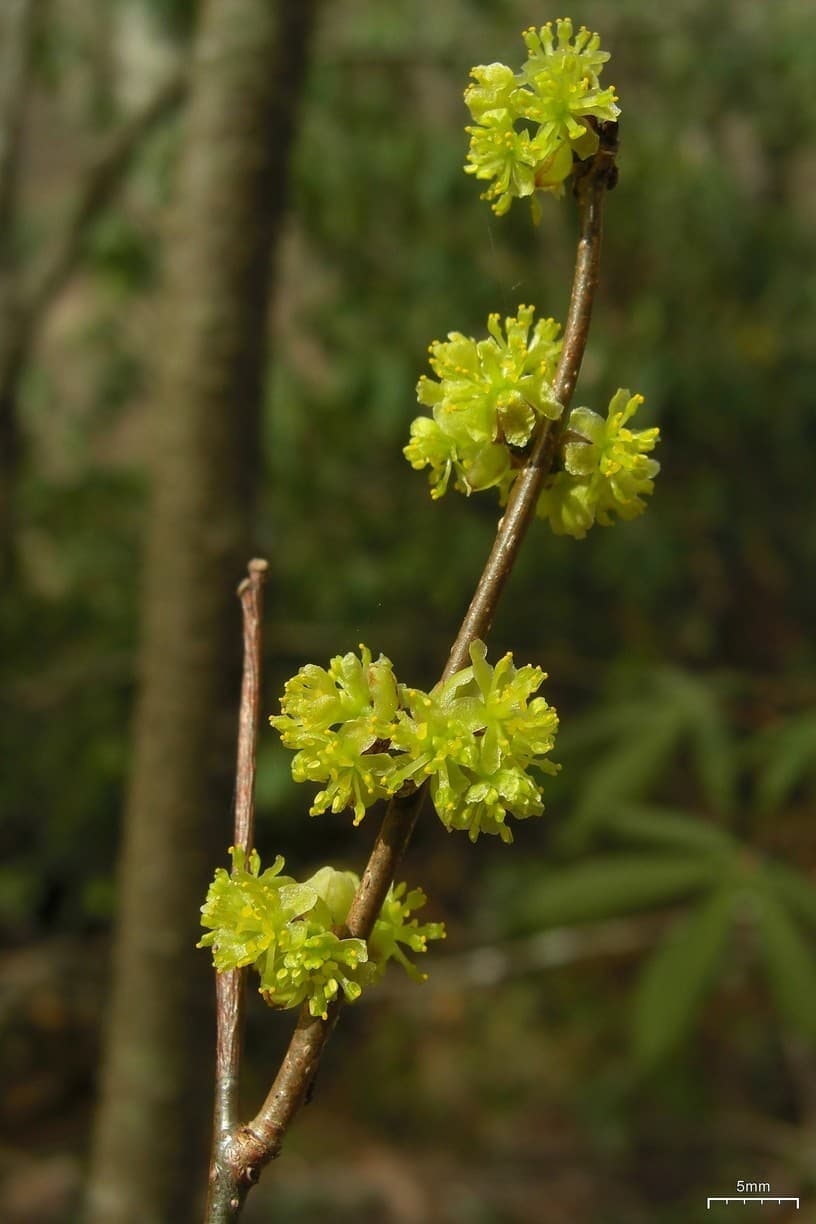
Spicebush
Lindera benzoin
Berries September–October
An aromatic native shrub with smooth twigs and bright red oval berries. Scratching a twig releases a strong spicy-citrus scent — a reliable ID feature.
Habitat: Moist forest understory, especially in Appalachian Ohio.
Through the seasons
- March–April: Ramps are easiest to spot in Hocking Hills and southeastern Ohio.
- April–May: Morel season; also look for lamb's quarters and wood sorrel.
- August–September: Pawpaw and elderberry fruit make these species easy to identify.
- September–November: Hen of the woods appears at oak bases; spicebush berries show red.
Questions
- Where are the best places to practice plant and mushroom ID in Ohio?
- The Hocking Hills region (Hocking, Athens, Vinton counties) is Ohio's premier spot for spotting morels, ramps, and pawpaws. Cuyahoga Valley National Park and Wayne National Forest also offer excellent, varied habitat.
From Field Notes
- How to Identify Wild Mushrooms Safely (And When to Walk Away)
- What Are the Little Brown Mushrooms Popping Up All Over My Lawn?
- What Are the Orange Mushrooms Clustered on the Stump? Identifying the Jack-o’-Lantern (and Why It Fools Foragers)
- What Is the Cluster of Shelf Mushrooms Growing on the Dead Tree? Identifying the Oyster Mushroom
Not sure what you found?
Take a photo with Spotter for the name, field marks, look-alikes and safety notes in seconds.


In this guide
- Species
- 4
- Region
- Ohio