
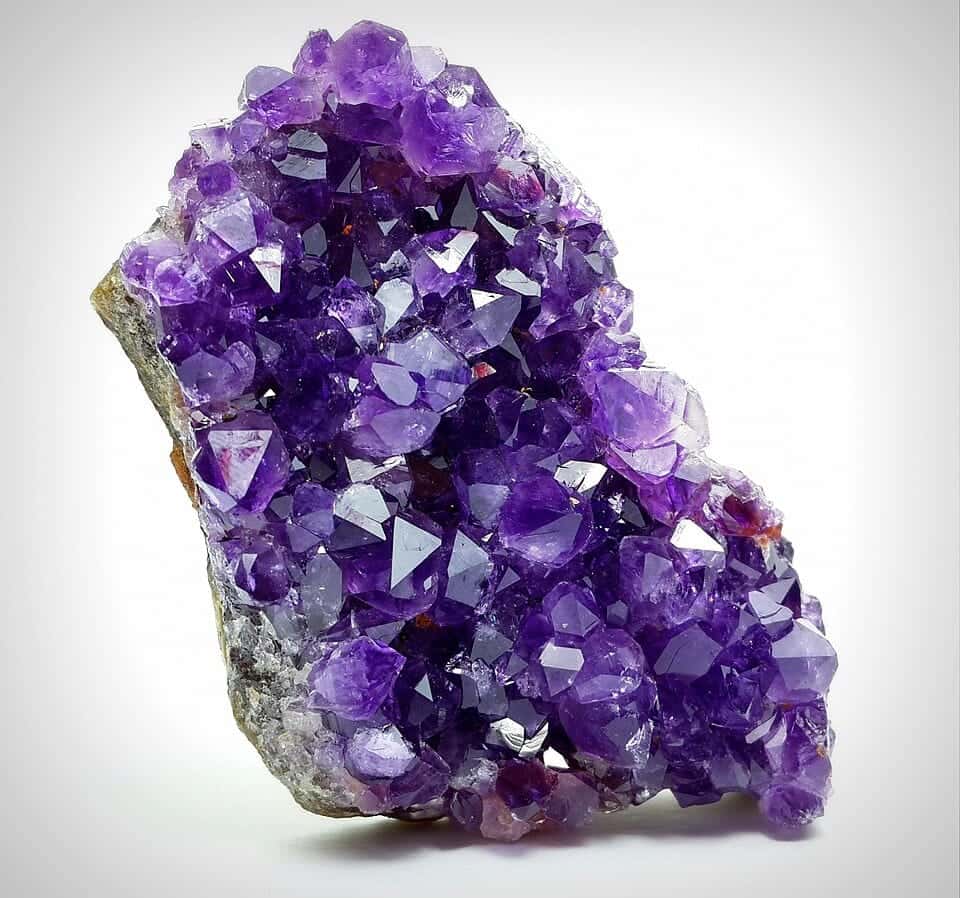
Whether it came from a rock shop, a riverbed, or a dusty drawer, an unidentified crystal is hard to resist. Gemstones and crystals are identified by a set of physical properties — and while a lab confirms the rare ones, you can get remarkably close on your own.
The Core Properties
- Color — a starting point, though many minerals come in several colors
- Crystal shape — cubes (pyrite, fluorite), six-sided prisms (quartz), or clustered points
- Luster — glassy, metallic, pearly, greasy, or dull
- Hardness — what scratches it, and what it can scratch (the Mohs scale)
- Transparency — clear, cloudy, or opaque
- Streak — the color of its powder on an unglazed tile
Why Color Alone Fools People
Amethyst and other quartz varieties, for example, share the same underlying mineral in different colors, while unrelated minerals can look nearly identical by color alone. That is why hardness and crystal shape do the real work of separating a genuine gemstone from a common lookalike.
Watch for Common Imitations
Glass, dyed stones, and man-made crystals are everywhere. Bubbles inside, unnaturally even color, and a warm, light feel are hints something is not natural stone. When value matters, a jeweler or gemologist should confirm.
Get a Head Start From a Photo
Spotter identifies crystals, gemstones, minerals, and rocks from a photo, with detail on how they form and where they are found. It is a fast way to put a name to a specimen — and the same app covers the plants, animals, and fungi you find out rockhounding.
Try Spotter free on iPhone or Android
Plants, animals, fungi and rocks from one photo. 5 free identifications every day, no card required.


Run color, crystal shape, luster, and hardness, and stay skeptical of imitations. A photo gives you a strong first identification; a gemologist confirms the ones that count.