FG-0072 · Rocks & Minerals · 6 species
Identifying Common Rocks and Minerals
By Derek Gauger · Updated
Overview
A mineral is a naturally occurring solid with a definite chemical makeup and crystal structure; a rock is a mixture of one or more minerals. You can identify most common specimens with a few simple tests: color, luster (metallic or not), hardness (does a steel knife scratch it?), and the shape of any crystals.
This guide covers the minerals and rocks you are most likely to find, from feldspar and quartz to the "fool's gold" that fools beginners. Photograph your specimen from a couple of angles and use the app to help confirm what you have found.
Key species to know
FG-0072.01
Quartz
Quartz
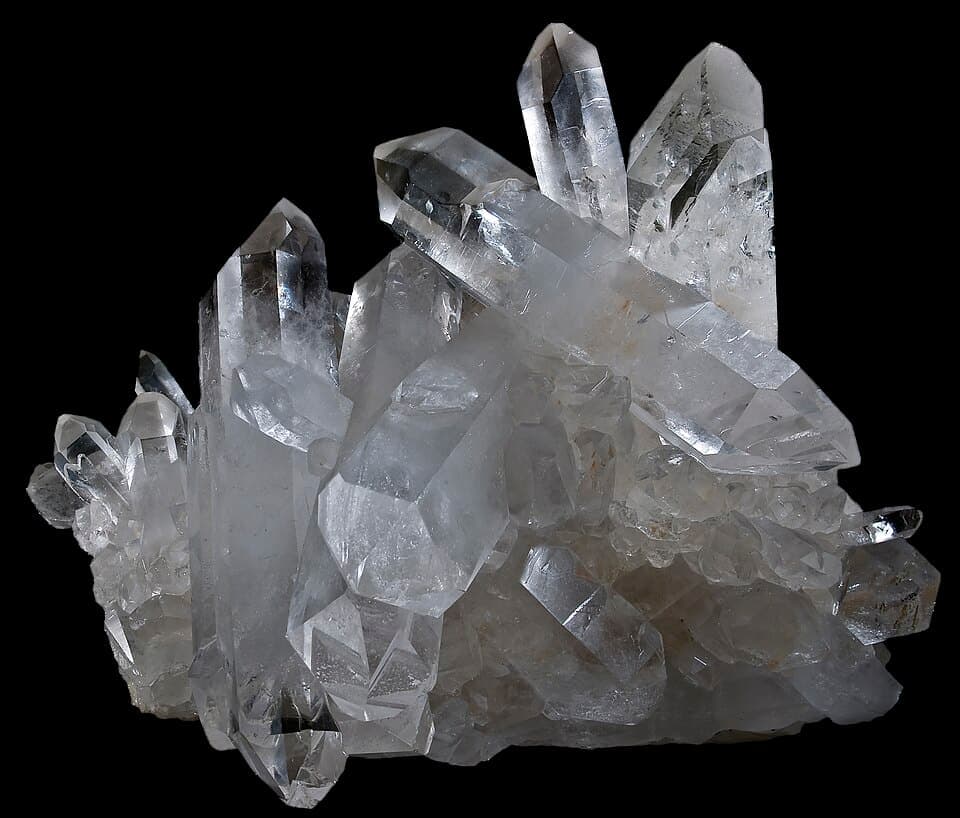
One of the most common minerals — glassy, hard (it scratches steel), and often clear, white, or smoky, with six-sided crystals when well formed. Breaks with curved, shell-like surfaces rather than flat faces.
Habitat: Veins, granite, sandstone, and stream gravels almost everywhere.
FG-0072.02
Feldspar
Feldspar
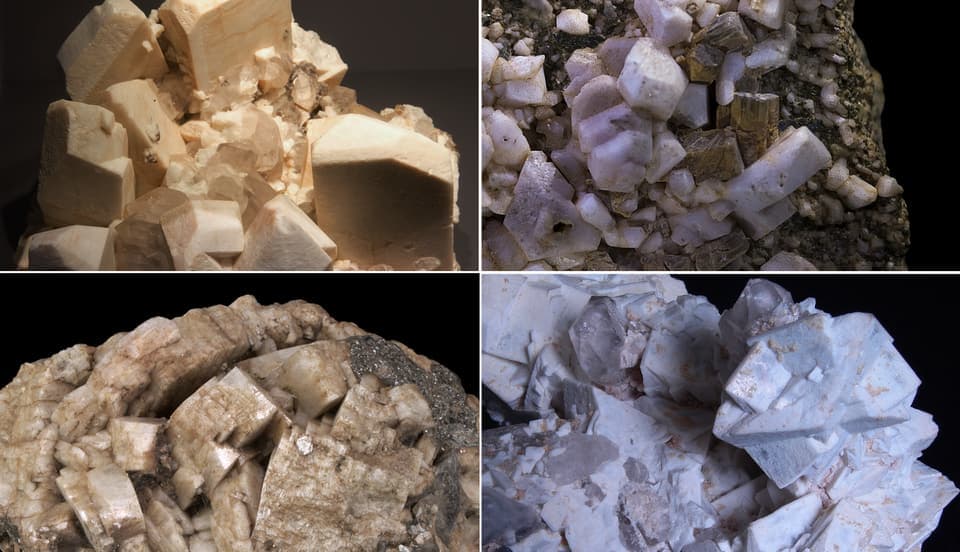
The most abundant mineral group in the crust, usually pink, white, or gray with a slightly-less-than-glassy luster and flat cleavage faces that catch the light. A main ingredient of granite.
Habitat: Granite, gneiss, and many other igneous and metamorphic rocks.
FG-0072.03
Granite
Granite
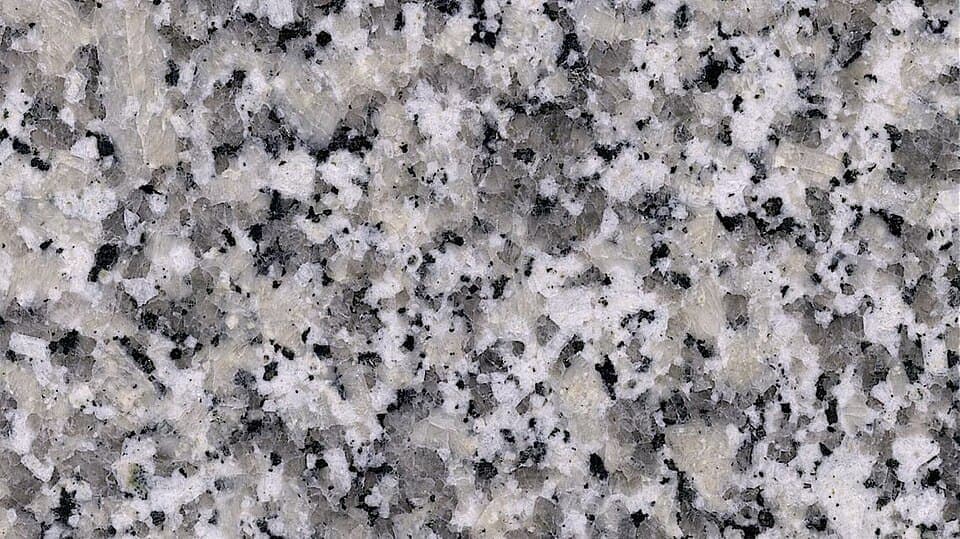
A coarse, speckled igneous rock made of interlocking quartz, feldspar, and mica crystals big enough to see. The classic "salt-and-pepper" building and countertop stone.
Habitat: Mountain cores, road cuts, and building stone nationwide.
FG-0072.04
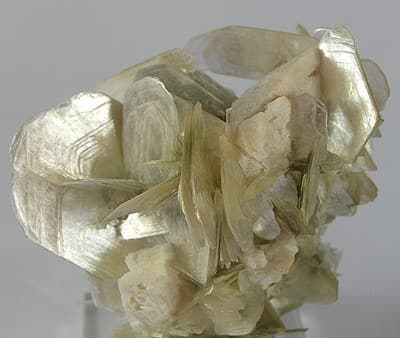
Muscovite Mica
Muscovite
A pale, silvery mineral that splits into thin, flexible, transparent sheets and sparkles in granite and schist. Peels apart in flakes with a fingernail.
Habitat: Granite, schist, and pegmatite; sparkling in many stream sands.
FG-0072.05
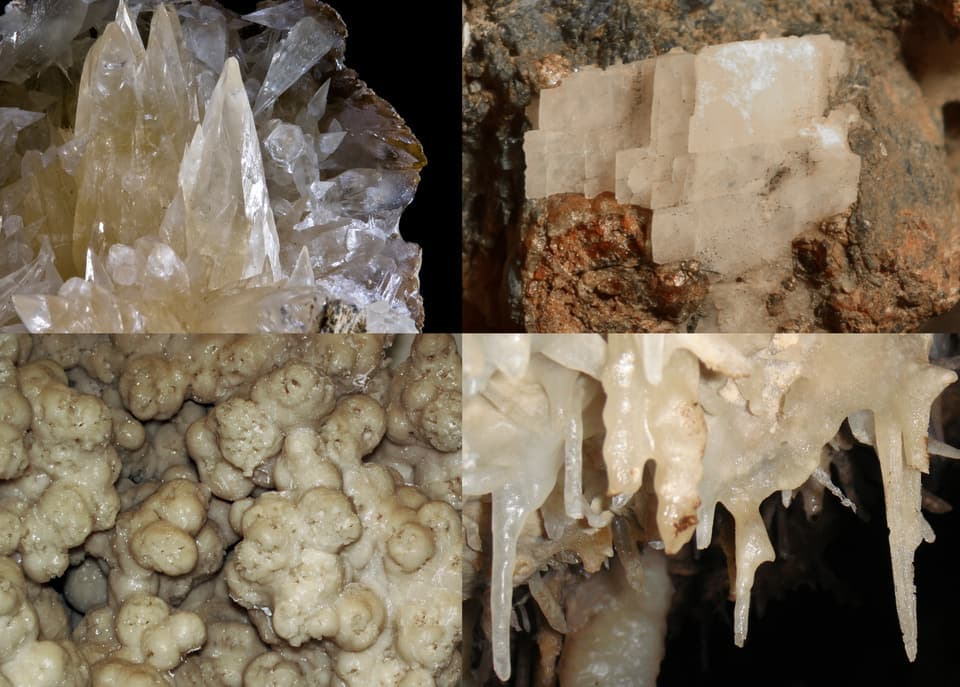
Calcite
Calcite
A soft mineral (a knife scratches it easily) that fizzes in weak acid and often forms clear rhombohedral crystals. The main mineral of limestone and marble.
Habitat: Limestone, marble, veins, and cave formations.
FG-0072.06
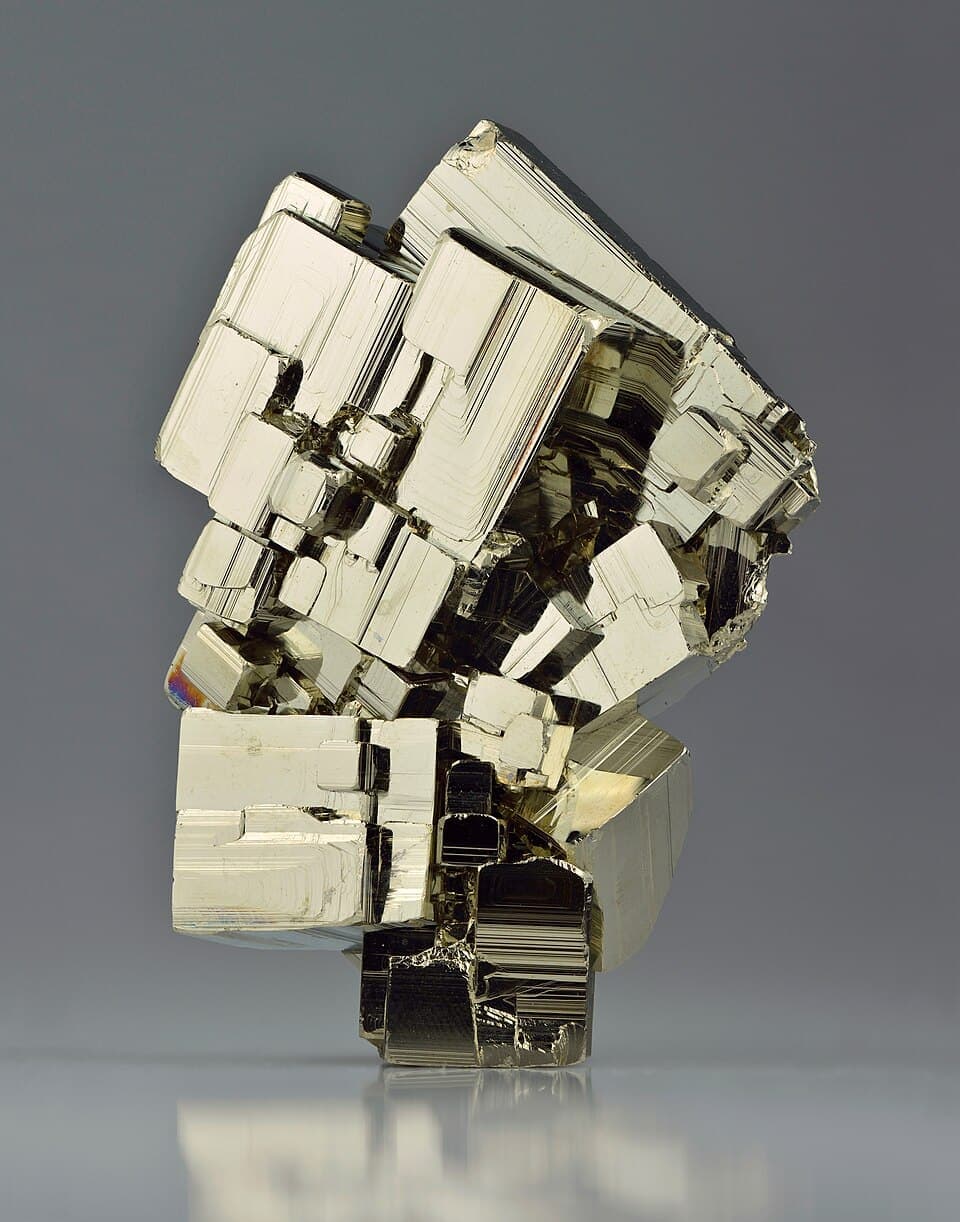
Pyrite
Pyrite
The famous "fool's gold" — a brassy, metallic mineral that forms cubes and is much harder and lighter-streaked than real gold. Leaves a greenish-black streak.
Habitat: Veins, shale, coal seams, and many ore deposits.
Through the seasons
- Carry a hand lens, a steel knife or nail for a rough hardness check, and a small bottle of vinegar to spot calcite (it fizzes).
- Wet a specimen to bring out its true color and luster.
- A streak plate (unglazed porcelain) reveals a mineral's true powder color, which is often more reliable than surface color.
Questions
- What is the difference between a rock and a mineral?
- A mineral is a single naturally occurring substance with a consistent makeup, such as quartz, calcite or pyrite. A rock is a mixture of minerals, such as granite, sandstone or basalt. Knowing which you are holding decides which tests matter.
- Does where I found a rock help identify it?
- Yes. River gravel is tumbled smooth, volcanic areas produce basalt and obsidian, and limestone country holds fossils and calcite. The landscape narrows the possibilities before you test anything.
- What is a streak test?
- Rub the specimen across the back of an unglazed porcelain tile and look at the color of the powder it leaves. Streak color is more consistent than surface color, which impurities can change.
- How do I tell fool's gold from real gold?
- Pyrite (fool's gold) forms brassy cubes, is brittle, and is hard enough to scratch glass; real gold is soft, dense, forms no cubes, and can be dented with a pin. Photograph the specimen and use an app like Spotter to help compare.
- What tests identify a mineral?
- The most useful field tests are color and streak, luster (metallic or not), hardness (whether a knife scratches it), crystal shape, and whether it fizzes in weak acid. Together these narrow most common minerals quickly.
From Field Notes
Not sure what you found?
Take a photo with Spotter for the name, field marks, look-alikes and safety notes in seconds.


In this guide
- Species
- 6
- Region
- United States