FG-0073 · Rocks & Minerals · 6 species
Rocks and Minerals of Arizona
By Derek Gauger · Updated
Overview
Arizona is one of the premier mineral states in the country, built on world-class copper deposits that produce vivid blue and green minerals, plus turquoise, agate, petrified wood, and peridot. Old mining districts and public rockhounding areas make it a collector's destination.
This guide covers common and iconic Arizona minerals — how to recognize them by color, luster, and form. Photograph your specimen from a couple of angles and use the app to help confirm what you have found.
Key species to know
FG-0073.01
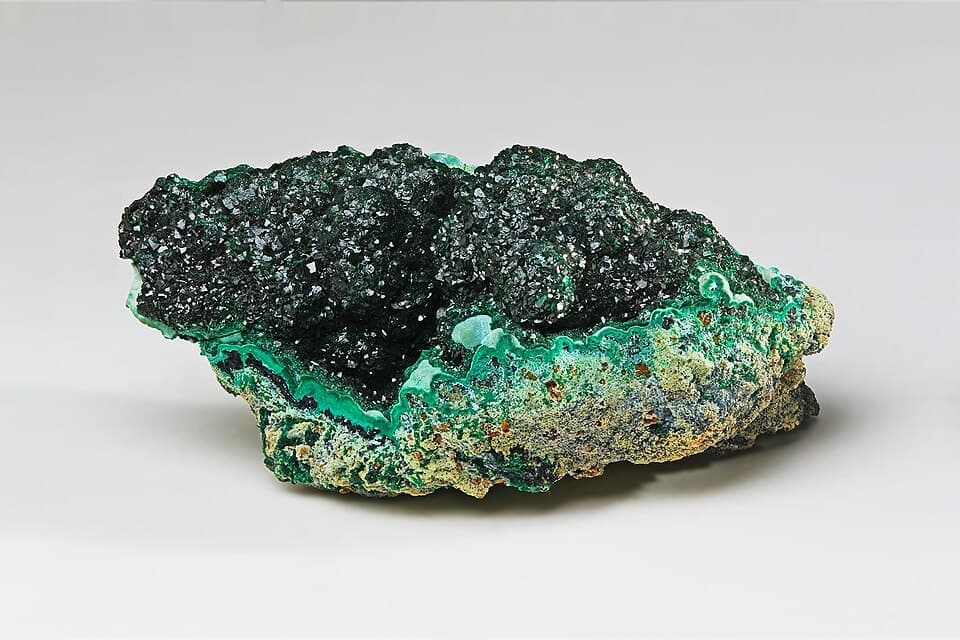
Malachite
Malachite
A vivid green copper mineral, often banded or botryoidal (bubbly), formed where copper deposits weather. A signature mineral of Arizona's copper country.
Habitat: Weathered zones of copper deposits and old mine dumps.
FG-0073.02
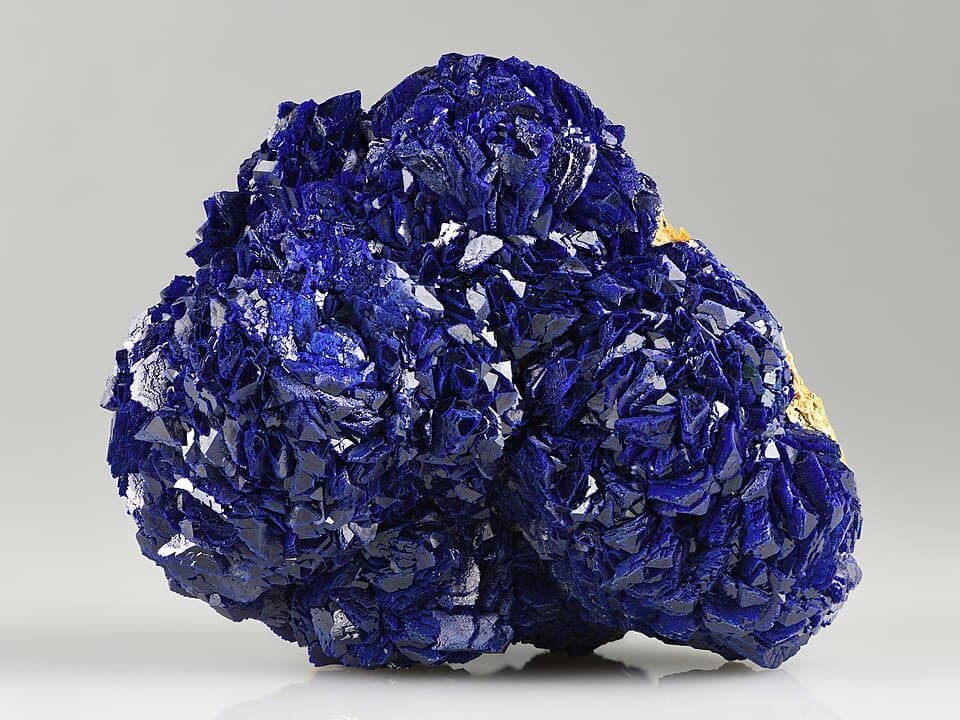
Azurite
Azurite
A deep, intense blue copper mineral that often occurs alongside green malachite, sometimes as blocky crystals. The blue-and-green pairing is unmistakable.
Habitat: Oxidized copper ore zones and mining districts.
FG-0073.03
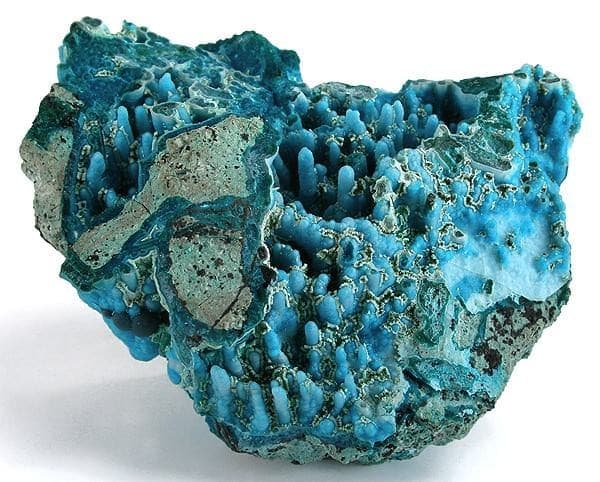
Chrysocolla
Chrysocolla
A soft, robin's-egg blue to blue-green copper mineral with a waxy or earthy look, often intergrown with quartz for a harder gem material.
Habitat: Oxidized copper deposits across the state.
FG-0073.04
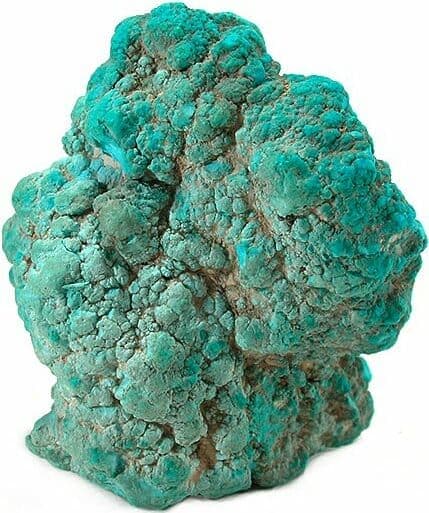
Turquoise
Turquoise
The famous sky-blue to blue-green gem, prized for jewelry and historically mined across Arizona. Opaque, with a waxy luster and sometimes dark "matrix" veining.
Habitat: Weathered copper-rich rock in arid districts.
FG-0073.05
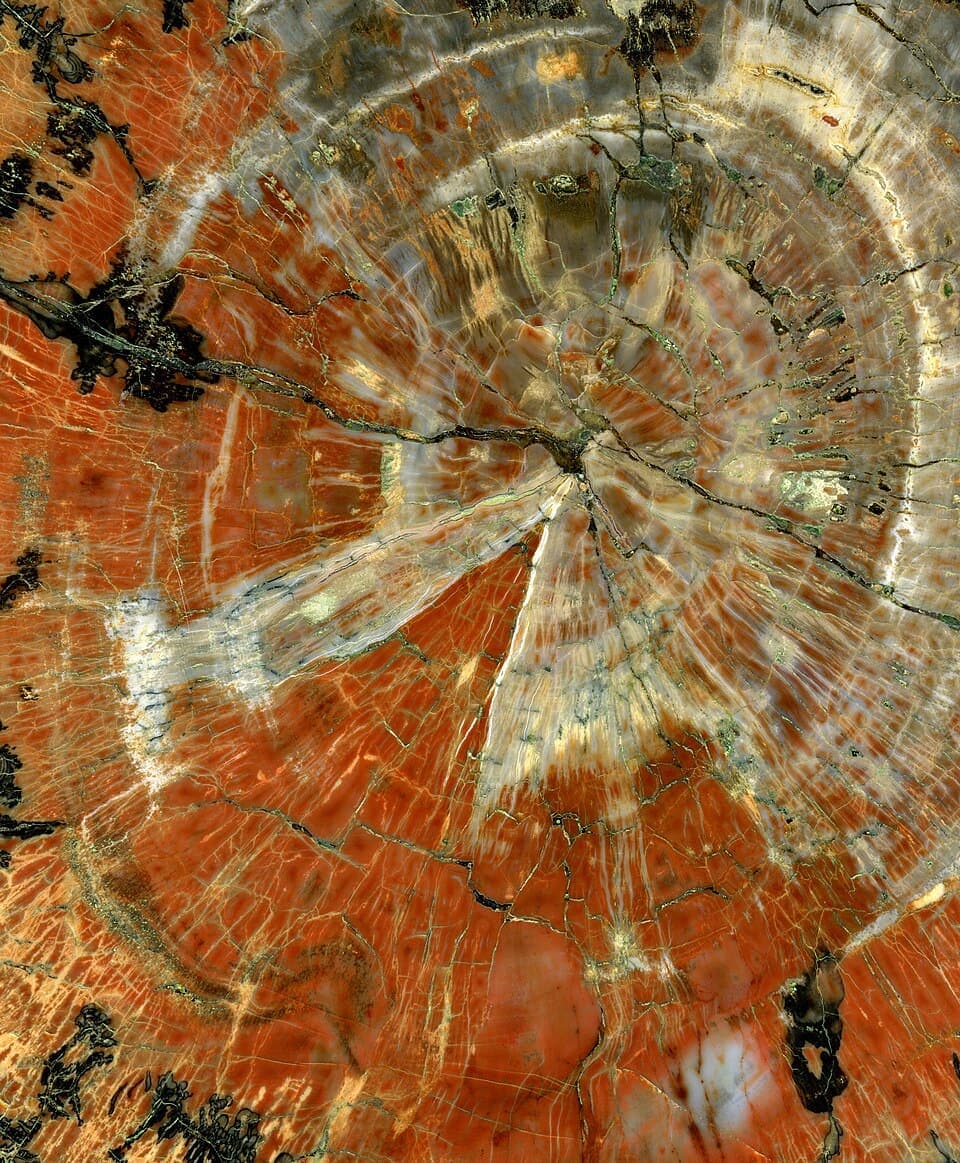
Petrified Wood
Petrified wood
Ancient wood turned to stone as silica replaced the original tissue, preserving grain and rings in rainbow colors. Arizona's Petrified Forest is world-famous.
Habitat: Eroding badlands and desert washes, especially in the northeast.
FG-0073.06
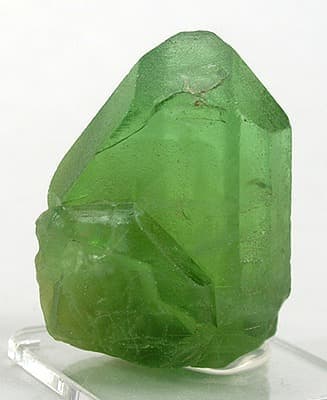
Peridot
Olivine
The gem form of olivine — small, olive-green glassy grains weathered out of volcanic rock. The San Carlos area is one of the world's main peridot sources.
Habitat: Volcanic rock and the gravels weathering from it.
Through the seasons
- Fall through spring is the comfortable season for desert rockhounding — summer heat is dangerous.
- Old mine dumps yield copper minerals, but many are on private or claimed land — always confirm access first.
- Wet a specimen to bring out the true blue and green colors of copper minerals.
Questions
- Can I collect petrified wood in Arizona?
- Not in Petrified Forest National Park — it is strictly prohibited. Petrified wood can be collected in limited amounts on some BLM land and bought from private "rock shops" and ranches; always confirm the rules for the specific spot.
- What are the blue and green rocks in Arizona?
- They are usually copper minerals — deep-blue azurite, green malachite, and pale blue-green chrysocolla or turquoise — formed where copper ore weathers. Photograph the specimen and use an app like Spotter to help identify it.
From Field Notes
Not sure what you found?
Take a photo with Spotter for the name, field marks, look-alikes and safety notes in seconds.


In this guide
- Species
- 6
- Region
- Arizona