Few plants send people searching faster than the ones that leave you itching for a week. Poison ivy, poison oak, and poison sumac all contain urushiol, the oil that causes an allergic rash — and learning to spot them is one of the most useful outdoor skills there is.
Leaves of Three, Let It Be
The classic rhyme is a good starting point: poison ivy and poison oak both typically grow leaves in clusters of three leaflets. But it is only a starting point — plenty of harmless plants also have three leaflets, and poison sumac breaks the rule entirely with rows of 7 to 13 leaflets.
What Each One Looks Like
- Poison ivy — three pointed leaflets, often glossy, the middle one on a longer stalk; grows as a vine or low shrub, sometimes with a hairy vine on trees
- Poison oak — three leaflets with lobed, oak-like edges; shrubby, more common in the West and Southeast
- Poison sumac — a row of 7 to 13 smooth-edged leaflets on a reddish stem; grows as a shrub or small tree in wet, boggy areas
Other Clues
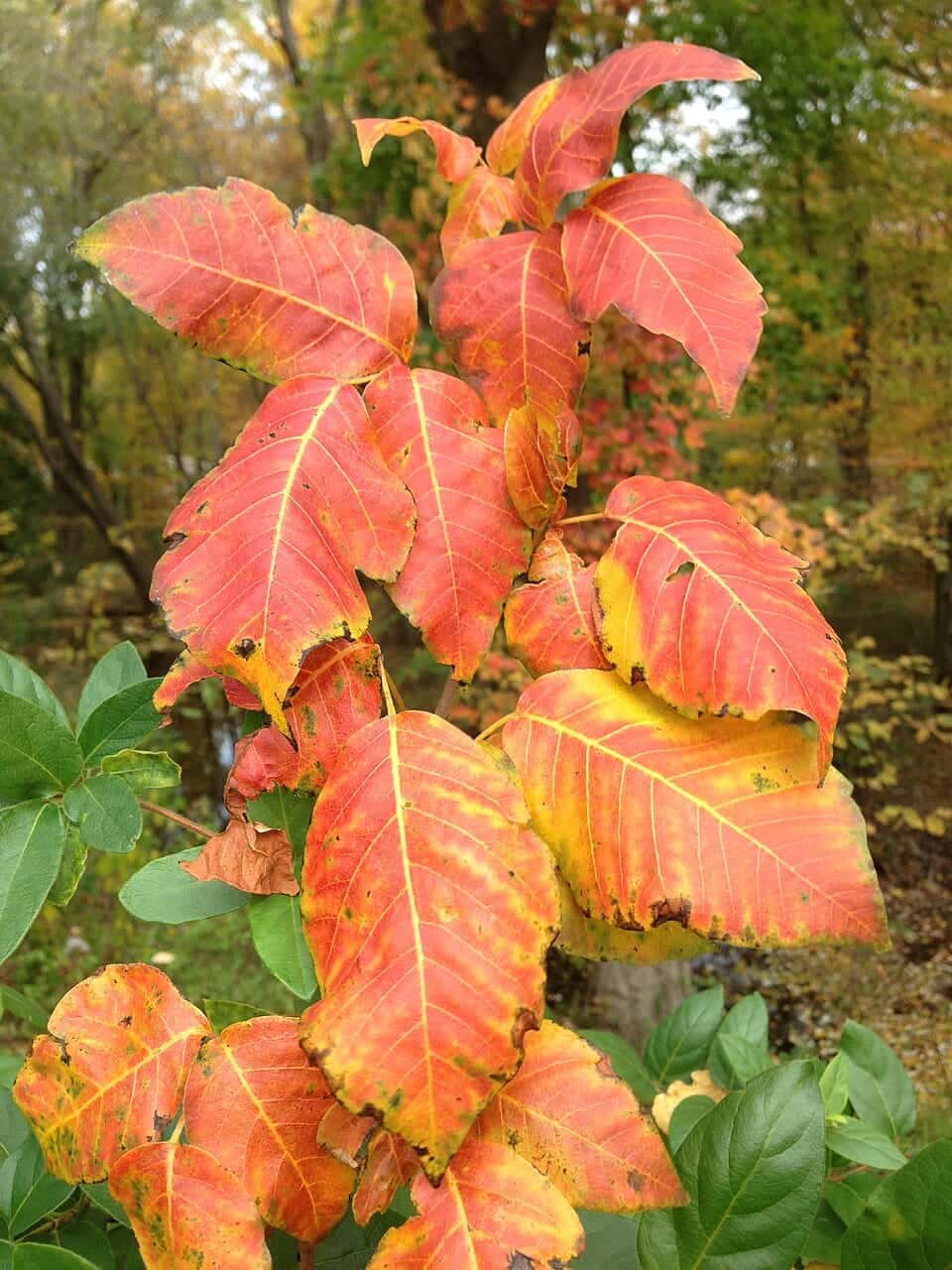
Watch for reddish new growth in spring, clusters of small greenish-white berries, and brilliant red foliage in fall. When in doubt, do not touch — urushiol is on the leaves, stems, and roots, even on a dead plant in winter.
Check a Photo Before You Get Close
Spotter can identify poison ivy, oak, and sumac from a photo taken at a safe distance, with clear notes flagging the plant as a skin irritant. Use it to confirm what is growing along your trail or yard edge before you reach in — and remember it is a reference tool, not a substitute for caution or medical advice.
Try Spotter free on iPhone or Android
Plants, animals, fungi and rocks from one photo. 5 free identifications every day, no card required.


If you do get exposed, washing the skin promptly can reduce the reaction, and severe rashes warrant medical attention. The best defense, though, is recognition — learn these three and you will avoid most trouble before it starts.