Wildflower identification sounds simple — you look at the flower. In practice, the flower is only one piece of a puzzle that includes leaf shape, stem structure, growth habit, and habitat. The good news is that you do not need to memorize these features in the abstract; you just need to observe them consistently before trying to make an identification.
This guide covers what to look at, how to photograph wildflowers for better identification results, a brief regional overview to set expectations, and how apps like Spotter can help fill in the gaps.
The Four Key Things to Observe
1. Flower Color and Shape
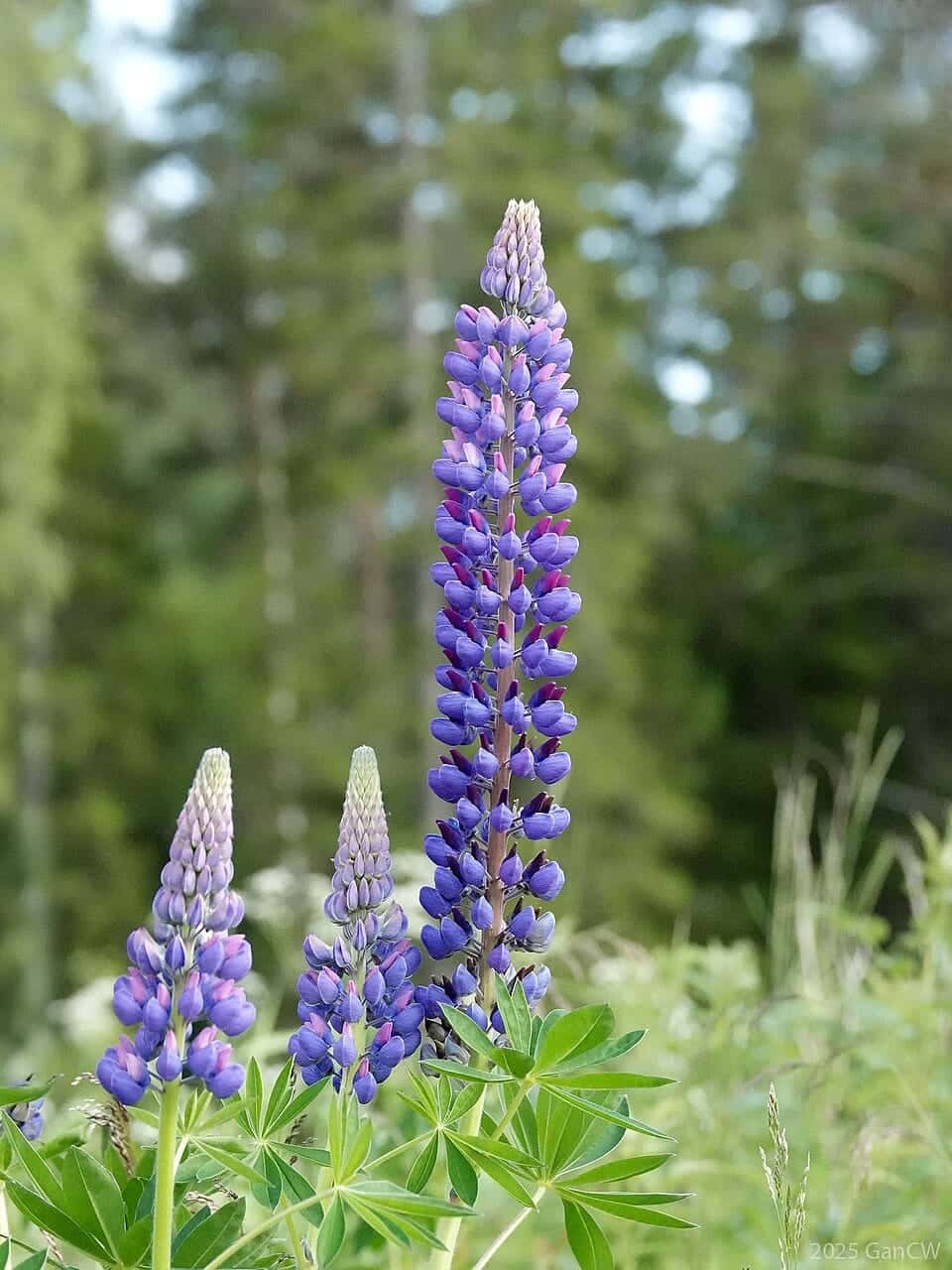
Color is the most obvious starting point, but it is also the most variable. The same species can range from pale pink to deep magenta depending on soil, altitude, and individual variation. Use color to narrow the field, not to close the identification. Shape is more reliable: note the number of petals (three, four, five, or many), whether they are fused into a tube or separate, and the overall flower form — daisy-like, bell-shaped, spiked clusters, umbrella-shaped clusters (called umbels), or pea-shaped. Pea-shaped flowers with two wing petals and a keel are characteristic of the legume family. Umbels are characteristic of the carrot family — which includes both edible and dangerously toxic species.
2. Leaf Arrangement and Shape
Leaf arrangement is often more diagnostic than flower color. Are the leaves opposite each other on the stem, or alternate (staggered)? Are they whorled (three or more at the same point)? Do they clasp the stem or have a distinct stalk? Leaf shape — lobed, divided, toothed, smooth-edged, lance-shaped, heart-shaped — and texture (hairy, smooth, waxy) all narrow the possibilities significantly. Some identifications turn almost entirely on the leaves: poison ivy's three leaflets, wild garlic mustard's triangular toothed leaves, and trout lily's mottled pattern are all distinctive.
3. Stem Characteristics
The stem carries clues that most beginners overlook. Is the stem round, square (typical of the mint family), or winged? Is it hollow when broken? Hollow-stemmed plants in the carrot family need particular caution — water hemlock, one of North America's most toxic plants, has hollow segmented stems and grows in wet areas. Is the stem hairy or smooth, and what color is it? The magenta stems of pokeweed or the purple-blotched stems of poison hemlock are both meaningful identifiers.
4. Habitat and Elevation
Where a wildflower is growing tells you a great deal before you even look at the plant. Alpine meadows above treeline, sun-drenched dry hillsides, shaded forest floors, stream banks, and disturbed roadsides each host characteristic communities of plants. Glacier lilies appear at snowfield margins. Larkspur favors moist talus and streamside slopes. Cardinal flower grows along water. If your candidate species does not match the habitat, question your identification. Plants are very often where they 'should' be — habitat is one of the most reliable filters.
Try Spotter free on iPhone or Android
Plants, animals, fungi and rocks from one photo. 5 free identifications every day, no card required.


How to Take Photos That Actually Help
Whether you are using an identification app or comparing to a field guide later, the quality of your photos determines how useful they will be. A single wide shot of the whole plant is often not enough.
- Take multiple angles: a close-up of the flower face, a side view showing the profile, a shot of the underside of leaves, and a wider shot showing the full plant and habitat
- Include leaves in at least one photo — often as diagnostic as the flower itself
- Use natural light if at all possible; camera flash washes out color and texture
- Get close enough to fill the frame with the flower without losing detail
- If the stem or base is distinctive, photograph it separately
- For small flowers, steady your phone against something solid for a sharper close-up
When using Spotter, you can submit up to three photos per identification — which is exactly enough for a meaningful wildflower ID: flower face, leaves, and full plant in habitat. More angles give the identification engine more to work with.
A Regional Overview
Western and Mountain Regions
Subalpine meadows in the Rockies, Sierra Nevada, and Cascades produce spectacular summer wildflower displays. Expect lupine, Indian paintbrush, columbine, glacier lily, fireweed, and fleabane. Many western species are found only above 6,000 feet and bloom in a compressed summer window after snowmelt.
Eastern Forests
Eastern deciduous forests have rich spring ephemeral communities — plants that bloom and seed before the forest canopy closes out the light. Trillium, bloodroot, wild ginger, jack-in-the-pulpit, and hepatica are characteristic. By midsummer, forest floors are largely shaded and flowering shifts to meadow edges and disturbed areas.
Southwest and Desert
Desert wildflower blooms are famously spectacular after good winter rains. The Sonoran and Mojave Deserts can carpet in Mexican poppies, desert marigold, owl's clover, and phacelia. Timing depends entirely on rainfall — some years produce superbloom conditions, others are sparse.
Pacific Northwest
The Columbia River Gorge offers one of the most accessible and diverse wildflower experiences in the country — dozens of species within a few miles of each other, from late February through June at lower elevations. The Cascades and Olympics produce stunning subalpine meadow displays in July and August.
Building Your Knowledge Over Time
Wildflower identification is a skill that deepens with each season. The most effective way to improve is to do it repeatedly in the same area across multiple years — you start to notice what blooms when, what follows what, and which species are characteristic of which trail sections or elevations.
Apps like Spotter are useful as a first-pass identification tool and a safety check, but they work best when you already have some observational context. Combine the app with a regional field guide for your specific area — regional guides cover species in appropriate detail and exclude the irrelevant ones. When you find a plant you identify, spend time with it: note the features, take photos from multiple angles, and look it up later to confirm.
The hikers who know wildflowers best are not the ones who memorized a field guide — they are the ones who got curious about the same plants, season after season, until the identification became automatic.
Try Spotter free on iPhone or Android
Plants, animals, fungi and rocks from one photo. 5 free identifications every day, no card required.