Drive down an old country road in late summer and fall and you will start to see them: big, heavy, yellow-green fruits the size of a grapefruit or softball, with a bumpy, wrinkled surface that looks unmistakably like a brain, littering the ground under a scruffy tree and rolling into the ditch. They are far too large and strange to be any ordinary fruit, and they seem to appear out of nowhere along fence lines and roadsides. Those are hedge apples — the fruit of the Osage orange tree — and they go by a long list of folk names: hedge balls, monkey brains, horse apples, mock oranges, and bois d’arc. Here is how to identify them.
How to Identify Osage Orange and Its Fruit
The fruit is so distinctive that it is usually the giveaway, but the whole tree has a recognizable look once you know what to check:
- Fruit: a heavy, round, grapefruit- to softball-sized ball (often 3–6 inches across) with a bumpy, wrinkled, brain-like or pebbled surface, ripening from green to yellow-green; it oozes a sticky, bitter white latex when cut or bruised
- When it drops: the fruit forms in late summer and falls to the ground through September and October, which is when most people first notice it
- Twigs and thorns: branches are armed with stout, sharp thorns up to about half an inch long, and the twigs are buff to orange-brown
- Leaves: glossy, dark green, oval leaves that taper to a point, turning yellow in fall
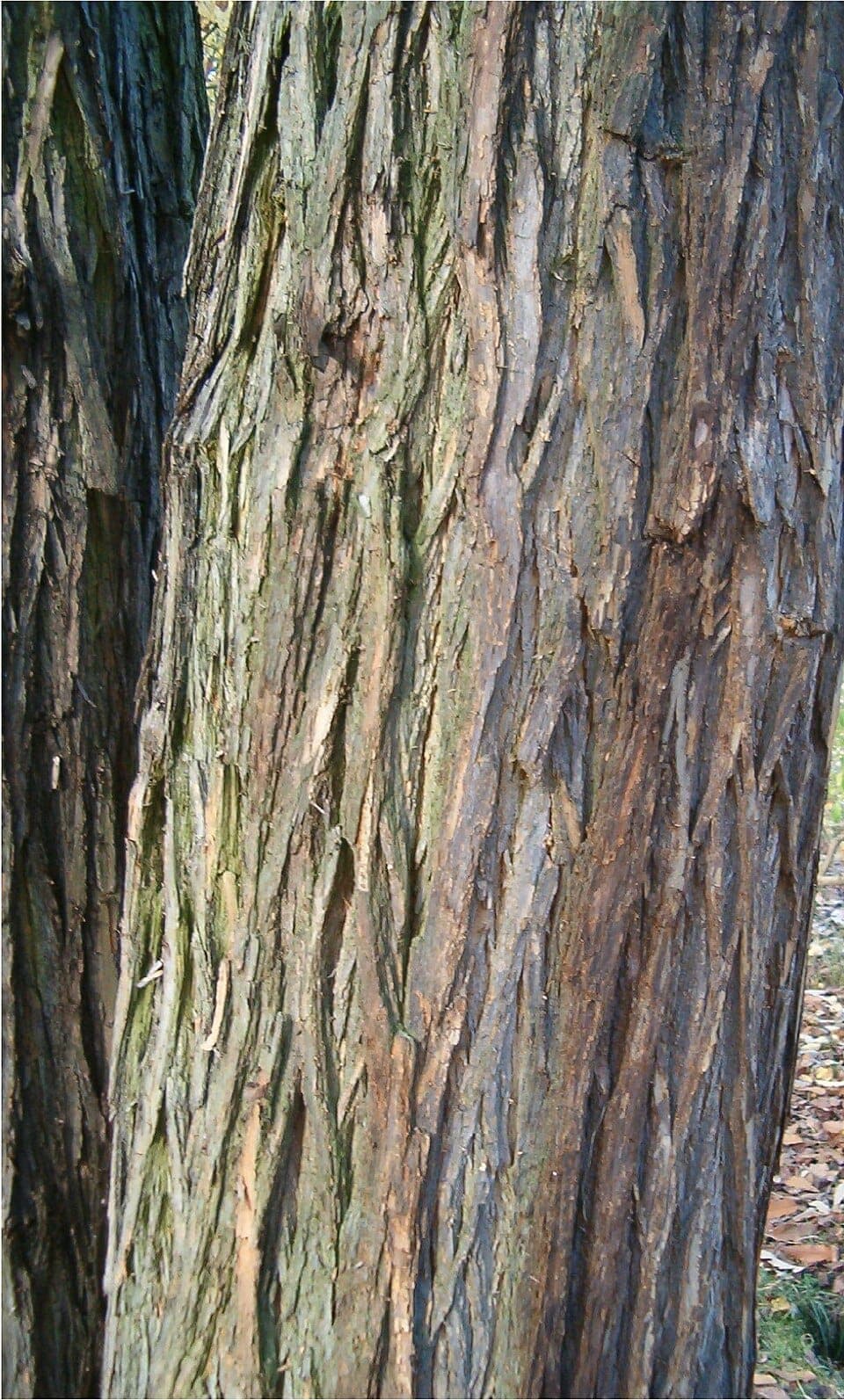
- Bark and form: a small-to-medium tree, often 30–40 feet tall, with deeply furrowed orange-brown bark, frequently found in old hedgerows, fence lines, and field edges
One important note: the huge fruit only appears on female trees, and only when a male tree is nearby to pollinate it. So a thorny Osage orange with no fruit underneath is normal — it may simply be a male, or a female with no pollinator in range.
Try Spotter Free on iOS & Android
Plants, animals, fungi, and rocks — all from a photo. 5 free identifications every day, no credit card required.
Why Does This Tree Make Such a Strange Fruit?
The hedge apple is one of the great puzzles of North American plants. It is big, heavy, and full of seeds, but almost no modern animal eats it — squirrels will tear one apart for the seeds, but nothing swallows and spreads it the way animals spread most fruits. The leading idea is that the Osage orange is an "evolutionary anachronism": it evolved to be eaten and dispersed by huge Ice Age animals like mammoths, mastodons, and giant ground sloths that went extinct roughly 10,000 years ago. With its original partners gone, the fruit just falls straight down and rots beneath the tree. The species survived largely because people found it useful.
That usefulness is why you find these trees in long, straight rows. Before barbed wire, farmers planted Osage orange as living fences — its dense, thorny growth was pruned into hedges "horse-high, bull-strong, and hog-tight." Its wood is extraordinarily hard, rot-resistant, and springy; it was prized by Native peoples for bows (hence bois d’arc, French for "bow-wood") and later for fence posts that last for decades. Those old planted hedgerows are why Osage orange now grows far beyond its small original range.
Do Hedge Apples Repel Spiders and Insects?
This is the question that sends people out collecting the fruit every fall: the folk claim that setting hedge apples in the basement or around the foundation keeps spiders, crickets, and other bugs away. It is a persistent piece of folklore, but research does not back it up. While scientists have found that compounds in the fruit can repel some insects in concentrated, laboratory form, studies have found no evidence that a whole hedge apple sitting on the floor releases enough of anything to repel insects or spiders in a real room. In practice the fruit just sits there, and eventually rots into a sticky mess. Sealing cracks and reducing moisture does far more for a bug-free basement.
Are Hedge Apples Poisonous?
Hedge apples are not considered edible for people — the fruit is bitter, full of sticky latex, and unpleasant enough that nobody makes a meal of it, and the milky sap can irritate skin for those who are sensitive. It is not classed as dangerously toxic to humans, but it is not wild food, so treat it as a curiosity to look at rather than taste. For livestock the bigger, well-documented risk is physical: cattle and horses occasionally try to swallow the whole fruit and can choke on it, so keep the fallen fruit picked up in pastures.
Not sure whether the thorny tree dropping brain-like fruit along your road is an Osage orange, or curious what else is growing in an old hedgerow? Snap a photo of the leaves, thorns, or fruit and let Spotter identify it as a starting point for getting to know one of the odder trees in the American landscape.
Try Spotter Free on iOS & Android
Plants, animals, fungi, and rocks — all from a photo. 5 free identifications every day, no credit card required.