
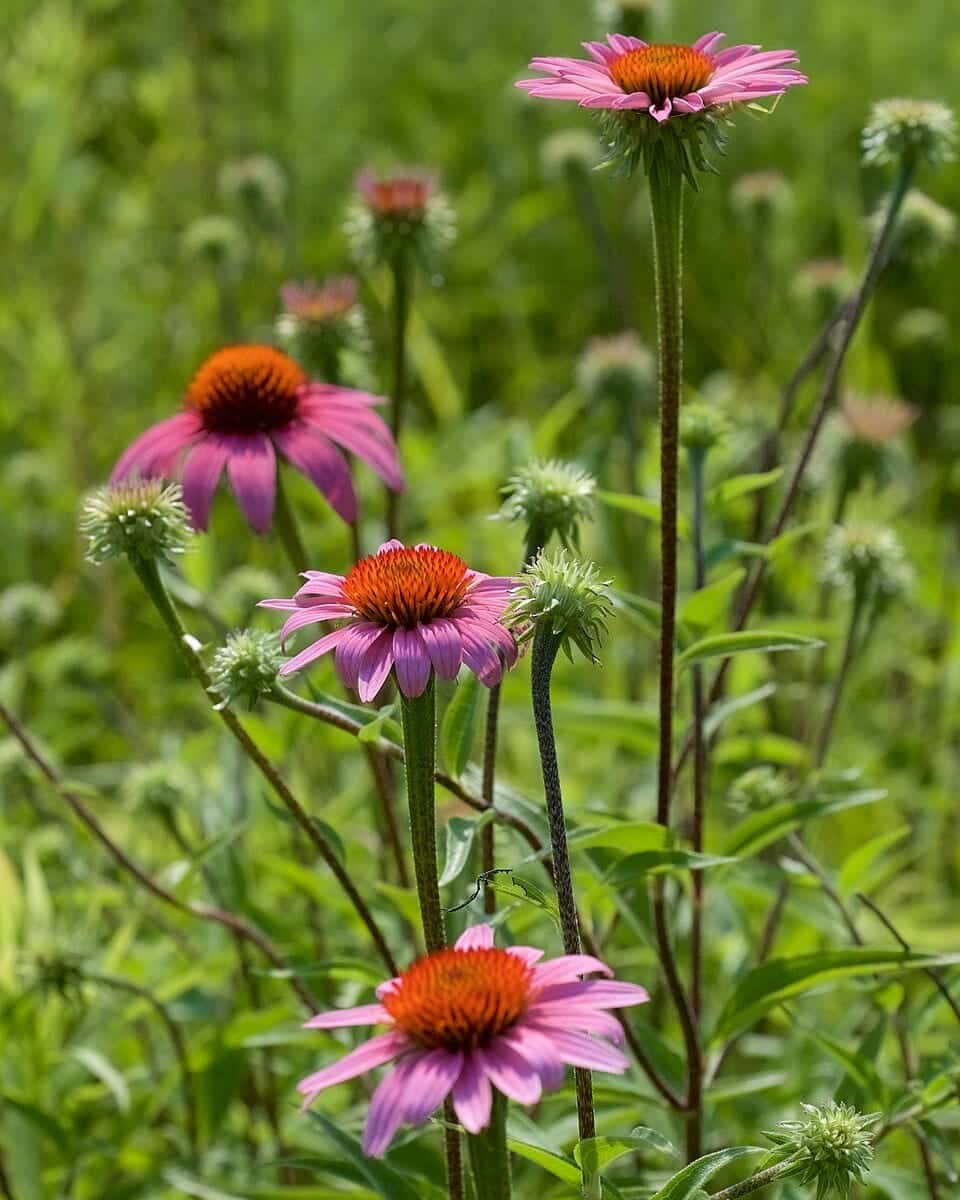
You saw it on a walk, in a friend's garden, or growing through a crack in the sidewalk, and now you cannot stop wondering: what is this plant? The good news is that most plants can be identified from a single good photo if you know which features actually matter. This guide walks through what to look at — and the fastest way to get a name.
Look at the Leaves First
Leaves are the single most useful feature for plant identification because they are present far more of the year than flowers or fruit. Pay attention to a few specific things:
- Shape — oval, heart-shaped, lobed (like an oak or maple), needle-like, or strap-like
- Edges — smooth, toothed like a saw, or deeply cut
- Arrangement — do leaves sit opposite each other on the stem, alternate, or in a rosette at the base?
- Surface — glossy, fuzzy, waxy, or covered in fine hairs
- Size and veins — the pattern of veins often narrows the family quickly
Then the Flowers
If the plant is flowering, that is a gift — flowers are how botanists confirm species. Note the color, the number of petals, whether the blooms sit alone or in clusters, and the overall shape (a flat daisy, a tube, a spike). Even a single clear photo of an open flower dramatically improves accuracy.
Check the Growth Habit and Setting
Step back and look at the whole plant. Is it a low groundcover, a shrub, a vine climbing something, or a full tree? Where is it growing — full sun, deep shade, wet ground, a dry rocky slope? Context narrows the field fast, because most plants are picky about where they live.
The Fastest Way: Point Your Camera
You do not need to memorize any of this. Spotter identifies plants — wildflowers, trees, shrubs, houseplants, weeds, and backyard growth — from a single photo, then hands you a full field guide: the species name, the key features that confirm it, whether it is native or invasive where you are, and the story behind it. It also covers animals, fungi, and rocks, so it is the one app to reach for whatever you find outdoors.
Try Spotter free on iPhone or Android
Plants, animals, fungi and rocks from one photo. 5 free identifications every day, no card required.


Tips for a Photo That Actually Gets Identified
- Get close and steady — fill the frame with the leaf or flower, in focus
- Shoot in good light, avoiding harsh shadows across the subject
- Add a second or third angle (a leaf, the whole plant, a flower close-up) for better accuracy
- Include something for scale when the size is not obvious
Plant identification is a skill that builds fast once you start paying attention to leaves, flowers, and habit. Until then — and honestly, even after — snapping a photo is the quickest path from curiosity to an answer.