FG-0044 · Wildlife · 6 species
Identifying Common Birds of Georgia
By Derek Gauger · Updated
Overview
Georgia's mix of Appalachian foothills, piedmont woodlands, and coastal marsh supports a rich resident bird community plus abundant migrants. Songbirds, woodpeckers, and wading birds are all easy to find.
This guide covers common and iconic Georgia birds — the field marks that identify them, their habitats, and where to look. Pair it with a photo and the app to confirm any bird you spot.
Key species to know
FG-0044.01
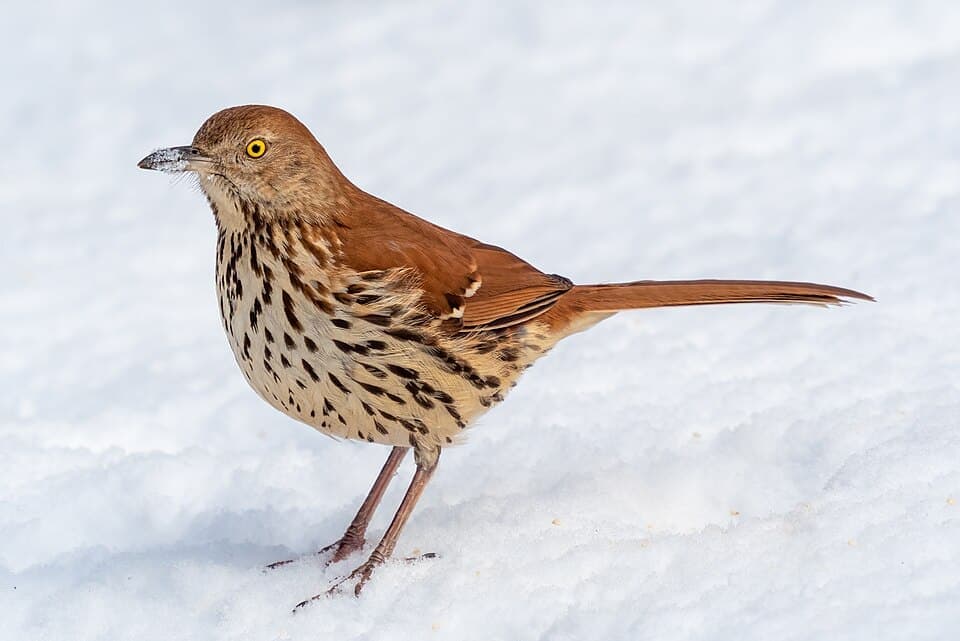
Brown Thrasher
Toxostoma rufum
Georgia's state bird — a slim, rusty-brown songbird with a long tail, streaked breast, and yellow eye. A prolific singer with an enormous song repertoire.
Habitat: Dense shrubs, thickets, and woodland edges.
FG-0044.02
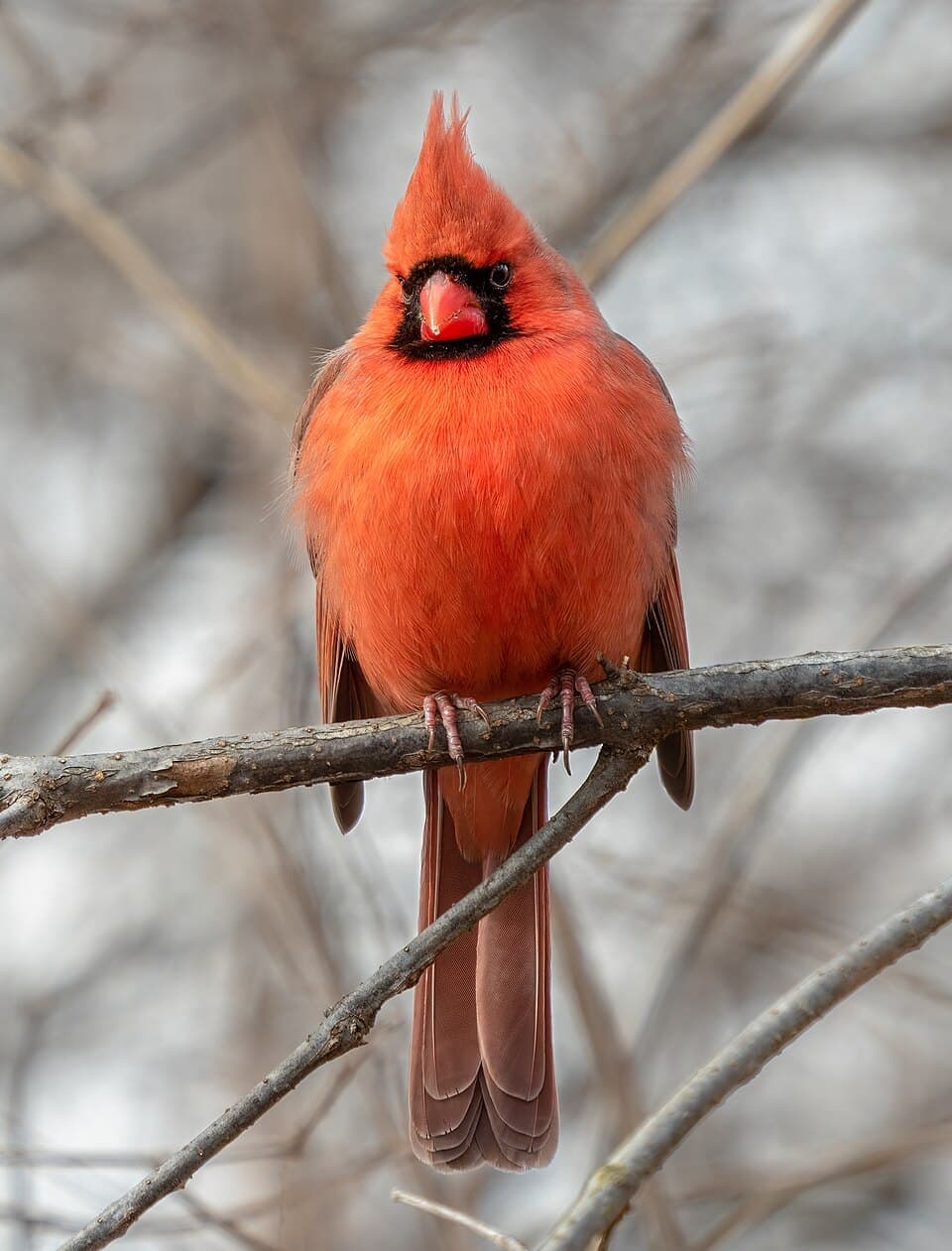
Northern Cardinal
Cardinalis cardinalis
The male is brilliant red with a black face and crest, the female warm buff with red highlights. A year-round backyard favorite.
Habitat: Backyards, thickets, and woodland edges statewide.
FG-0044.03
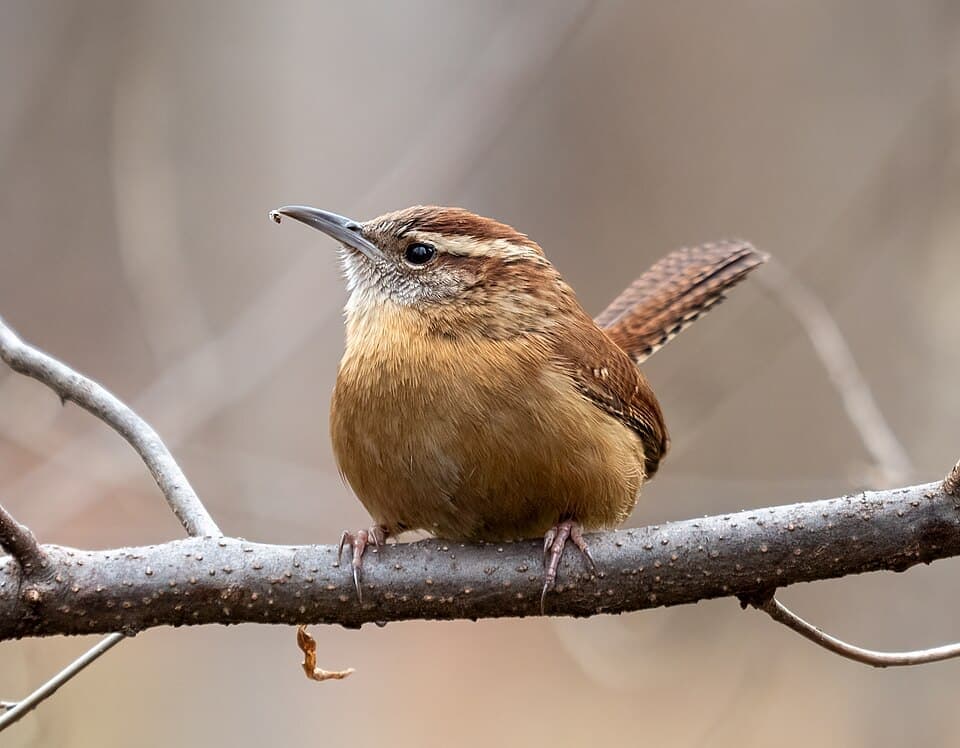
Carolina Wren
Thryothorus ludovicianus
A small, energetic rusty-brown wren with a bold white eyebrow and upturned tail, far louder than its size suggests. Sings a ringing "teakettle-teakettle."
Habitat: Brushy yards, woodpiles, and forest understory.
FG-0044.04
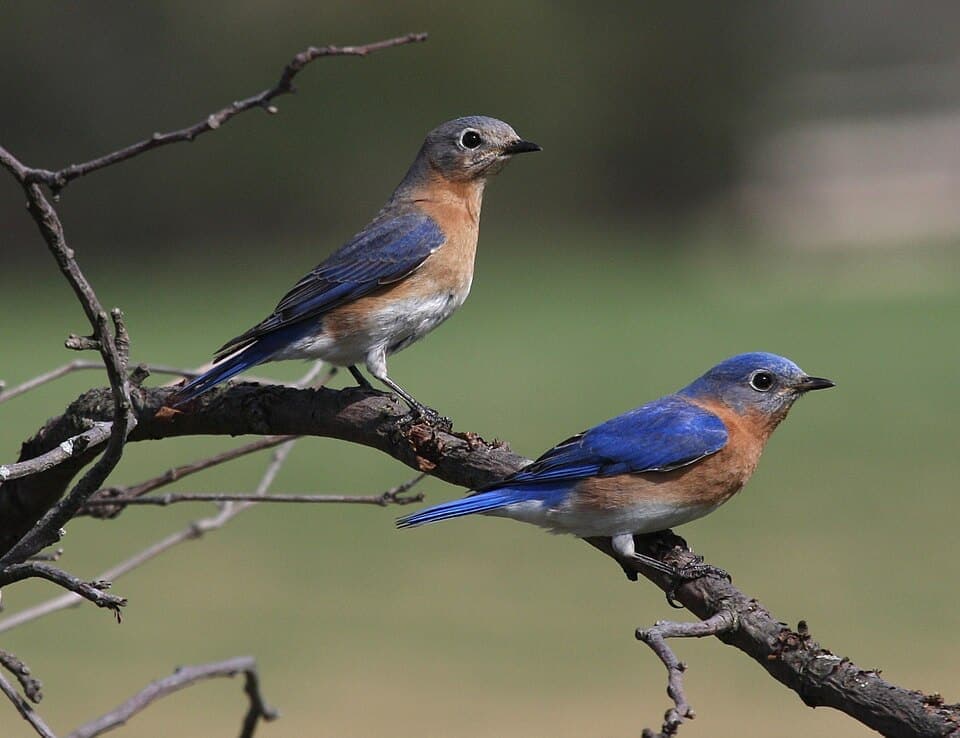
Eastern Bluebird
Sialia sialis
A small thrush with a brilliant blue back and rusty-orange breast, often perched on fences and nest boxes. Drops to the ground for insects.
Habitat: Open fields, orchards, and roadside edges.
FG-0044.05
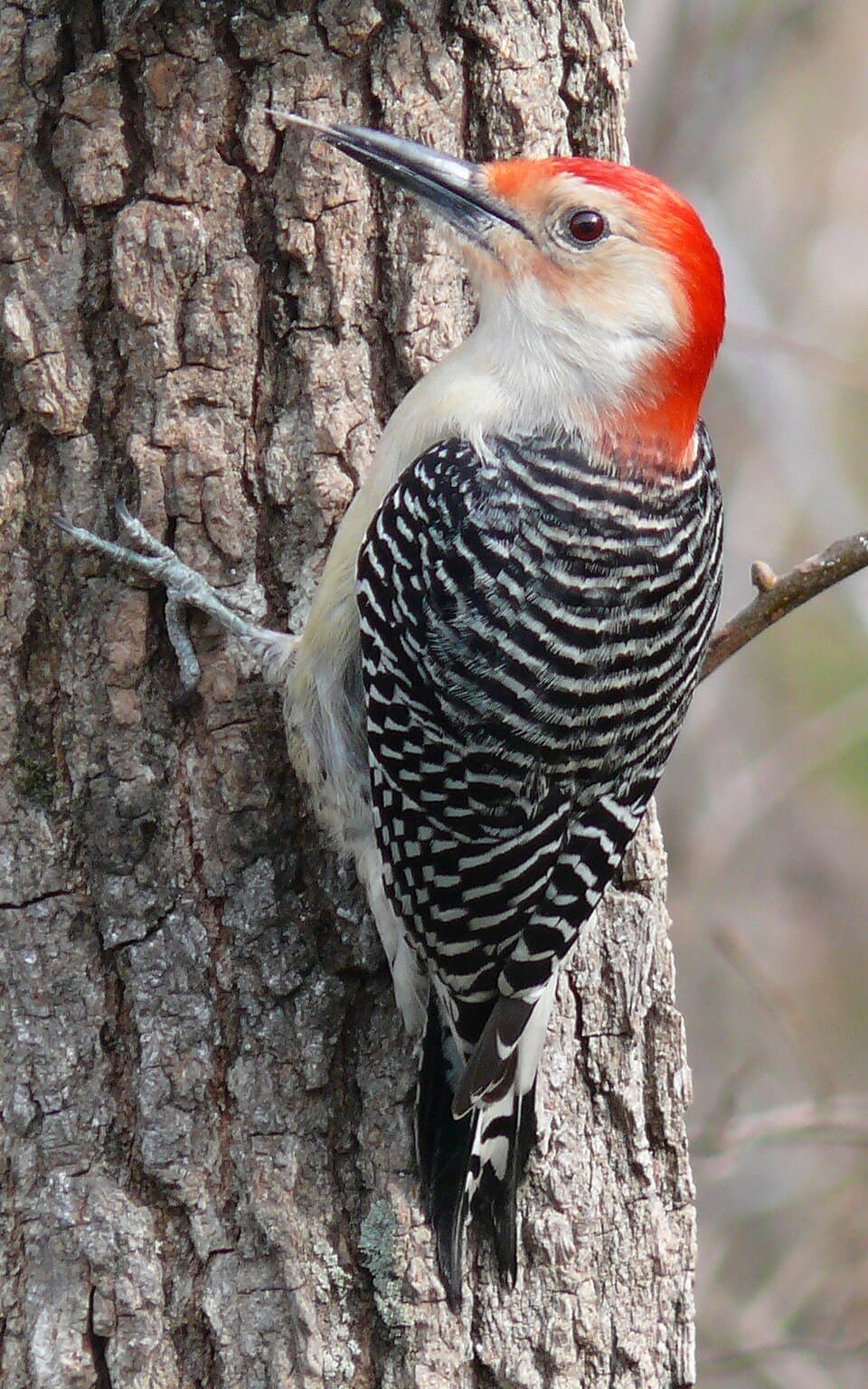
Red-bellied Woodpecker
Melanerpes carolinus
A medium woodpecker with a black-and-white barred back and a red cap (and nape). The faint reddish belly is rarely visible in the field.
Habitat: Woodlands, suburbs, and backyards with mature trees.
FG-0044.06
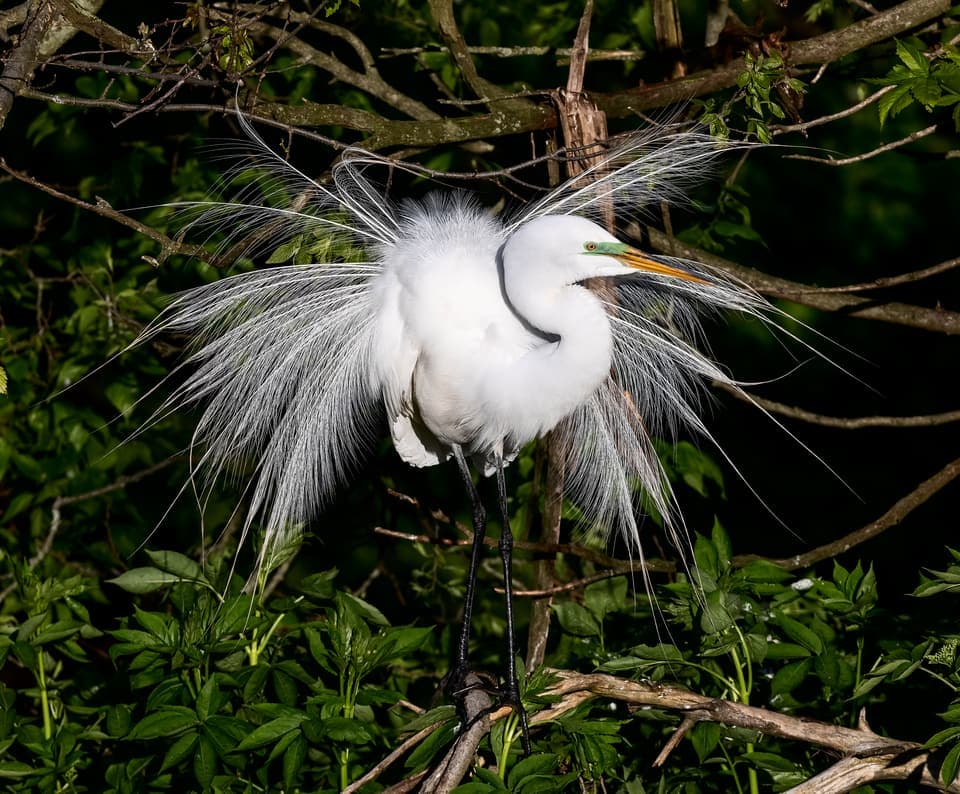
Great Egret
Ardea alba
A tall, elegant all-white wading bird with a yellow bill and black legs, hunting fish with slow, deliberate steps. Common on the coast and inland wetlands.
Habitat: Marshes, ponds, and coastal shallows.
Through the seasons
- Spring and fall migration bring warblers and other migrants through the woods.
- Early morning is the most active time for feeding and song.
- Coastal marshes and impoundments offer the easiest views of wading birds year-round.
Questions
- What is the state bird of Georgia?
- The brown thrasher — a rusty, long-tailed songbird of thickets and hedgerows, known for one of the largest song repertoires of any North American bird.
- How can I identify a bird I saw in Georgia?
- Note its size, shape, and field marks, then take a photo and use an app like Spotter to identify the species along with its habitat and range.
From Field Notes
Not sure what you found?
Take a photo with Spotter for the name, field marks, look-alikes and safety notes in seconds.


In this guide
- Species
- 6
- Region
- Georgia