FG-0024 · Wildlife · 6 species
Identifying Common Birds of Pennsylvania
By Derek Gauger · Updated
Overview
Pennsylvania's forests, farmland, and ridgelines host a rich mix of resident and migratory birds. The Appalachian ridges funnel thousands of migrating hawks each fall, and Hawk Mountain is a world-renowned raptor-watching site.
This guide covers common Pennsylvania birds — the field marks that identify them, their habitats, and where to look. Pair it with a photo and the app to confirm any bird you spot.
Key species to know
FG-0024.01
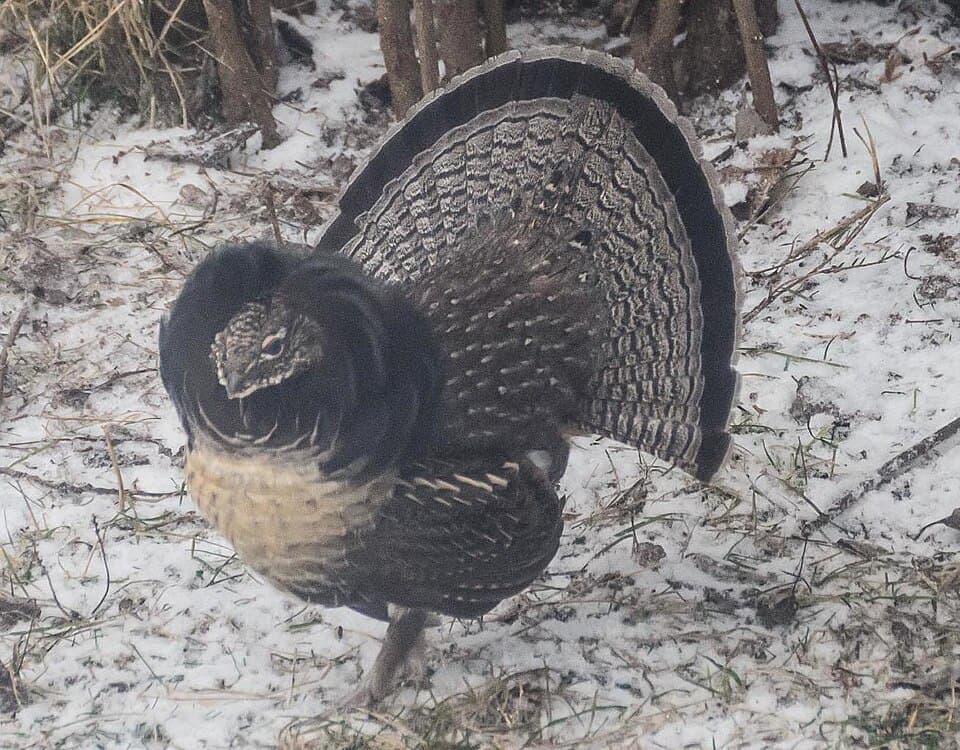
Ruffed Grouse
Bonasa umbellus
Pennsylvania's state bird — a chunky, mottled brown-and-gray forest bird with a fan-shaped tail. Secretive; males "drum" with their wings in spring, a sound felt as much as heard.
Habitat: Young forests, brushy woodland, and thickets across the state.
FG-0024.02
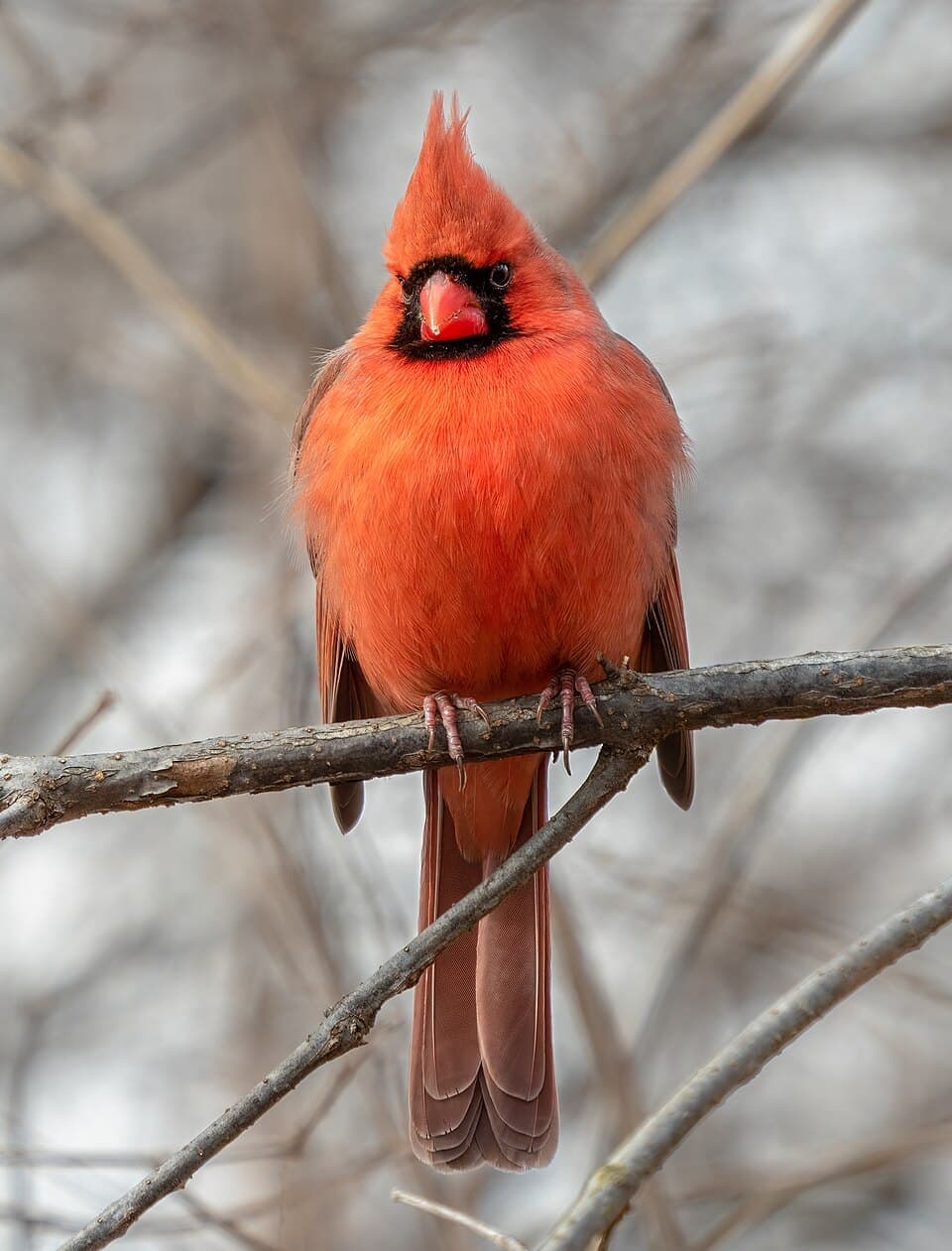
Northern Cardinal
Cardinalis cardinalis
A crested songbird with males brilliant red and a black face, females warm buff. A common, year-round backyard visitor with a clear whistled song.
Habitat: Woodland edges, gardens, and thickets statewide.
FG-0024.03
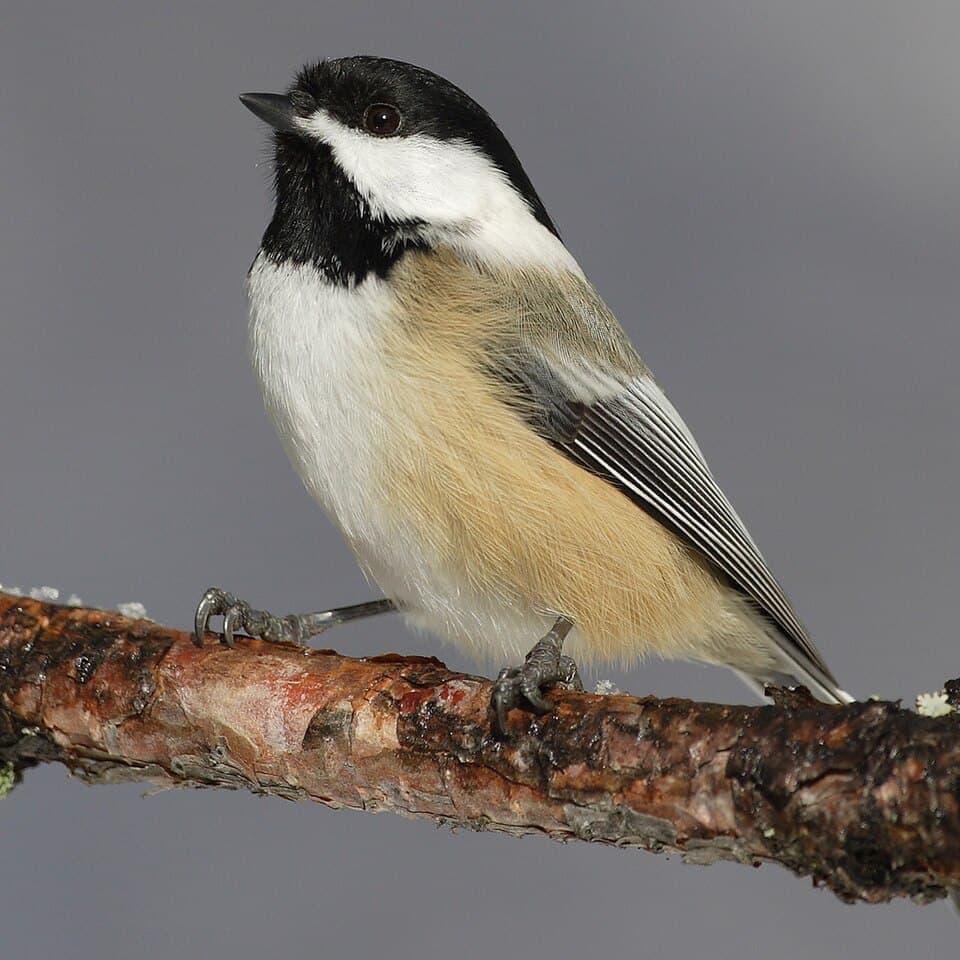
Black-capped Chickadee
Poecile atricapillus
A tiny, tame bird with a black cap and bib, white cheeks, and buffy sides. Bold at feeders and named for its "chick-a-dee-dee" call.
Habitat: Woodlands, parks, and backyards throughout Pennsylvania.
FG-0024.04
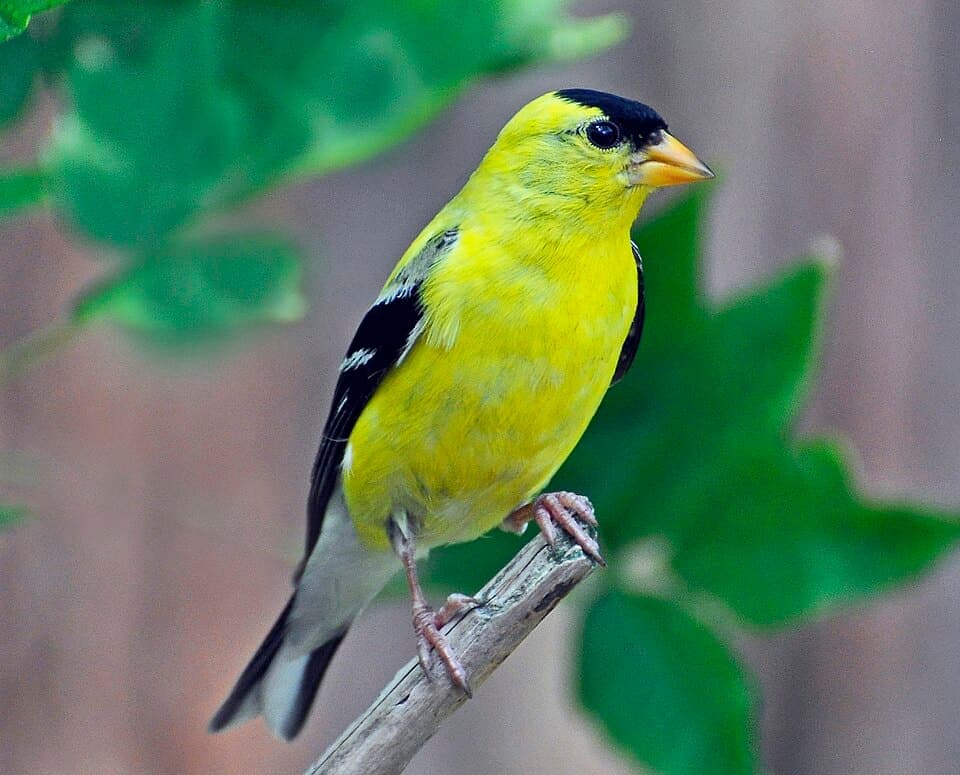
American Goldfinch
Spinus tristis
A small finch; breeding males are bright lemon-yellow with black cap and wings, dull olive in winter. Flies in a bouncy, undulating path and favors thistle seed.
Habitat: Weedy fields, gardens, and roadsides statewide.
FG-0024.05
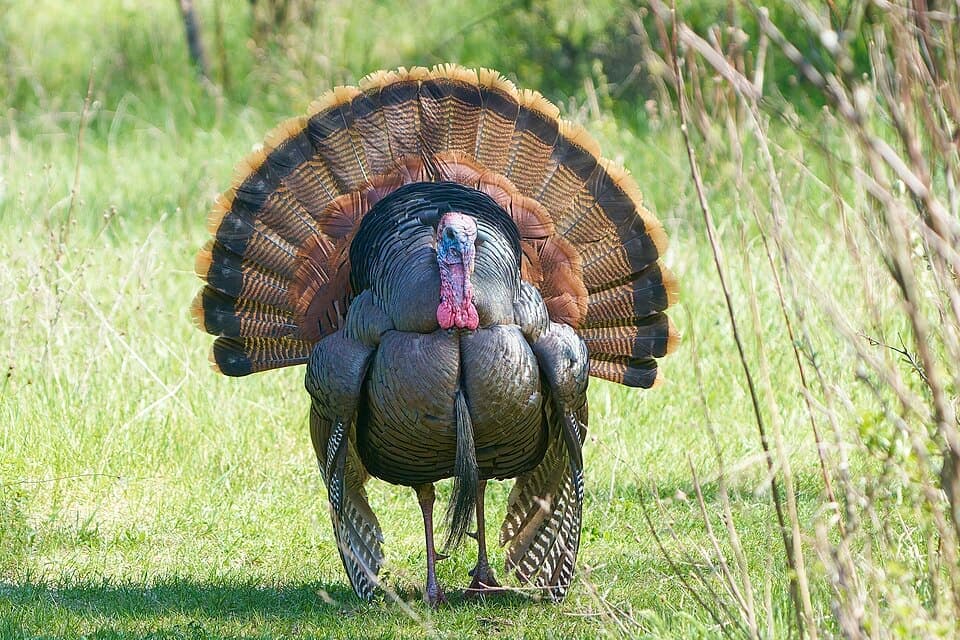
Wild Turkey
Meleagris gallopavo
A large, dark, iridescent game bird with a bare head and fanned tail; males gobble and strut in spring. Common in woodlots and field edges across the state.
Habitat: Forests, farmland, and woodland edges throughout Pennsylvania.
FG-0024.06
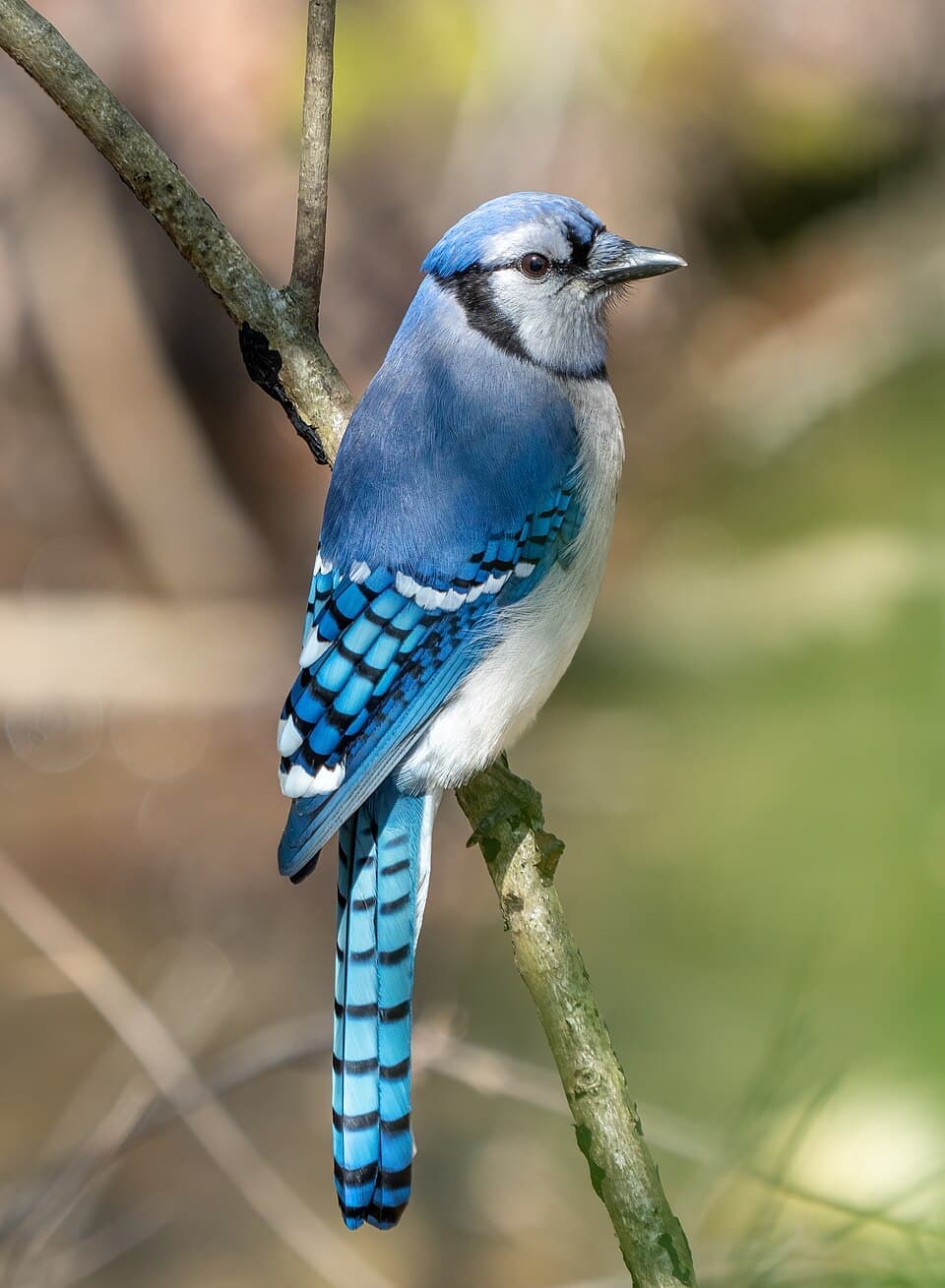
Blue Jay
Cyanocitta cristata
A bold, crested blue-and-white bird with black necklace markings. Loud and intelligent, it hoards acorns and often mimics hawk calls.
Habitat: Woodlands, parks, and suburbs throughout the state.
Through the seasons
- Fall hawk migration along the Kittatinny Ridge (Hawk Mountain) peaks September–November.
- Early morning is the most active time for feeding and song.
- Winter feeders draw chickadees, cardinals, nuthatches, and finches to close view.
Questions
- What is the state bird of Pennsylvania?
- The ruffed grouse is the state bird of Pennsylvania — a secretive forest bird known for the drumming display of the males.
- How can I identify a bird I saw in Pennsylvania?
- Note its size, shape, and field marks, then take a photo and use an app like Spotter to identify the species along with its habitat and range.
From Field Notes
Not sure what you found?
Take a photo with Spotter for the name, field marks, look-alikes and safety notes in seconds.


In this guide
- Species
- 6
- Region
- Pennsylvania