FG-0026 · Wildlife · 6 species
Identifying Common Birds of New York
By Derek Gauger · Updated
Overview
From the Adirondack forests to Long Island's shores to the parks of New York City, the Empire State offers a wide range of birds within easy reach. Even Central Park is a celebrated migration hotspot each spring and fall.
This guide covers common New York birds — the field marks that identify them, their habitats, and where to look. Pair it with a photo and the app to confirm any bird you spot.
Key species to know
FG-0026.01
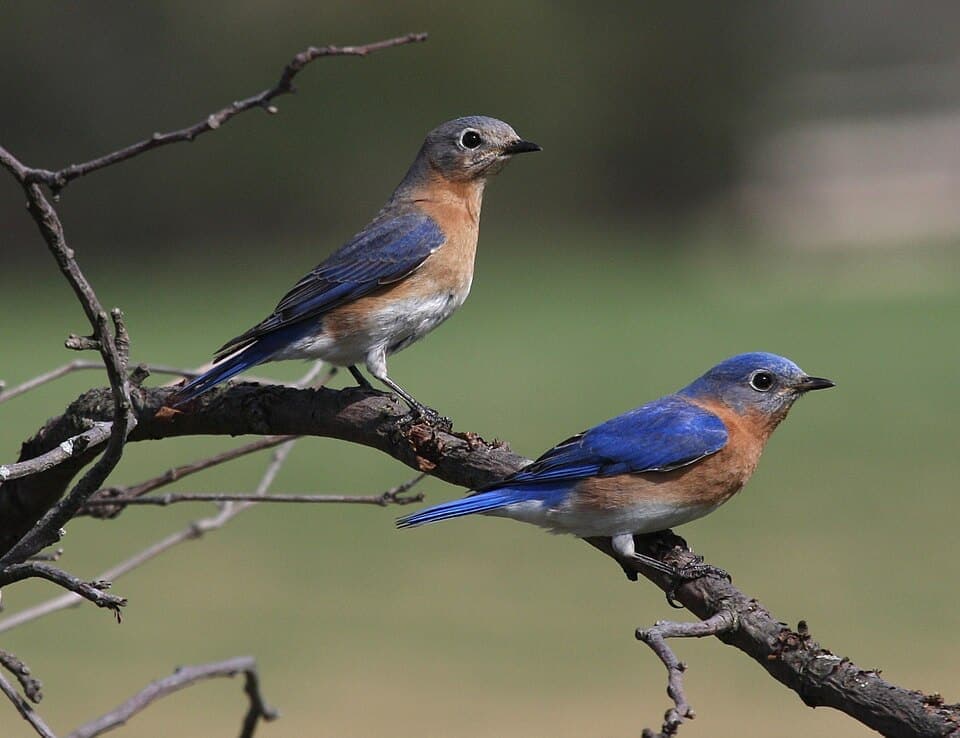
Eastern Bluebird
Sialia sialis
New York's state bird — a small thrush; the male deep blue above with a rusty-orange breast, the female grayer. Often perches on fences and nest boxes in open country.
Habitat: Open fields, orchards, and farmland edges upstate.
FG-0026.02
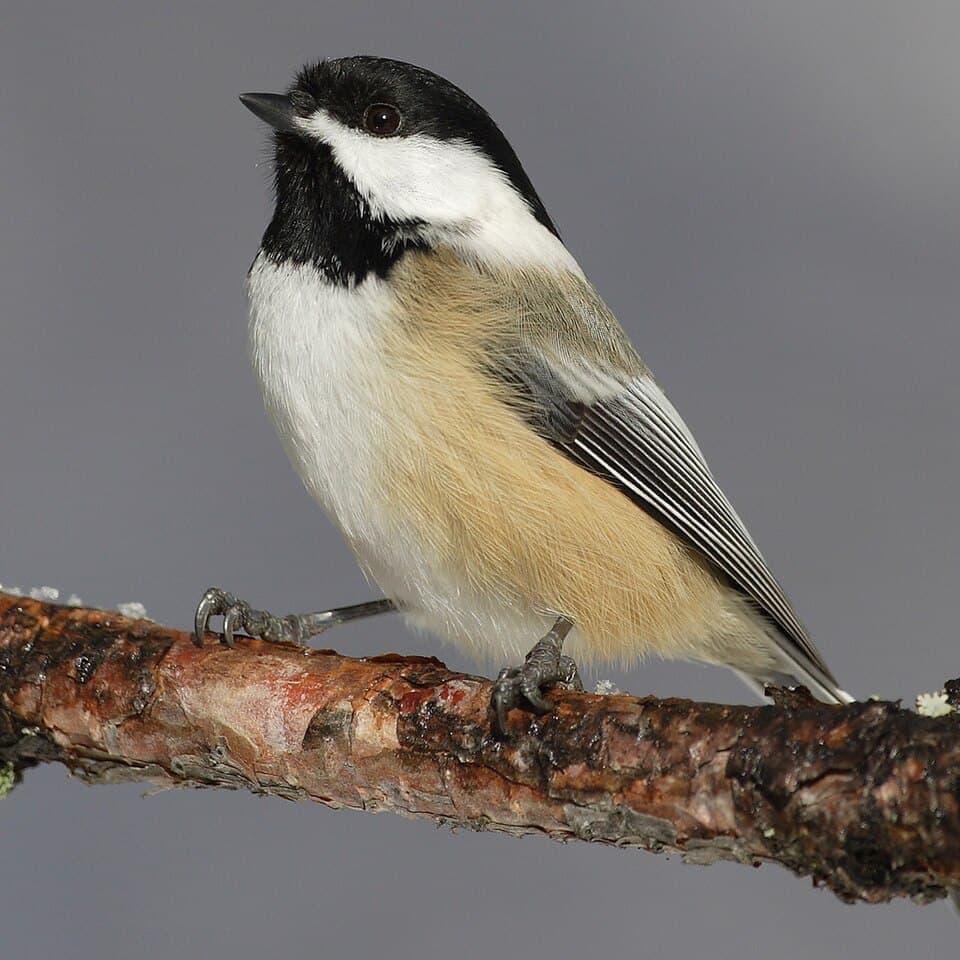
Black-capped Chickadee
Poecile atricapillus
A tiny, tame bird with a black cap and bib, white cheeks, and buffy sides. Bold at feeders and named for its "chick-a-dee-dee" call.
Habitat: Woodlands, parks, and backyards throughout the state.
FG-0026.03
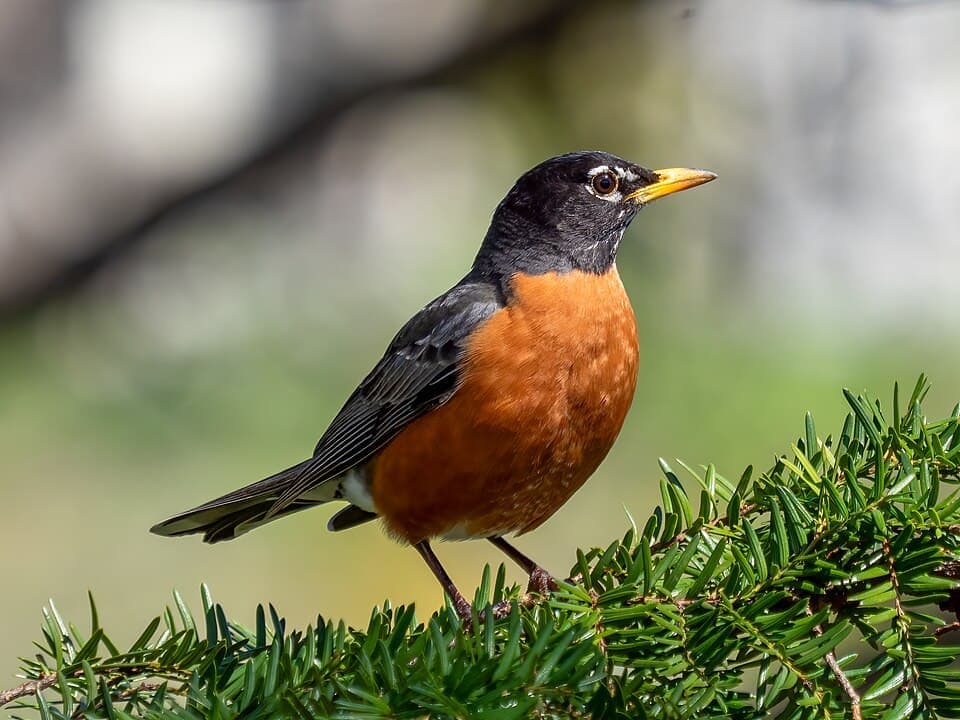
American Robin
Turdus migratorius
A familiar thrush with a gray back and brick-orange breast, seen running and pausing across lawns. Among the earliest and most conspicuous spring songbirds.
Habitat: Lawns, parks, gardens, and open woodland statewide.
FG-0026.04
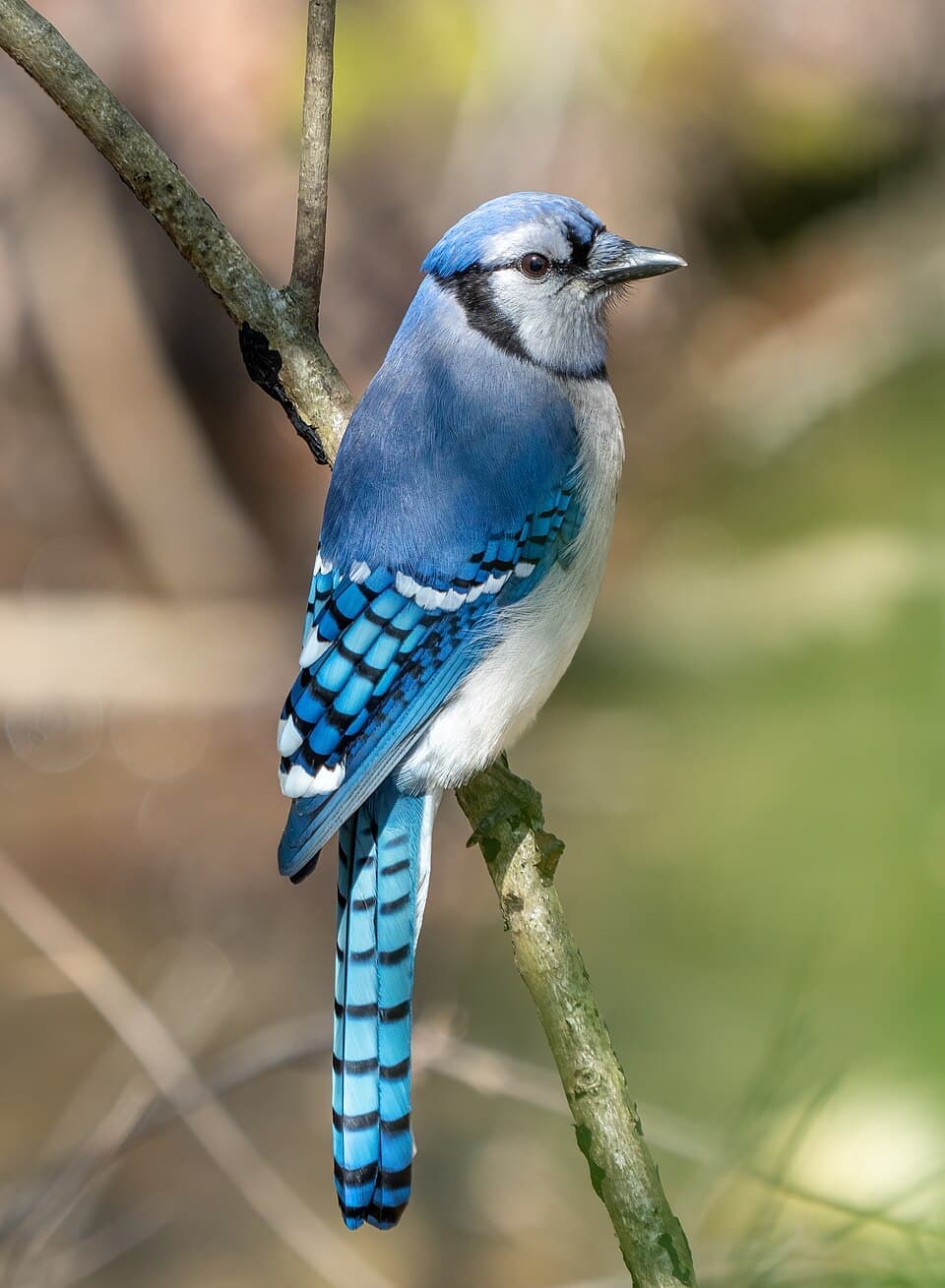
Blue Jay
Cyanocitta cristata
A bold, crested blue-and-white bird with black necklace markings. Loud and intelligent, it hoards acorns and often mimics hawk calls.
Habitat: Woodlands, parks, and suburbs throughout New York.
FG-0026.05
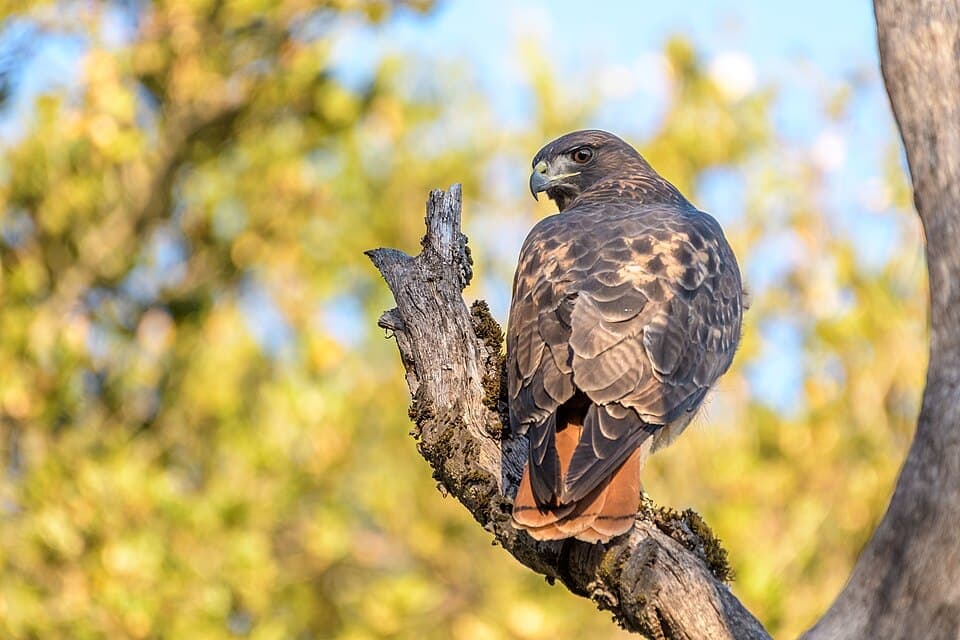
Red-tailed Hawk
Buteo jamaicensis
A large, broad-winged hawk, usually pale below with a brick-red tail in adults. Common statewide — including famous city nesters like "Pale Male" in Manhattan — and often seen soaring or perched near highways.
Habitat: Open country, woodland edges, and city parks statewide.
FG-0026.06
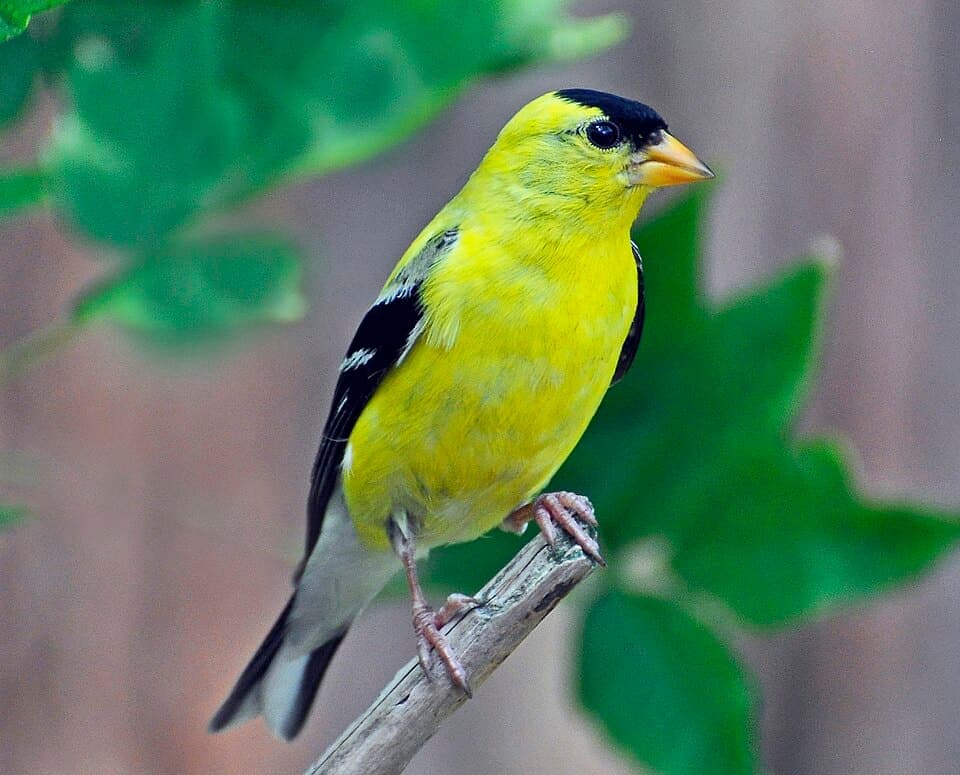
American Goldfinch
Spinus tristis
A small finch; breeding males are bright lemon-yellow with black cap and wings, dull olive in winter. Flies in a bouncy, undulating path and favors thistle seed.
Habitat: Weedy fields, gardens, and roadsides statewide.
Through the seasons
- Spring migration (April–May) fills parks and woodlands with warblers and other songbirds.
- Early morning is the most active time for feeding and song.
- Winter feeders draw chickadees, cardinals, juncos, and finches to close view.
Questions
- What is the state bird of New York?
- The eastern bluebird is the state bird of New York — a small blue-and-orange thrush of open fields and farmland.
- How can I identify a bird I saw in New York?
- Note its size, shape, and field marks, then take a photo and use an app like Spotter to identify the species along with its habitat and range.
From Field Notes
- How to Identify a Blue Jay (Field Marks and Calls)
- What Is the Tiny Bird With the Black Cap and Bib at My Feeder? Identifying Chickadees
- What Is the Big Hawk on the Fence Post or Soaring Over the Highway? Identifying the Red-Tailed Hawk
- What Is the Bright Yellow Bird at My Feeder? Identifying the American Goldfinch
Not sure what you found?
Take a photo with Spotter for the name, field marks, look-alikes and safety notes in seconds.


In this guide
- Species
- 6
- Region
- New York