FG-0053 · Wildlife · 6 species
Identifying Common Birds of Virginia
By Derek Gauger · Updated
Overview
Virginia stretches from the Blue Ridge to the Chesapeake Bay, giving it mountain songbirds, piedmont backyard regulars, and coastal waterbirds alike. There is rewarding birding in every corner and season.
This guide covers common and iconic Virginia birds — the field marks that identify them, their habitats, and where to look. Pair it with a photo and the app to confirm any bird you spot.
Key species to know
FG-0053.01
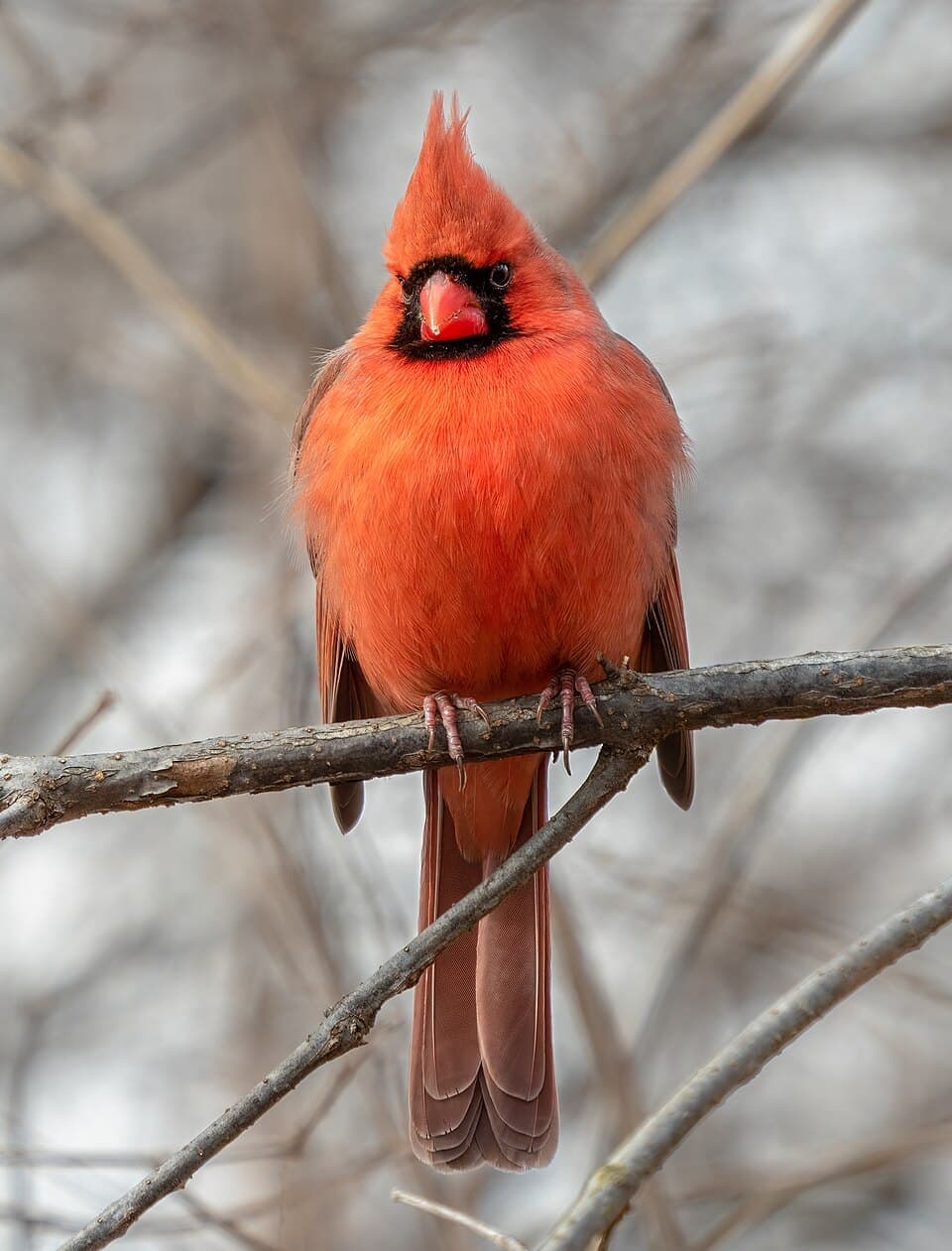
Northern Cardinal
Cardinalis cardinalis
Virginia's state bird — the male is brilliant red with a black face and crest, the female warm buff with red highlights. A year-round backyard favorite.
Habitat: Backyards, thickets, and woodland edges statewide.
FG-0053.02
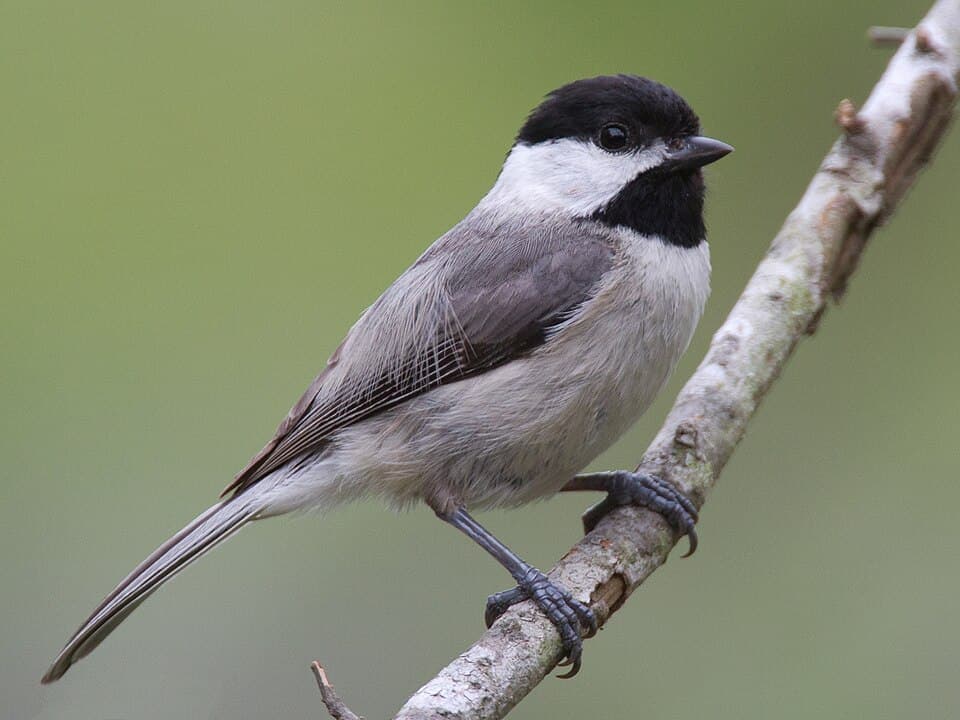
Carolina Chickadee
Poecile carolinensis
A tiny, tame bird with a black cap and bib, white cheeks, and soft gray back. Bold at feeders and constantly calling its buzzy "chick-a-dee-dee."
Habitat: Woodlands, suburbs, and backyard feeders.
FG-0053.03
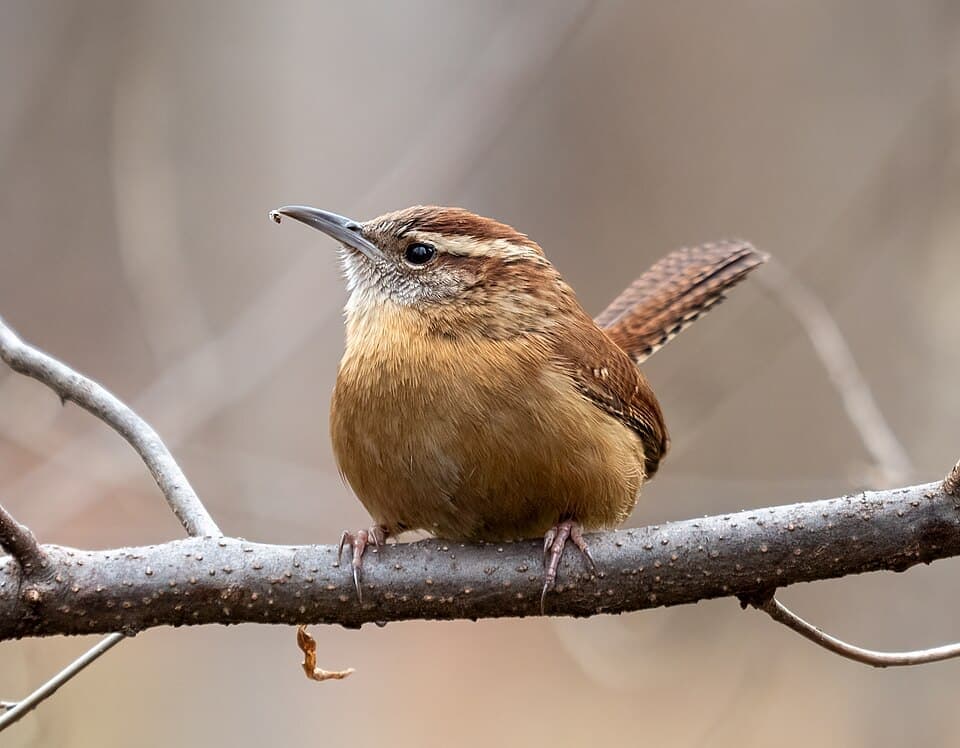
Carolina Wren
Thryothorus ludovicianus
A small, energetic rusty-brown wren with a bold white eyebrow and upturned tail, far louder than its size suggests. Sings a ringing "teakettle-teakettle."
Habitat: Brushy yards, woodpiles, and forest understory.
FG-0053.04
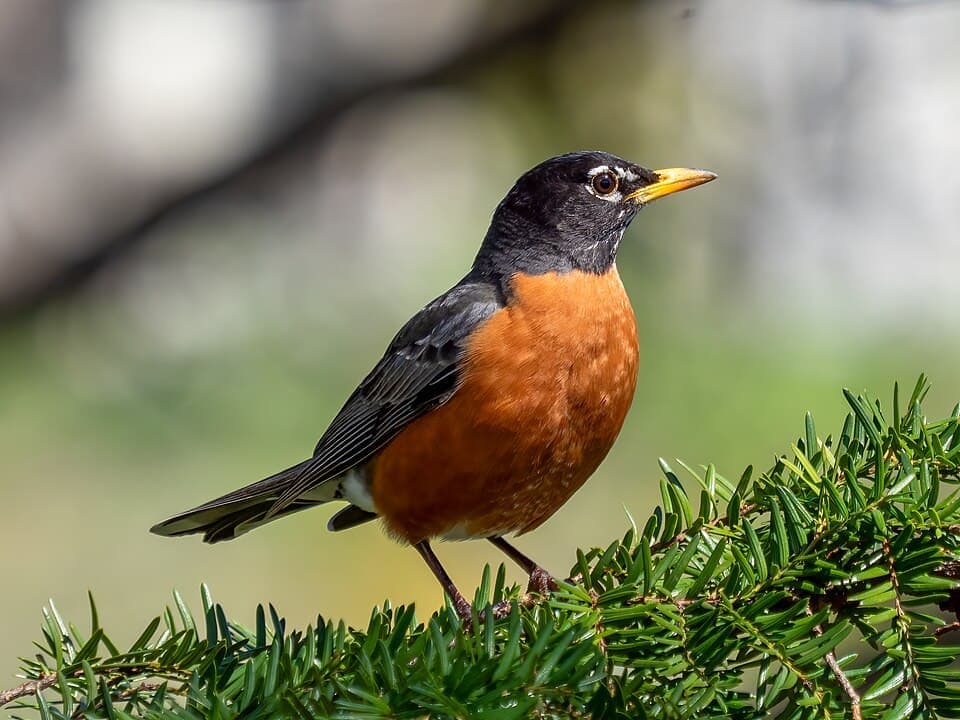
American Robin
Turdus migratorius
A familiar thrush with a gray back and brick-red breast, often on lawns hunting worms. Its caroling is a classic sound of spring.
Habitat: Lawns, parks, and open woodlands.
FG-0053.05
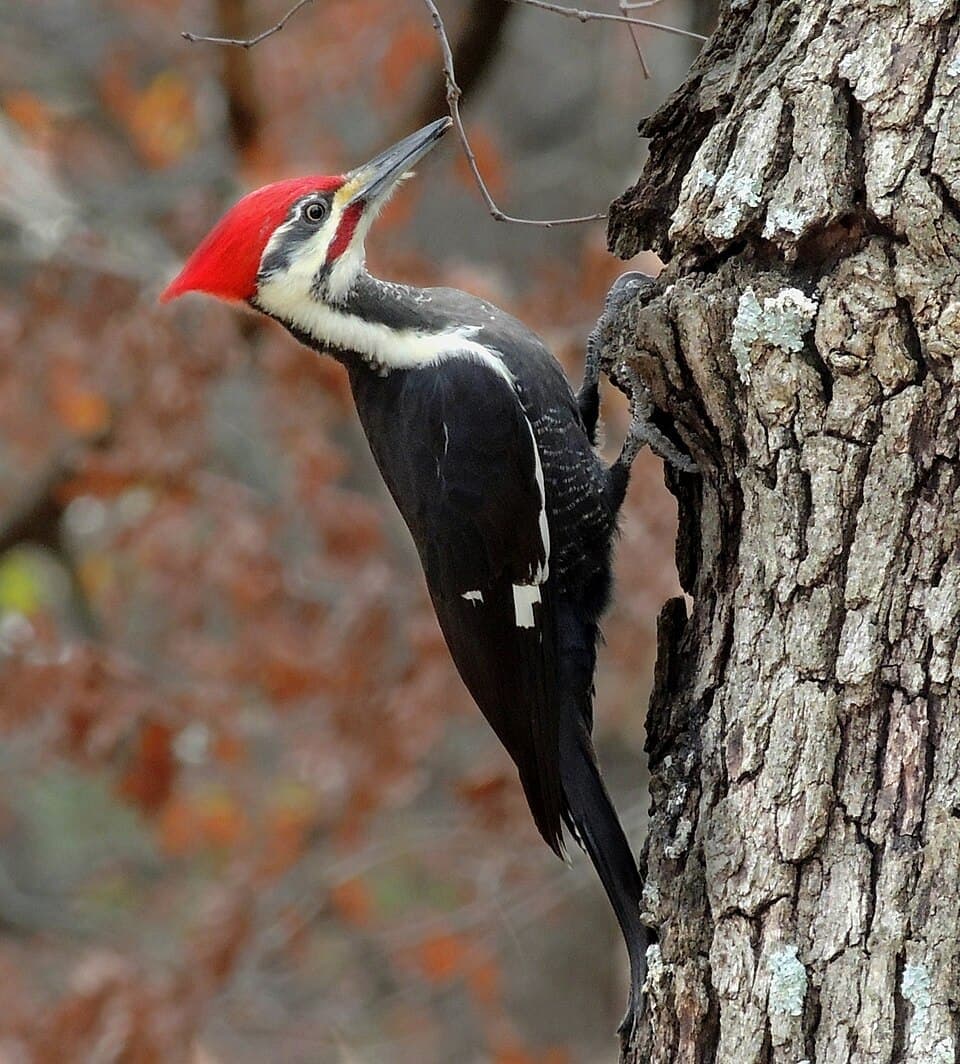
Pileated Woodpecker
Dryocopus pileatus
A spectacular crow-sized woodpecker, black with bold white neck stripes and a flaming red crest. Chisels rectangular holes in dead trees.
Habitat: Mature forests and wooded suburbs.
FG-0053.06
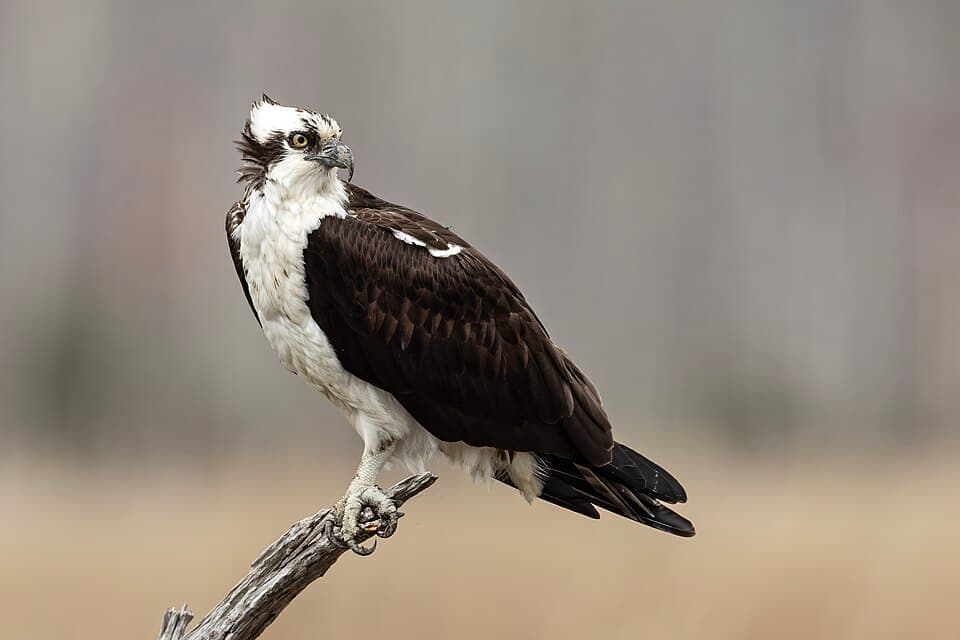
Osprey
Pandion haliaetus
A large fish-eating raptor, brown above and white below with a dark eye-stripe, often hovering over water or nesting on platforms and channel markers.
Habitat: The Chesapeake Bay, rivers, and reservoirs.
Through the seasons
- Spring and fall migration bring warblers to the mountains and shorebirds to the coast.
- Early morning is the most active time for feeding and song.
- Ospreys return to the Chesapeake in spring and are easy to watch nesting through summer.
Questions
- What is the state bird of Virginia?
- The northern cardinal — a bright red year-round resident common at feeders and in thickets across the state.
- How can I identify a bird I saw in Virginia?
- Note its size, shape, and field marks, then take a photo and use an app like Spotter to identify the species along with its habitat and range.
From Field Notes
Not sure what you found?
Take a photo with Spotter for the name, field marks, look-alikes and safety notes in seconds.


In this guide
- Species
- 6
- Region
- Virginia