FG-0055 · Wild Plants · 6 species
Identifying Trees in Florida
By Derek Gauger · Updated
Overview
Florida's warm, wet climate supports everything from pine flatwoods to cypress swamp to subtropical hammock. A few palm, needle, and leaf clues make its common trees easy to tell apart.
This guide covers common and iconic Florida trees — how to tell them apart by leaf, bark, and habit. Pair it with a photo of the foliage or bark and the app to confirm any tree you find.
Key species to know
FG-0055.01
Cabbage Palm
Sabal palmetto
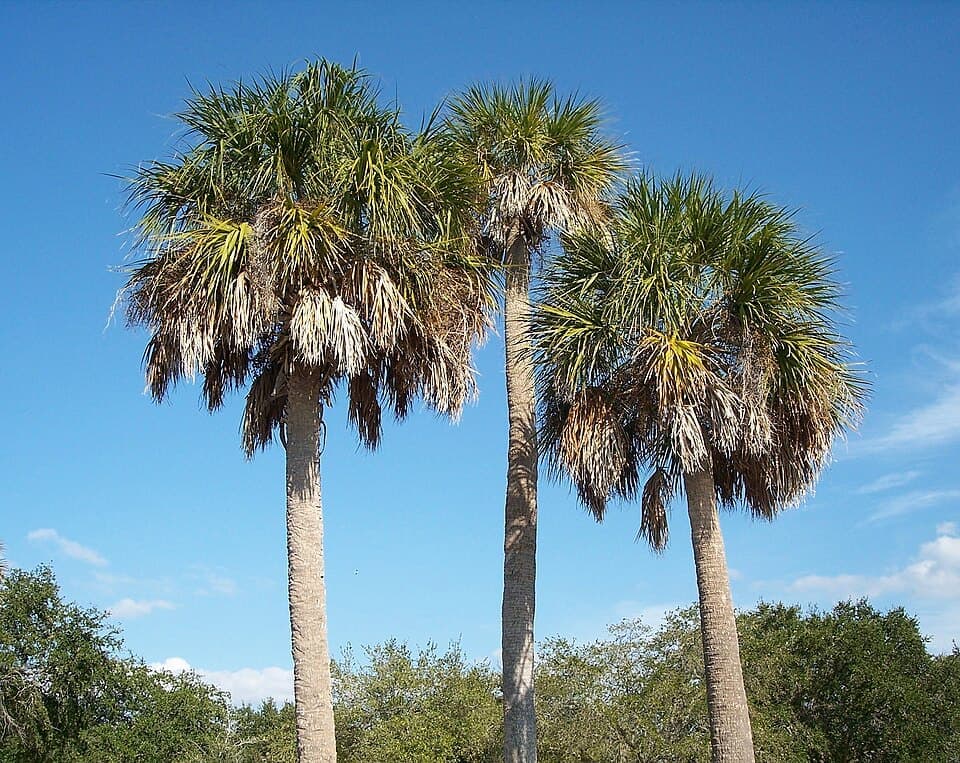
The Florida state tree — a fan palm with large, folded palmate fronds and a rough, often "boot"-covered trunk. The most abundant palm in the state.
Habitat: Hammocks, coastal edges, and roadsides statewide.
FG-0055.02
Southern Live Oak
Quercus virginiana
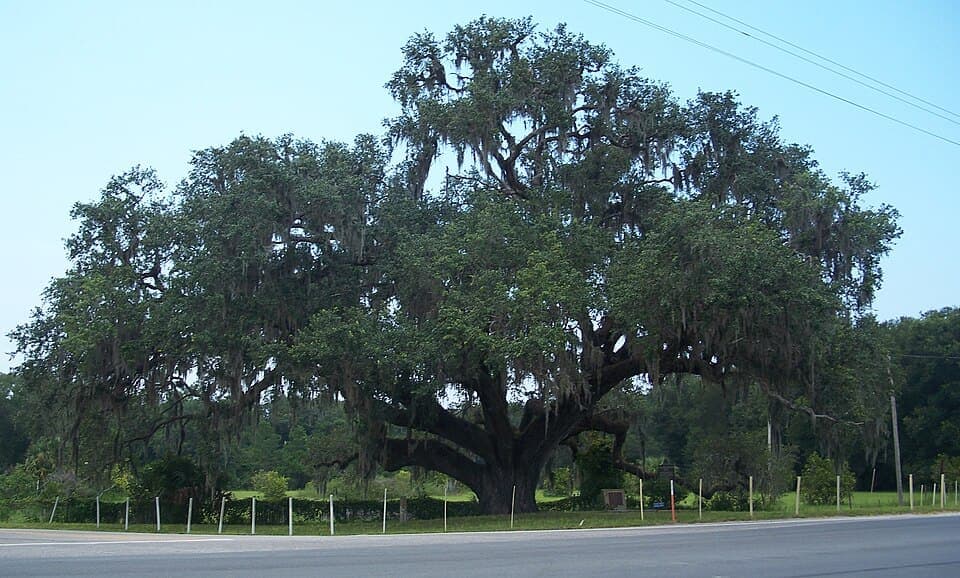
A massive, spreading evergreen oak with small, leathery oval leaves and wide limbs often draped in Spanish moss. A defining tree of Florida yards and parks.
Habitat: Hammocks, old towns, and parks statewide.
FG-0055.03
Southern Magnolia
Magnolia grandiflora
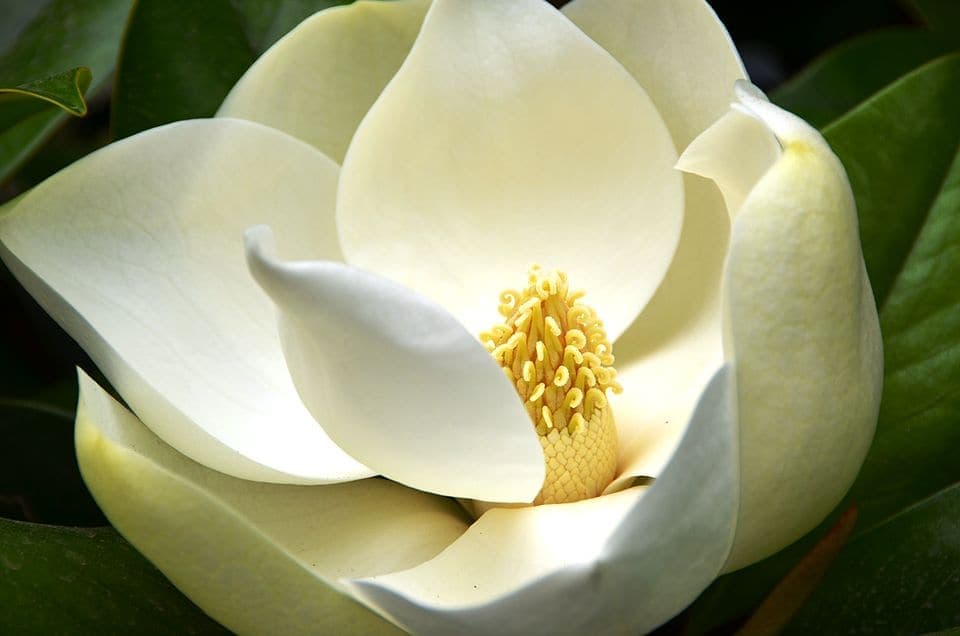
A stately evergreen with large, glossy dark-green leaves (rusty beneath) and huge, fragrant creamy-white flowers in late spring.
Habitat: Rich woods, yards, and streamsides across the north and central state.
FG-0055.04
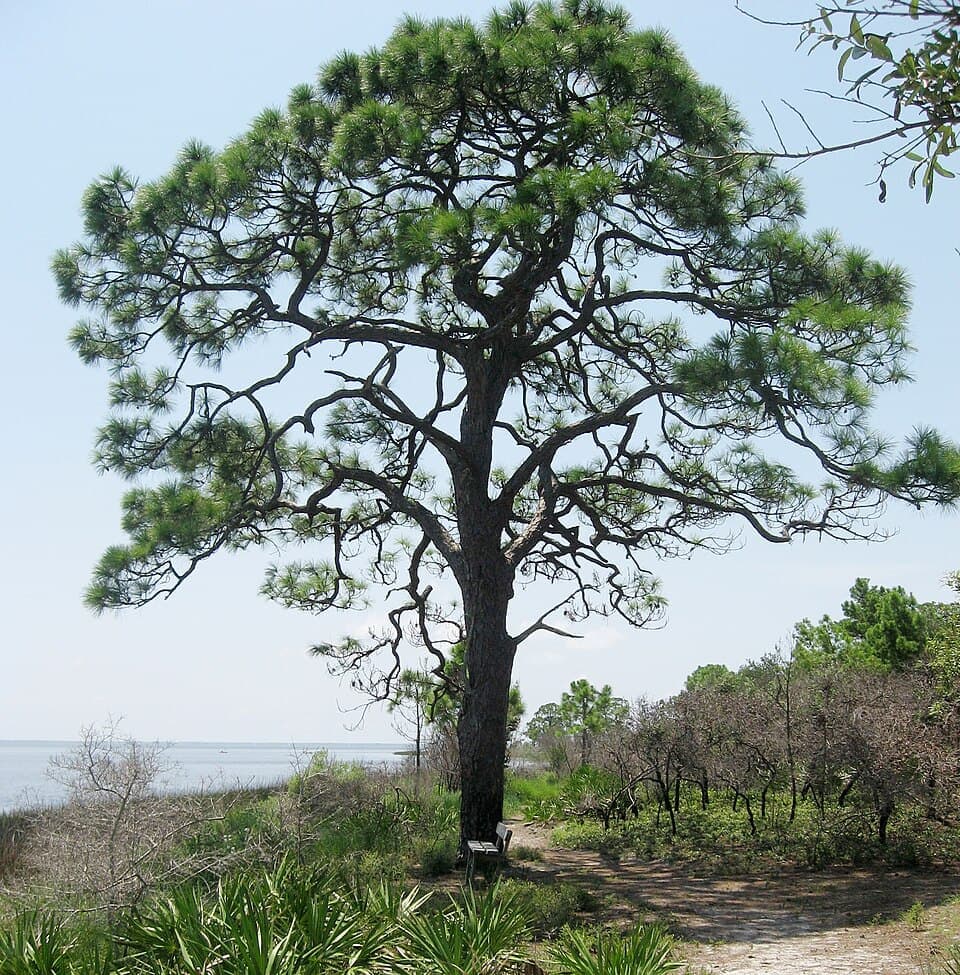
Slash Pine
Pinus elliottii
A tall pine with glossy needles in bundles of two and three and platy reddish bark, dominating Florida's flatwoods and plantations.
Habitat: Flatwoods, wet lowlands, and plantations.
FG-0055.05
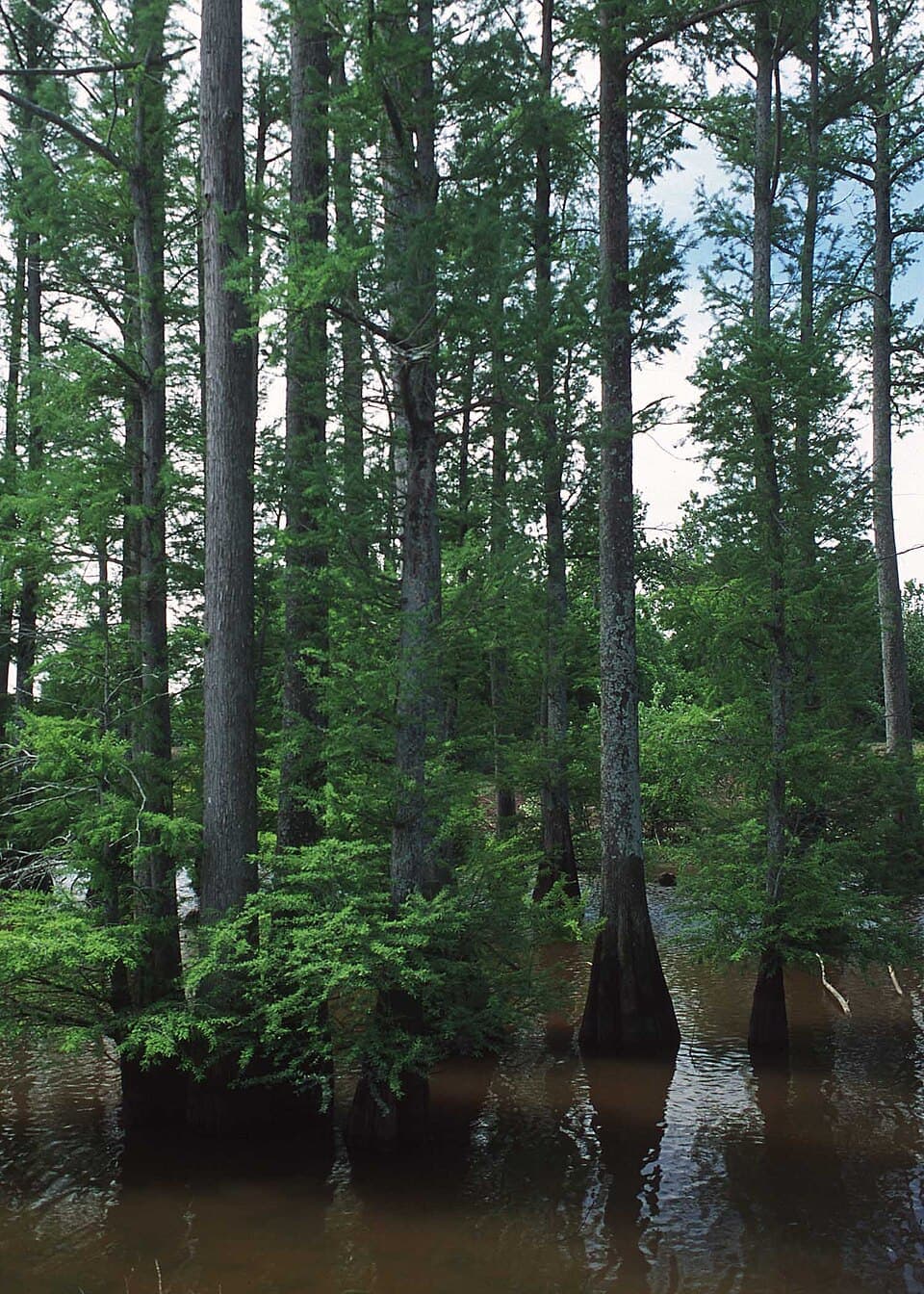
Bald Cypress
Taxodium distichum
A deciduous conifer of southern swamps with feathery needles that turn rusty in fall and distinctive "knees" rising from the water around its base.
Habitat: River swamps, sloughs, and pond margins.
FG-0055.06
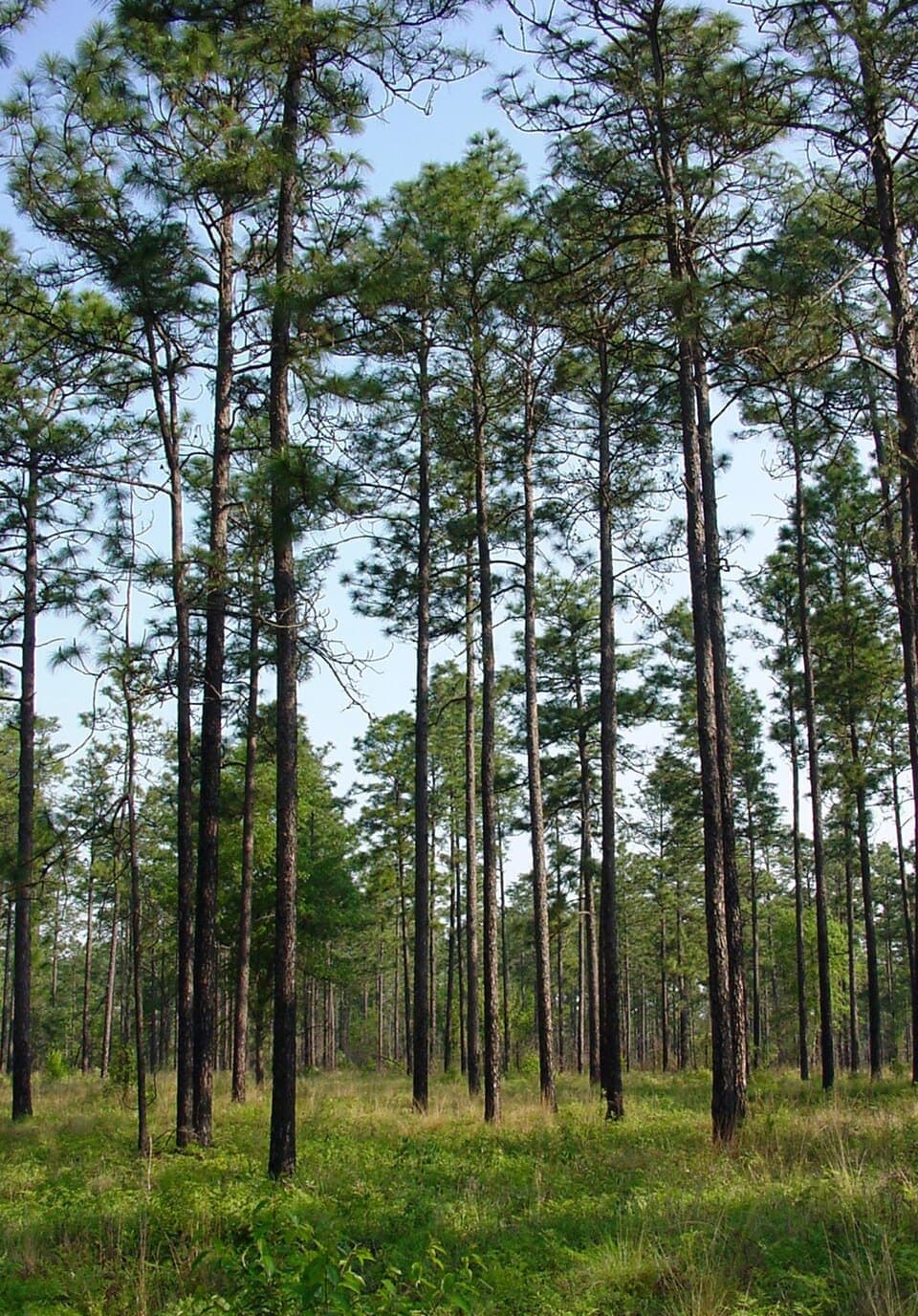
Longleaf Pine
Pinus palustris
A pine with very long needles in bundles of three and large cones, once dominant across the coastal plain. A "grass-stage" seedling looks like a tuft of grass.
Habitat: Sandy uplands and restored longleaf savannas.
Through the seasons
- Late spring: southern magnolia opens its huge white flowers.
- Fall: bald cypress turns rusty-orange in the swamps while pines and palms stay green.
- Winter: evergreen live oak, magnolia, and palms keep Florida green year-round.
Questions
- What is the state tree of Florida?
- The cabbage palm (Sabal palmetto) — the most common and widespread palm in Florida, found from coastal dunes to inland hammocks.
- How can I tell Florida's pines apart?
- Compare needle length and bundle count: slash pine has glossy needles in twos and threes, while longleaf pine has very long needles in threes and much larger cones. Photograph the needles and cone and use an app like Spotter to confirm.
From Field Notes
Not sure what you found?
Take a photo with Spotter for the name, field marks, look-alikes and safety notes in seconds.


In this guide
- Species
- 6
- Region
- Florida