FG-0071 · Wildflowers · 6 species
Wildflowers of Minnesota
By Derek Gauger · Updated
Overview
Minnesota's wildflowers span tallgrass prairie in the south and west and north-woods forest and bog in the northeast. The season opens with prairie pasque flowers and builds to summer prairie and the rare, protected lady's slipper orchids.
This guide covers common and iconic Minnesota wildflowers — how to recognize them and when they bloom. Photograph the flower and leaves and use the app to confirm any bloom you find.
Key species to know
FG-0071.01
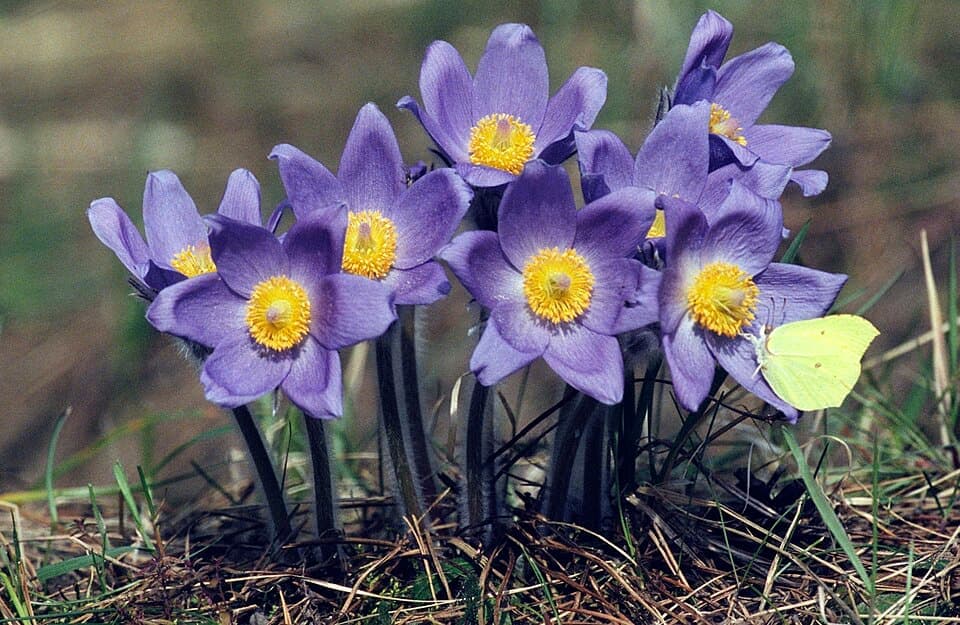
Pasque Flower
Pulsatilla patens
ToxicApril–May
One of the earliest prairie flowers — cup-shaped lavender blooms wrapped in silky, silvery hairs, opening while the grass is still brown.
Habitat: Dry prairies, bluffs, and gravelly hillsides.
Fresh pasque flower is toxic and irritating to skin. Do not eat or handle roughly.
FG-0071.02
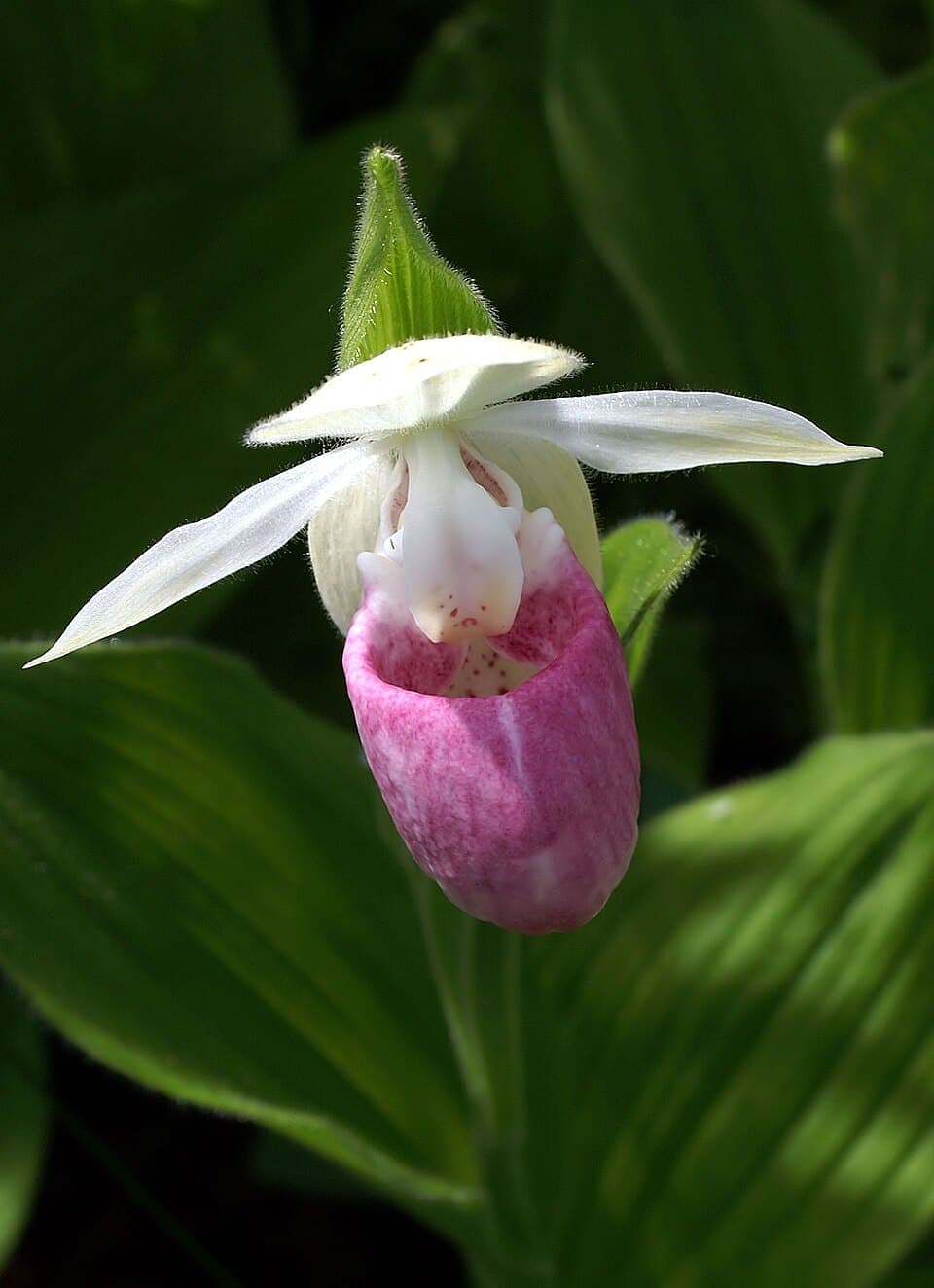
Showy Lady's Slipper
Cypripedium reginae
June–July
Minnesota's state flower — a spectacular native orchid with a white-and-pink pouch on a leafy stem, blooming in wet woods and bogs. Rare and protected.
Habitat: Fens, wet woods, and bog edges.
Protected by law in Minnesota — do not pick, dig, or disturb. Foliage can irritate skin.
FG-0071.03
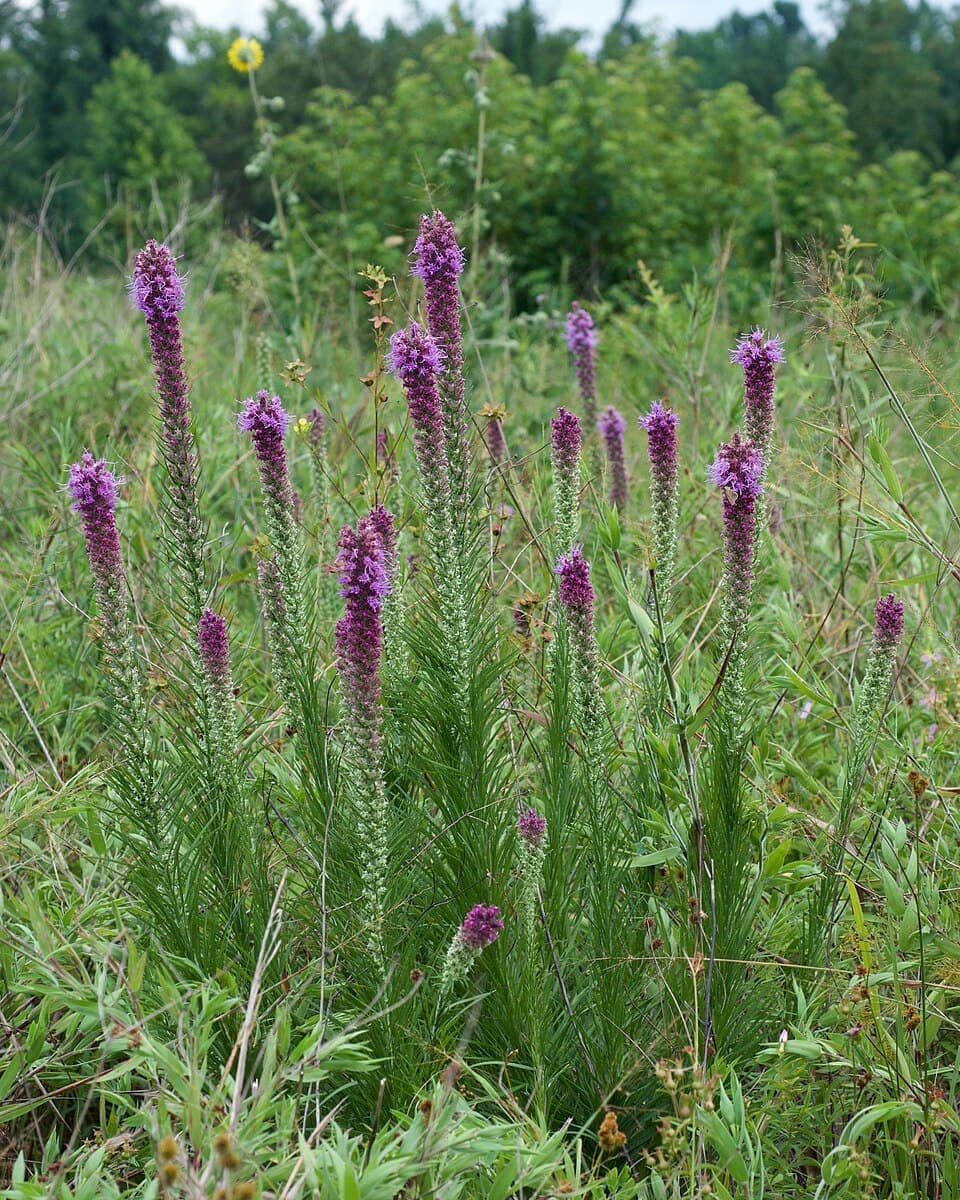
Prairie Blazing Star
Liatris pycnostachya
July–August
Tall, dense wands of fluffy rose-purple flowers that open from the top down in mid to late summer, a magnet for butterflies on the tallgrass prairie.
Habitat: Moist tallgrass prairie and meadows.
FG-0071.04
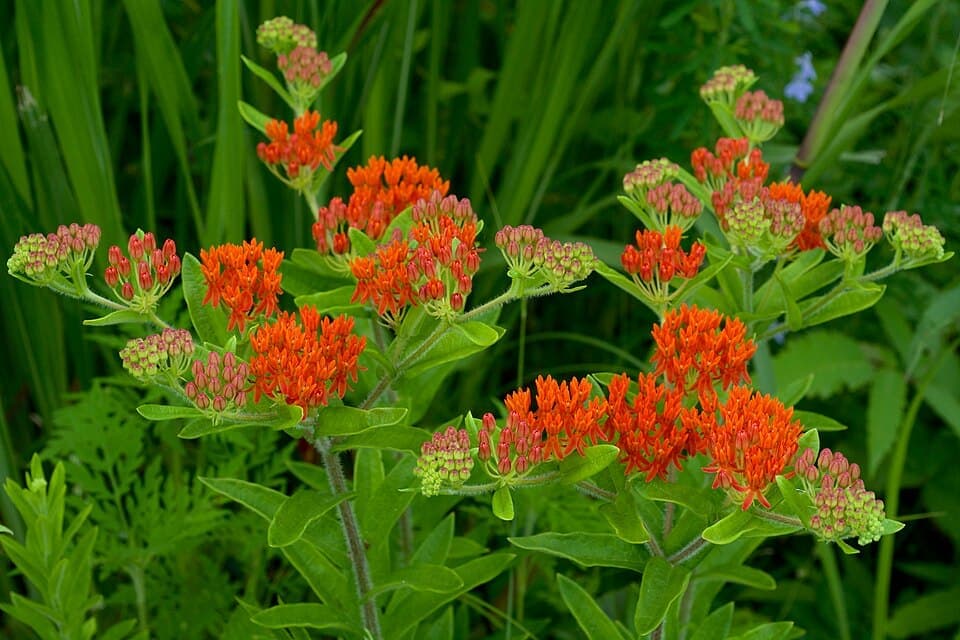
Butterfly Weed
Asclepias tuberosa
ToxicJune–August
A milkweed topped with flat clusters of brilliant orange flowers, swarming with butterflies in summer. Its sap is not milky like other milkweeds.
Habitat: Dry prairies, roadsides, and open fields.
Milkweeds are toxic if eaten. Enjoy in place and do not consume.
FG-0071.05
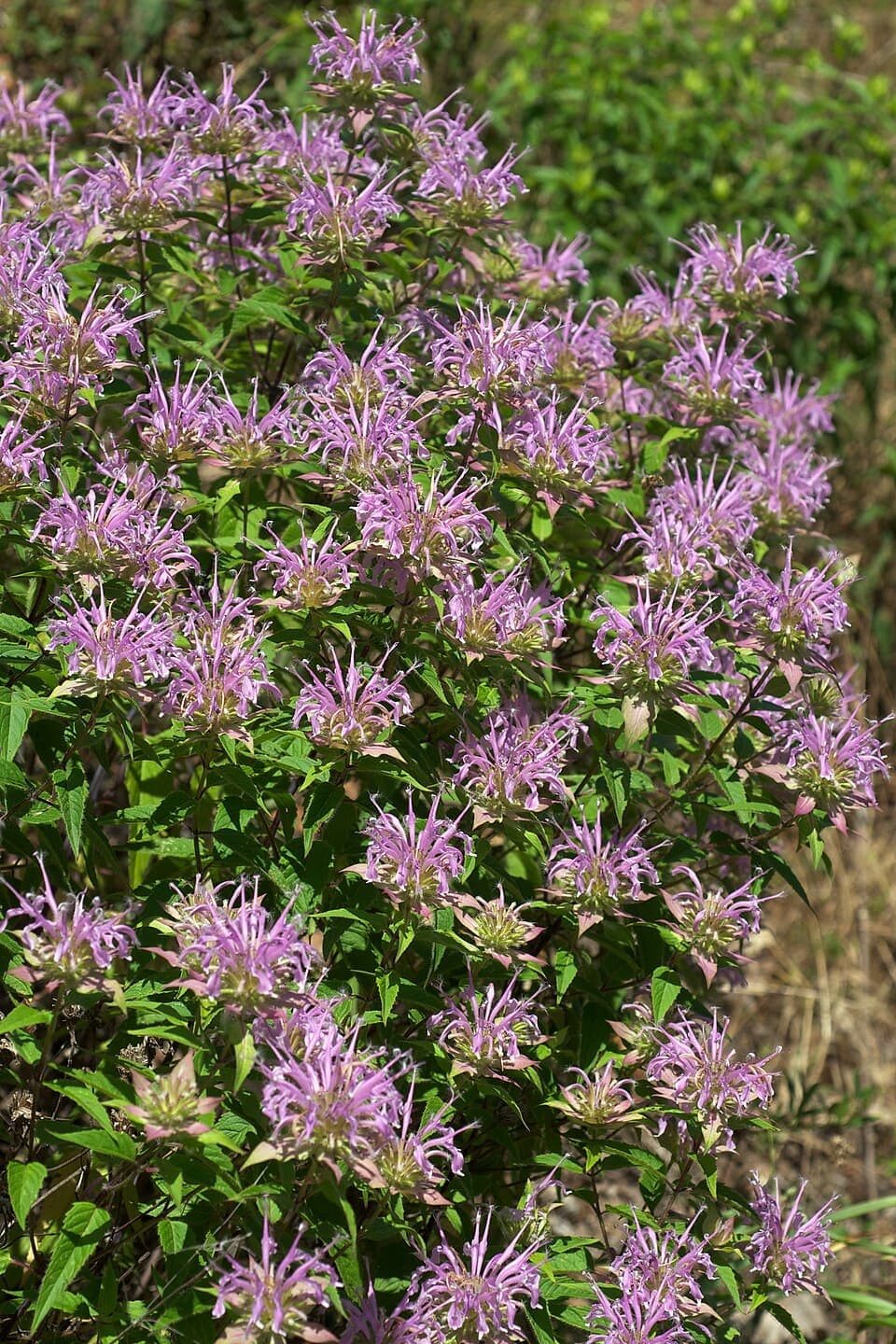
Wild Bergamot
Monarda fistulosa
July–September
A mint-family wildflower with ragged, lavender pom-pom flower heads and a minty scent, humming with bees and hummingbirds in summer prairies.
Habitat: Prairies, meadows, and open woodland edges.
FG-0071.06
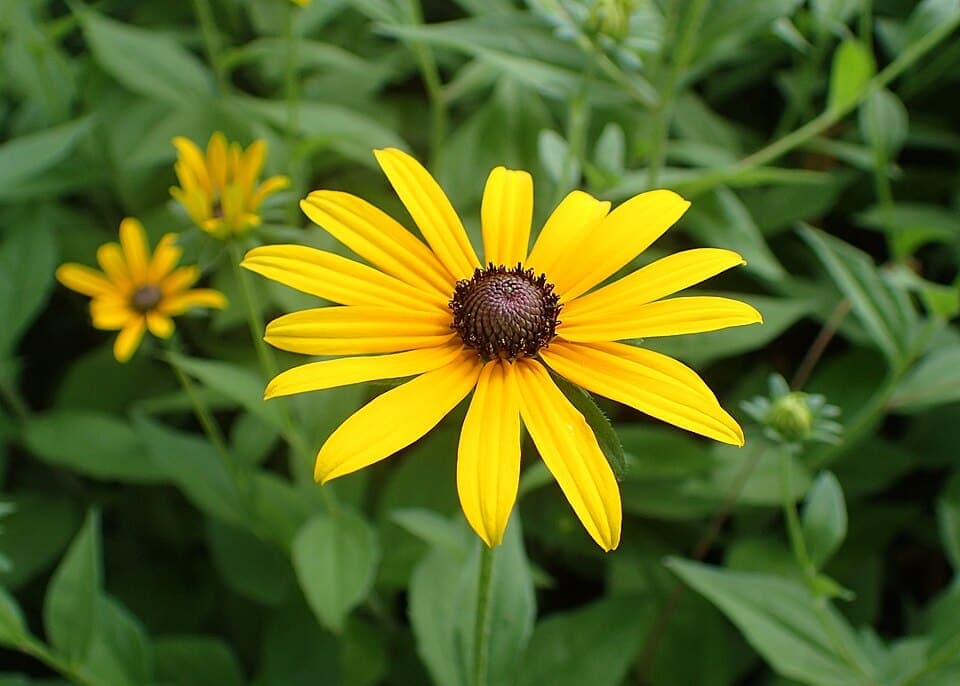
Black-eyed Susan
Rudbeckia hirta
June–September
A familiar daisy with golden-yellow rays around a dark brown dome, common on prairies and roadsides. Bristly stems and leaves.
Habitat: Prairies, fields, and roadsides.
Through the seasons
- April–May: pasque flowers open on dry prairie bluffs while the grass is still brown.
- June–July: the showy lady's slipper blooms in fens and wet woods — look but never pick.
- July–August: tallgrass prairies peak with blazing star, bergamot, and butterfly weed.
Questions
- What is the state flower of Minnesota?
- The showy lady's slipper — a large native orchid with a pink-and-white pouch that is protected by state law; it is illegal to pick or uproot it.
- How can I identify a Minnesota wildflower?
- Note the flower color and shape, leaves, and habitat, then take a photo and use an app like Spotter to identify the species and its bloom season.
From Field Notes
- How to Identify Wildflowers on the Trail: A Practical Guide
- What Is the Weed With Big White Trumpet Flowers and Spiky Seed Pods? Identifying Jimsonweed
- What Is the Tall Pink-Purple Wildflower Buzzing With Butterflies in Late Summer? Identifying Joe-Pye Weed
- What Are the Purple Crocus-Like Flowers Popping Up in the Lawn in Fall? Identifying Autumn Crocus
Not sure what you found?
Take a photo with Spotter for the name, field marks, look-alikes and safety notes in seconds.


In this guide
- Species
- 6
- Edible
- 0
- Toxic
- 2
- Region
- Minnesota