FG-0052 · Wildlife · 6 species
Identifying Common Birds of Massachusetts
By Derek Gauger · Updated
Overview
Massachusetts pairs classic New England woodland and backyard birds with superb coastal and Cape Cod birding. Feeder regulars, forest species, and seabirds are all within easy reach.
This guide covers common and iconic Massachusetts birds — the field marks that identify them, their habitats, and where to look. Pair it with a photo and the app to confirm any bird you spot.
Key species to know
FG-0052.01
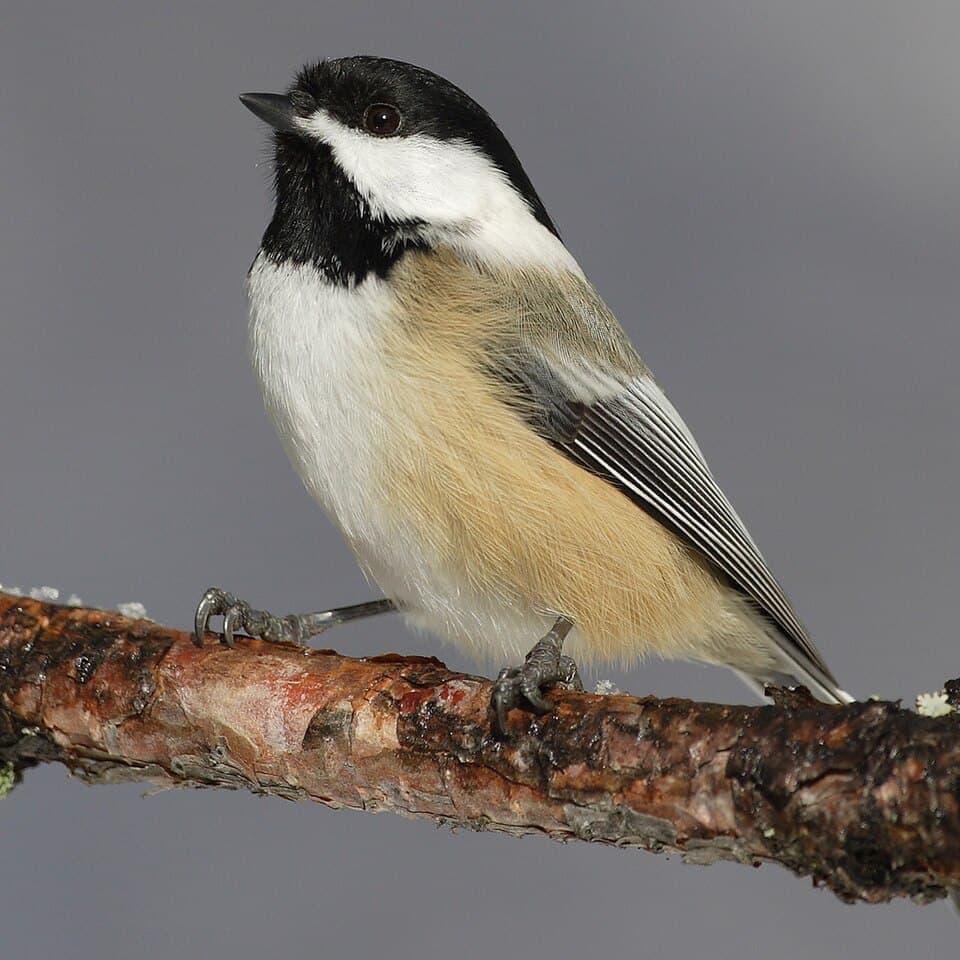
Black-capped Chickadee
Poecile atricapillus
Massachusetts's state bird — a tiny, tame bird with a black cap and bib, white cheeks, and soft gray back. Bold at feeders and endlessly calling "chick-a-dee-dee."
Habitat: Woodlands, suburbs, and backyard feeders.
FG-0052.02
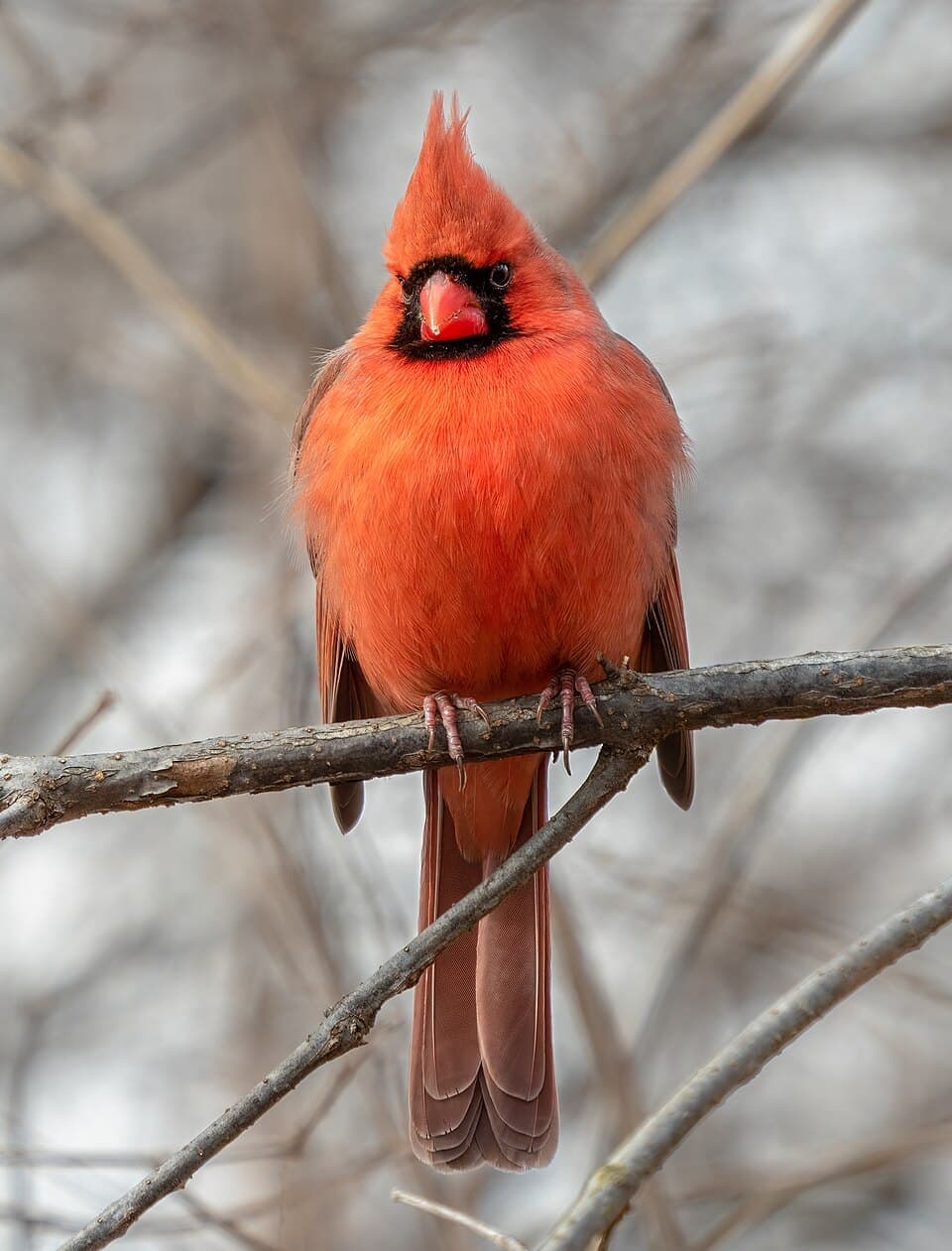
Northern Cardinal
Cardinalis cardinalis
The male is brilliant red with a black face and crest, the female warm buff with red highlights. A year-round backyard favorite.
Habitat: Backyards, thickets, and woodland edges.
FG-0052.03
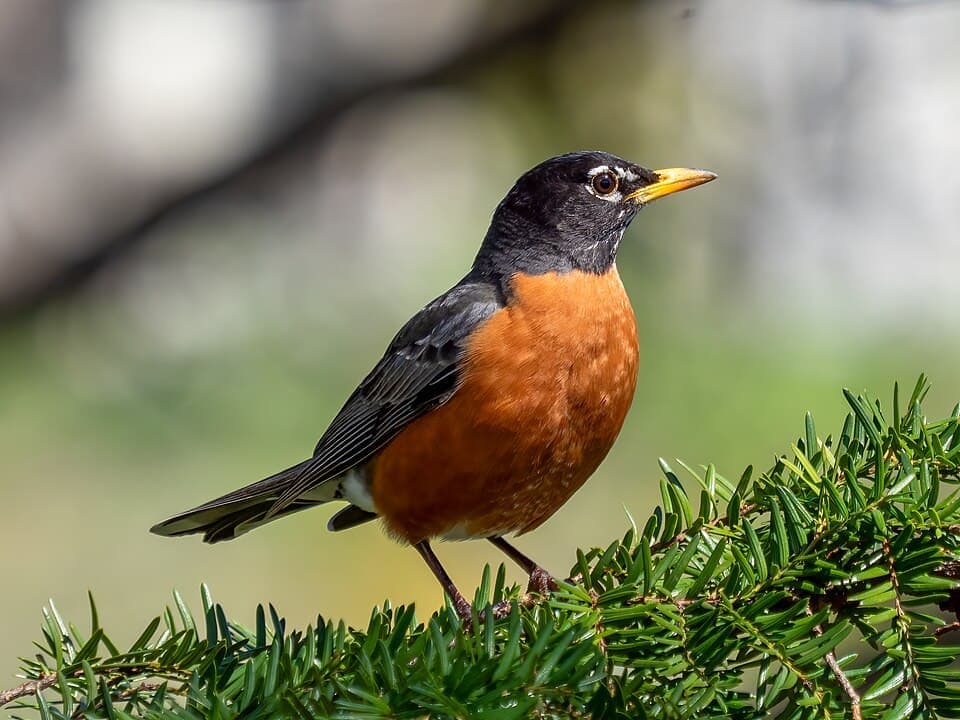
American Robin
Turdus migratorius
A familiar thrush with a gray back and brick-red breast, often on lawns hunting worms. Its caroling is a classic sound of spring.
Habitat: Lawns, parks, and open woodlands.
FG-0052.04
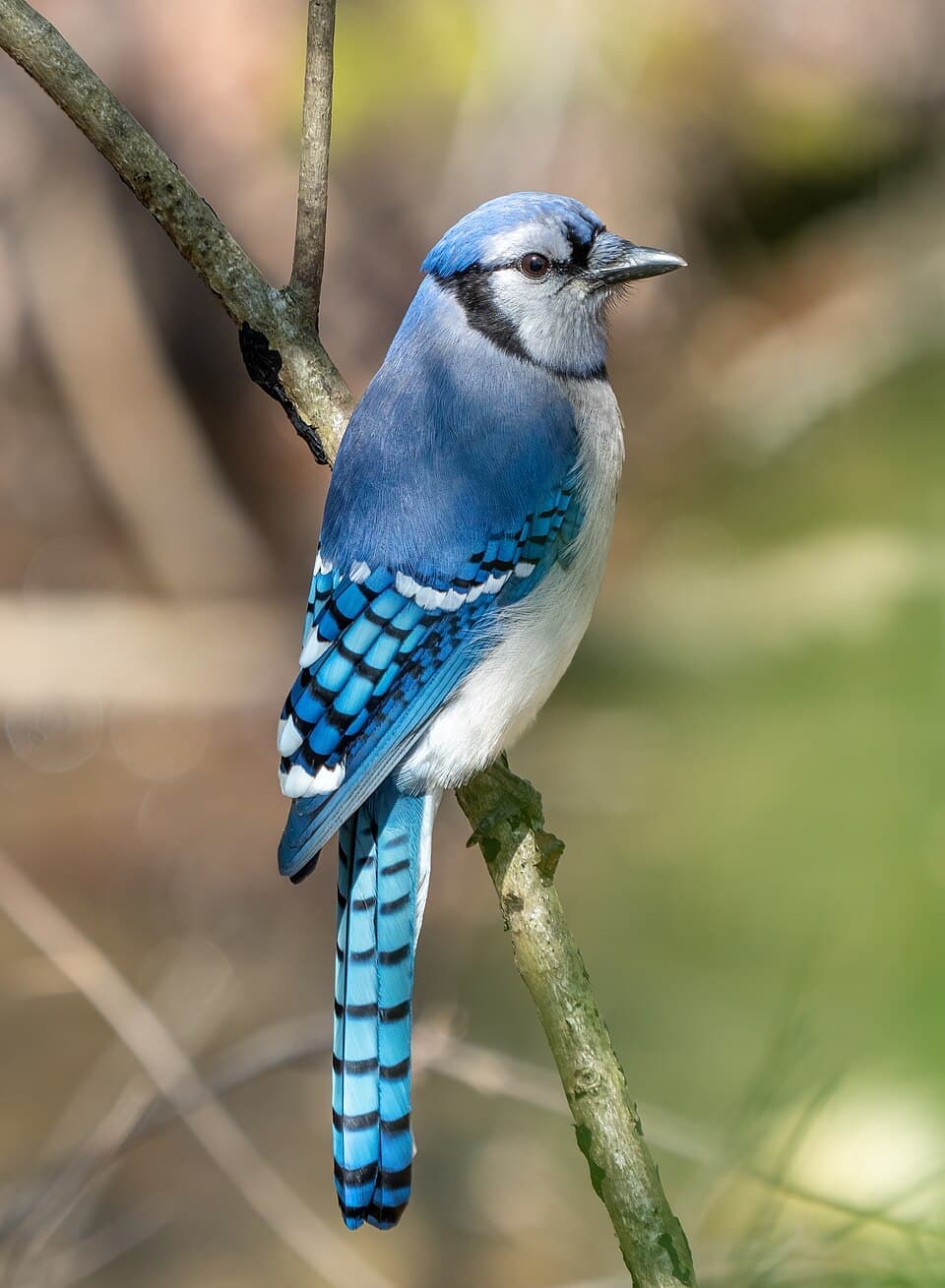
Blue Jay
Cyanocitta cristata
A bold, crested blue-and-white bird with black necklace markings, loud and intelligent. Caches acorns and mimics hawk calls.
Habitat: Woodlands, parks, and backyards with oaks.
FG-0052.05
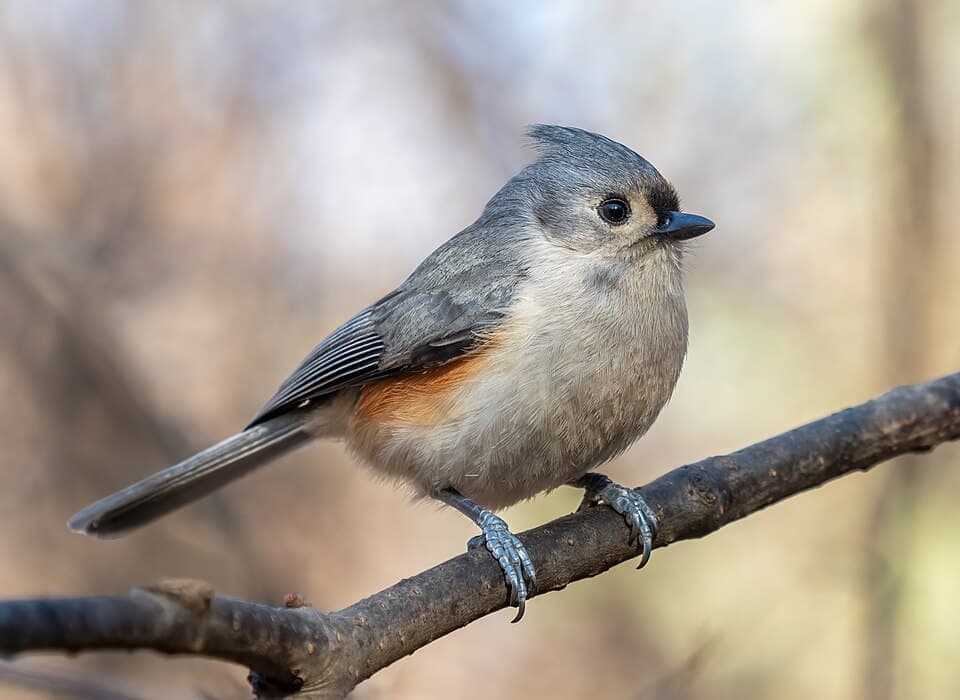
Tufted Titmouse
Baeolophus bicolor
A small, gray, crested bird with big black eyes and peach-washed flanks, an active and vocal feeder visitor that whistles "peter-peter-peter."
Habitat: Deciduous woods, suburbs, and feeders.
FG-0052.06
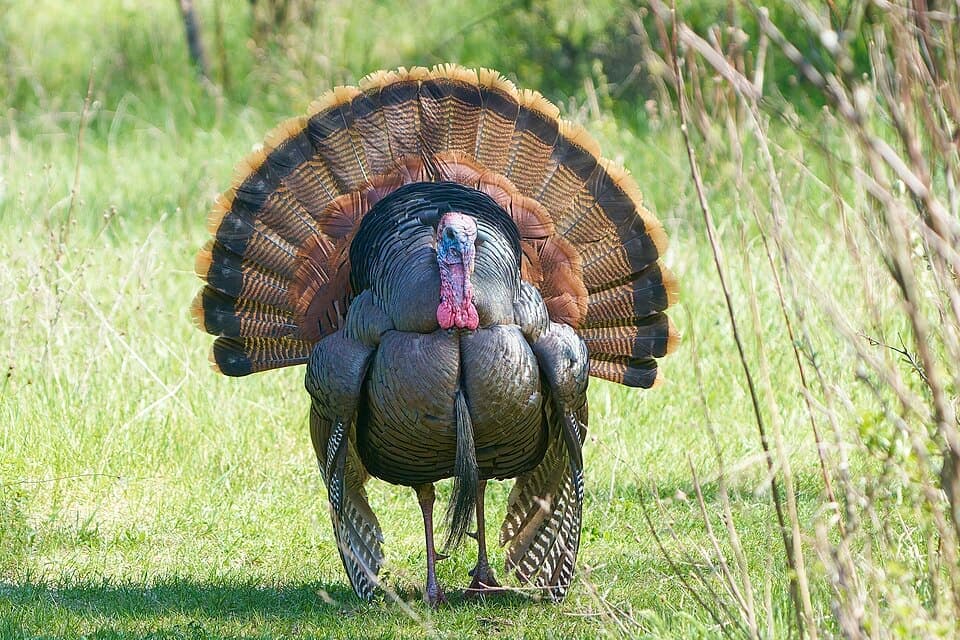
Wild Turkey
Meleagris gallopavo
A large, ground-dwelling bird with iridescent bronze plumage; males fan their tails and gobble in spring. Once scarce, now common in woods and suburbs.
Habitat: Woodlands, fields, and suburban edges.
Through the seasons
- Spring and fall migration bring warblers inland and seabirds and shorebirds to the coast.
- Early morning is the most active time for feeding and song.
- Winter feeders concentrate chickadees, titmice, cardinals, and juncos.
Questions
- What is the state bird of Massachusetts?
- The black-capped chickadee — a tiny, tame woodland bird that is a familiar year-round visitor to feeders across New England.
- How can I identify a bird I saw in Massachusetts?
- Note its size, shape, and field marks, then take a photo and use an app like Spotter to identify the species along with its habitat and range.
From Field Notes
Not sure what you found?
Take a photo with Spotter for the name, field marks, look-alikes and safety notes in seconds.


In this guide
- Species
- 6
- Region
- Massachusetts