FG-0025 · Wildlife · 6 species
Identifying Common Birds of Michigan
By Derek Gauger · Updated
Overview
Surrounded by the Great Lakes and covered in forest, wetland, and dune, Michigan is a superb birding state. Its lakeshores concentrate migrants in spring and fall, and the northern forests hold species hard to find farther south.
This guide covers common Michigan birds — the field marks that identify them, their habitats, and where to look. Pair it with a photo and the app to confirm any bird you spot.
Key species to know
FG-0025.01
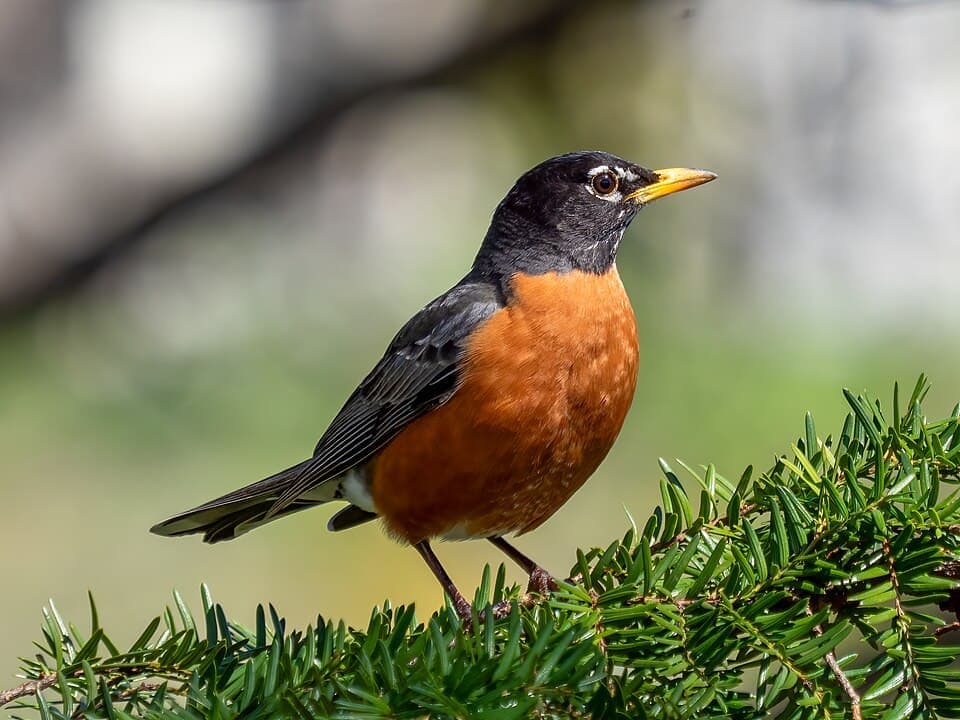
American Robin
Turdus migratorius
Michigan's state bird — a familiar thrush with a gray back and brick-orange breast, seen running and pausing across lawns. Among the earliest and most conspicuous spring songbirds.
Habitat: Lawns, parks, gardens, and open woodland statewide.
FG-0025.02
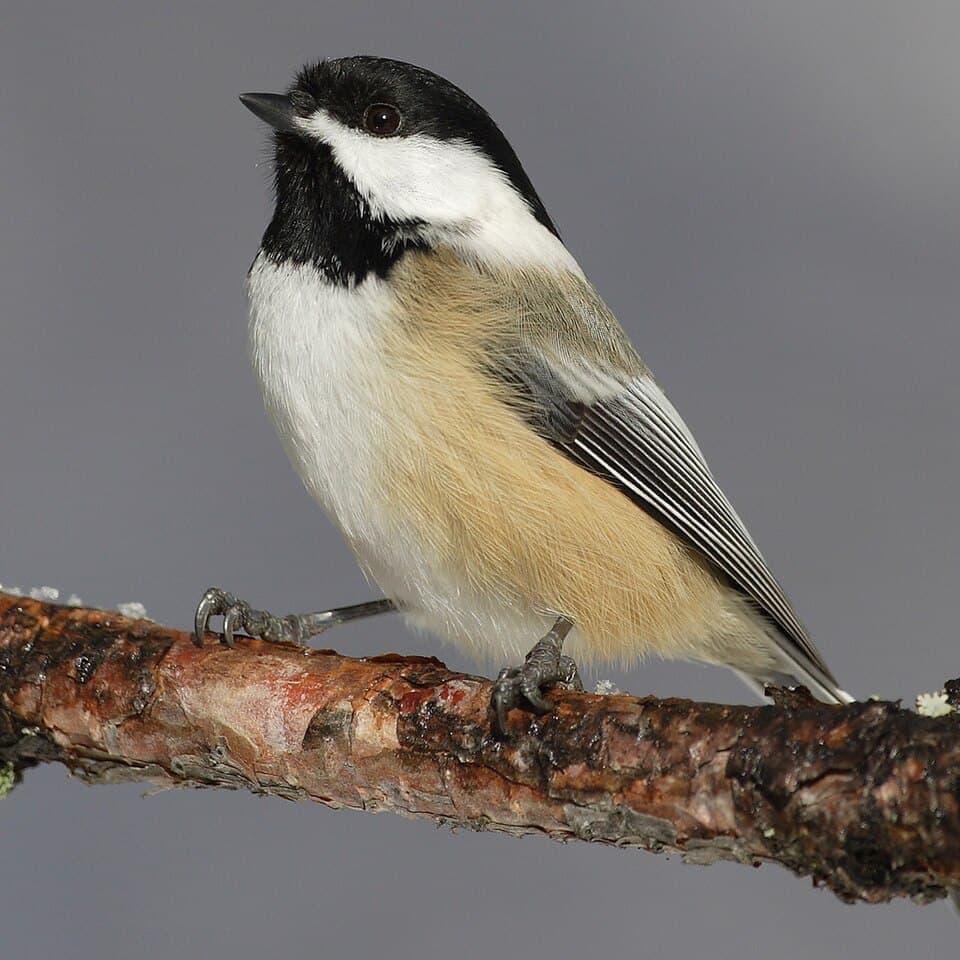
Black-capped Chickadee
Poecile atricapillus
A tiny, tame bird with a black cap and bib, white cheeks, and buffy sides. Bold at feeders and named for its "chick-a-dee-dee" call.
Habitat: Woodlands, parks, and backyards throughout Michigan.
FG-0025.03
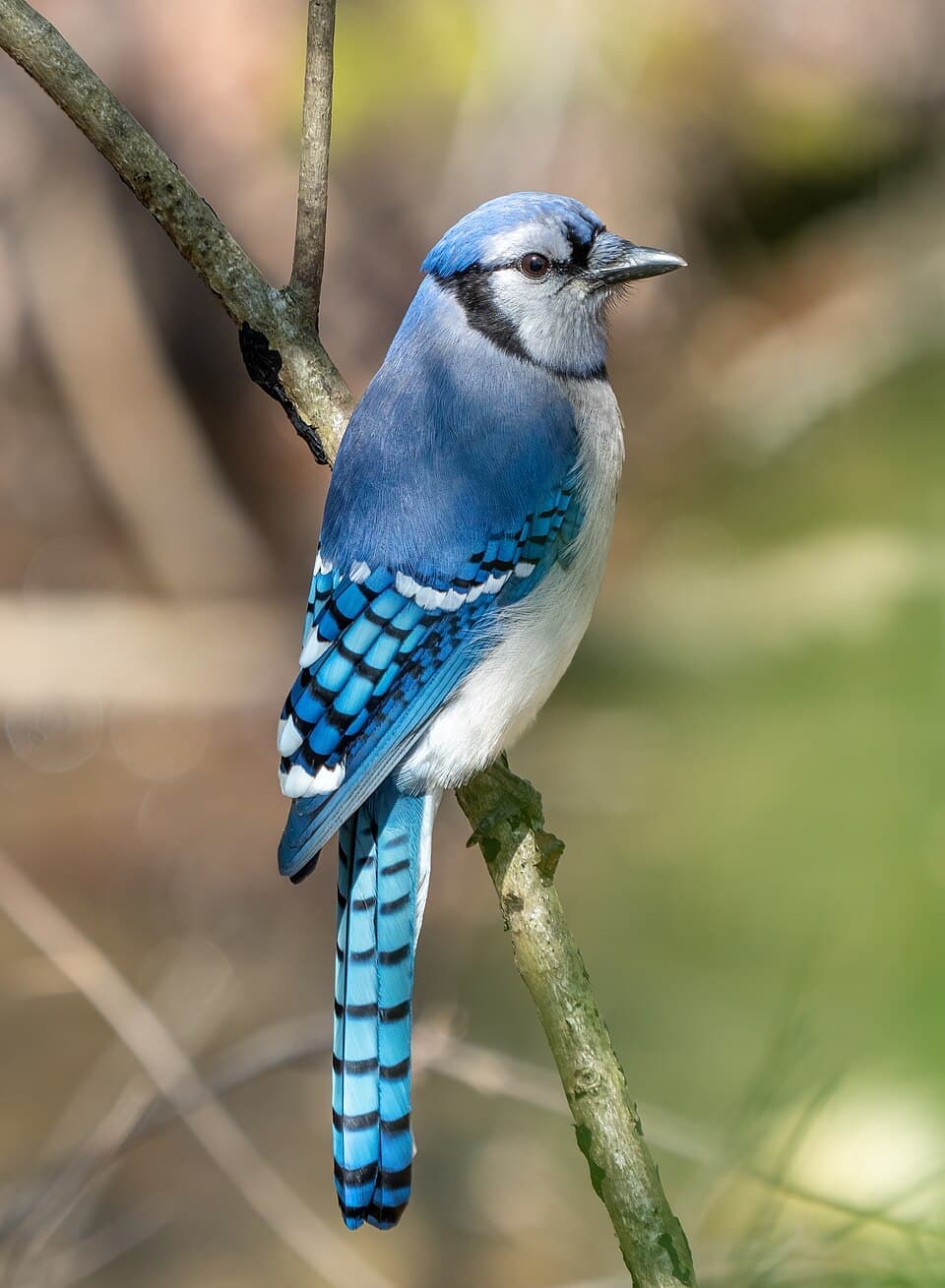
Blue Jay
Cyanocitta cristata
A bold, crested blue-and-white bird with black necklace markings. Loud and intelligent, it hoards acorns and often mimics hawk calls.
Habitat: Woodlands, parks, and suburbs throughout the state.
FG-0025.04
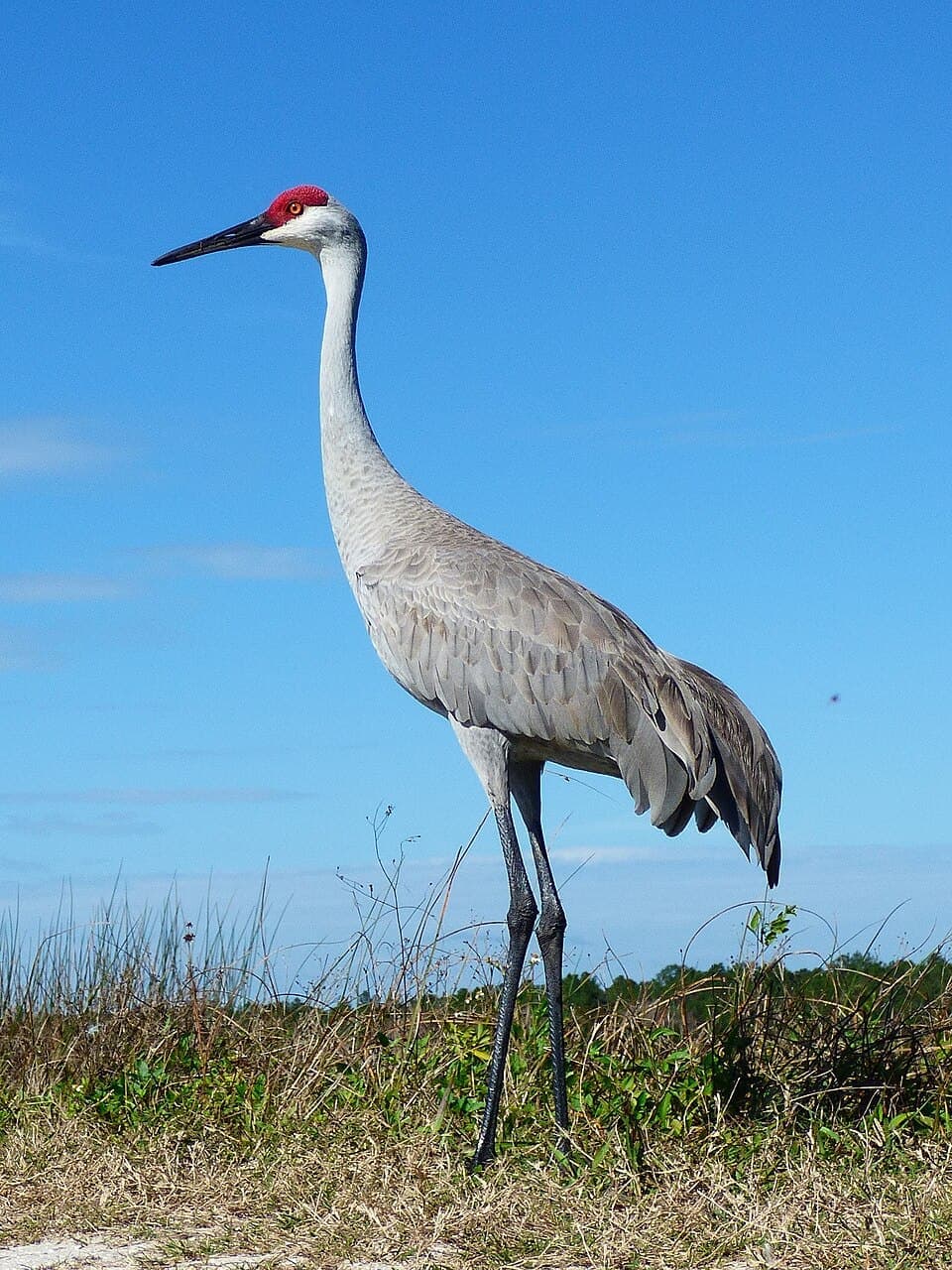
Sandhill Crane
Antigone canadensis
A tall gray crane with a red crown and a loud, rolling bugle. Gathers in large flocks in fall, notably at the Phyllis Haehnle Sanctuary; often feeds in harvested fields.
Habitat: Marshes, wet meadows, and farm fields, especially in southern Michigan.
FG-0025.05
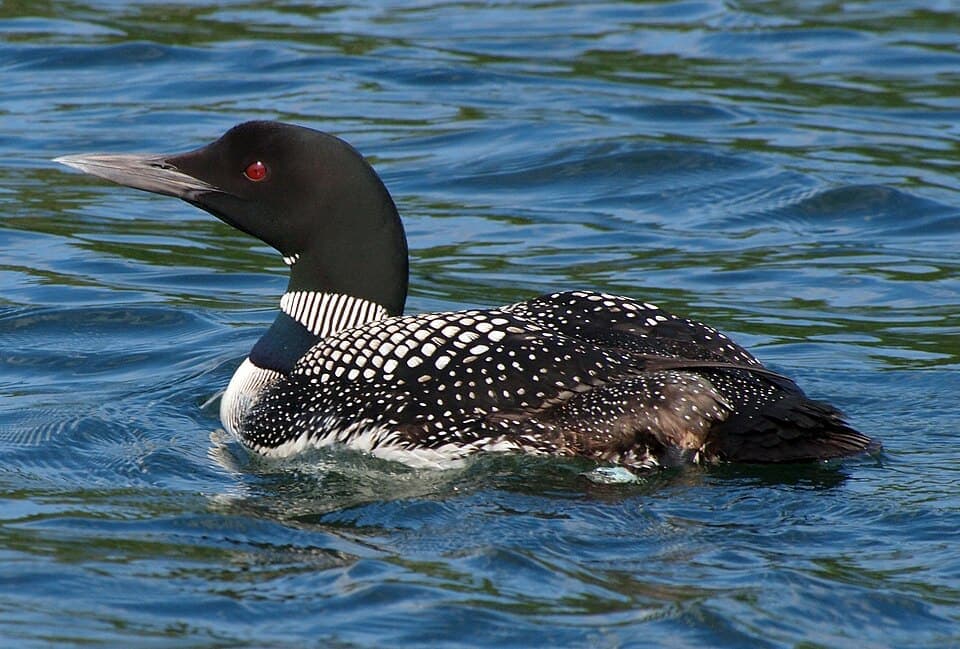
Common Loon
Gavia immer
A large diving waterbird; breeding adults are black-and-white checkered with a green-black head and red eyes. Famous for its yodeling, tremolo calls across northern lakes.
Habitat: Clear northern lakes in the Upper Peninsula and northern Lower Peninsula.
FG-0025.06
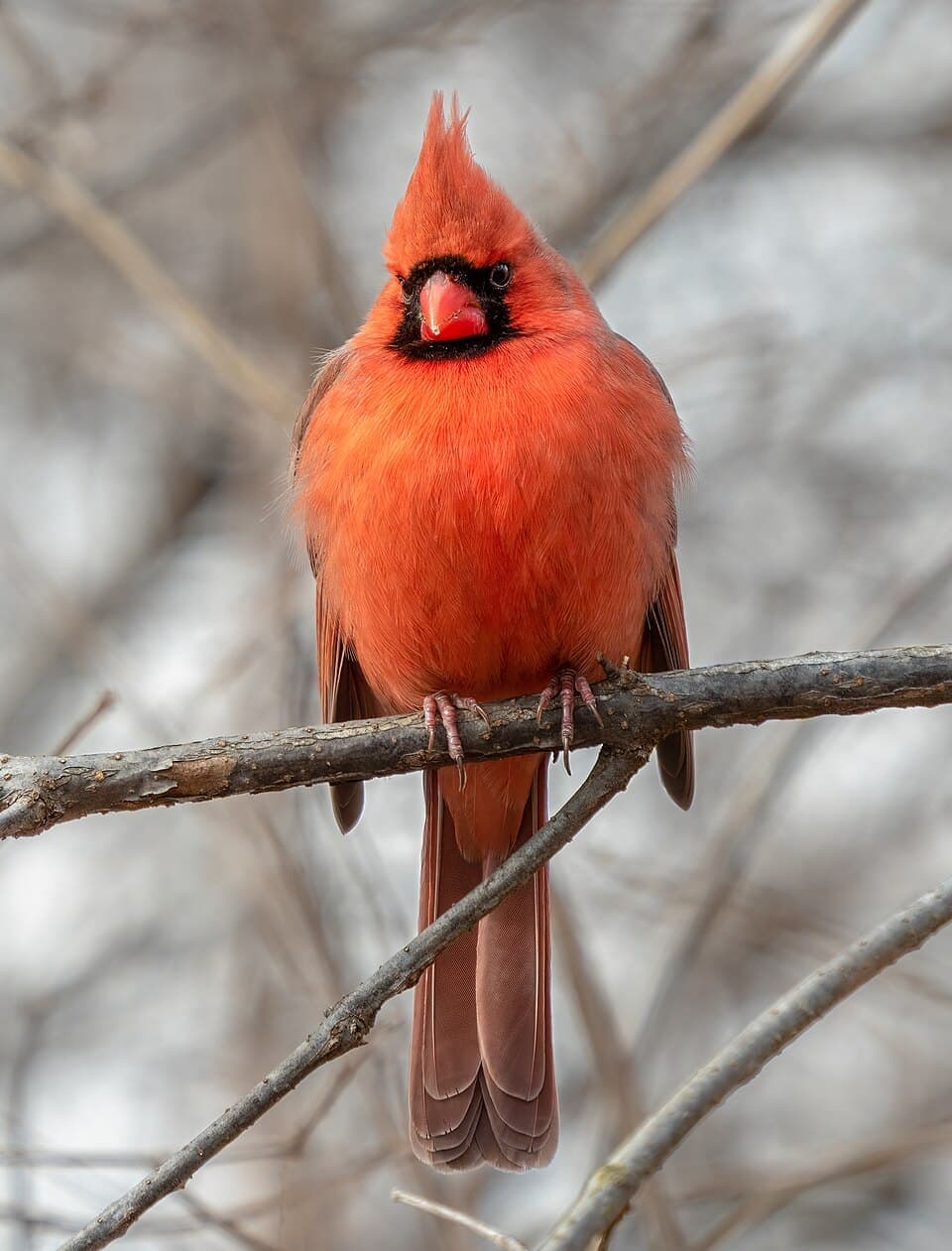
Northern Cardinal
Cardinalis cardinalis
A crested songbird with males brilliant red and a black face, females warm buff. A common, year-round backyard visitor with a clear whistled song.
Habitat: Woodland edges, gardens, and thickets, mainly in the southern part of the state.
Through the seasons
- Spring and fall migration concentrate birds along the Great Lakes shorelines.
- Early morning is the most active time for feeding and song.
- Listen for loons on quiet northern lakes at dawn and dusk in summer.
Questions
- What is the state bird of Michigan?
- The American robin is the state bird of Michigan — a gray-and-orange thrush common on lawns across the state.
- How can I identify a bird I saw in Michigan?
- Note its size, shape, and field marks, then take a photo and use an app like Spotter to identify the species along with its habitat and range.
From Field Notes
Not sure what you found?
Take a photo with Spotter for the name, field marks, look-alikes and safety notes in seconds.


In this guide
- Species
- 6
- Region
- Michigan