
FG-0077 · Rocks & Minerals · 6 species
Rocks and Minerals of Michigan
By Derek Gauger · Updated
Overview
Michigan's beaches and old copper country make it one of the best rock-hunting states in the Midwest. The Great Lakes shorelines yield fossil Petoskey stones and banded agates, while the Keweenaw Peninsula is famous for native copper and the state gem, greenstone.
This guide covers common and iconic Michigan rocks and minerals — how to recognize them by color, pattern, and form. Photograph your specimen from a couple of angles and use the app to help confirm what you have found.
Key species to know
FG-0077.01
Petoskey Stone
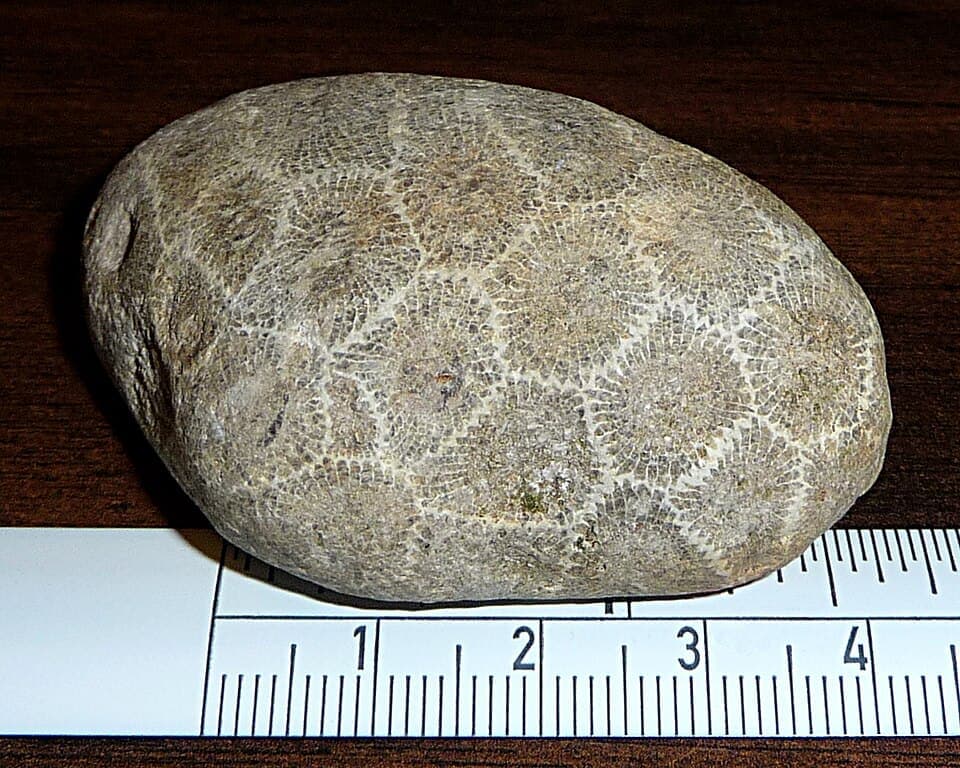
Petoskey stone
Michigan's state stone — fossilized colonial coral showing a honeycomb of six-sided cells, most striking when wet or polished. Found along northern Lake Michigan beaches.
Habitat: Beach gravels of northern Lake Michigan, around Petoskey.
FG-0077.02
Lake Superior Agate
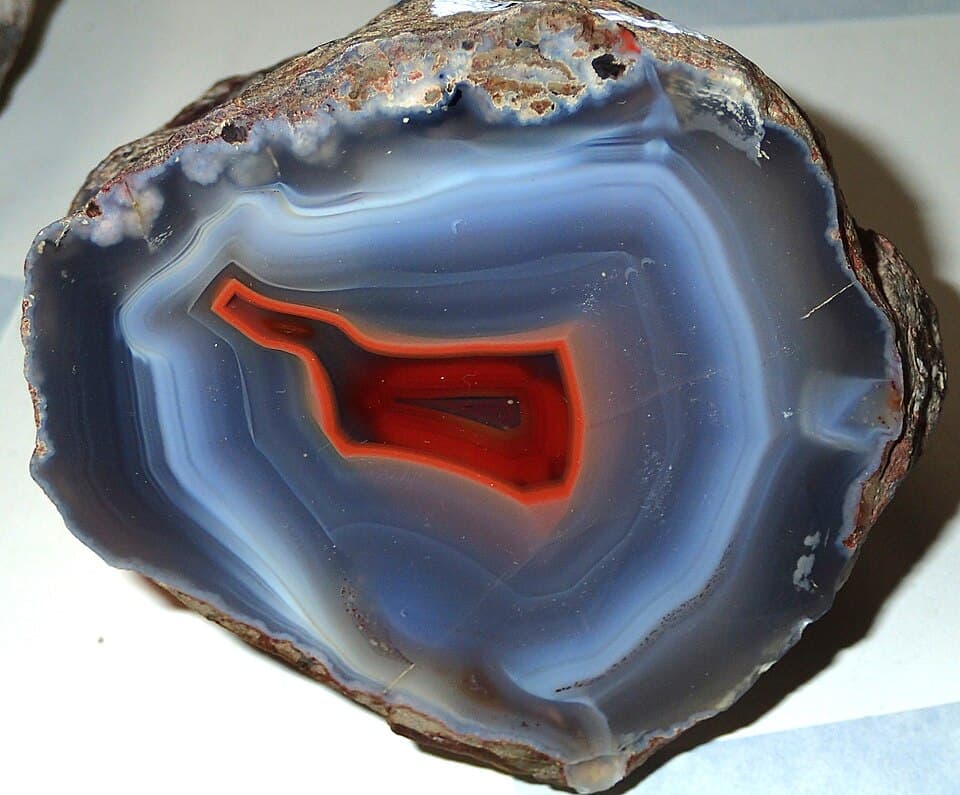
Agate
A banded, waxy-lustered quartz in reds, oranges, and whites, tumbled smooth by the lakes. Its iron-rich color bands set it apart from plain beach pebbles.
Habitat: Beach and glacial gravels around the Great Lakes.
FG-0077.03
Native Copper
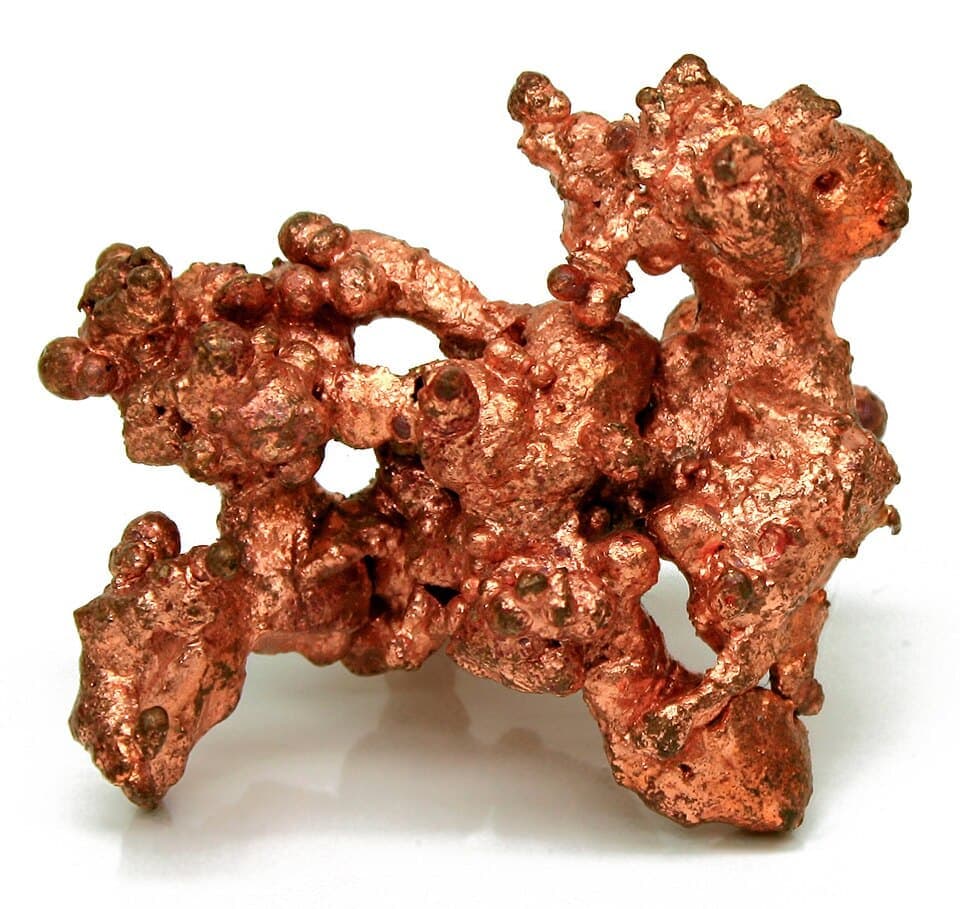
Copper
Reddish, metallic copper metal in its natural form, sometimes in branching or nugget shapes, weathering to green. The Keweenaw Peninsula was mined for it for over a century.
Habitat: Basalt and old mine areas of the Keweenaw Peninsula.
FG-0077.04
Greenstone (Chlorastrolite)
Chlorastrolite
Michigan's state gem — small green pebbles with a distinctive turtleback, segmented pattern, weathered from Keweenaw basalt. Rare and much sought after.
Habitat: Basalt and beach gravels of the Keweenaw and Isle Royale.
FG-0077.05
Datolite
Datolite
A porcelain-like nodule mineral in white, pink, or tan, found in the copper country's basalt, sometimes with copper inclusions. Prized by local collectors.
Habitat: Basalt cavities in the Keweenaw copper district.
FG-0077.06
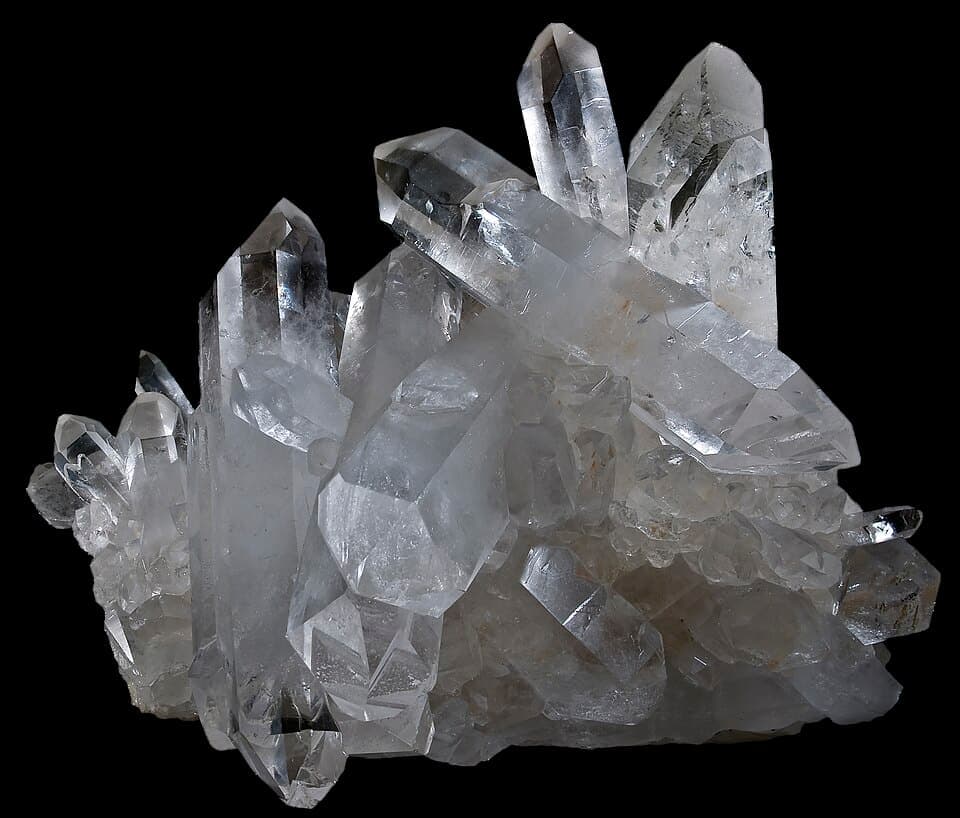
Quartz
Quartz
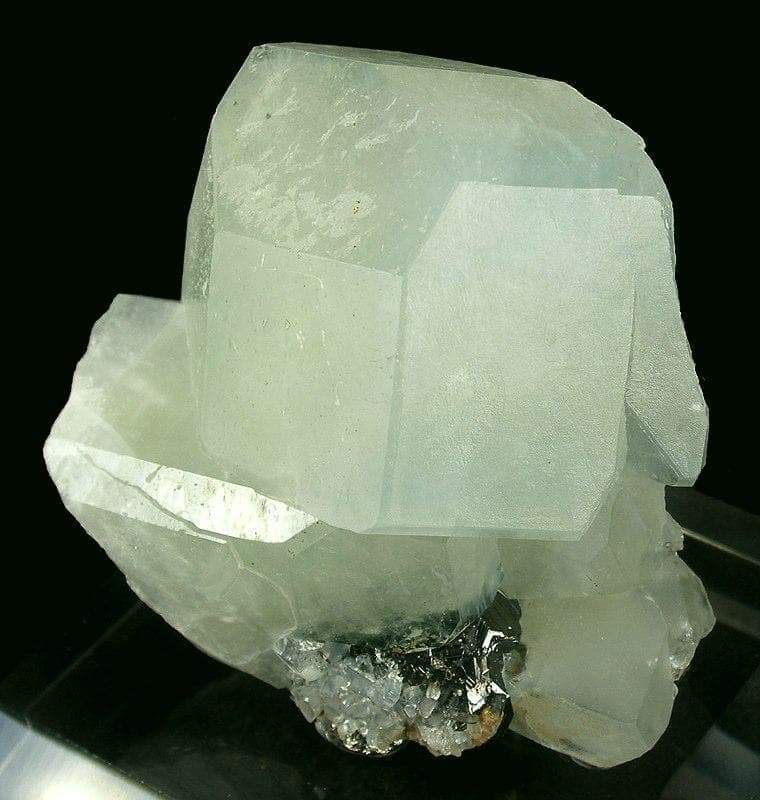
Common as clear or white pebbles and crystals, and as the material of the agates and jaspers on Michigan's beaches. Hard, glassy, with curved fractures.
Habitat: Beach gravels, veins, and glacial deposits statewide.
Through the seasons
- Hunt beaches after storms and in spring, when waves expose fresh gravel.
- Wet every likely stone — Petoskey stones and agates show their pattern and color best when wet.
- Bright sun low on the water helps agates glow; a spray bottle saves a lot of lake-dipping.
Questions
- What is a Petoskey stone?
- It is fossilized colonial coral (Hexagonaria) from Michigan's Devonian rock, showing a honeycomb pattern of six-sided cells. It is the Michigan state stone and is found along northern Lake Michigan beaches, best seen when wet or polished.
- How do I find agates on the Great Lakes?
- Search wave-washed gravel after storms and wet the stones — Lake Superior agates show waxy luster and iron-red banding that plain pebbles lack. Photograph a promising stone and use an app like Spotter to help confirm.
From Field Notes
Not sure what you found?
Take a photo with Spotter for the name, field marks, look-alikes and safety notes in seconds.


In this guide
- Species
- 6
- Region
- Michigan