FG-0076 · Rocks & Minerals · 6 species
Rocks and Minerals of North Carolina
By Derek Gauger · Updated
Overview
The western North Carolina mountains are among the most mineral-rich areas east of the Mississippi, famous for emeralds, garnets, and mica, with a string of pay-to-dig mines around Franklin and Spruce Pine. Its ancient metamorphic rocks and pegmatites are the source.
This guide covers common and iconic North Carolina minerals — how to recognize them by color, luster, and form. Photograph your specimen from a couple of angles and use the app to help confirm what you have found.
Key species to know
FG-0076.01
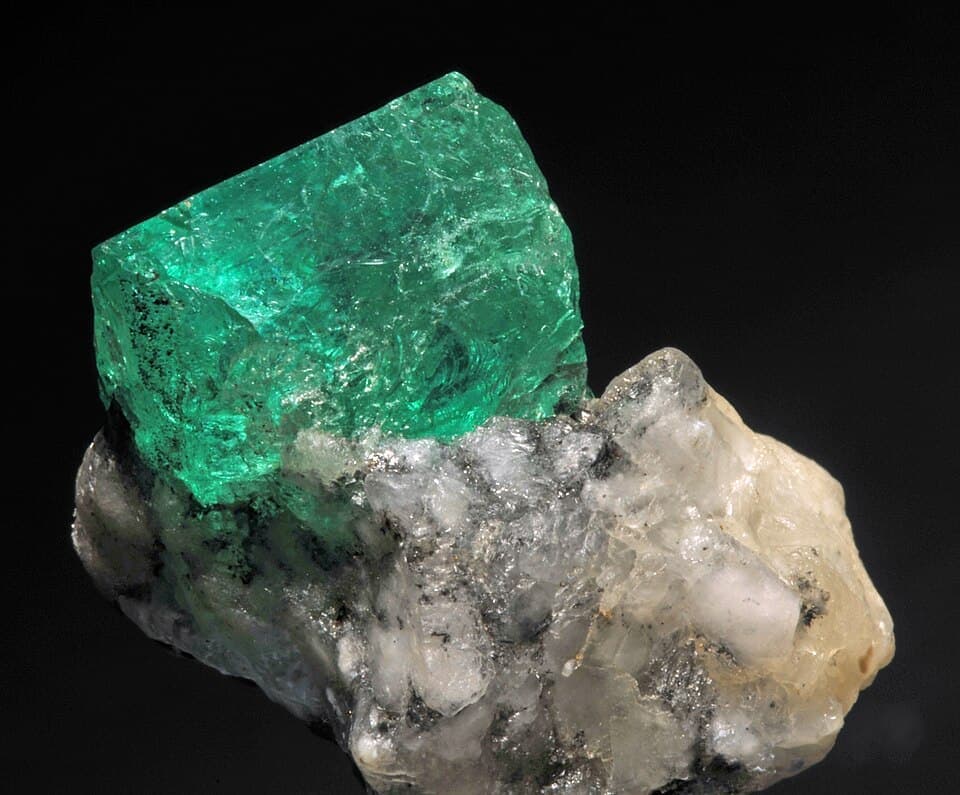
Emerald
Emerald
North Carolina's state precious stone — the rich green gem variety of beryl. The Hiddenite area has produced some of the finest emeralds ever found in North America.
Habitat: Metamorphic rock and pockets near Hiddenite and the western counties.
FG-0076.02
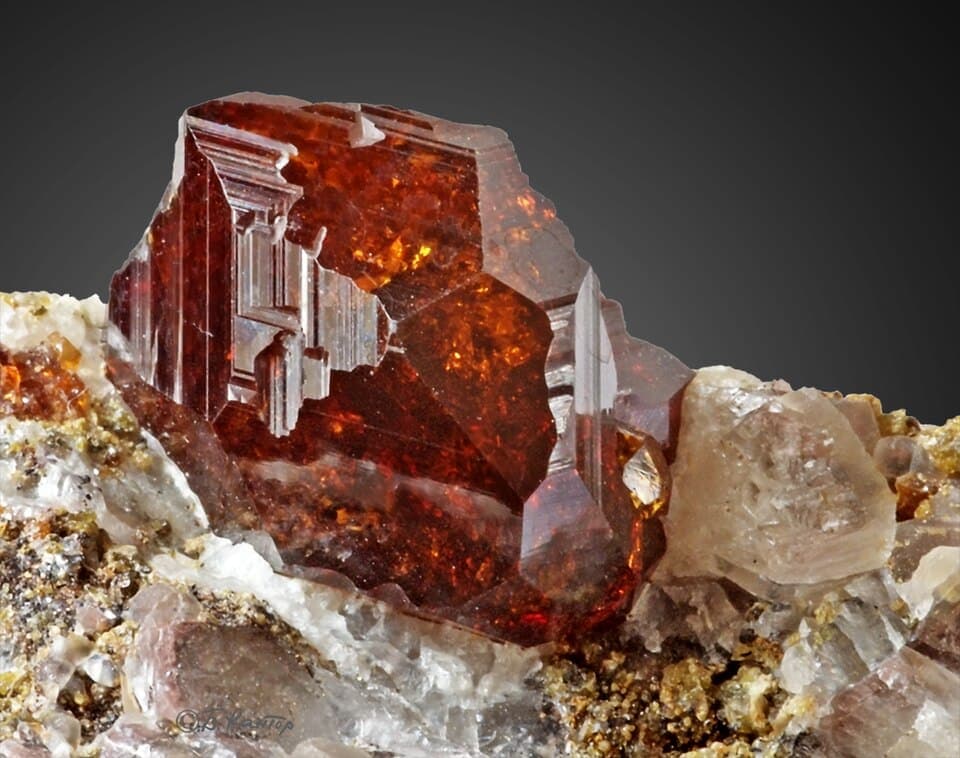
Garnet
Garnet
A hard, glassy mineral in deep red to reddish-brown, often forming rounded 12-sided crystals weathered out of schist. Common in mountain stream gravels.
Habitat: Schist, gneiss, and the stream gravels weathering from them.
FG-0076.03
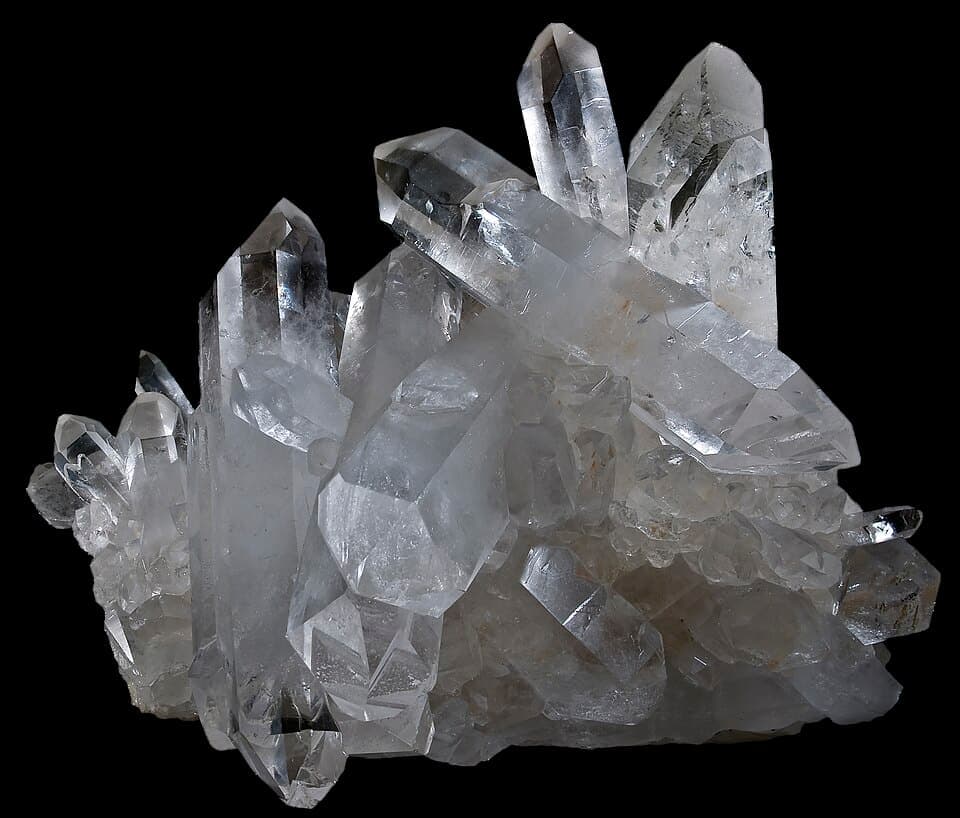
Quartz
Quartz
Abundant statewide as clear, white, or smoky crystals with six sides and curved fractures. The Spruce Pine district produces exceptionally pure quartz.
Habitat: Veins, pegmatites, and stream gravels throughout the mountains.
FG-0076.04
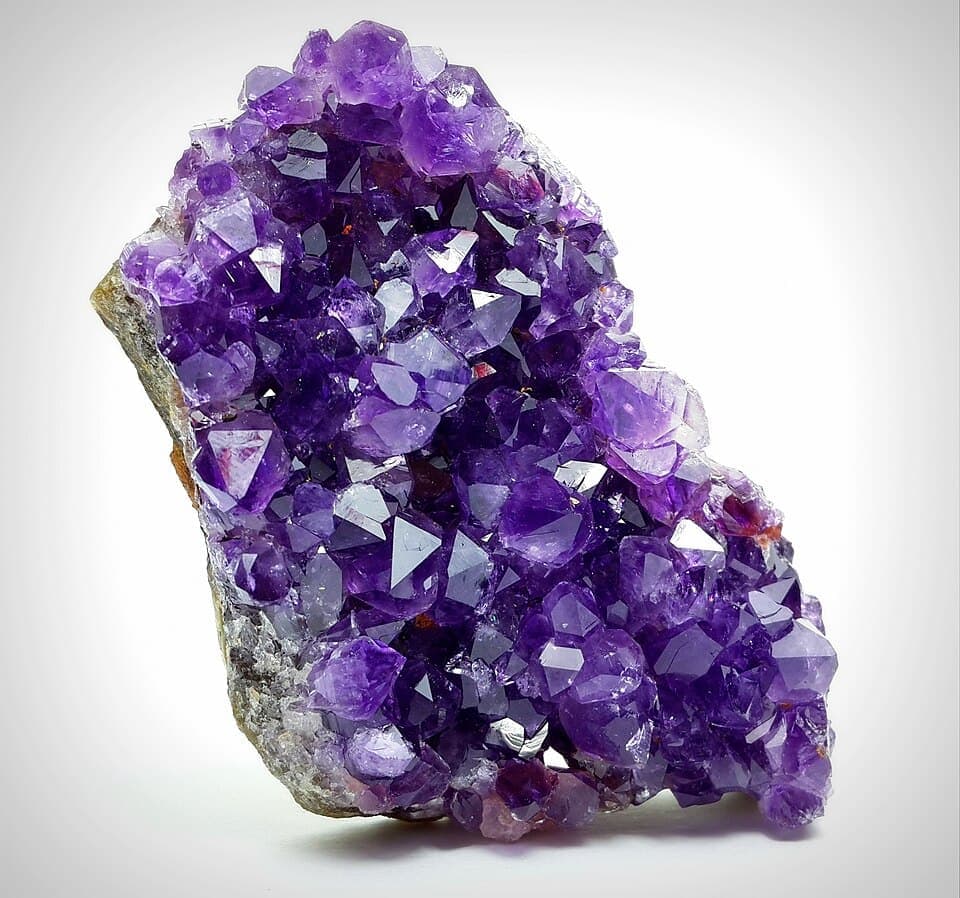
Amethyst
Amethyst
The purple gem variety of quartz, colored by trace iron, found in veins and pockets in several western North Carolina localities.
Habitat: Quartz veins and cavities in the mountains.
FG-0076.05
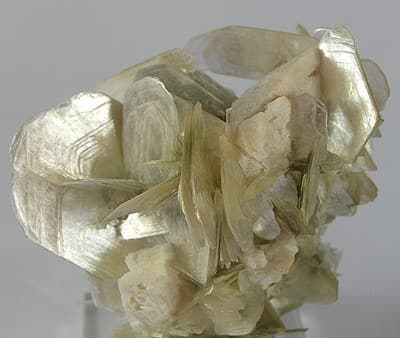
Muscovite Mica
Muscovite
A silvery mineral that splits into thin, flexible sheets, historically mined in huge "books" around Spruce Pine. Sparkles through much of the region's rock and sand.
Habitat: Pegmatites and schist, especially the Spruce Pine district.
FG-0076.06
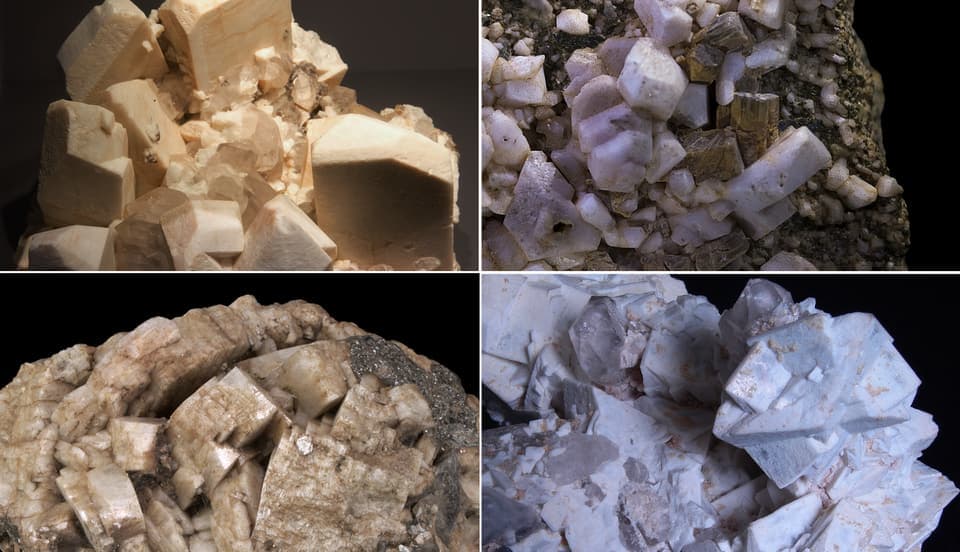
Feldspar
Feldspar
A pink-to-white mineral with flat cleavage faces that catch the light, mined in quantity around Spruce Pine. A main ingredient of the local granite and pegmatite.
Habitat: Granite and pegmatite in the western mountains.
Through the seasons
- Spring through fall is prime season for the region's many pay-to-dig gem mines.
- Native gem gravel yields the real finds — some flumes sell "enriched" buckets salted with foreign stones, so ask which you're buying.
- Wet and hold a specimen to the light to judge a garnet's color or a crystal's clarity.
Questions
- What is the state gem of North Carolina?
- The emerald — the green gem variety of beryl. North Carolina, especially the Hiddenite area, has produced world-class emeralds, including some of the largest found in North America.
- Where can I dig for gems in North Carolina?
- The Franklin and Spruce Pine areas have many pay-to-dig gem mines. For the best experience, look for mines offering native (locally dug) material rather than only "enriched" buckets, and confirm what you're buying.
From Field Notes
Not sure what you found?
Take a photo with Spotter for the name, field marks, look-alikes and safety notes in seconds.


In this guide
- Species
- 6
- Region
- North Carolina