FG-0042 · Wildlife · 6 species
Identifying Snakes in California
By Derek Gauger · Updated
Overview
California has around 33 snake species across deserts, chaparral, foothills, and coast. Rattlesnakes are the only venomous group, and the great majority of snakes you meet are harmless and beneficial.
Identify from a distance — a photo from several feet away is all you need. This guide covers the snakes you are most likely to encounter in California.
Key species to know
FG-0042.01
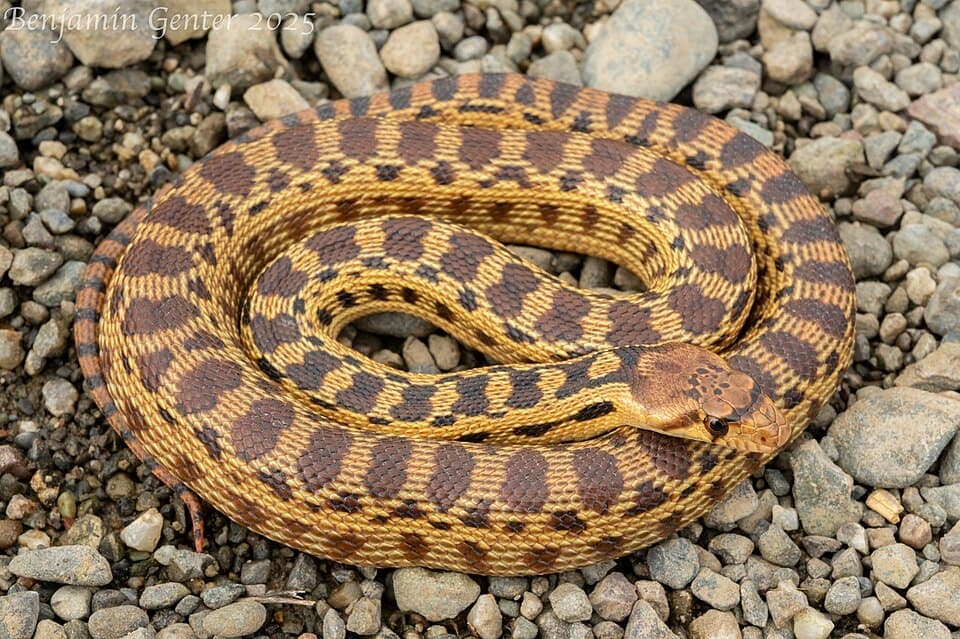
Pacific Gopher Snake
Pituophis catenifer
A large tan non-venomous constrictor with dark blotches that hisses and vibrates its tail to mimic a rattlesnake — all bluff. Frequently killed by mistake; harmless and a superb rodent-hunter.
Habitat: Grassland, chaparral, farmland, and open woods statewide.
FG-0042.02
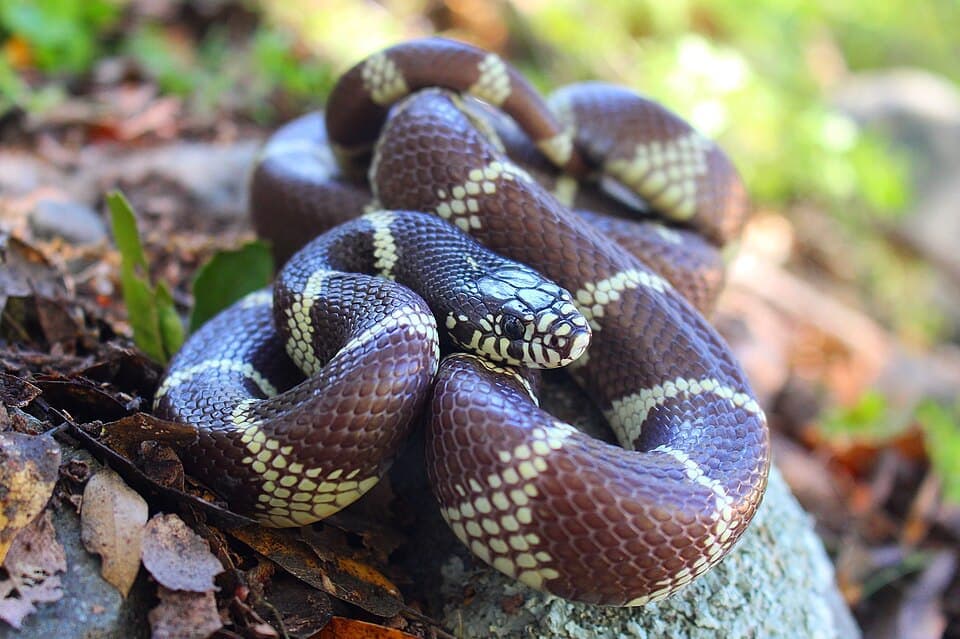
California Kingsnake
Lampropeltis californiae
A glossy non-venomous snake, usually banded black-and-white (sometimes striped). Famous for eating other snakes, including rattlesnakes, and completely harmless to people.
Habitat: Deserts, chaparral, farmland, and suburbs.
FG-0042.03
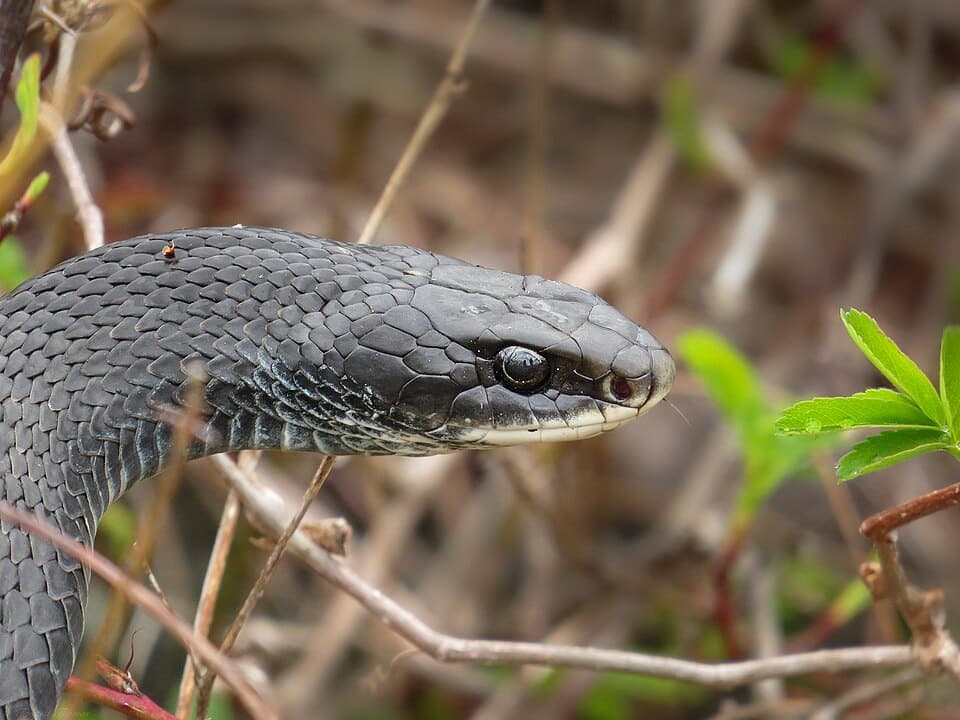
Racer
Coluber constrictor
A slender, fast, plain-colored non-venomous snake with large eyes, quick to flee across open ground. Harmless despite its speed.
Habitat: Grassland, meadows, and open woodland.
FG-0042.04
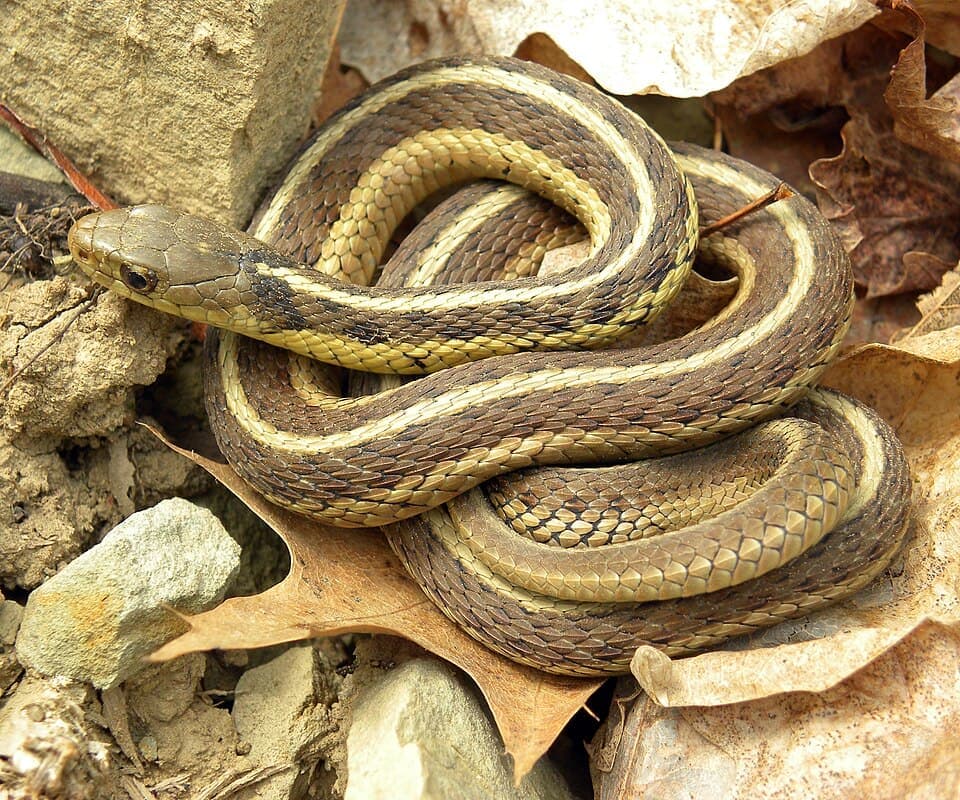
Common Garter Snake
Thamnophis sirtalis
A slender, harmless snake with pale stripes down a dark body, often near water. Gentle and quick to flee.
Habitat: Wet meadows, marsh edges, and streamsides.
FG-0042.05
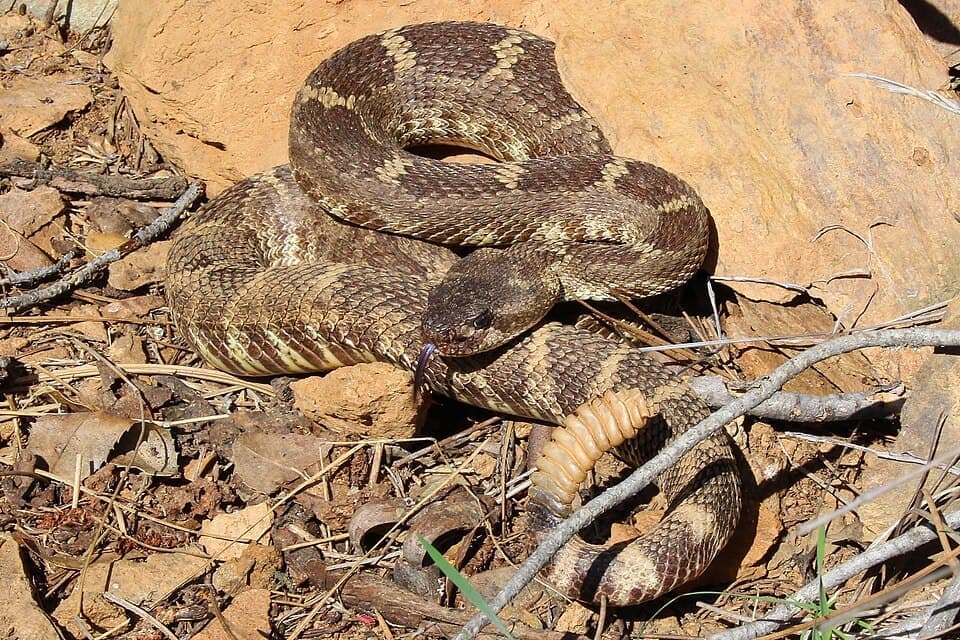
Northern Pacific Rattlesnake
Crotalus oreganus
A blotched, heavy-bodied rattlesnake with a rattle, the most widespread venomous snake in northern and central California. Venomous; gives a buzzing warning when disturbed.
Habitat: Foothills, chaparral, rocky slopes, and grassland.
Venomous. Keep well back and never attempt to handle or kill it.
FG-0042.06
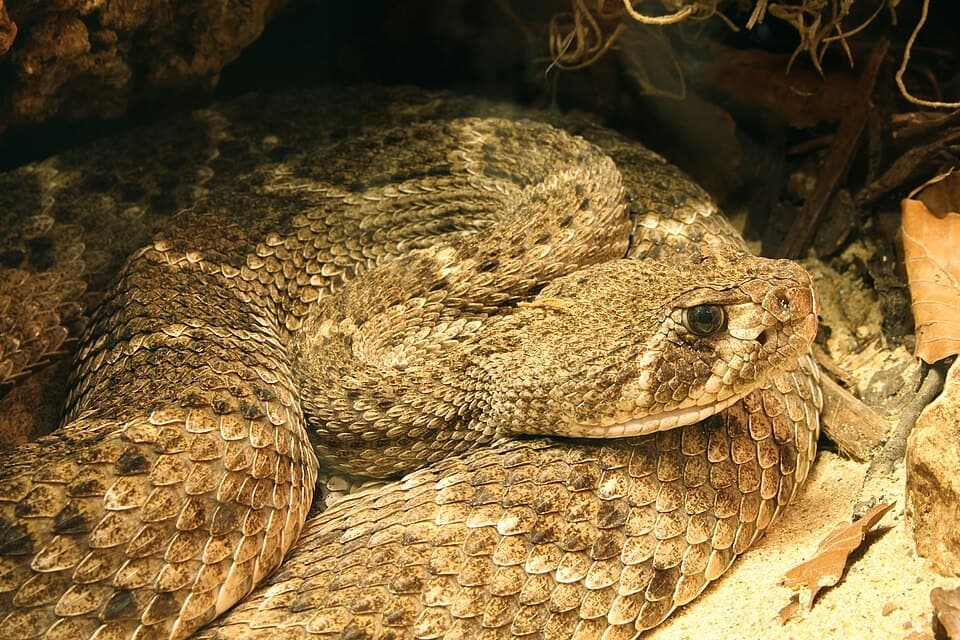
Western Diamondback Rattlesnake
Crotalus atrox
A heavy-bodied rattlesnake with diamond blotches and a black-and-white "coon tail," found in the southeastern deserts. Venomous; gives a clear buzzing warning.
Habitat: Desert scrub and rocky slopes in southeastern California.
Venomous. Keep well back and never attempt to handle or kill it.
Through the seasons
- Rattlesnakes are most active spring through fall, and on warm evenings in summer.
- Watch your footing around rocks, brush, and trail edges in the foothills and desert.
- A hissing, tail-buzzing snake with no rattle is likely a harmless gopher snake — confirm from a distance.
Questions
- What venomous snakes live in California?
- Only rattlesnakes — about seven species, including the northern Pacific, western diamondback, sidewinder, red diamond, and Mojave rattlesnakes. There are no copperheads, cottonmouths, or coral snakes in the state.
- Is that a rattlesnake or a gopher snake?
- Gopher snakes mimic rattlesnakes by hissing and vibrating their tails but have no rattle and a narrower head. Photograph it from a safe distance and use an app like Spotter to confirm before assuming the worst.
From Field Notes
Not sure what you found?
Take a photo with Spotter for the name, field marks, look-alikes and safety notes in seconds.


In this guide
- Species
- 6
- Region
- California